Mr. Popper's Penguins
"Jim Carrey finds his chill, one penguin at a time."
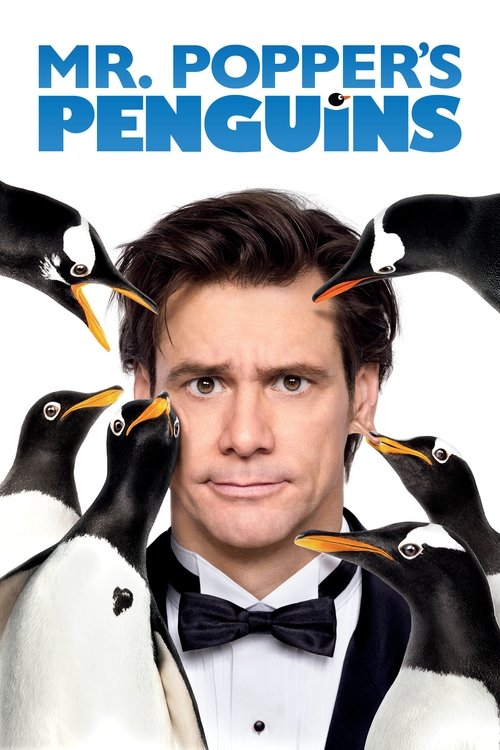
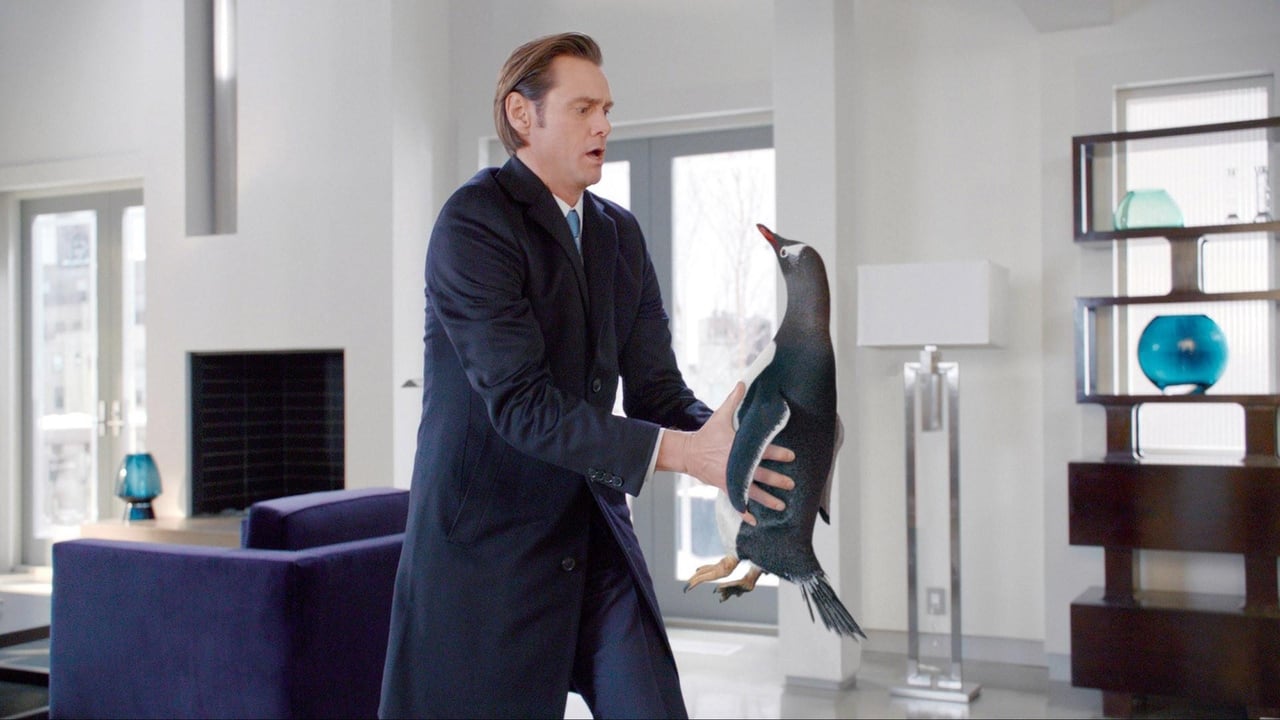
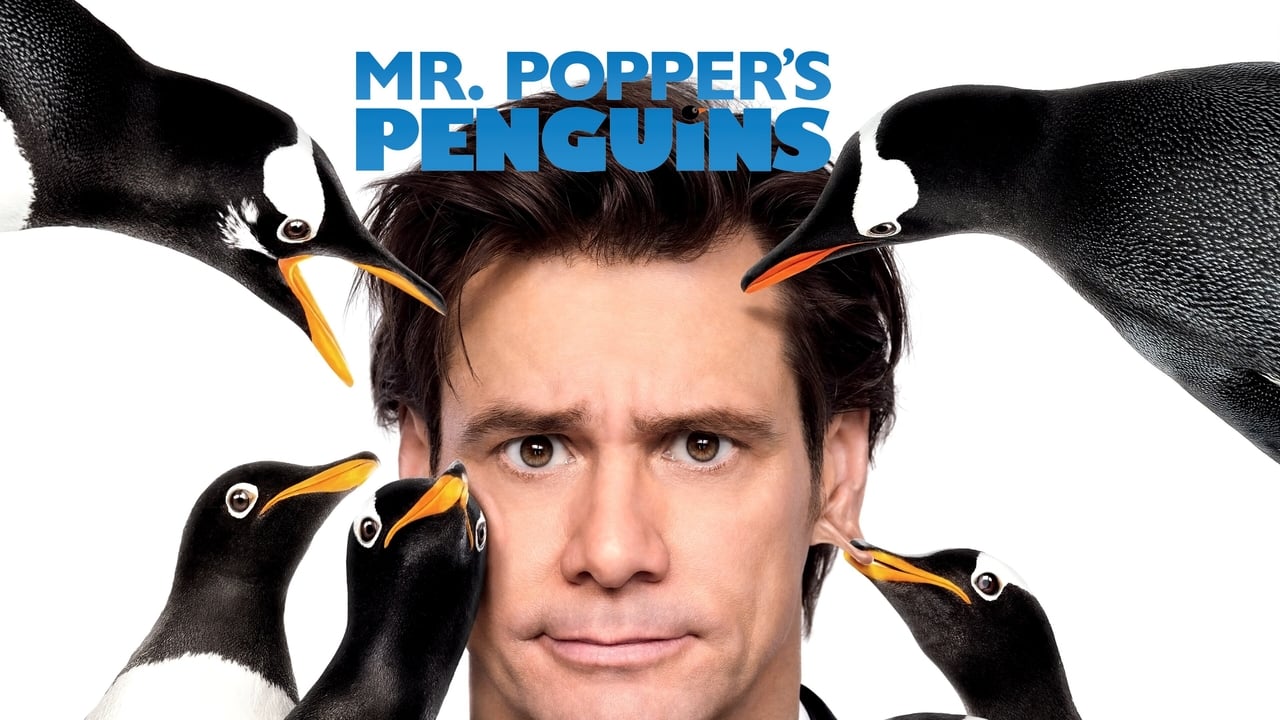
There is a specific brand of manic energy that only Jim Carrey can project when he is being systematically bullied by a flightless bird. Watching him try to maintain his "high-powered real estate closer" dignity while a Gentoo penguin named Captain executes a precision-guided poop on his designer shoes is, in many ways, the ultimate 2011 cinematic experience. It was a time when Hollywood was still convinced that if you took a legendary physical comedian and threw him into a room with enough CGI animals, the box office would simply take care of itself.
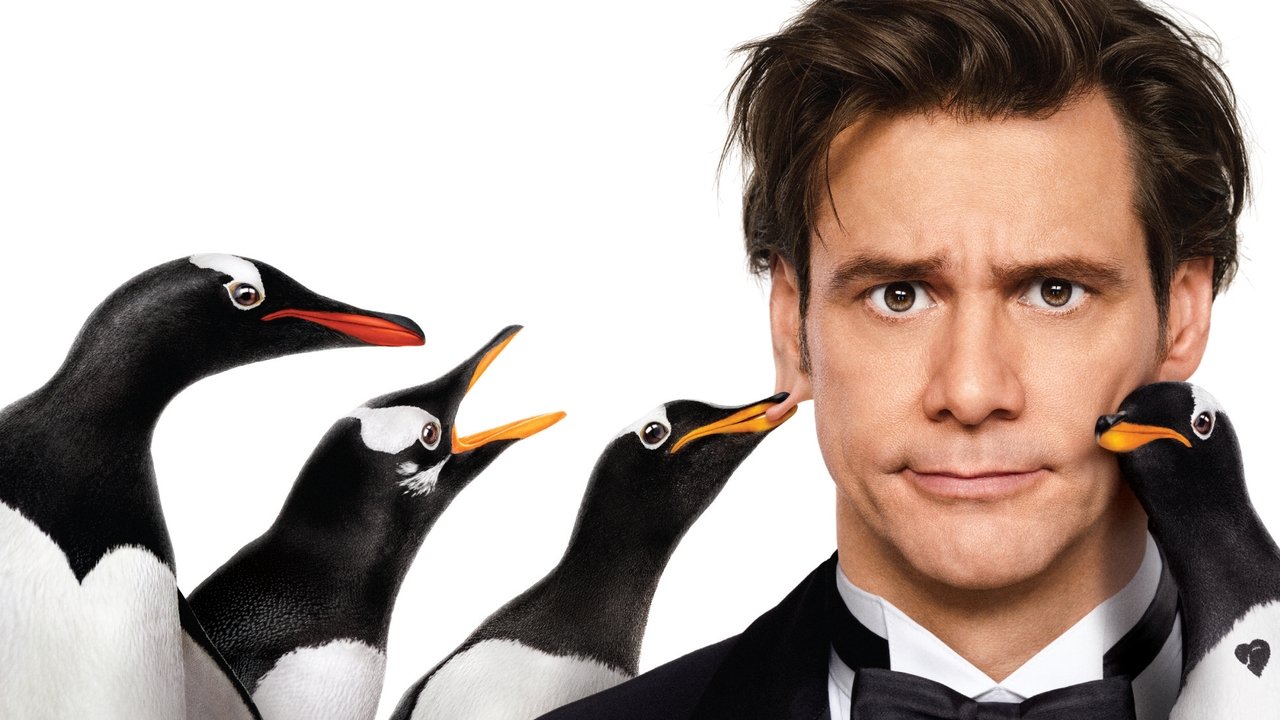
I watched this recently on a humid Tuesday afternoon while my neighbor’s lawnmower hummed a persistent, slightly aggravating G-flat in the background, and honestly? The coldness of the film’s New York winter setting felt like a genuine relief.
The Carrey Evolution: From Rubber-Faced to Dad-Core
By the time Mr. Popper’s Penguins hit theaters, the Jim Carrey we knew from The Mask and Ace Ventura: Pet Detective had undergone a subtle, suburban transformation. He wasn’t the chaotic neutral force of nature anymore; he had entered his "Divorced Dad Seeking Redemption" era. As Tom Popper, he’s slick, fast-talking, and emotionally unavailable—a character archetype that was standard issue for family comedies of this period (see also: Liar Liar).
What’s fascinating looking back is how much Carrey still tries to inject his signature DNA into a very standard script. There are flashes of the old brilliance in his verbal dexterity, particularly when he’s riffing with Ophelia Lovibond, who plays his alliteration-obsessed assistant, Pippi. But for the most part, Carrey’s eyebrows do more heavy lifting here than the entire screenwriting team. He’s playing it safe, delivering a performance that is charming enough to keep parents from falling asleep, but restrained enough to let the penguins be the real stars. It’s a far cry from the anarchy of his 90s work, representing that specific 2000s-2010s trend where mega-stars sought the safety of "four-quadrant" family hits.
Penguins, Pixels, and Practical Effects
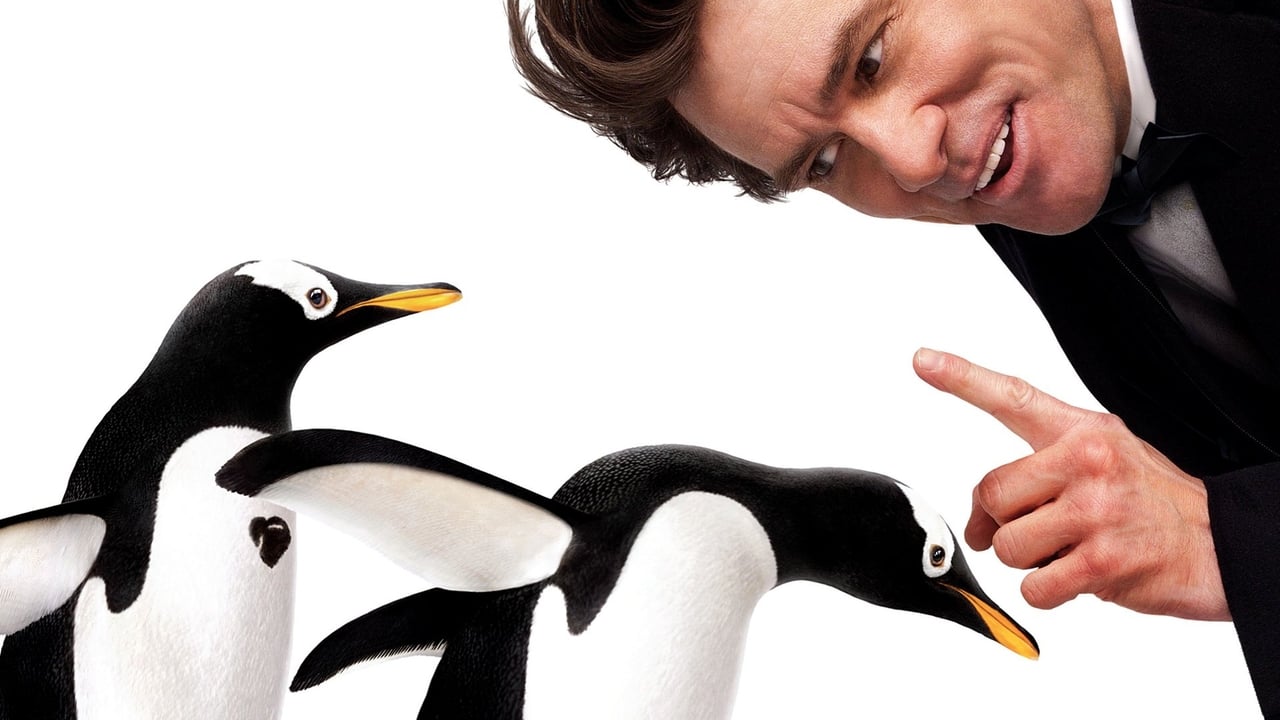
The technical side of this film is a weirdly charming time capsule of the late CGI-transition era. Director Mark Waters (who gave us the iconic Mean Girls) decided to use a mix of real Gentoo penguins and digital doubles provided by Rhythm & Hues. This resulted in a production environment where the set was kept at a constant 55 degrees Fahrenheit to keep the birds comfortable. You can actually see the actors’ breath in some scenes, and there’s a tactile, chilly reality to the apartment-turned-winter-wonderland that CGI alone couldn’t have faked.
However, the digital penguins are where the "Modern Cinema" era quirks really show. While the lighting integration is decent for 2011, the penguins occasionally look like they were rendered for a high-end Wii game. They have that slightly floaty, weightless quality that plagued a lot of mid-budget CGI of the time. It’s not a dealbreaker—this is a movie where a penguin watches Chaplin to learn how to be funny, after all—but it highlights the learning curve the industry was still on regarding "realistic" animal interaction. I found myself missing the grit of 90s practical effects, even if the digital birds allowed for slapstick sequences that would have been impossible (and probably illegal) with real animals.
A Supporting Cast Playing for the Rafters
One of the biggest joys of revisiting Mr. Popper’s Penguins is seeing the legendary Angela Lansbury (of Murder, She Wrote fame) as Mrs. Van Gundy. She brings a regal, old-school Hollywood gravity to a movie that involves a penguin falling into a toilet. It’s a reminder of how these family blockbusters often served as a bridge between generations, casting titans of the stage and screen to provide a "prestige" anchor.
Then you have Clark Gregg, fresh off his early MCU appearances as Agent Coulson, playing the "villainous" zoo official. He’s essentially playing a bureaucratic buzzkill, but he does it with such earnestness that you almost feel bad for him. Carla Gugino, as the ex-wife, is unfortunately saddled with the thankless "supportive but skeptical" role that many talented actresses were forced into during this era. She’s great—because she’s always great—but you can tell the script is more interested in the birds than the humans.
The film serves as a reminder of the "High Concept" comedy’s last stand. Before every major studio release had to be part of a multi-film cinematic universe, we had movies based on 1930s children’s books about a guy who gets six penguins in the mail. It’s absurd, it’s formulaic, and it’s deeply rooted in a specific type of studio filmmaking that prioritized a "warm hug" ending over any real narrative risk.
Ultimately, Mr. Popper’s Penguins is a harmless, breezy piece of nostalgia for anyone who grew up in the DVD-to-streaming transition. It doesn’t reinvent the wheel, and it certainly doesn't utilize Jim Carrey to his full potential, but it has a gentle heart. It’s the kind of film that reminds me of Saturday mornings spent in Pajamas, not quite a classic, but a perfectly functional piece of entertainment that knows exactly what it is. If you’re looking for a low-stakes trip back to 2011, you could do a lot worse than a frozen New York penthouse and a few well-timed bird farts.

Keep Exploring...
-
Horton Hears a Who!
2008
-
Freaky Friday
2003
-

Night at the Museum
2006
-
How the Grinch Stole Christmas
2000
-

Ice Age: The Meltdown
2006
-
Over the Hedge
2006
-
Alvin and the Chipmunks
2007
-
Shrek the Third
2007
-
Madagascar: Escape 2 Africa
2008
-
Alvin and the Chipmunks: The Squeakquel
2009
-

Ice Age: Dawn of the Dinosaurs
2009
-
Shrek Forever After
2010
-
Alvin and the Chipmunks: Chipwrecked
2011
-

Puss in Boots
2011
-
Rio
2011
-
The Smurfs
2011
-
Hotel Transylvania
2012
-
Ice Age: Continental Drift
2012
-

Cloudy with a Chance of Meatballs 2
2013
-

Planes
2013