One Day
"Same date, different lives, one inevitable destination."
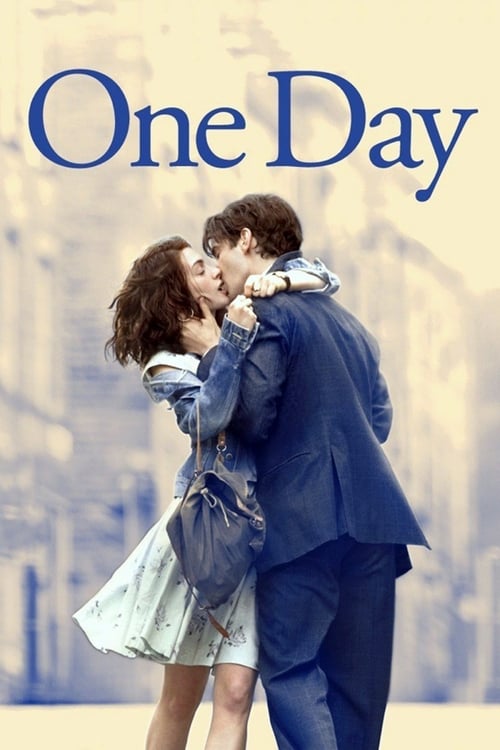
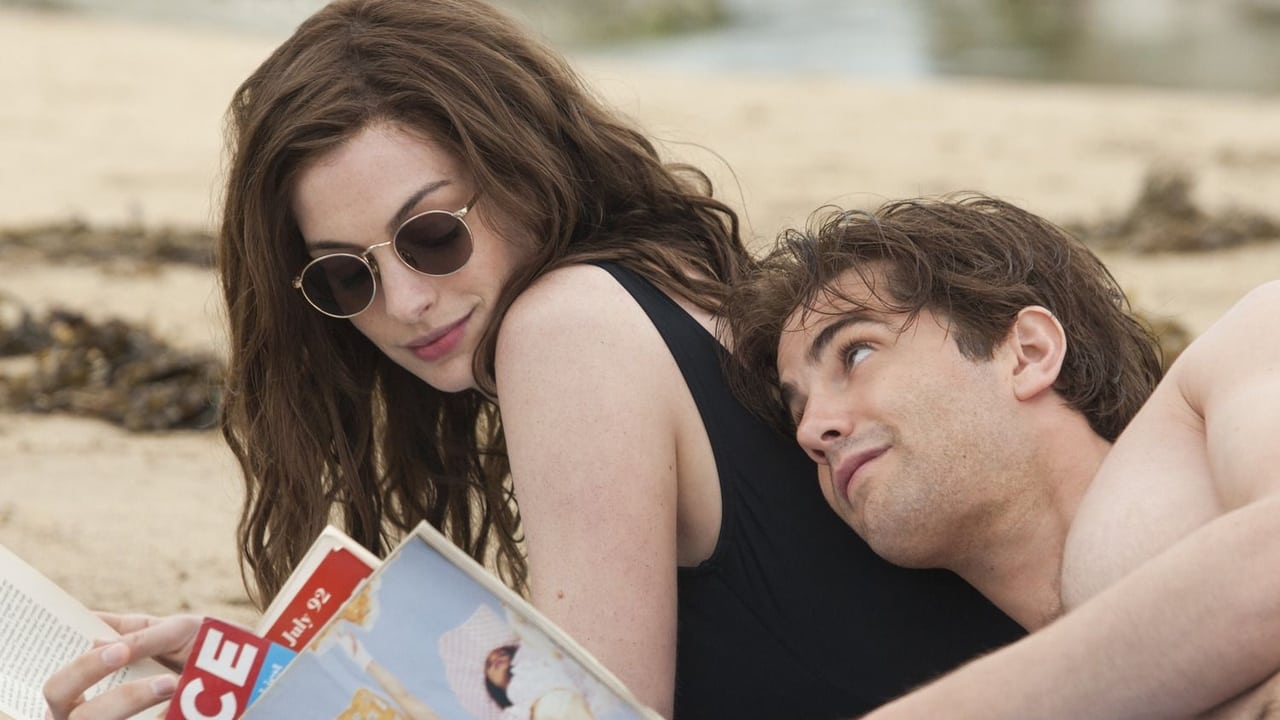
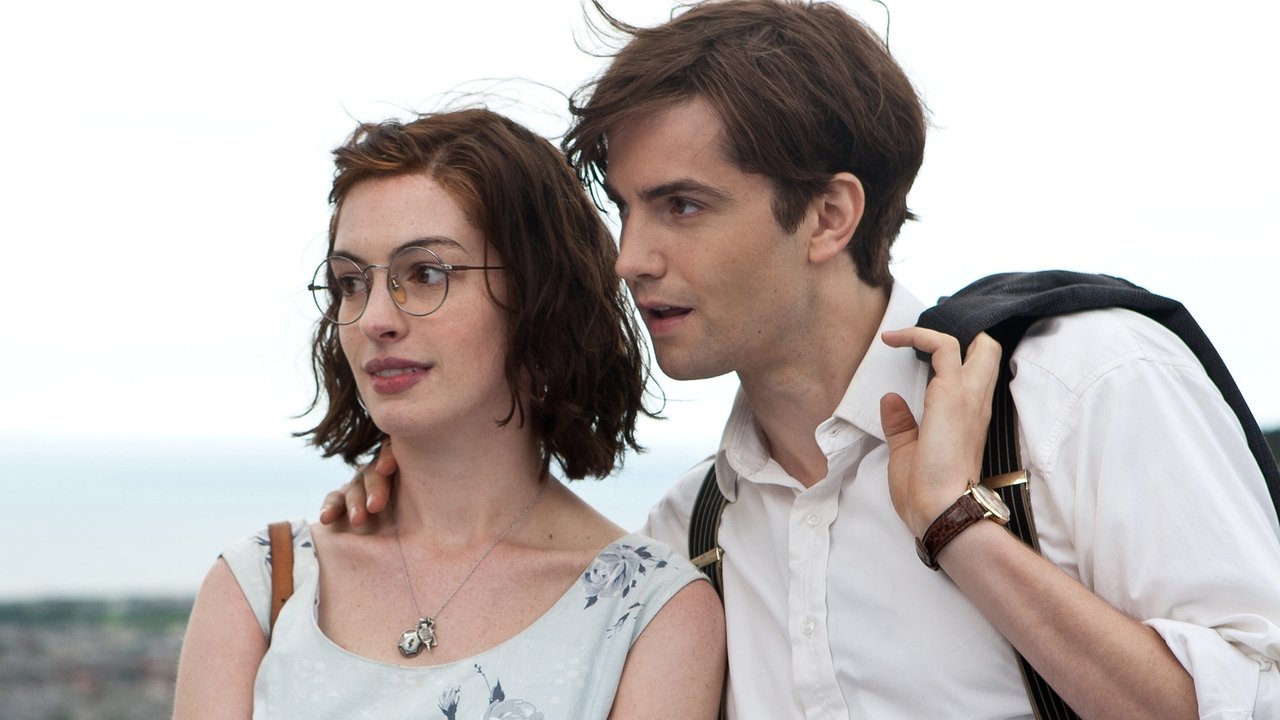
July 15, 1988. It’s St. Swithin’s Day, graduation night at the University of Edinburgh, and two people who couldn’t be less alike find themselves tangled up in a bed that isn’t quite being used for its primary purpose. Emma Morley is the principled, slightly awkward aspiring writer with a chip on her shoulder; Dexter Mayhew is the golden boy whose life feels like a pre-approved loan he’ll never have to pay back. They don’t sleep together—at least, not yet—but they forge a pact. The film then proceeds to check in on them every July 15th for the next twenty years, creating a cinematic slideshow of ambition, aging, and the slow-motion car crash of unrequited love.
I watched this most recently while nursing a lukewarm cup of peppermint tea that I’d forgotten about for forty minutes, and honestly, that’s the exact temperature this movie operates at. It’s pleasant, a bit bittersweet, and leaves a faint aftertaste of what could have been.
The Elephant in the Yorkshire Room
We have to talk about the accent. When Anne Hathaway was cast as the northern-English Emma, the collective gasp from the UK could have powered a small wind farm. Hathaway is a fantastic actress—she’s actually the emotional engine of this film—but her Leeds accent is the vocal equivalent of a car alarm going off in a library. It fluctuates wildly, occasionally drifting toward the West End or taking a sudden detour into "generic Victorian orphan."
Once you get past the vowels, however, the chemistry between her and Jim Sturgess (whom you might remember from the Beatles-musical Across the Universe) is surprisingly sturdy. Sturgess has the unenviable task of playing a man who is actively annoying for about 70% of the runtime. Dexter is the poster child for "failing upward" in the 1990s, becoming a flashy, shallow TV presenter before the inevitable comedown. He plays the transition from smug youth to hollowed-out adulthood with a vulnerability that makes you forgive his more egregious scarf-wearing phases.
A Time Capsule of Pre-Digital Longing
Director Lone Scherfig, who gave us the elegant An Education, manages to capture the era-shifts with a subtle hand. This was the tail end of the period where dramas relied on physical distance to create tension. There’s a specific kind of 90s ache in watching characters wait for letters or missed landline calls—obstacles that would be solved today by a simple "seen" receipt on a WhatsApp message.
The production design by Mark Tildesley is a highlight, moving us from the gritty, student-cluttered flats of 1980s Edinburgh to the sterile, over-designed London apartments of the early 2000s. It’s a reminder that this film was released in 2011, right at the cusp of cinema’s full transition to digital. There’s still a warmth to the cinematography by Benoît Delhomme that feels grounded and tactile, capturing the cobblestones and the rain in a way that feels like a fading memory.
The Cult of the Mid-Tier Romance
Initially, One Day received a bit of a drubbing from critics who felt the "one day a year" gimmick was too restrictive for a feature film. But over the last decade, it has ascended to a certain cult status among those who enjoy a "good cry" movie. It’s a film that fans revisit every July 15th like a ritual. Perhaps it’s because the script was penned by the novelist himself, David Nicholls, ensuring that the most heartbreaking lines from the book made it to the screen intact.
There are some wonderful supporting turns here that ground the central melodrama. Rafe Spall is agonizingly perfect as Ian, the aspiring comedian who is clearly the "wrong" guy for Emma. His performance is a masterclass in being well-meaning but utterly exhausting. And Patricia Clarkson, as Dexter’s mother, provides the film's most grounded, adult moments, delivering hard truths with the grace of someone who knows her son's charm is his greatest liability.
Apparently, the production had to move fast to capture the specific summer light in Edinburgh, and you can feel that haste in some of the later segments. The film tries to cover so much ground that some years feel like a frantic PowerPoint presentation of life events. One minute they're in Paris, the next they're at a wedding, and if you sneeze, you might miss an entire character arc.
The film is essentially a delivery system for a third-act emotional gut-punch that still works, even if you see it coming from a mile away. While the Netflix remake has recently tried to expand this story into a series, there is something to be said for the 107-minute version that forces you to face the brevity of time. It’s a flawed, beautiful, slightly frustrated piece of filmmaking that captures the specific 2011 trend of "sad-girl cinema" perfectly. If you can forgive the accent, you might find yourself surprisingly moved by the time the credits roll.

Keep Exploring...
-
An Education
2009
-

The Other Boleyn Girl
2008
-

Vicky Cristina Barcelona
2008
-
Becoming Jane
2007
-
The Best Offer
2013
-

What If
2013
-
Stranger Than Fiction
2006
-
The Illusionist
2006
-
The Lake House
2006
-

High School Musical 2
2007
-
Revolutionary Road
2008
-
(500) Days of Summer
2009
-
The Time Traveler's Wife
2009
-

Charlie St. Cloud
2010
-
Letters to Juliet
2010
-
Life As We Know It
2010
-
Remember Me
2010
-
The Last Song
2010
-
The Next Three Days
2010
-
Seeking a Friend for the End of the World
2012