Our Idiot Brother
"Honesty is the best policy. It’s also the most annoying."
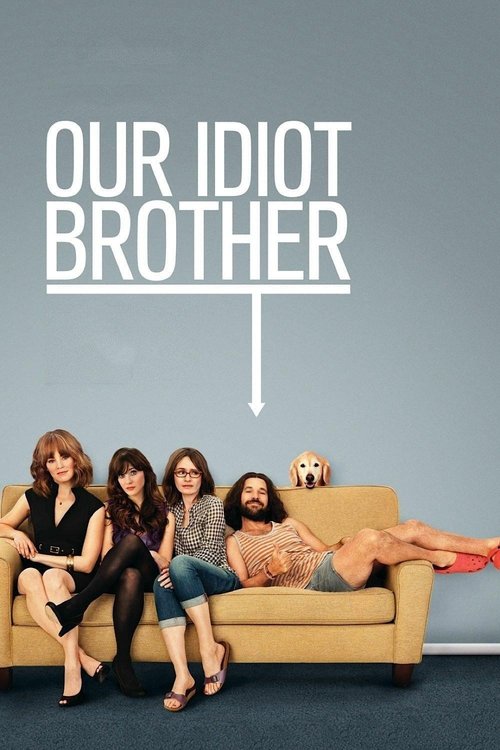
The first time I saw Paul Rudd as Ned Rochlin, I was sitting in a dentist’s waiting room, clutching a tattered magazine and trying to ignore the high-pitched whine of a drill coming from the back rooms. There was something about the sight of a bearded Rudd selling biodynamic organic broccoli to a uniformed police officer that immediately lowered my blood pressure. It’s a film that feels like a warm corduroy jacket—unpretentious, slightly worn at the elbows, and infinitely more comfortable than anything else in your closet.
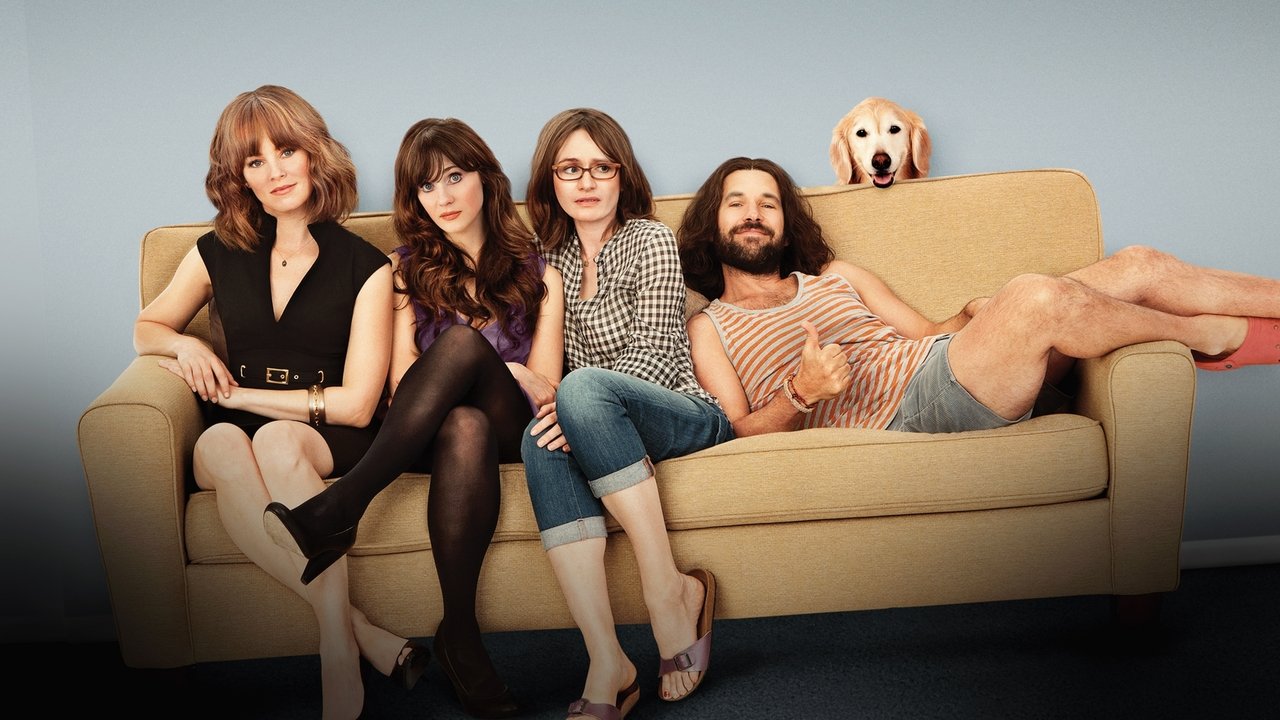
Released in 2011, Our Idiot Brother arrived at the tail end of the "Sundance Dramedy" boom. This was the era of Big Beach (the production house behind Little Miss Sunshine) and Likely Story, companies that specialized in movies about dysfunctional, upper-middle-class families living in well-appointed apartments while their lives slowly caught fire. Looking back, it captures a very specific pre-algorithm cultural moment: a time when "indie" still meant a mid-budget character study rather than a $20 million horror film with a high-concept hook.
The Radical Power of Being a Doofus
The "Idiot" of the title isn't actually an idiot; he’s just someone who lacks the social filters we use to protect our egos. After serving a stint in jail for the aforementioned "charity" weed sale to a cop, Ned rotates through the lives of his three sisters like a human wrecking ball made of nerf foam.
What makes this more than just a standard "fish out of water" comedy is the genuine weight of the drama happening in the periphery. These aren't just wacky archetypes; they are deeply recognizable portraits of modern anxiety. Emily Mortimer (wonderful in The Newsroom and Lars and the Real Girl) plays Liz, a mother suffocating under the weight of "perfect" parenting and a marriage to a documentary filmmaker who is, to put it bluntly, a colossal douchebag. Steve Coogan plays that husband, Dylan, and he is so spectacularly smug that I actually wanted to reach through the screen and pop his collar for him.
Then you have Elizabeth Banks as Miranda, a budding journalist trying to claw her way up the Vanity Fair ladder, and Zooey Deschanel as Natalie, a bohemian hipster whose life is a series of non-committal pivots. They all treat Ned like a pet or a nuisance, never realizing that their own "sophisticated" lives are built on foundations of lies, omissions, and repressed bitterness.
A 2011 Time Capsule of Talent
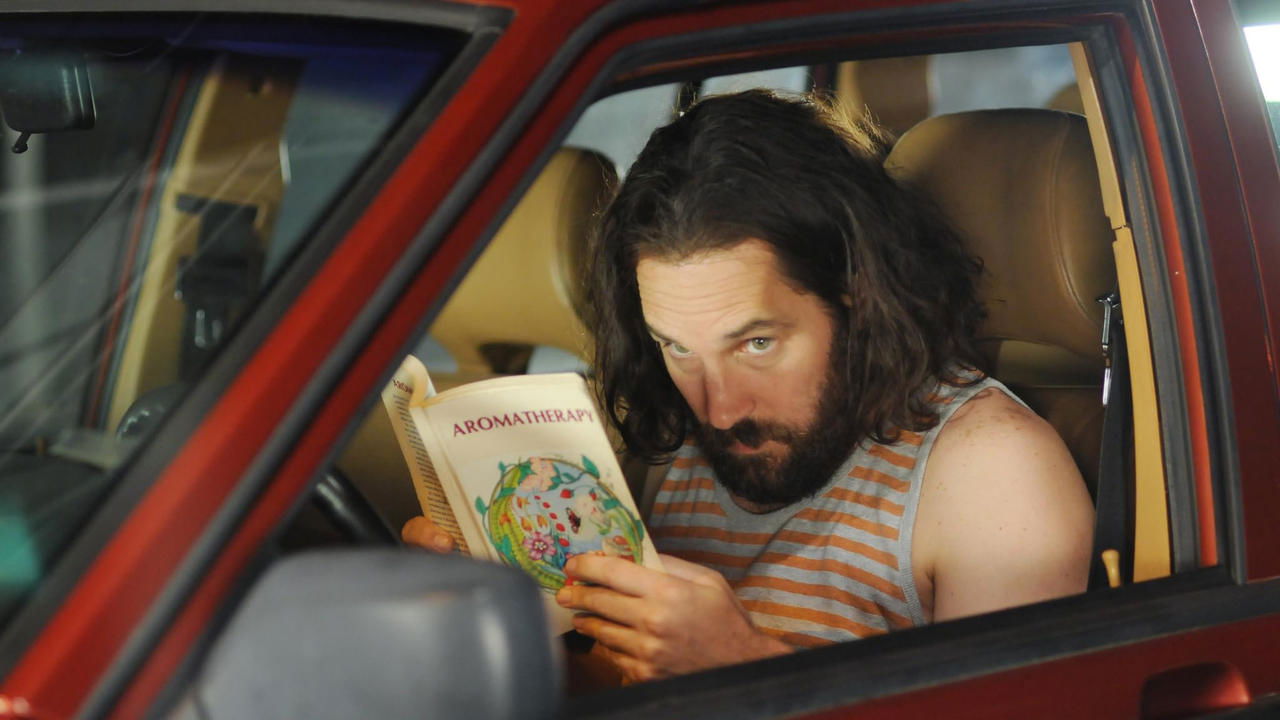
If you look at the cast list today, it feels like a "Before They Were Super" convention. You’ve got Rashida Jones (fresh off Parks and Recreation) playing a cynical lawyer in a relationship with Deschanel, and a pre-fame Kathryn Hahn appearing as Ned’s ex-girlfriend. Even Adam Scott shows up. It’s an embarrassment of riches, and director Jesse Peretz (who, interestingly, was the original bass player for the Lemonheads) lets the scenes breathe.
In an era of Modern Cinema where every frame is now polished to a digital sheen, there’s a tactile, grainy honesty to the cinematography by Yaron Orbach. It feels like New York actually smells like pretzels and exhaust fumes. The film doesn't rely on "bits"; it relies on the chemistry of its ensemble. Paul Rudd is the only man on earth who can make a cargo shorts and Crocs combo look like a spiritual statement. His performance is a masterclass in stillness. While everyone else is acting "busy" and "stressed," Ned just is.
It’s easy to dismiss this as "light," but I’d argue it’s actually quite brave. We live in a world that increasingly rewards cynicism and "the hustle." Watching a movie that suggests being a "moron" might just mean being a decent human being feels almost subversive now. The scene where the sisters finally erupt at each other during a game of Charades is a perfect distillation of family dynamics—it’s hilarious, but it hurts because you’ve likely been in that room, or at least heard the shouting through the walls.
Why Did This One Slip Away?
Our Idiot Brother was a modest success at the box office, but it’s rarely cited in the "Great Dramedies" pantheon. Part of that might be the title—it’s a bit aggressive for a movie this sweet. Another part is the timing. By 2011, the "indie" aesthetic was becoming a parody of itself (the ukelele scores, the whimsical outfits).
But watching it a decade-plus later, the fluff has evaporated, leaving behind a really sturdy, soulful movie about how hard it is to be a brother, a sister, or even just a person. It avoids the easy, saccharine endings of its peers. Ned doesn't suddenly become a high-powered executive, and his sisters don't fix their lives overnight. Instead, they just learn to be a little more honest, which is a much harder arc to write.
The film was a family affair behind the scenes, too—written by the director's sister, Evgenia Peretz, and her husband. That intimacy shows. There’s a shorthand in the dialogue that feels like it was forged at a real dinner table, likely over a few bottles of wine and some long-standing grievances.
Ultimately, Our Idiot Brother is a reminder that we all need a Ned in our lives—someone to tell us the truth even when we’ve spent years perfecting our masks. It’s a beautifully acted, deceptively simple film that deserves a second look, preferably on a Sunday afternoon when you’re feeling a little too "adult" for your own good. Just don't expect it to make you want to wear Crocs. Some things are only for Paul Rudd.
Keep Exploring...
-

Ruby Sparks
2012
-
What to Expect When You're Expecting
2012
-
This Is Where I Leave You
2014
-
I Love You, Man
2009
-
Fred Claus
2007
-

A Good Year
2006
-
Just My Luck
2006
-
Dan in Real Life
2007
-

Death at a Funeral
2007
-
The Nanny Diaries
2007
-
Be Kind Rewind
2008
-
Ghost Town
2008
-
Nick and Norah's Infinite Playlist
2008
-
Wild Child
2008
-
The Informant!
2009
-

Youth in Revolt
2009
-
I Love You Phillip Morris
2010
-
Morning Glory
2010
-
The Switch
2010
-
You Will Meet a Tall Dark Stranger
2010