Perfect Sense
"Losing our senses, finding each other."
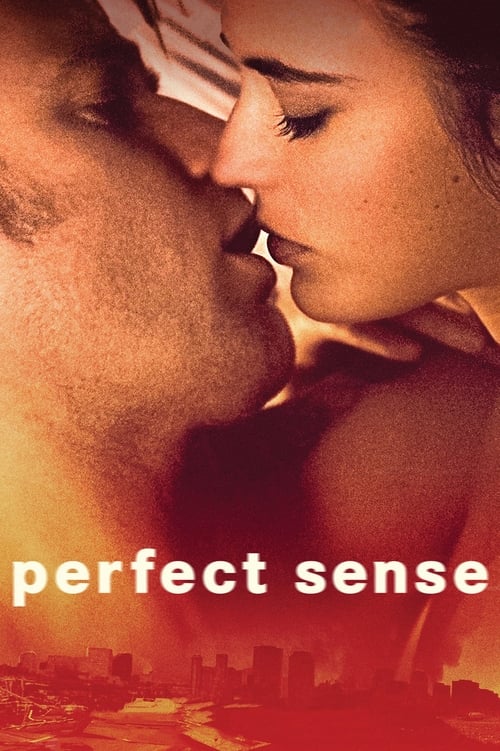
I watched Perfect Sense on a Tuesday night while my neighbor was loudly practicing the tuba, which provided a bizarre, unintended diegetic soundtrack to the scenes of mounting panic. It was an odd way to experience a film that is fundamentally about the terror of losing your connection to the physical world, but somehow, the brassy honking only made the silence that eventually follows in the story feel more profound.
Released in 2011, Perfect Sense is a film that essentially evaporated upon arrival. It earned a microscopic $138,868 at the box office—roughly the catering budget of a mid-tier Marvel movie. It arrived the same year as Steven Soderbergh’s Contagion, a film that took the "global pandemic" premise and turned it into a chilly, procedural thriller. While everyone was watching Matt Damon wash his hands, this small, poetic, Glasgow-set drama was quietly suggesting that the end of the world wouldn't be a matter of viral loads and R-naught numbers, but a slow-motion stripping away of everything that makes us human.
A Pandemic of Feelings
The premise is a high-concept nightmare: a disease is spreading across the globe that systematically shuts down the human senses. But here’s the twist—each loss is preceded by an overwhelming emotional outburst. Before people lose their sense of smell, they are hit by a wave of grief and inconsolable weeping. Before they lose their sense of taste, they experience a "Great Hunger," a manic, ravenous state where they consume anything in sight—raw flour, tubes of lipstick, entire canisters of cooking oil.
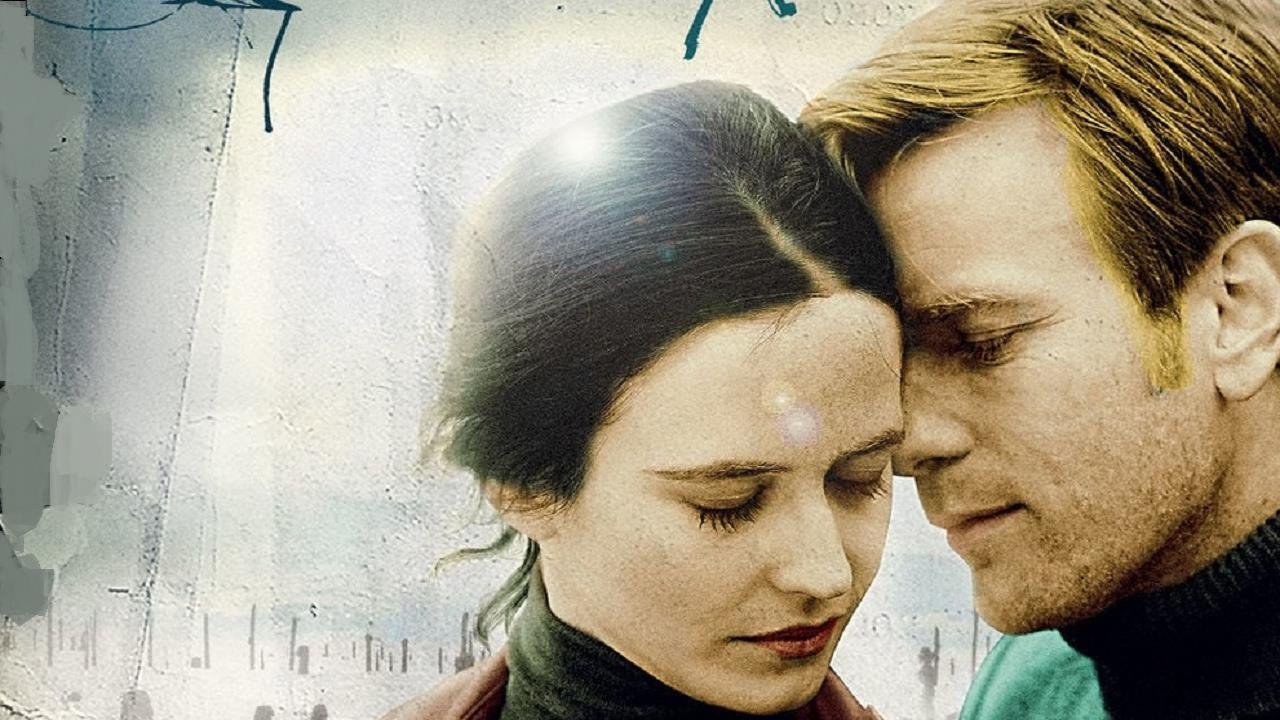
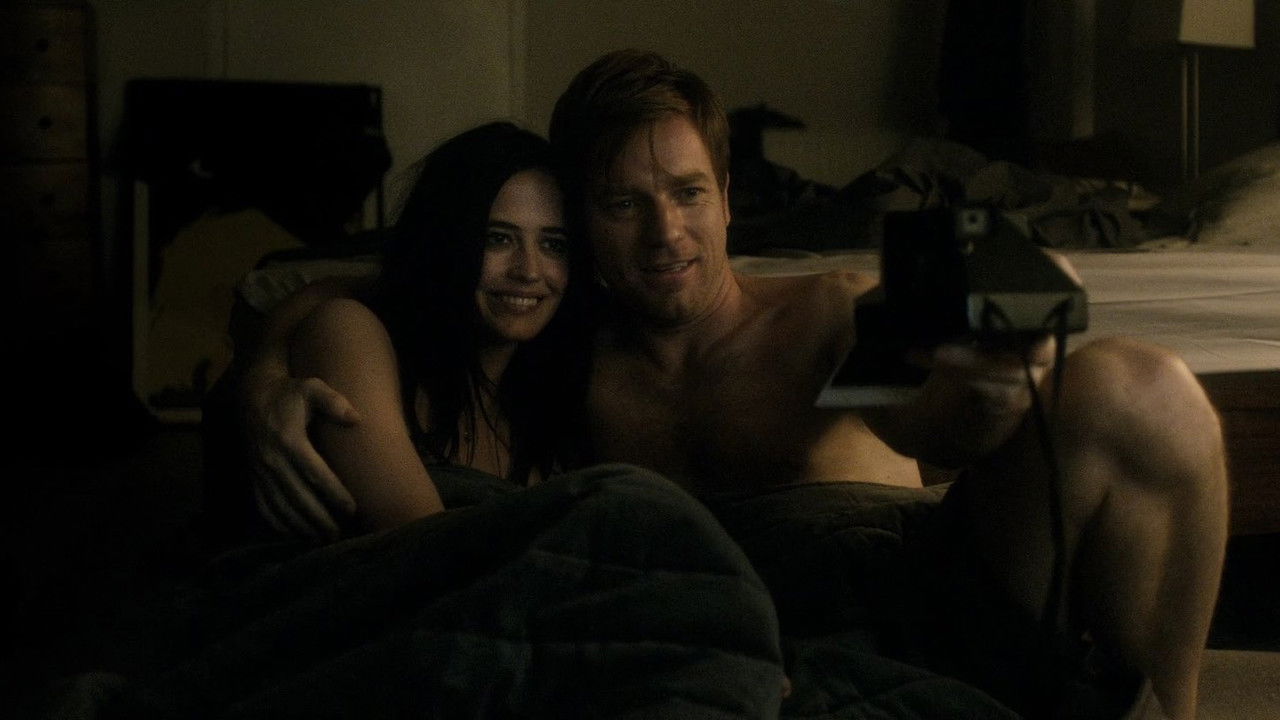
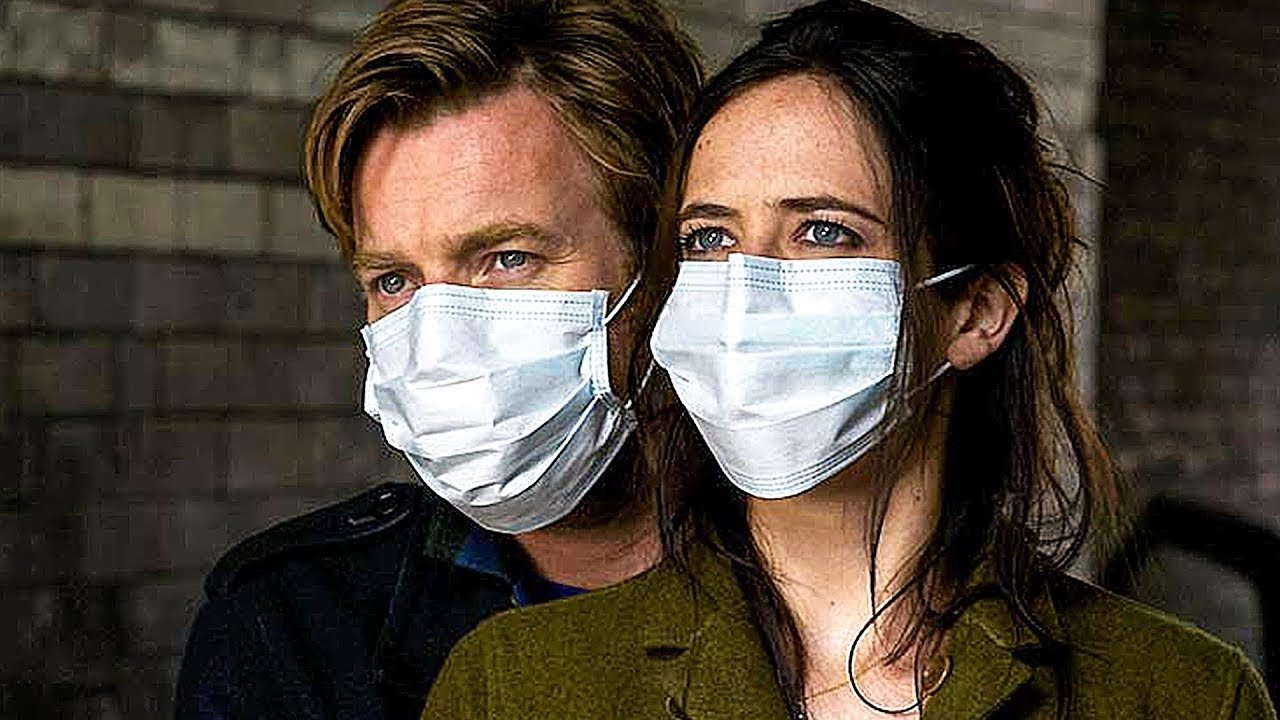
In the middle of this sensory apocalypse, we find Michael (Ewan McGregor), a talented but emotionally guarded chef, and Susan (Eva Green), an epidemiologist who has spent too much time looking at the worst-case scenarios of the human race. They meet, they flirt, and they begin a tentative romance just as the lights start going out on civilization.
What I love about David Mackenzie’s direction here is that he doesn’t treat the apocalypse like a Roland Emmerich spectacle. There are no monuments exploding. Instead, we see the shift in the way Michael runs his kitchen. When people lose their sense of smell, he realizes they still want texture. When they lose their taste, they want the memory of salt and fat. It’s the most romantic movie ever made about people losing their minds and eating tubes of toothpaste. It’s a drama that understands that even when the world is ending, we still have to figure out what to make for dinner.
Performance and Richter’s Strings

The chemistry between Ewan McGregor and Eva Green is what keeps the film from floating off into "indie-movie-pretension" territory. McGregor does that thing he does better than anyone—playing a guy who is slightly roguish but ultimately vulnerable. Green, meanwhile, brings a fierce intelligence to Susan. She isn't just a "love interest"; she’s the one trying to quantify the end of the world while it’s happening to her.
There is a scene after the "Great Hunger" where the two of them are in a bathtub, terrified and exhausted, and they realize that their sense of taste is gone. The way they look at each other—clinging to the one thing they have left—is heartbreakingly real. They are supported by a great ensemble, including Ewen Bremner as Michael’s kitchen second-in-command and Stephen Dillane (before he was grinding his teeth as Stannis Baratheon), who brings a needed weight to the scientific side of the collapse.
The real MVP here, though, is the score by Max Richter. If you’ve watched a prestige TV show or an emotional drama in the last decade, you’ve heard Richter’s work. His music here is haunting and repetitive in a way that feels like a heartbeat. It fills the gaps as the film’s sound design begins to reflect the characters’ hearing loss. Looking back, this was a peak moment for that early 2010s "prestige indie" aesthetic—grainy digital cinematography, handheld cameras, and a belief that a few well-placed violins could break a viewer's heart.
The Mystery of the Disappearing Movie
Why did Perfect Sense vanish? Part of it was likely the "Modern Cinema" transition I mentioned. In 2011, we were at the height of the franchise boom. Harry Potter was ending, the MCU was finding its feet with Thor and Captain America, and a quiet, Scottish film about losing your nose and ears didn’t exactly scream "Friday Night Blockbuster."
The film also suffered from being "the other pandemic movie" in a year when Contagion had all the marketing muscle. But watching it now, it feels remarkably prescient. It captures that specific post-9/11 anxiety where the world feels fragile, and the "normal" we take for granted can be yanked away by something invisible. It’s a film that survived its era by becoming a cult curiosity for people who like their sci-fi with a heavy dose of existential dread.
Apparently, the production was quite a scrappy affair. They shot in Glasgow on a tight schedule, and much of the "global" footage was actually low-cost stock footage or clever use of local locations to stand in for a world in decline. It’s a testament to the script by Kim Fupz Aakeson that the film feels massive in scope despite its small budget. It manages to make a rainy alleyway in Scotland feel like the last bastion of humanity.
Perfect Sense is a beautiful, bruising experience that I find myself thinking about every time I catch a scent of woodsmoke or citrus. It’s not an easy watch—it’s a film that asks you to contemplate your own erasure—but it’s also surprisingly optimistic. It argues that even if we lose every way we have to perceive the world, the need to reach out and hold someone else remains. It’s a forgotten gem from an era that was just starting to figure out how to tell global stories on an intimate scale. Find it, watch it, and then go smell a piece of fruit. You’ll thank me later.
Keep Exploring...
-

Salmon Fishing in the Yemen
2012
-
Starred Up
2014
-
Mary Shelley's Frankenstein
1994
-
S1m0ne
2002
-
2046
2004
-
Never Let Me Go
2010
-

The Fountain
2006
-
Mr. Nobody
2009
-

Upside Down
2012
-
Her
2013
-

Notes on a Scandal
2006
-

Cashback
2007
-

The Duchess
2008
-

Jane Eyre
2011
-
Submarine
2011
-

The Zero Theorem
2013
-
Beginners
2011
-

A Good Year
2006
-

Little Children
2006
-

The Painted Veil
2006