Polisse
"To protect the innocent, they lose themselves."
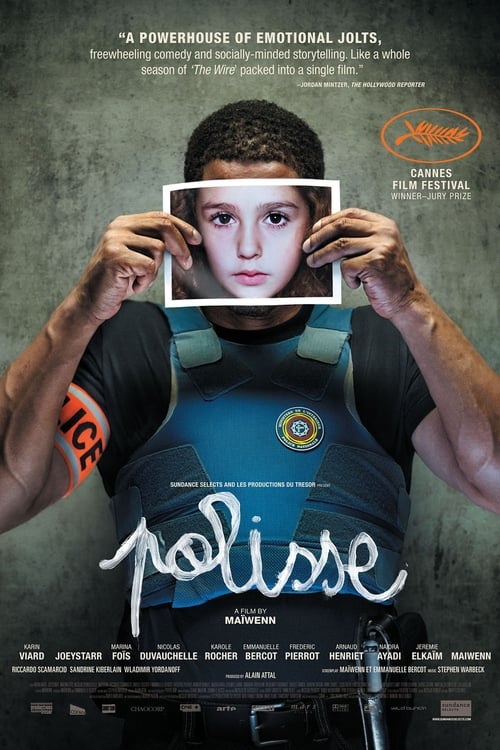
I remember the first time I sat down to watch Polisse. I was sitting in a cramped apartment, nursing a cup of lukewarm tea and eating a dangerously dry piece of toast that I’d definitely over-browned, expecting a standard-issue police procedural. Within twenty minutes, I realized my mistake. This wasn't CSI: Paris; this was a punch to the gut that left me staring at the credits in total silence.
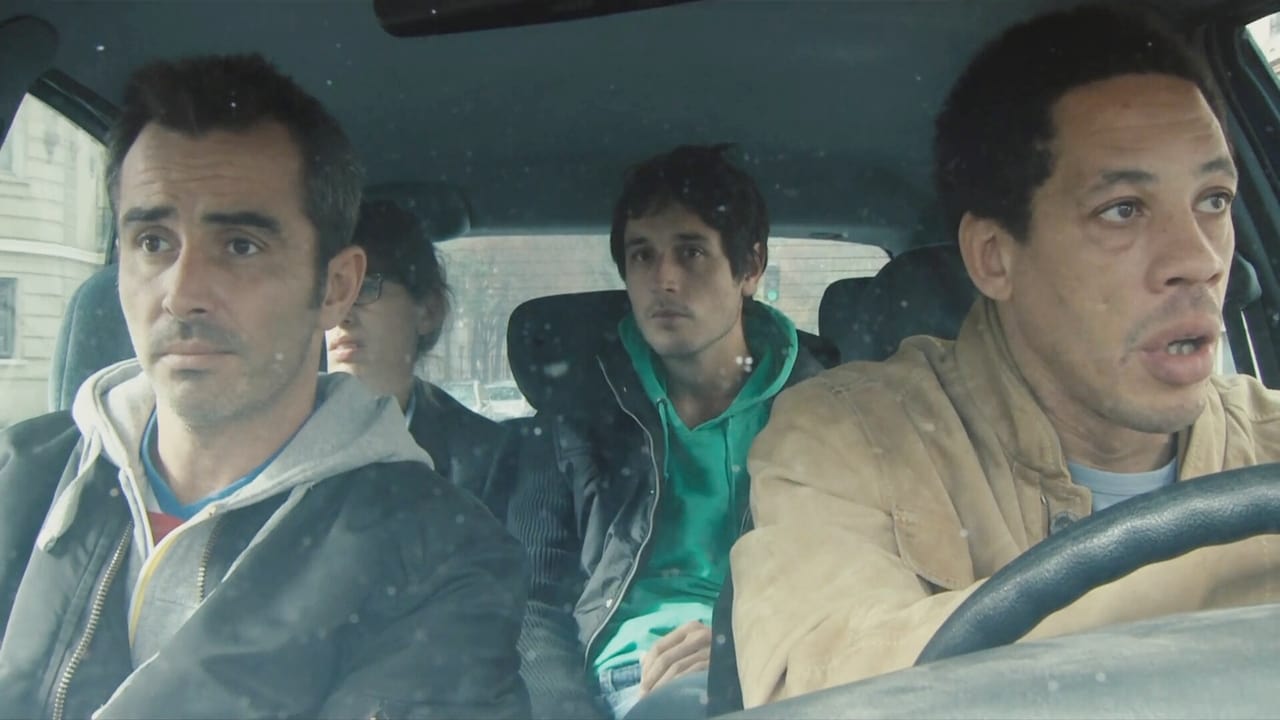
Directed by Maïwenn, who also stars, Polisse (a play on how a child might misspell "police") is a sprawling, chaotic, and deeply emotional look at the Brigade de Protection des Mineurs (BPM)—the Child Protection Unit. While most cop movies focus on the adrenaline of the chase or the cleverness of the heist, this film focuses on the paperwork, the shouting matches, and the psychological toll of looking into the eyes of humanity's worst impulses every single day.
The Beautiful Mess of the BPM
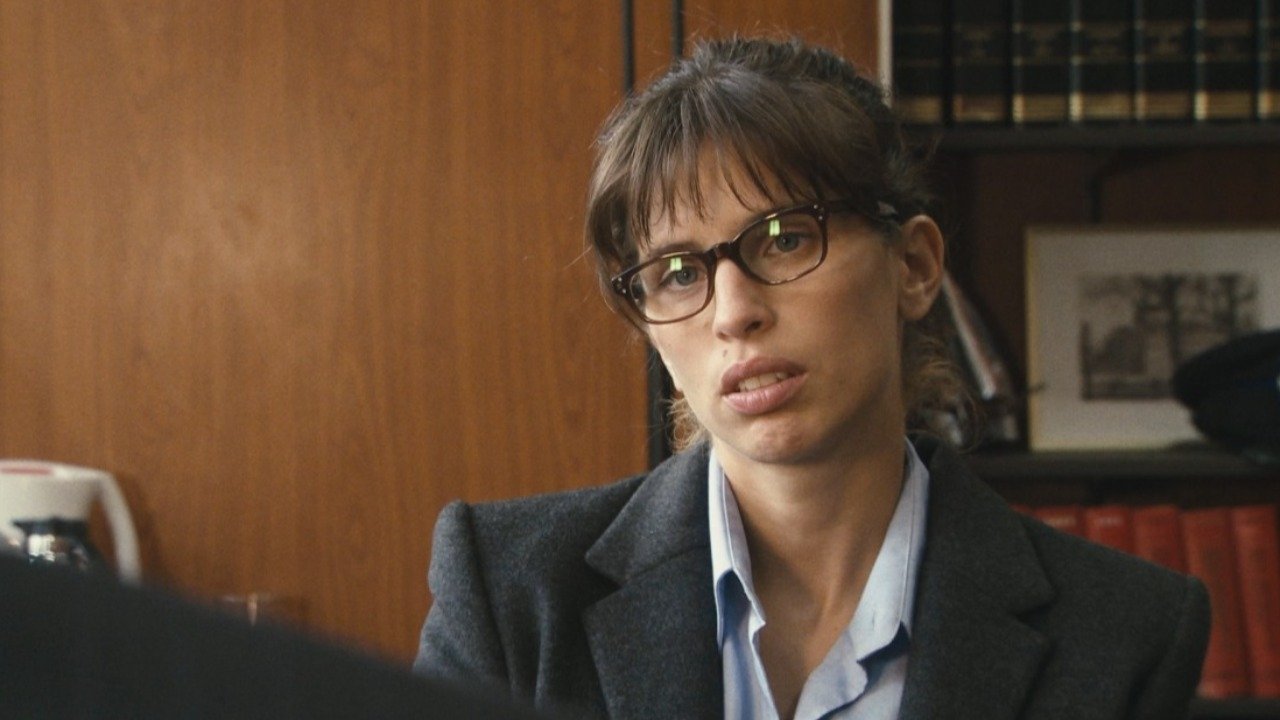
The film functions as a series of vignettes tied together by the presence of Melissa (Maïwenn), a photographer sent to document the unit. It’s a clever framing device, even if it feels a little meta, as it gives us an "outsider" perspective on a group of people who have become a dysfunctional, screaming, loving family out of sheer necessity.
The ensemble cast is staggering. Frédéric Pierrot plays "Baloo," the steady hand of the group, while Karin Viard, Naidra Ayadi, and Karole Rocher bring a raw, exhausted reality to their roles. You can tell they aren't just playing cops; they’re playing people who have forgotten how to be anything but cops.
But the undisputed soul of the film is JoeyStarr, a former French rapper who delivers a performance so volcanic and vulnerable it’ll make you wonder why he isn’t in every movie. His character, Fred, wears his nerves on the outside of his skin. The scene where Fred loses his mind at a mother who doesn't understand why she can't sleep with her child is one of the most terrifyingly honest things I’ve ever seen on screen. He isn't just angry; he’s heartbroken for a world he can't fix.
A Relic of the Gritty Digital Era
Released in 2011, Polisse sits right at the end of that "Sundance-style" hyper-realism boom that dominated the 2000s. It’s shot with a jittery, handheld digital aesthetic that captures the claustrophobia of the precinct. There’s no Hollywood gloss here. The offices are cluttered, the lighting is harsh, and the dialogue is often an overlapping mess of arguments.
The camera doesn't just watch the characters; it practically sweats with them. Looking back, this style was a reaction to the slickness of the CGI era. While big-budget films were moving toward perfectly rendered digital worlds, directors like Maïwenn were using digital cameras to get closer to the dirt and the noise. It feels incredibly grounded, reminding me of that mid-career shift in The Wire where the technology becomes a character itself, documenting the slow decay of the institutions meant to save us.
The Toll of the Task
What makes Polisse so difficult—and so necessary—is how it balances the horror of the cases with the mundane absurdity of office life. In one scene, the team is dealing with a truly harrowing confession; in the next, they’re in a shouting match about who stole whose yogurt from the breakroom fridge.
It’s gallows humor at its most potent. Some might find the shifts in tone jarring, but to me, they felt earned. If you don't laugh at the small things, the big things will eat you alive. The film doesn't shy away from the moral ambiguity of the job either. We see the officers cross lines, lose their tempers, and fail the very people they are trying to protect. It’s a film that demands you look at the things most people spend their lives trying to ignore.
Interestingly, Maïwenn actually spent months shadowing the real BPM in Paris before filming. Many of the cases in the script are based on real-life files she encountered. That authenticity is what makes the film's climax—which I won't spoil here—hit like a freight train. It’s not a "movie ending"; it’s a life ending.
Polisse is a challenging watch, not because it’s slow, but because it’s so relentlessly "awake." It captures a specific moment in French cinema where the line between documentary and drama was blurred into something vibrant and violent. It’s a tribute to the people who handle the wreckage of society, and it asks us what we owe to the children who fall through the cracks. If you missed this one during its initial run, find it—but maybe skip the toast and the tea. You’ll need a clear head for this one.
Keep Exploring...
-
Tell No One
2006
-

A Prophet
2009
-
Gridiron Gang
2006
-
Undisputed II: Last Man Standing
2006
-
United 93
2006
-
Before the Devil Knows You're Dead
2007
-
Mesrine: Killer Instinct
2008
-
Mesrine: Public Enemy #1
2008
-
Mother
2009
-
Batman: Under the Red Hood
2010
-

Elite Squad: The Enemy Within
2010
-
Batman: Year One
2011
-
Batman: The Dark Knight Returns, Part 1
2012
-

Batman: The Dark Knight Returns, Part 2
2013
-

Miller's Crossing
1990
-
Naked Lunch
1991
-
Glengarry Glen Ross
1992
-
Batman: Mask of the Phantasm
1993
-
Bound by Honor
1993
-
Strange Days
1995