Priest
"Vampires don't sparkle. They drool."
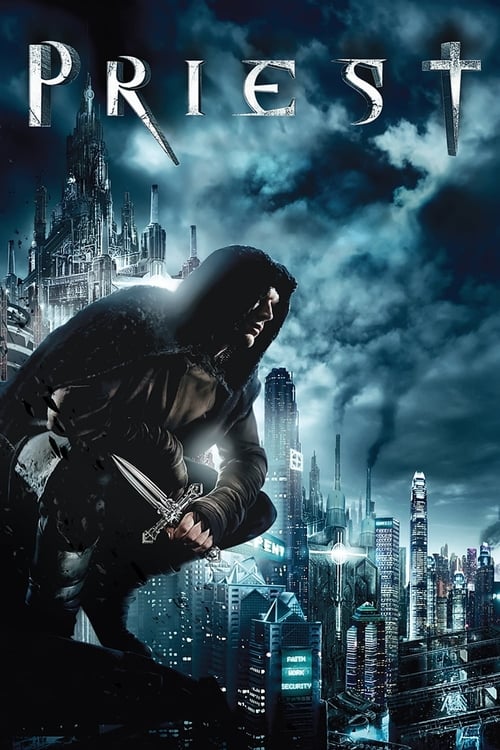
There is a specific kind of 2011 hubris that thinks you can sell a movie solely on the image of a man with a cross tattooed on his face riding a jet-powered motorcycle across a radioactive wasteland. I actually watched this for the first time while recovering from a wisdom tooth extraction, and through a haze of painkillers and a swollen jaw, I felt a strange kinship with the eyeless, subterranean monsters on screen. It’s a film that exists in that weird, post-9/11 pocket of cinema where every hero had to be a brooding veteran and every city had to look like a rain-slicked, industrial nightmare ruled by a fundamentalist surveillance state.

The Gospel of the 87-Minute Runtime
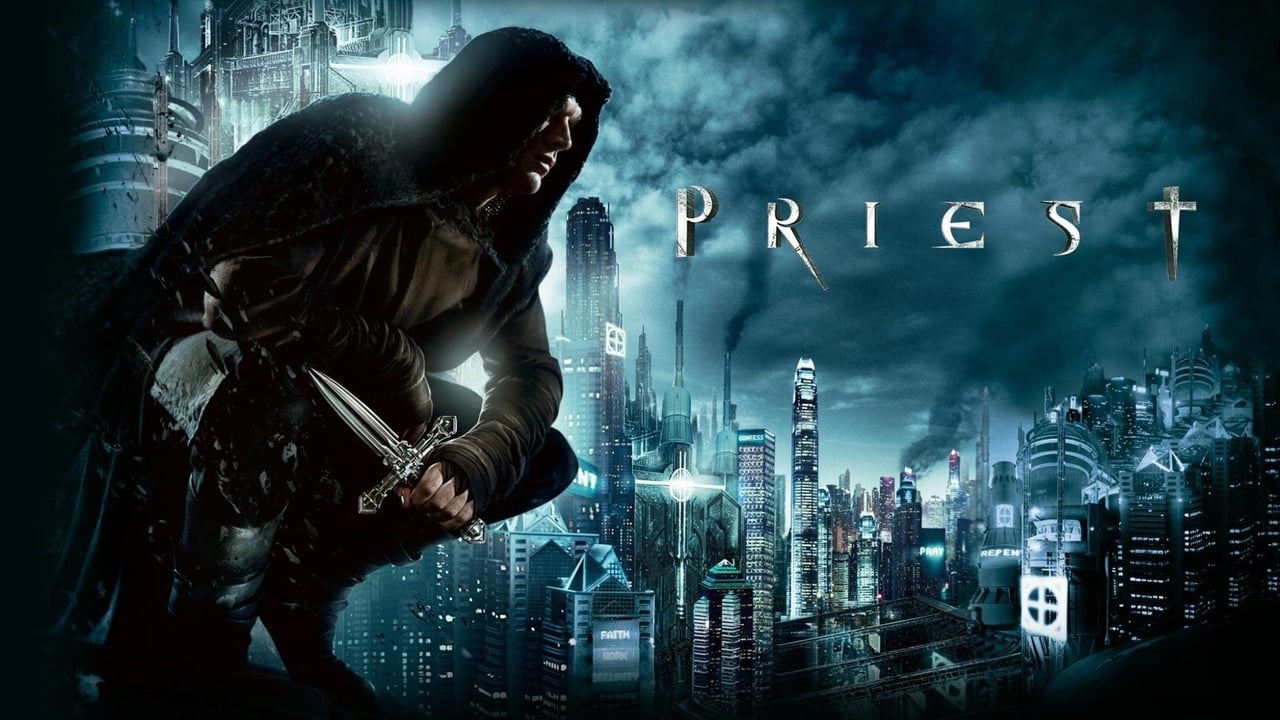
In an era where every blockbuster feels the need to push past the two-and-a-half-hour mark, Priest is a lean, mean, 87-minute anomaly. Directed by Scott Stewart, who previously teamed up with Paul Bettany for the equally "angel-with-a-shotgun" themed Legion (2010), this is a movie that knows exactly what it is. It’s a Gothic-Western-Kung-Fu-Horror mashup that doesn’t waste time on pesky things like "character arcs" or "logical world-building." Instead, it gives us a world where humanity has retreated into walled cities governed by a Church that looks like it was designed by a committee of George Orwell and H.R. Giger.
Paul Bettany is the titular Priest, a man who traded his humanity for the ability to kick vampire teeth down their throats. Bettany has always been an actor who carries himself with a certain Shakespearean weight, even when he’s fighting a CGI hive-mind on top of a speeding train. He treats the material with a dead-serious grimace that almost—almost—makes you believe in the theology of throwing-stars shaped like crucifixes. He’s joined by Maggie Q (of Nikita fame) as a fellow Priestess and Cam Gigandet as a wasteland sheriff who seems to be in a different, much more frantic movie than everyone else.
Eyeless Horrors and Digital Dust
What struck me most on a rewatch is the creature design. In 2011, the "CGI Revolution" was in a precarious spot. We were moving away from the tactile grime of the 90s into the hyper-smooth digital sheen of the 2010s. The vampires here aren’t the romantic, caped aristocrats of old or the sparkly teens of Twilight (2008). They are pale, eyeless, amphibious-looking beasts that dwell in the dark. It was a bold choice to strip the antagonists of any human expression, relying instead on the animation teams at ILM and Sennari Interactive to convey menace through twitchy, insectoid movement.
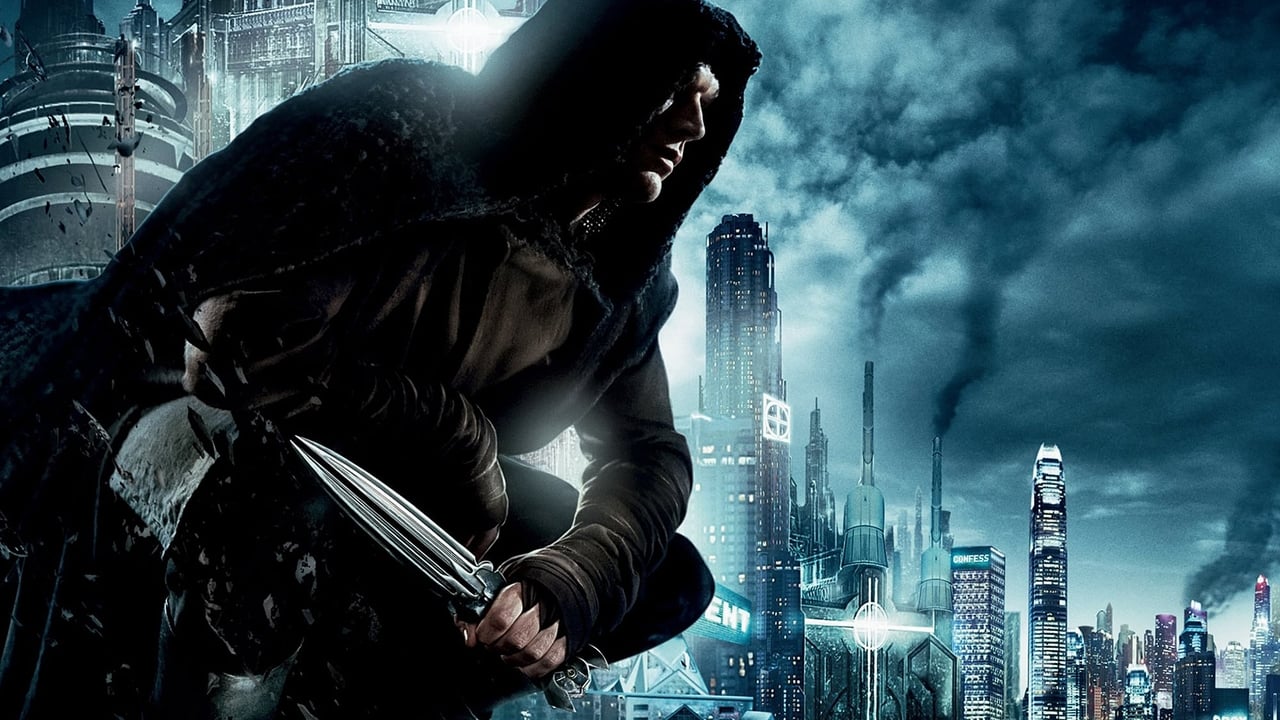
The horror here isn't about psychological dread; it’s about the "jump-scare-in-a-dark-cave" mechanics that dominated the early 2000s. While some of the digital backgrounds look like they were pulled from a mid-tier PlayStation 3 game, the lighting—handled by cinematographer Don Burgess (who shot Forrest Gump and Cast Away)—is surprisingly sophisticated. He uses shadows to hide the budget and silhouettes to emphasize the Western tropes. The film is essentially a remake of John Ford's The Searchers (1956), just replacing the Comanches with mutated bloodsuckers and the horses with solar-powered bikes.
The Cult of the Misunderstood Manhwa
The journey of Priest from the page to the screen is a classic tale of Hollywood "adaptation." It’s based on a Korean manhwa by Min-Woo Hyung, but fans of the comic were baffled to find that the movie jettisoned almost everything about the source material. The comic was a supernatural horror set in the 1800s; the movie is a post-apocalyptic sci-fi. This disconnect, combined with a 3D conversion that delayed the film for nearly a year, led to its lukewarm box office reception.
However, the film has found a second life as a cult oddity. I think it’s because of Karl Urban. Playing the villainous "Black Hat," Urban is clearly having the time of his life. He’s a former Priest who has been turned into a "human-vampire hybrid," and he plays it like a dark mirror of Indiana Jones gone through a goth phase. Apparently, Urban took the role specifically because he was a fan of the genre, and his performance is the only thing that keeps the movie from drifting into total humorlessness.
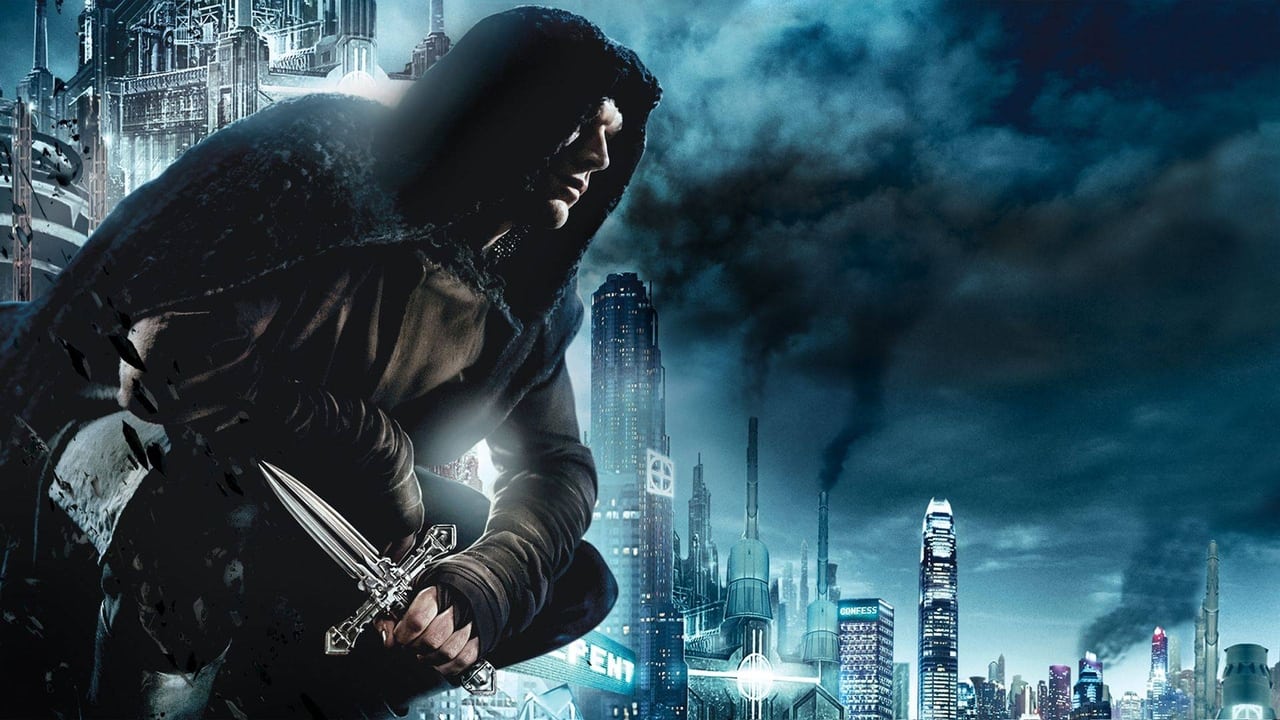
There’s also a wealth of "what-if" trivia here. At one point, Gerard Butler and Andrew Douglas were attached to the project. Imagine a version of this with the 300 (2006) energy—it probably would have been louder, but I doubt it would have been as strangely atmospheric as what Scott Stewart delivered. The film also features a brief, pre-megastardom appearance by Lily Collins, who spends most of the movie as a MacGuffin in a cage.
If you’re looking for a profound meditation on faith and the fallout of war, you’re in the wrong desert. But if you want to see Paul Bettany jump forty feet in the air to blow up a vampire with a silver-nitrate grenade while Christopher Young’s orchestral score blares in the background, this is your Sunday afternoon sorted. It’s a stylish, fleeting bit of 2011 "cool" that doesn't overstay its welcome. Grab a drink, ignore the logic gaps, and enjoy the sight of Karl Urban chewing on the scenery with those prosthetic fangs.
Keep Exploring...
-

Legion
2010
-
Abraham Lincoln: Vampire Hunter
2012
-
Underworld: Awakening
2012
-

Blade II
2002
-
Hansel & Gretel: Witch Hunters
2013
-
Dracula Untold
2014
-

Underworld: Blood Wars
2016
-
The Covenant
2006
-
Pandorum
2009
-
Underworld: Evolution
2006
-
Ghost Rider
2007
-

10,000 BC
2008
-
The Mummy: Tomb of the Dragon Emperor
2008
-
Night at the Museum: Battle of the Smithsonian
2009
-
Prince of Persia: The Sands of Time
2010
-
The Sorcerer's Apprentice
2010
-
Sucker Punch
2011
-
Thor
2011
-

Wrath of the Titans
2012
-

47 Ronin
2013