Real Steel
"Rock ’em, Sock ’em, and actually feel something."
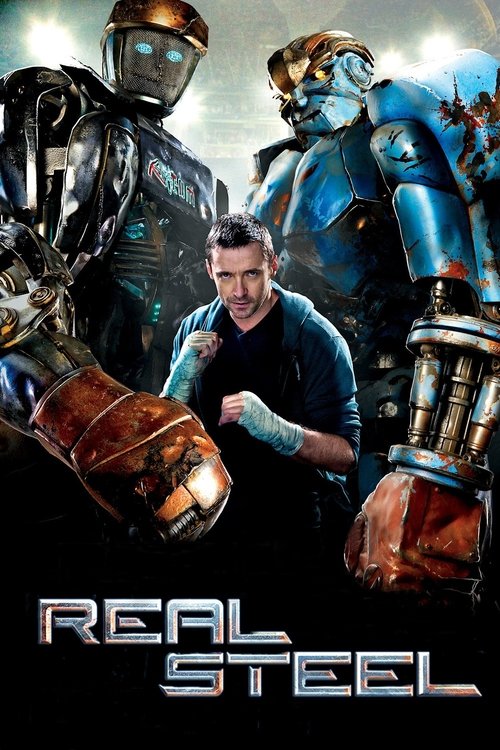
The first time I saw a 2,000-pound robot get its head punched off in Real Steel, I didn't think about the physics of hydraulic fluid or the probability of a remote-controlled future. I thought about the sound. There is a specific, bone-rattling clank in this movie—a mechanical groan that feels like a freight train hitting a skyscraper—that separates it from the weightless, digital clutter we’ve grown accustomed to in modern blockbusters.

I actually revisited this on a scratched DVD I found in a bargain bin at a closing Blockbuster years ago. The disc had a suspicious smudge that looked like a thumbprint made of nacho cheese, and every time the robot "Noisy Boy" entered the ring, the player made a whirring sound that matched the onscreen action. It was immersive in the worst, most wonderful way possible.
Practical Magic in a Digital Age
Released in 2011, Real Steel arrived at a fascinating crossroads of cinematic technology. We were well into the "CGI-can-do-anything" era, yet director Shawn Levy (now a household name thanks to Stranger Things and Deadpool & Wolverine) made a choice that keeps this film looking better than most $200-million Marvel entries today. He built the damn robots.
Well, some of them. By employing Legacy Effects—the spiritual successors to Stan Winston’s creature shop—the production created full-scale, animatronic versions of the mechanical brawlers. When Hugh Jackman’s Charlie Kenton leans against the rusted frame of Atom, he’s touching real metal. That physical presence anchors the film. You can see the grime in the joints and the flickering LED eyes that don't just feel like a post-production glow. It’s a bridge between the tactile animatronics of the 90s and the motion-capture fluidity of the 2010s. Speaking of motion capture, they actually brought in boxing legend Sugar Ray Leonard to choreograph the fights, ensuring these machines moved with the heavy, calculated grace of real heavyweights rather than floaty video game characters.
A Deadbeat Dad and a Sentient Scrap Heap
The plot is, let’s be honest, basically a father-son therapy session with more hydraulic fluid. It’s The Champ meets Over the Top, and it leans into those tropes with zero apologies. Hugh Jackman plays Charlie Kenton, a former human boxer who is—at least for the first forty minutes—an absolute garbage human being. He’s a deadbeat who literally "sells" his estranged son, Max (Dakota Goyo), to his wealthy aunt for enough cash to buy a new robot. It’s a bold, borderline-unlikable start for a protagonist, but Jackman’s natural charisma keeps you from turning the TV off.
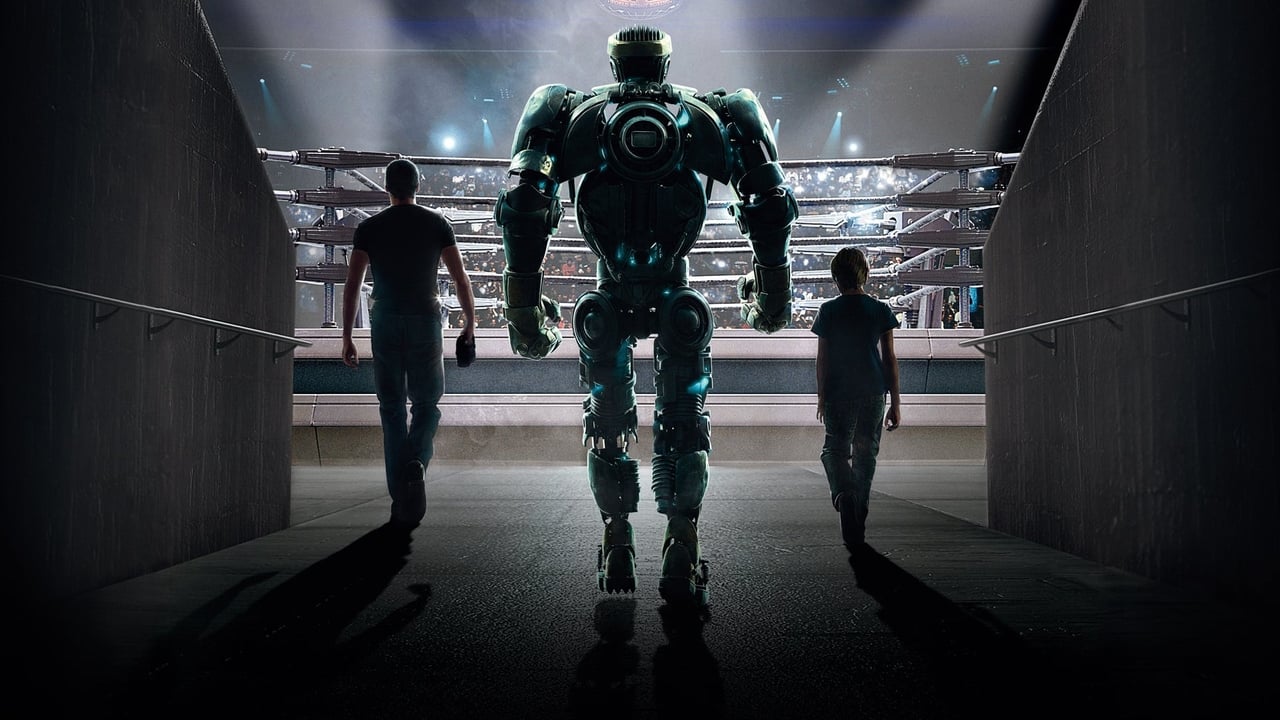
Dakota Goyo manages to avoid the "annoying movie kid" trap by playing Max with a cynical, sharp-edged intelligence that mirrors his father’s. The chemistry works because the movie doesn't force them to like each other immediately. They bond over the shared language of the underdog, embodied by Atom, a "G2" sparring bot they dig out of a scrap heap. There’s a long-standing fan theory that Atom is actually sentient—that he understands Max’s instructions—and the film plays with this beautifully through lingering shots of the robot’s "face" reflecting the humans around him.
The Grime and the Glory
What I appreciate most about Real Steel in retrospect is how it handles its world-building. This isn't a shiny, Star Trek future. It’s the "five minutes from now" aesthetic where the tech is advanced but the world is still dusty, broke, and smelling of diesel. Anthony Mackie pops up as a fast-talking underground fight promoter, and Kevin Durand (doing his best "menacing guy you want to see punched") plays a rival who feels like he stepped out of a gritty 70s sports flick. Even Evangeline Lilly, as the daughter of Charlie’s former coach, brings a grounded, weary heart to the proceedings.
The film’s soundtrack, composed by Danny Elfman, is surprisingly soulful, though it’s the needle drops—like the Crystal Method or Eminem—that really place it in that specific 2011 cultural pocket. It was a time when we still thought the "underdog sports story" could be saved by a few gears and a well-timed power ballad.
The Cult of the Underdog
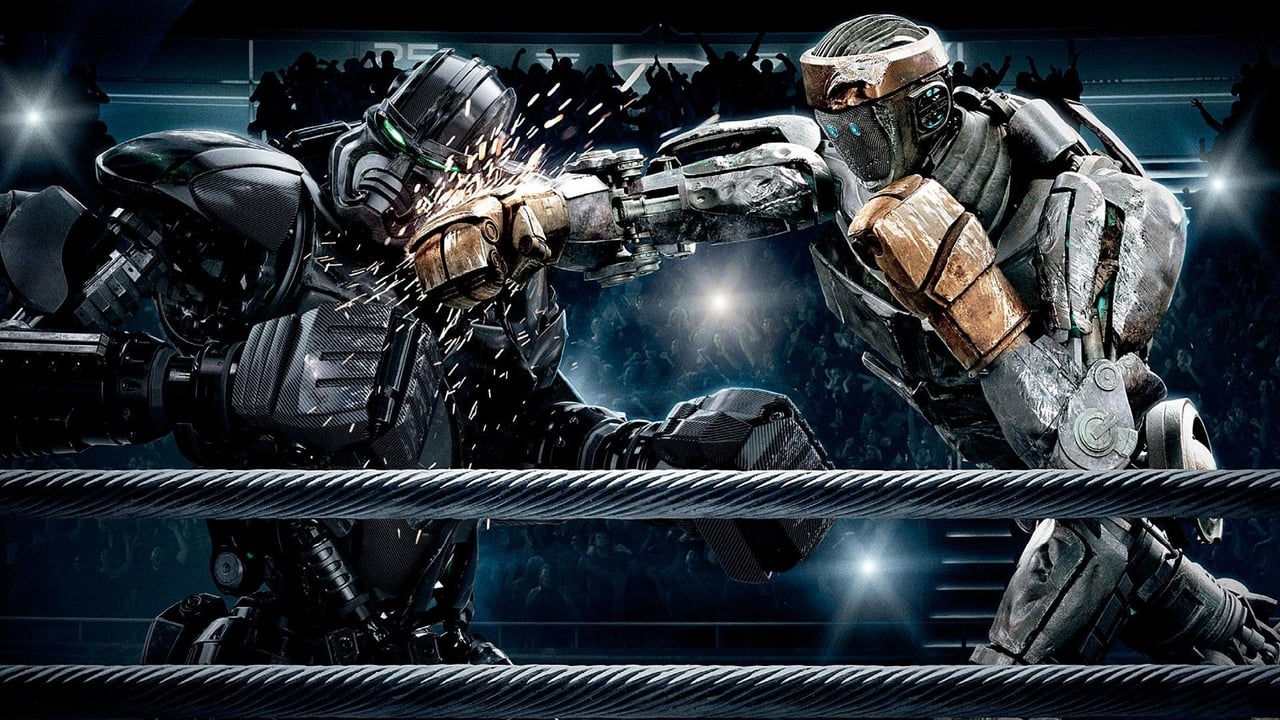
While it was a modest success at the box office, Real Steel has spent the last decade morphing into a genuine cult classic. It’s the movie that everyone seems to stop on when it’s playing on a hotel TV. It didn't launch a massive "Real Steel Cinematic Universe," which, in hindsight, is probably why we still like it so much. It’s a self-contained story about a guy learning not to be a jerk, told through the medium of giant robots punching each other’s lights out.
The climactic fight against Zeus—the sleek, corporate-funded "Death Star" of the robot boxing world—is a masterpiece of action pacing. When Charlie has to step in and shadow-box to guide Atom because the tech has failed, it’s cheesy as all hell, but I defy you not to feel a slight prickle of excitement. It’s the human element reasserting itself in a world of machines.
If you haven't revisited this one since the early 2010s, it’s worth the trip back. It’s a reminder that even the most formulaic "blockbuster" can be elevated by incredible practical effects, a committed lead performance, and a willingness to let its metal heroes have a little bit of soul. It’s a loud, clanging, heartfelt brawler that knows exactly what it is. It doesn't need to be deep when it hits this hard.
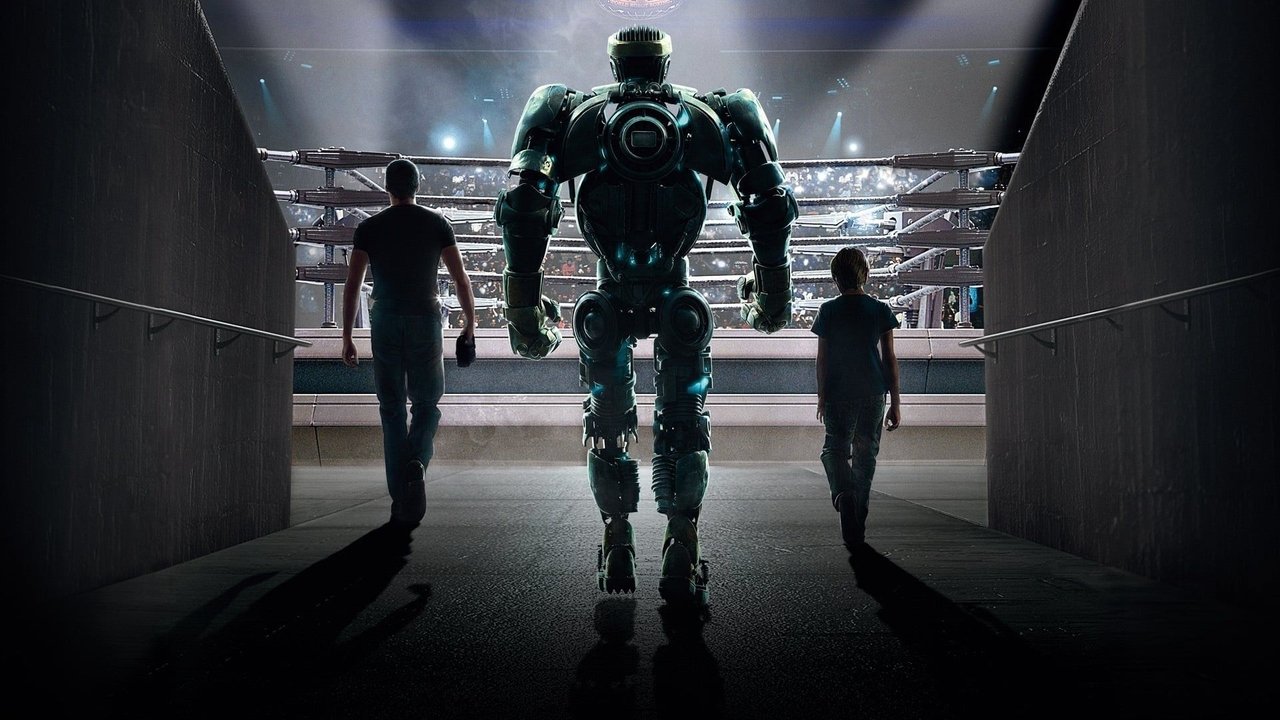
Keep Exploring...
-
Elysium
2013
-

X-Men: The Last Stand
2006
-
X-Men: Days of Future Past
2014
-

Children of Men
2006
-
Night at the Museum: Battle of the Smithsonian
2009
-

Date Night
2010
-

The Fountain
2006
-

X-Men Origins: Wolverine
2009
-

Snowpiercer
2013
-
I Am Number Four
2011
-
Rise of the Planet of the Apes
2011
-
Gangster Squad
2013
-

Dawn of the Planet of the Apes
2014
-
Godzilla
2014
-
The Wolverine
2013
-
Batman: The Dark Knight Returns, Part 1
2012
-

Batman: The Dark Knight Returns, Part 2
2013
-
Blood Diamond
2006
-

Night at the Museum
2006
-

The Fast and the Furious: Tokyo Drift
2006