Red Riding Hood
"A crimson cloak, a silver secret, and a very hungry wolf."

In 2011, the shadow of Twilight loomed so large over Hollywood that you couldn’t throw a stone without hitting a brooding supernatural teenager. It was the era of "dark" reimaginings, and director Catherine Hardwicke—fresh off the seismic success of the first Twilight—was the natural choice to give the Brothers Grimm a high-fashion, high-gloss makeover. Looking back at Red Riding Hood, I’m struck by how much it serves as a time capsule for that specific, hyper-stylized moment in cinema. It’s a film that wants to be a gothic horror mystery, a romantic melodrama, and a proto-feminist fable all at once, and while it doesn’t quite stick the landing on any of them, it’s a fascinatingly weird artifact of the early 2010s.

I watched this recently on a Tuesday evening while eating a bowl of cold cereal because my microwave had just given up the ghost, and honestly, the slight gloom of my kitchen matched the movie’s aesthetic perfectly.
A Soundstage Fairy Tale
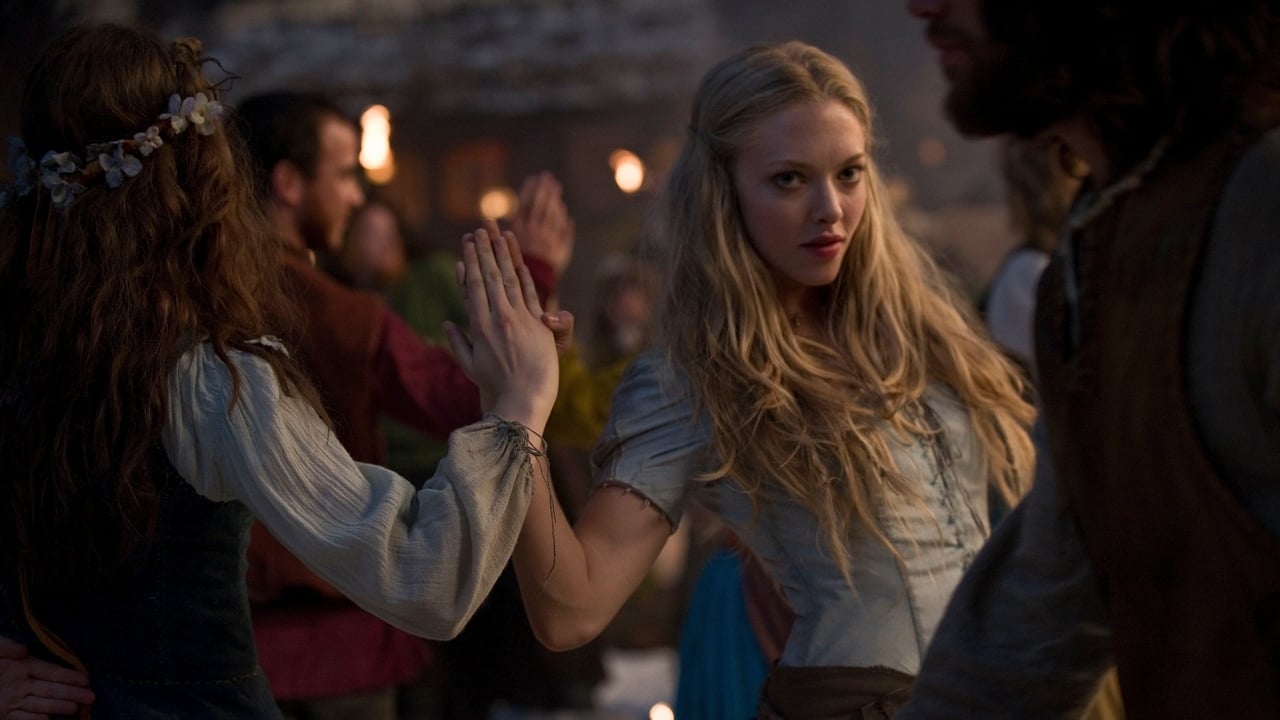
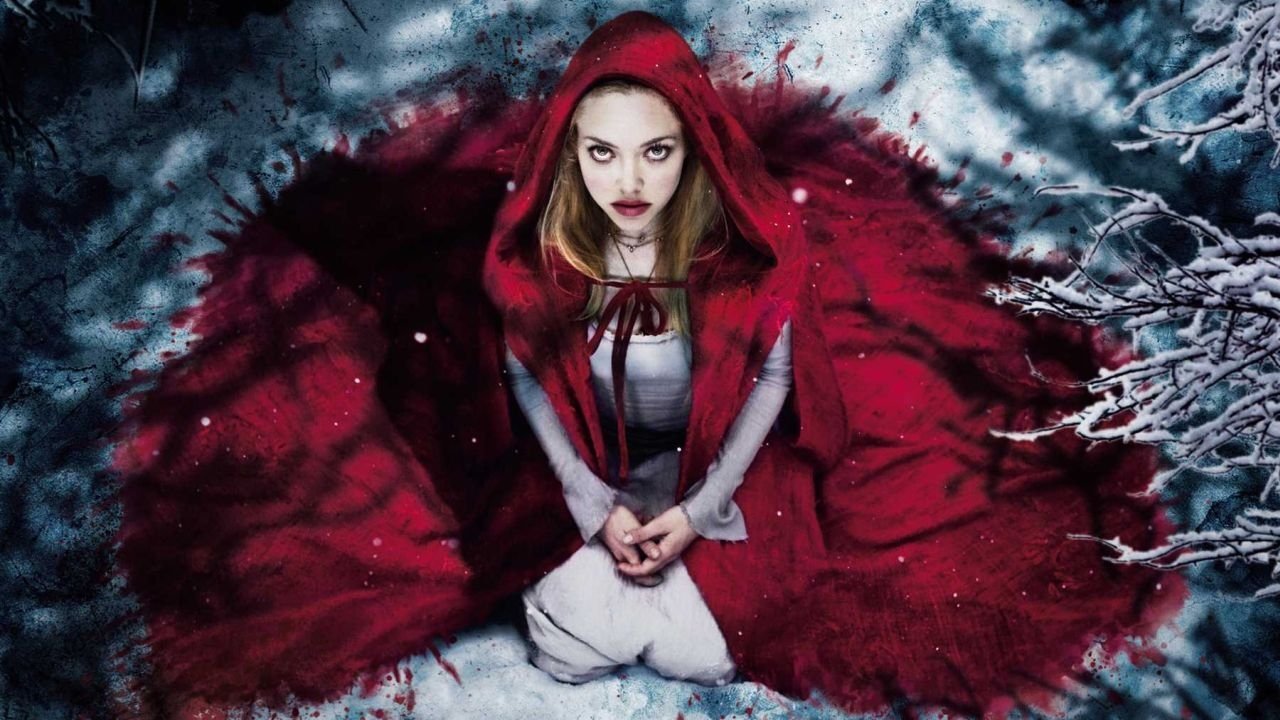
The first thing you notice about Red Riding Hood is that it looks like a million bucks, even if most of those bucks were spent on red fabric and fake snow. The production design is heavily reliant on soundstages, which gives the village of Daggerhorn a strange, claustrophobic, and entirely artificial feel. It’s not "realistic" in the slightest, but it captures a storybook quality that I actually find quite charming. Mandy Walker’s cinematography (who later did incredible work on Elvis) pops with high-contrast whites and that iconic, vibrant crimson cloak.
Amanda Seyfried stars as Valerie, and with those massive, expressive eyes, she was born to play a fairy-tale protagonist. She’s caught in a classic YA love triangle between Peter (Shiloh Fernandez), the brooding woodcutter, and Henry (Max Irons), the wealthy blacksmith’s son. It’s standard fare, but the film adds a "whodunnit" layer: one of the villagers is a werewolf. The tension isn't just about who she’ll kiss, but who might eat her grandmother.
Gary Oldman and the Iron Elephant
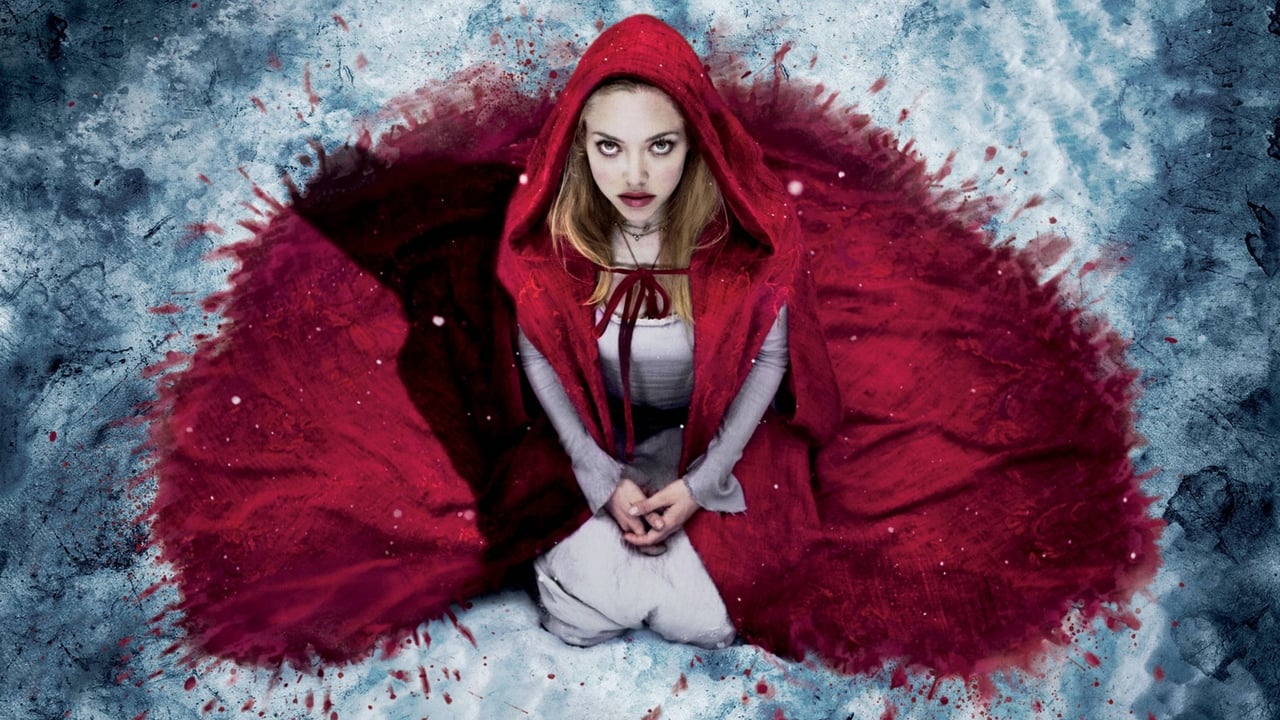
The film shifts gears significantly when Gary Oldman arrives as Father Solomon. While everyone else is acting in a teen romance, Gary Oldman is playing a Shakespearean villain in a different, much more expensive movie. He arrives with a giant, mechanical bronze elephant that doubles as a torture chamber, which is exactly the kind of unhinged production detail that makes a cult classic. Oldman is chewing the scenery with such gusto that you almost expect him to swallow the sets whole. He brings a level of intensity that the script doesn’t always deserve, but I was thankful for every second he was on screen.
Then there’s the werewolf. In 2011, we were right in the thick of the transition where CGI was becoming the default for creature features. The wolf here—produced under Leonardo DiCaprio’s Appian Way banner—is a massive, black-furred beast that looks… fine. The werewolf looks like a disgruntled rug that somehow gained sentience and a gym membership. It lacks the tactile terror of the practical effects seen in An American Werewolf in London, but for the era, it’s a decent attempt at a digital monster. The mystery of the wolf’s identity is actually the film’s strongest hook, even if the "Unique Connection" Valerie shares with the beast feels a bit like a recycled plot point from Hardwicke’s previous work.
The Home Video Legacy
Interestingly, Red Riding Hood found a much longer life on DVD and Blu-ray than it did in theaters. This was the tail end of the "Special Feature" gold mine, and the home release famously included an "Alternate Ending" that changed the identity of the killer. It was a clever marketing ploy aimed at the burgeoning online fanbases that loved to dissect every frame.
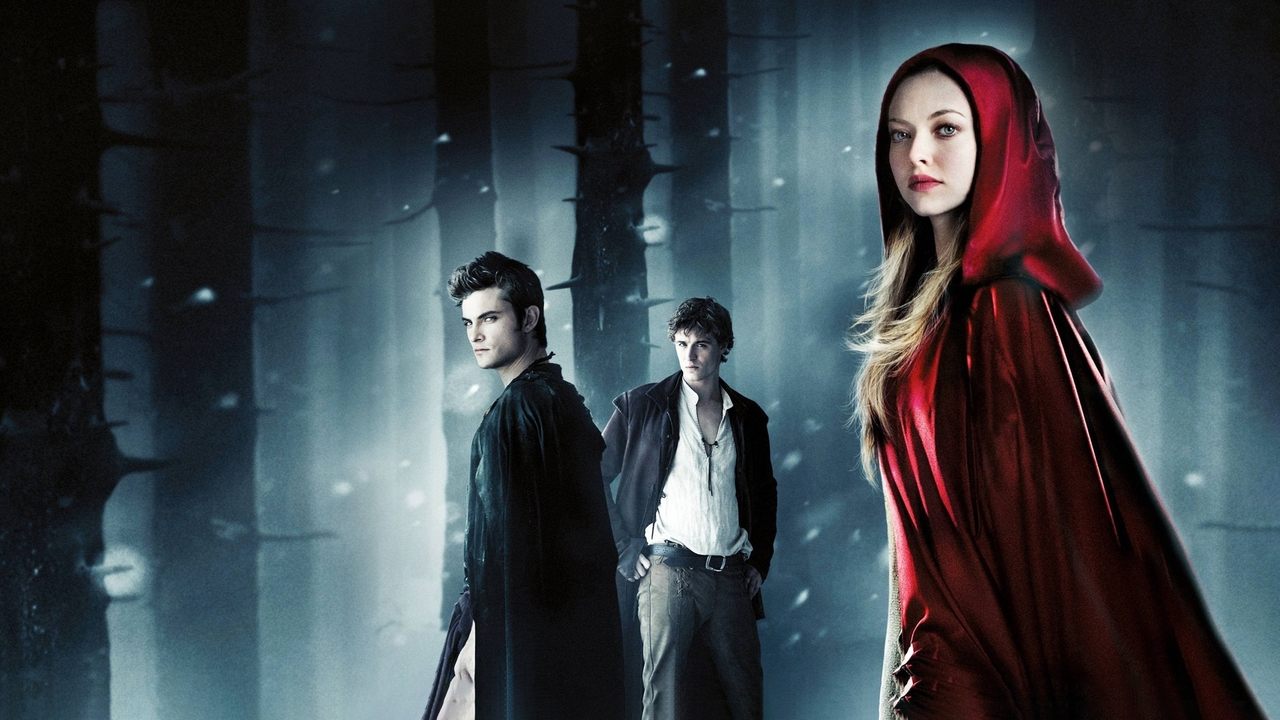
The film also benefits from a surprisingly great supporting cast. Julie Christie—yes, that Julie Christie from Doctor Zhivago—shows up as the Grandmother, adding a layer of gravitas that the movie desperately needs. And Billy Burke, who played the long-suffering Charlie Swan in Twilight, returns to the "worried father" role here with practiced ease. There’s a sense of "before they were famous" curiosity too; seeing Max Irons and Shiloh Fernandez navigate the heartthrob expectations of 2011 is a fun retrospective exercise.
Ultimately, Red Riding Hood is a film of its time. It’s got all the hallmarks of the post-9/11 "dark fairy tale" trend—anxiety about the enemy within, a moody color palette, and a soundtrack that features Brian Reitzell and Fever Ray to ensure the kids know it’s "cool." It’s not a masterpiece of horror, and the romance is as thin as the paper the script was printed on, but as a piece of atmospheric kitsch, it’s surprisingly watchable. If you’re in the mood for a movie that feels like a 100-minute music video for a band you liked in high school, you could do much worse.
Keep Exploring...
-
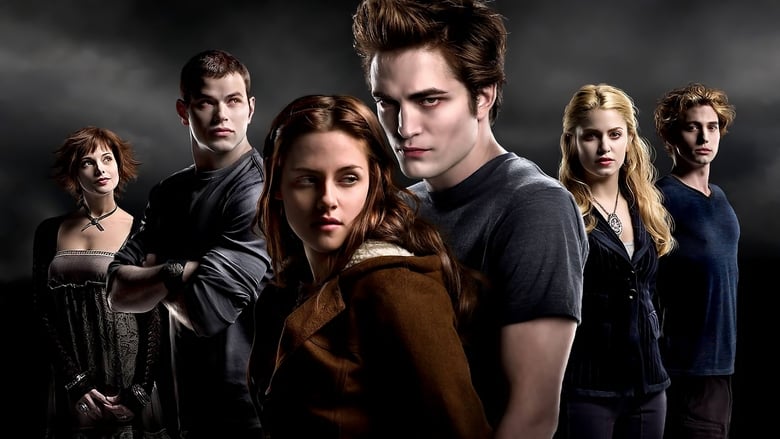
Twilight
2008
-
Untraceable
2008
-
The Skeleton Key
2005
-
Passengers
2008
-
Case 39
2009
-
Chloe
2010
-
After.Life
2009
-
Rubber
2010
-
Winter's Tale
2014
-
Pandorum
2009
-
The Time Traveler's Wife
2009
-
Devil
2010
-
Beastly
2011
-
The Rite
2011
-
Upside Down
2012
-
Oldboy
2013
-

Trance
2013
-
A Walk Among the Tombstones
2014
-

The Gift
2000
-
Original Sin
2001