Return
"Home is the hardest place to find."

Linda Cardellini has a way of looking at a half-empty refrigerator that feels like a heart attack. There is a specific, quiet desperation in her eyes that most actors would overplay with a grand monologue, but in Return, she just lets the hum of the kitchen appliances do the talking. I watched this film on a Tuesday afternoon while ignoring a pile of laundry that had reached sentient height, and by the end, the laundry and I were both sitting in a heavy, reflective silence.
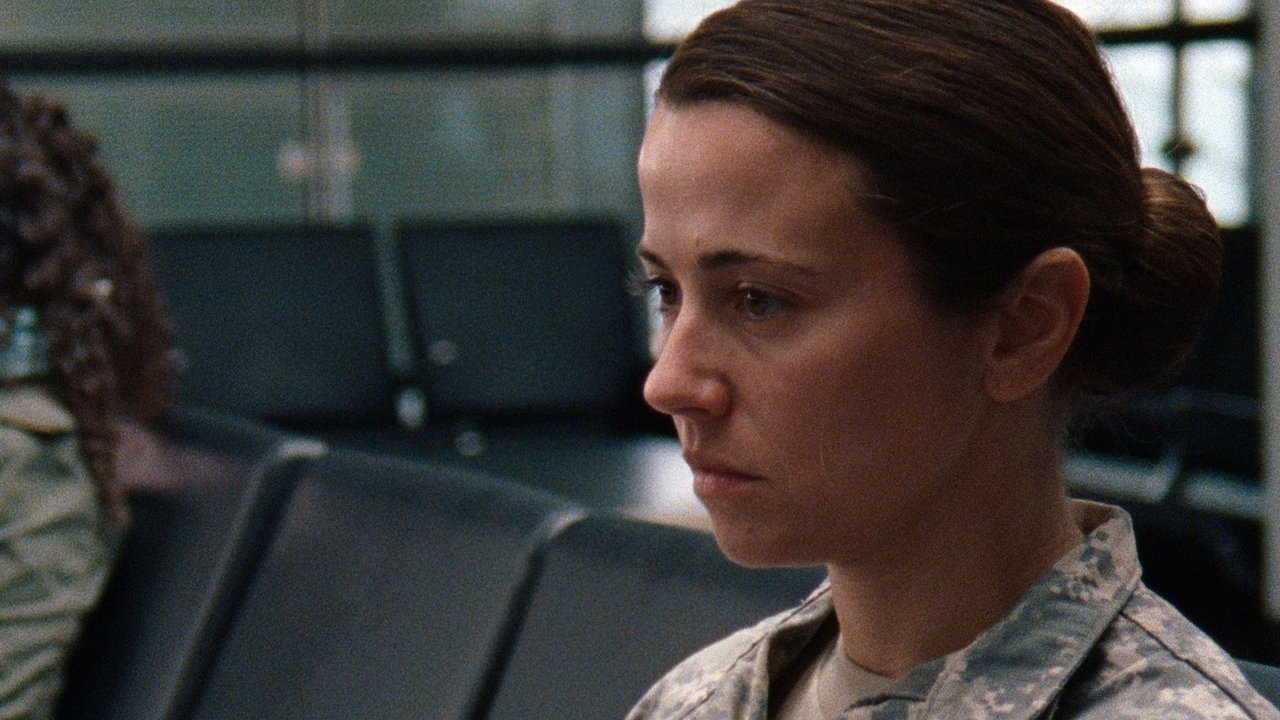
This isn't your typical "soldier comes home" Oscar-bait. There are no soaring scores or flag-waving parades. Instead, director Liza Johnson gives us the rust-belt reality of a woman named Kelli who steps off a bus and realizes her life has continued without her, like a song that kept playing after she took off the headphones.
The Ghost in the Kitchen
In the landscape of 1990-2014 cinema, we saw a massive shift in how war was portrayed. After the initial shock of 9/11, the movies eventually moved away from the bombastic heroism of the '90s and into a more jagged, internal space. Return belongs to that intimate "Indie Renaissance" where digital cameras finally became small enough to crawl into a character's personal space. This is a film about the "aftermath" that happens in grocery store aisles and at stagnant factory jobs.
Linda Cardellini (who I will forever defend as one of the most underrated talents of her generation—go watch Freaks and Geeks again) plays Kelli with a haunting stillness. She’s back from an unspecified tour of duty, and she’s trying so hard to be "normal" that it’s physically painful to watch. She’s surrounded by people who want her to be the person she was before, especially her husband, Mike, played by the always-magnetic Michael Shannon.
Watching Michael Shannon play a relatively "normal" guy is actually more terrifying than when he’s playing a zealot or a villain. Here, he’s just a man who doesn't know how to bridge the gap. He’s move-on-ready, while Kelli is still stuck in the transition. The chemistry—or rather, the lack of it—is stiflingly authentic. You can feel the air leaving the room every time they try to have a conversation that isn't about the kids or the car.
Rust-Belt Realism and Digital Grit
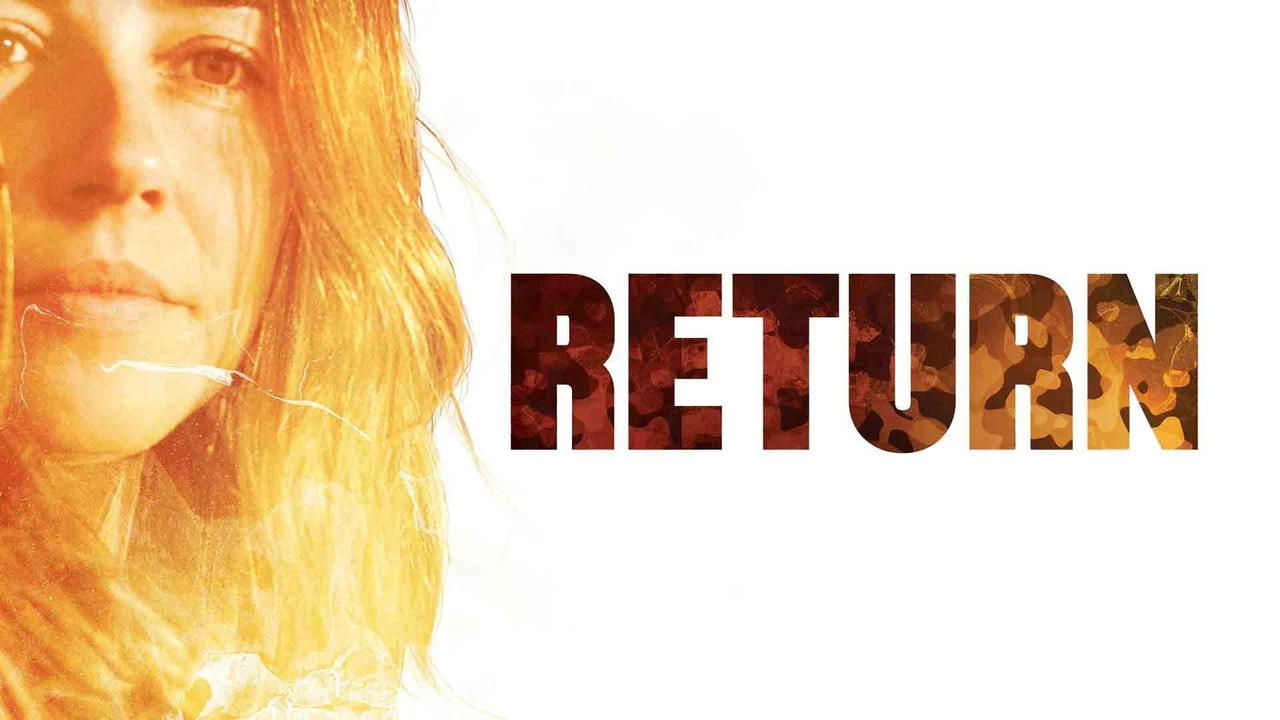
The film’s aesthetic screams 2011 indie. Shot on what feels like the cusp of the digital revolution really finding its soul, the cinematography by Anne Etheridge captures the grey, damp textures of a town that’s seen better days. It’s a "rust-belt" drama in the truest sense; everything looks like it’s been sitting in the rain for a decade.
When John Slattery (of Mad Men fame) shows up as Bud, a fellow veteran, the movie finds its heartbeat. Slattery brings that effortless, silver-fox charm, but it’s tainted with the same "thousand-yard stare" that Kelli is trying to hide. Their scenes together are the only moments where Kelli seems to breathe, yet even those are laced with a sense of impending doom. It’s a reminder that sometimes the only people who can understand you are the ones who are just as broken as you are.
The script, also by Liza Johnson, is remarkably disciplined. It trusts the audience. It doesn't explain what Kelli saw "over there." It doesn't need to. We see it in the way she reacts to a loud noise or the way she looks at her kids like they’re beautiful strangers. It’s a masterful exercise in restraint that makes the eventual cracks in her facade feel earned rather than manufactured.
The Survival of a "Forgotten" Gem
Despite its pedigree, Return was a ghost at the box office, earning less than $9,000. It’s the definition of a "half-forgotten oddity" that deserves a second life on your watchlist. It premiered at Cannes in the Director's Fortnight, but it’s so quiet and unassuming that it easily got lost in the shuffle of louder, flashier dramas.
Cool Details You Probably Didn't Know:
The film was shot in just 20 days on a shoestring budget, mostly in Newburgh, New York, which doubled for a stagnant Midwestern town. Linda Cardellini prepared for the role by interviewing female veterans, specifically focusing on the "invisible" nature of their return compared to male soldiers. The production was backed by Fork Films, a company founded by Abigail Disney that specifically focuses on social issues and female-driven narratives. Despite the grim tone, the cast remained close; John Slattery was reportedly cast because of his ability to pivot between lightness and deep, dark cynicism. At the time of release, critics praised it as a "female counterpart" to The Hurt Locker, though it traded the bombs for the explosive silence of a failing marriage. The film’s lack of a traditional score was a creative choice to emphasize the ambient, often isolating sounds of Kelli's environment.
Return is a film for people who don't mind a story that lingers like the smell of woodsmoke on a jacket. It’s a tough watch at times, mostly because it refuses to give you the "healed" ending that Hollywood usually demands. It’s a snapshot of a specific era of indie filmmaking—raw, honest, and entirely focused on the human face. If you’ve ever felt like a stranger in your own house, this one is going to hit you right in the chest.
I suggest watching this on a quiet evening with the lights low. Just be prepared to look at your own living room a little differently once the credits roll. It’s a haunting reminder that some wars don't end when you leave the battlefield; they just change locations.
Keep Exploring...
-
Mud
2013
-

Revolutionary Road
2008
-

Click
2006
-

Marie Antoinette
2006
-

Poseidon
2006
-
Stranger Than Fiction
2006
-

The Fast and the Furious: Tokyo Drift
2006
-

The Fountain
2006
-
The Illusionist
2006
-
The Lake House
2006
-
August Rush
2007
-
Bridge to Terabithia
2007
-
Gone Baby Gone
2007
-

Hairspray
2007
-

High School Musical 2
2007
-
Shooter
2007
-
The Assassination of Jesse James by the Coward Robert Ford
2007
-

The Darjeeling Limited
2007
-

Milk
2008
-

Never Back Down
2008