Rise of the Planet of the Apes
"A revolution born in a test tube."
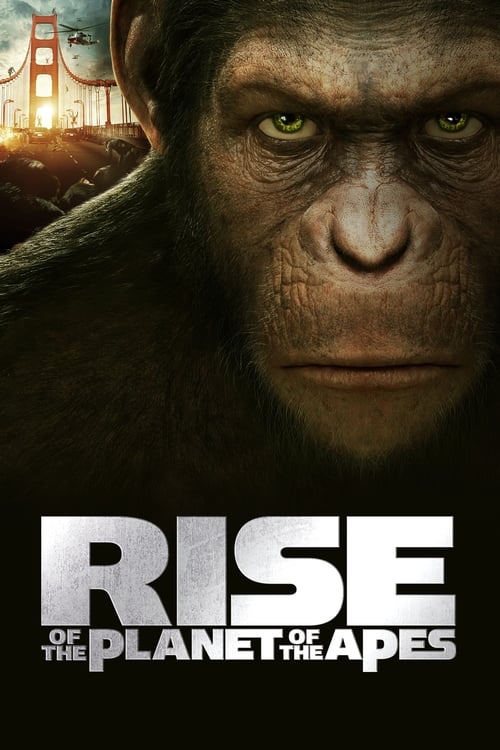
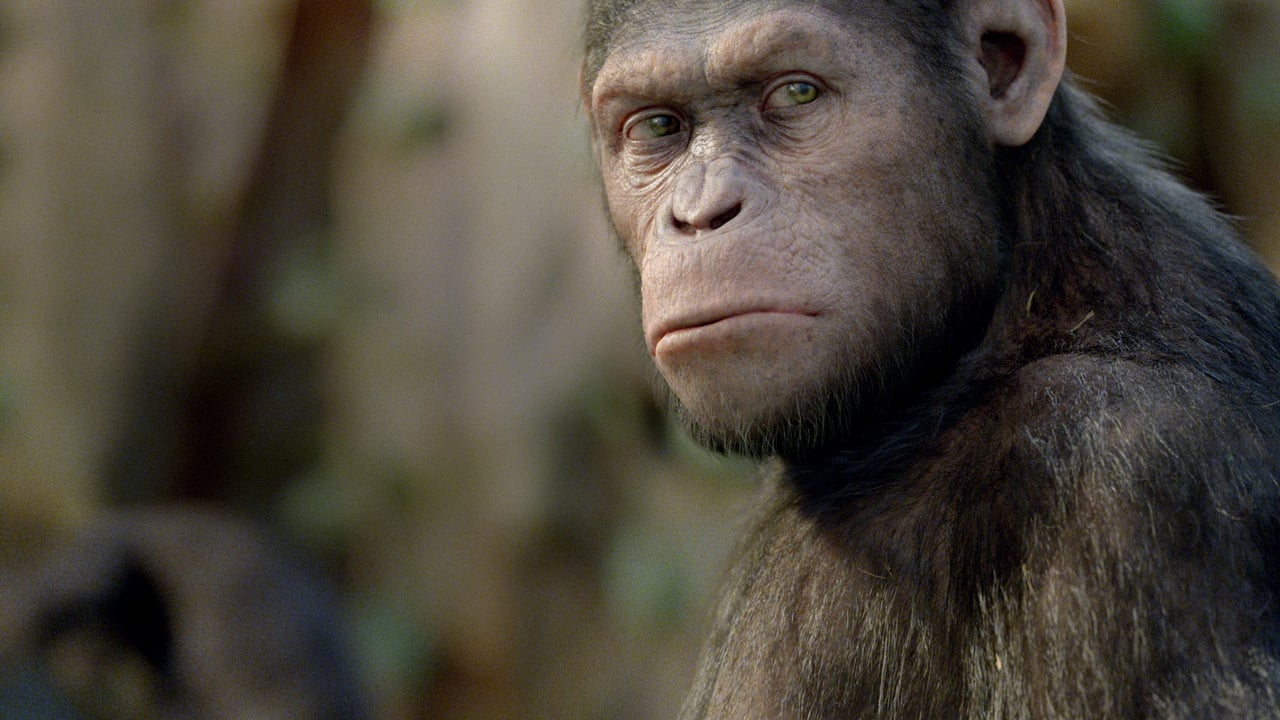
The first time I saw Caesar’s eyes, I genuinely forgot I was looking at a sequence of ones and zeros rendered by a farm of computers in New Zealand. It was 2011, and I was sitting in a theater that smelled faintly of industrial-strength lemon cleaner, nursing a bag of peanut M&Ms that I’d accidentally spilled into the dark abyss of my seat. I was too engrossed in the screen to even bother fishing them out. We had seen "digital characters" before—Gollum was a marvel, and the Na’vi were blue and tall—but Caesar felt like something else entirely. He felt like a soul trapped in the machinery of a summer blockbuster.
The Ghost in the Machine
Looking back at the early 2010s, Hollywood was in a frantic, often clunky transition. We were moving away from the gritty, "everything must be practical" aesthetic of the mid-2000s and leaning hard into the digital revolution. Some films from this era haven't aged well; their CGI looks like a PlayStation 3 cutscene. But Rise of the Planet of the Apes remains the gold standard because it understood that technology is worthless without a heartbeat.
Andy Serkis (of Lord of the Rings and King Kong fame) isn't just "providing the movements" here. He is delivering a performance of Shakespearean weight. Caesar starts as a curious, sheltered child and evolves into a revolutionary leader fueled by a very human sense of betrayal. The way Rupert Wyatt directs the camera to linger on Caesar’s face—not to show off the hair simulation, but to capture the flicker of intelligence and eventual rage in his pupils—is what makes this work. The movie effectively renders its human lead, James Franco, as a glorified babysitter to a digital masterpiece.
A Laboratory for Hubris
The plot is a tight, remarkably somber tragedy. James Franco plays Will Rodman, a scientist trying to cure Alzheimer’s to save his father, Charles, played with heartbreaking vulnerability by John Lithgow. It’s a classic "don't play God" setup, but it feels grounded in the tech anxieties of the time. This was the era where we started to realize that scientific progress could be a double-edged sword, and the film plays into those post-9/11 anxieties about biological threats and systemic collapse.
When Caesar is eventually sent to a "primate sanctuary" (read: a depressing jail), the tone shifts from suburban drama to a gritty prison break movie. This is where the film earns its "Dark" modifier. The cruelty inflicted by Brian Cox and a particularly sniveling Tom Felton—who was clearly trying to shake off the Draco Malfoy shadow by being even more of a jerk—is hard to watch. It makes the eventual uprising feel not just like an action set piece, but like a moral necessity.
Bridge to the Future
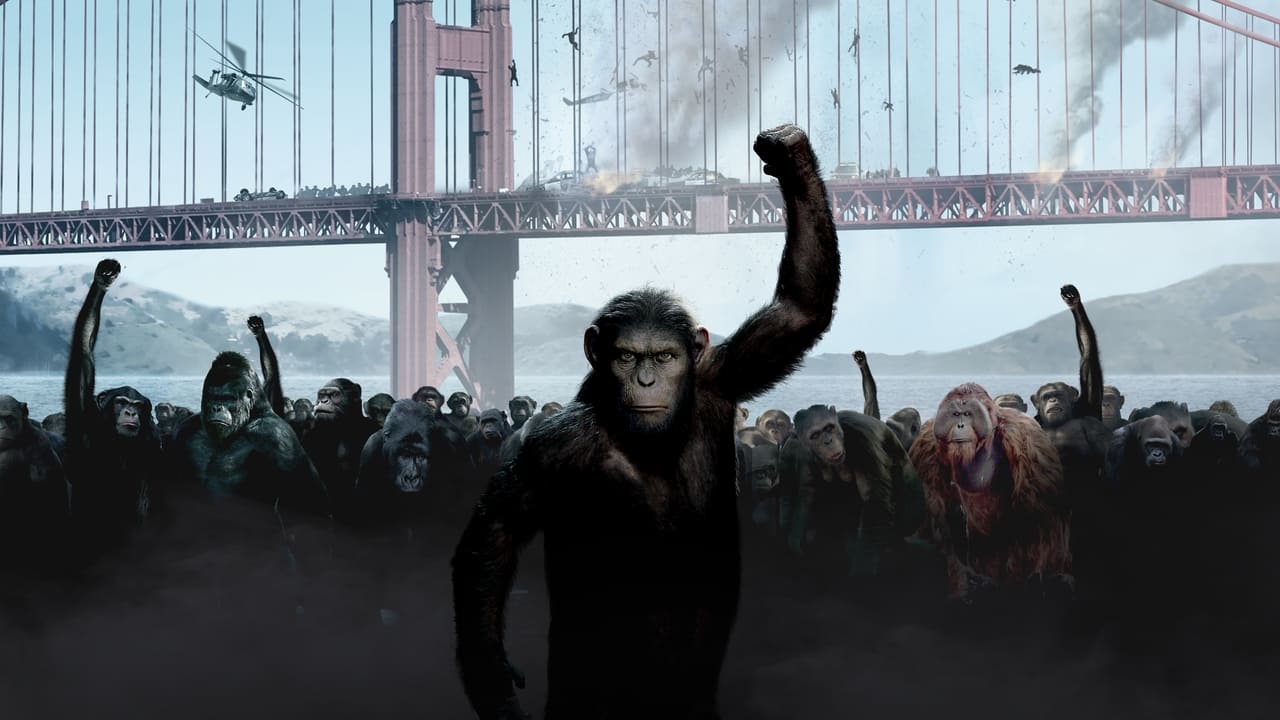
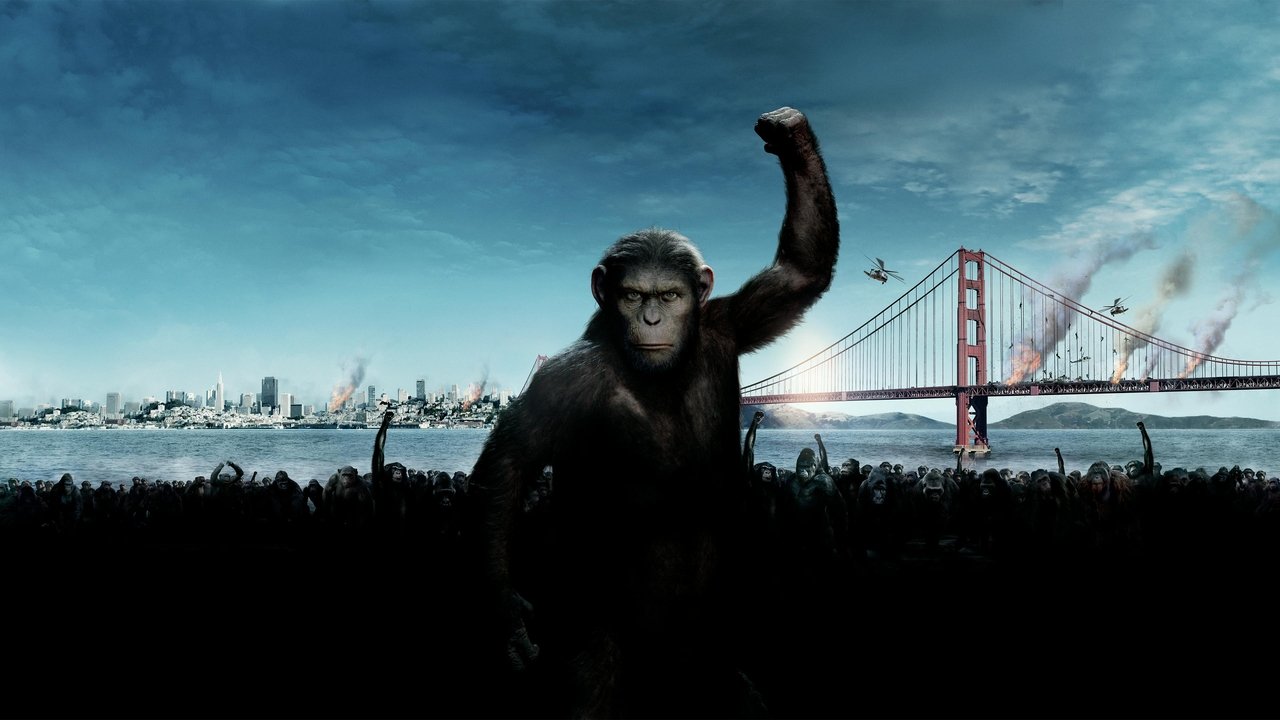
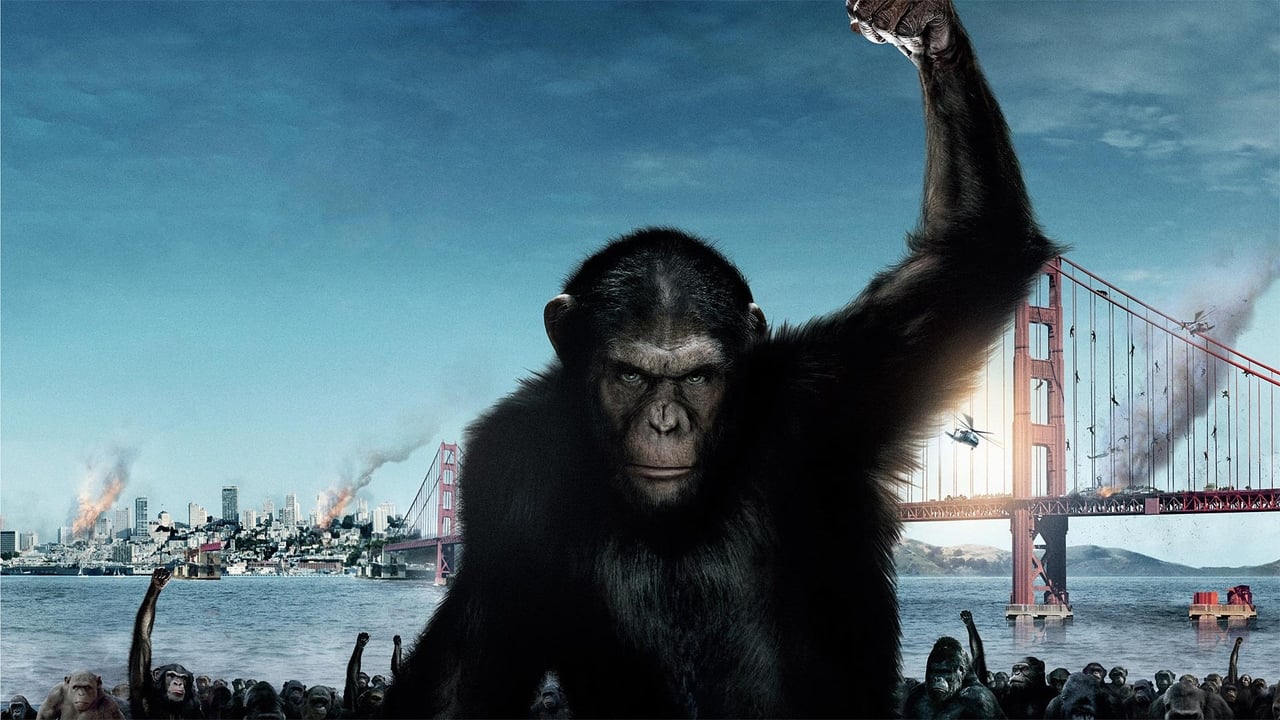
The action choreography in the final act on the Golden Gate Bridge is a masterclass in clarity and momentum. Unlike the "shaky-cam" chaos that infected so many action films after The Bourne Ultimatum, Rupert Wyatt keeps the geography clear. I love how the apes use the environment—the fog, the bridge cables, the tops of buses. It’s physical, heavy action. When a gorilla leaps into a helicopter, you feel the weight of it.
Weta Digital, the team behind the effects, actually developed new portable performance-capture rigs for this film. Before Rise, actors had to be in a controlled studio environment. For this shoot, they took the tech onto the streets of Vancouver (doubling for San Francisco). This allowed the digital apes to interact with real sunlight and physical sets, which is why the movie still looks better than many $200 million Marvel movies released a decade later. It’s the difference between a character living in a scene and a character being pasted onto it.
The Legacy of the "No"
Financially, this was a massive gamble that paid off. With a $93 million budget, it was a "mid-tier" blockbuster by today's standards, but it pulled in over $481 million worldwide. It proved that audiences were hungry for smart sci-fi that didn't rely on capes or spandex. It launched a trilogy that, in my humble opinion, is one of the most consistent and emotionally resonant three-film arcs in cinema history.
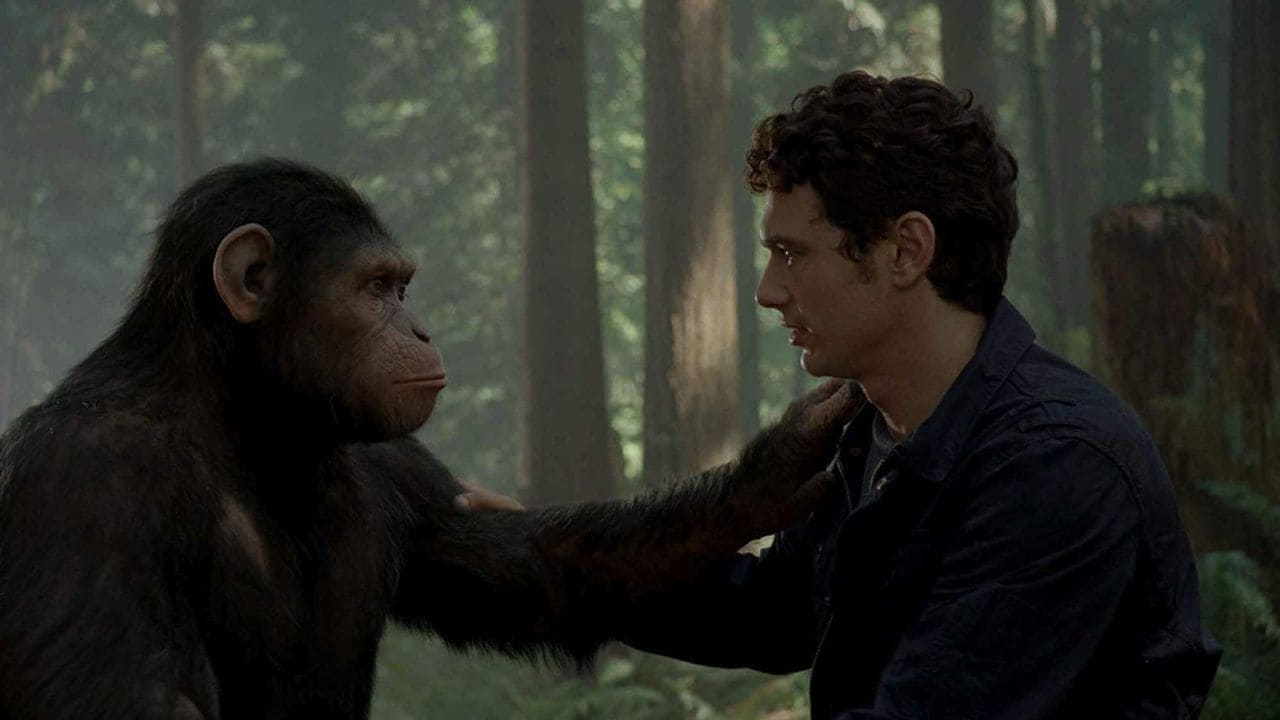
But the moment everyone remembers—the moment that still gives me chills—is Caesar’s first word. In 2011, when he finally shouted "NO!" at Tom Felton, the entire theater gasped. It wasn't just a plot point; it was the sound of the status quo shattering. Looking back, it was the perfect bridge from the analog practical effects of the 20th century to the digital storytelling of the 21st.
This isn't just a "prequel" or a "reboot." It's a thoughtful, intense exploration of what happens when the things we create decide they’ve had enough of us. It treats its subject matter with a gravity that most blockbusters are too afraid to touch. If you haven't revisited it since the DVD era, do yourself a favor: grab some peanut M&Ms (just try not to drop them) and watch a digital chimpanzee out-act half of Hollywood.
---
Keep Exploring...
-
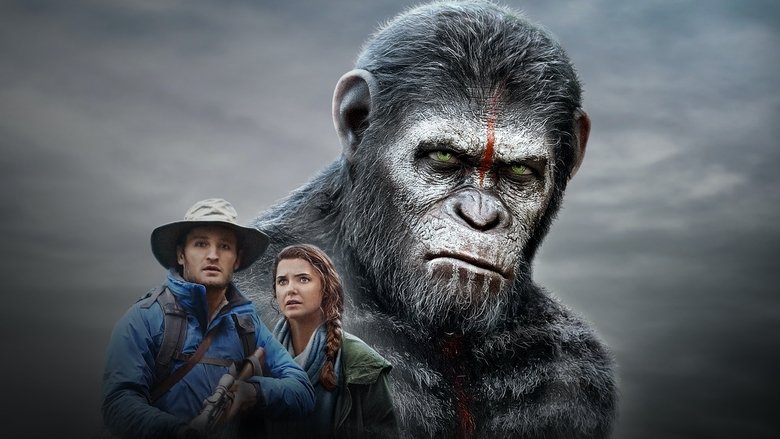
Dawn of the Planet of the Apes
2014
-
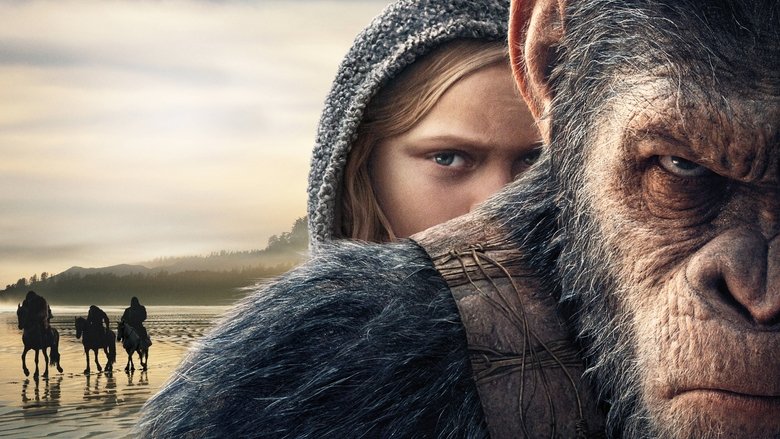
War for the Planet of the Apes
2017
-
Children of Men
2006
-
I Am Legend
2007
-
The Bourne Ultimatum
2007
-
The Hunger Games
2012
-
Gravity
2013
-
The Bourne Identity
2002
-
The Bourne Supremacy
2004
-
Outbreak
1995
-

The Dark Knight Rises
2012
-

Captain Phillips
2013
-
The Maze Runner
2014
-
Terminator 2: Judgment Day
1991
-
Minority Report
2002
-

The Matrix Reloaded
2003
-
Elysium
2013
-
The Fugitive
1993
-
Star Trek: First Contact
1996
-
Blood Diamond
2006