Sanctum
"Fear runs deep when the air runs out."

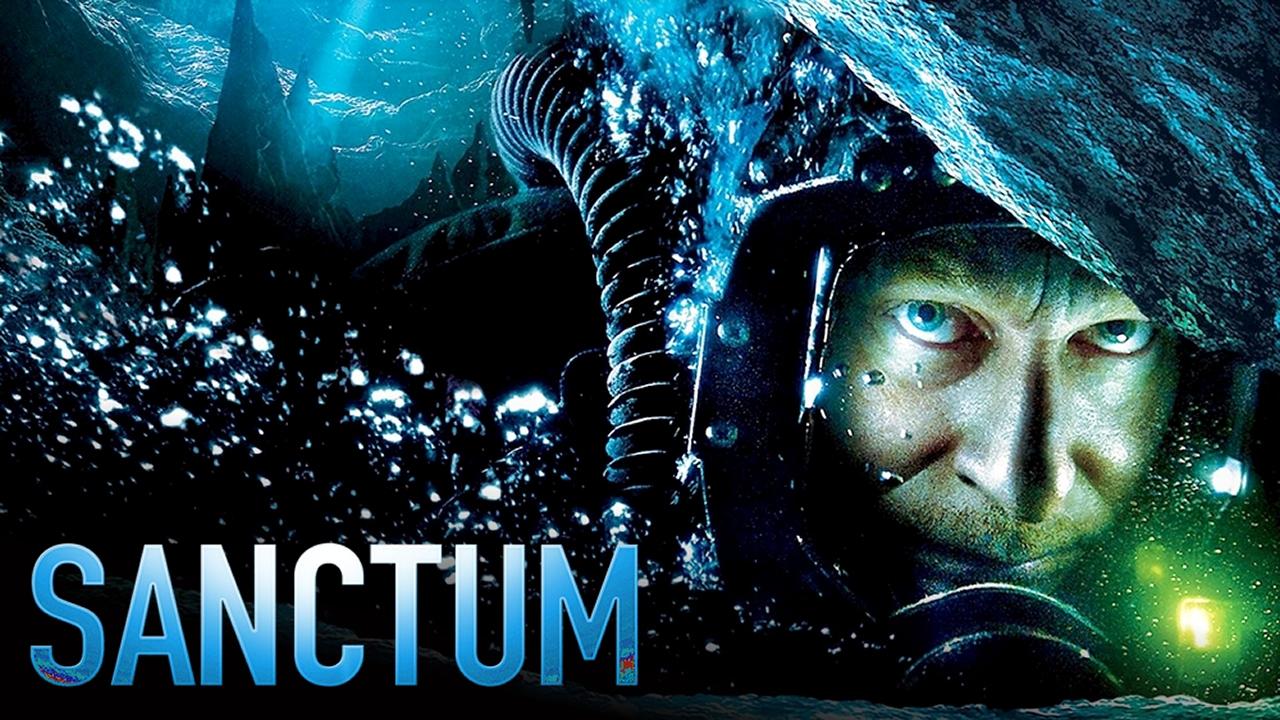
I vividly remember sitting in a theater in early 2011, adjusting those clunky, plastic 3D glasses that always seemed to have a smudge right over the left eye. I was eating a bag of slightly stale pretzel bites, and for some reason, the guy three seats down was wearing a full snorkel mask as a joke. At the time, James Cameron’s name was plastered all over the marketing for Sanctum, leading everyone to believe we were getting Avatar underwater. What we actually got was something much grittier: a claustrophobic, often mean-spirited survival thriller that feels like a spiritual successor to the "extreme" disaster movies of the late 90s, but dressed up in the shiny digital tech of the early 2010s.
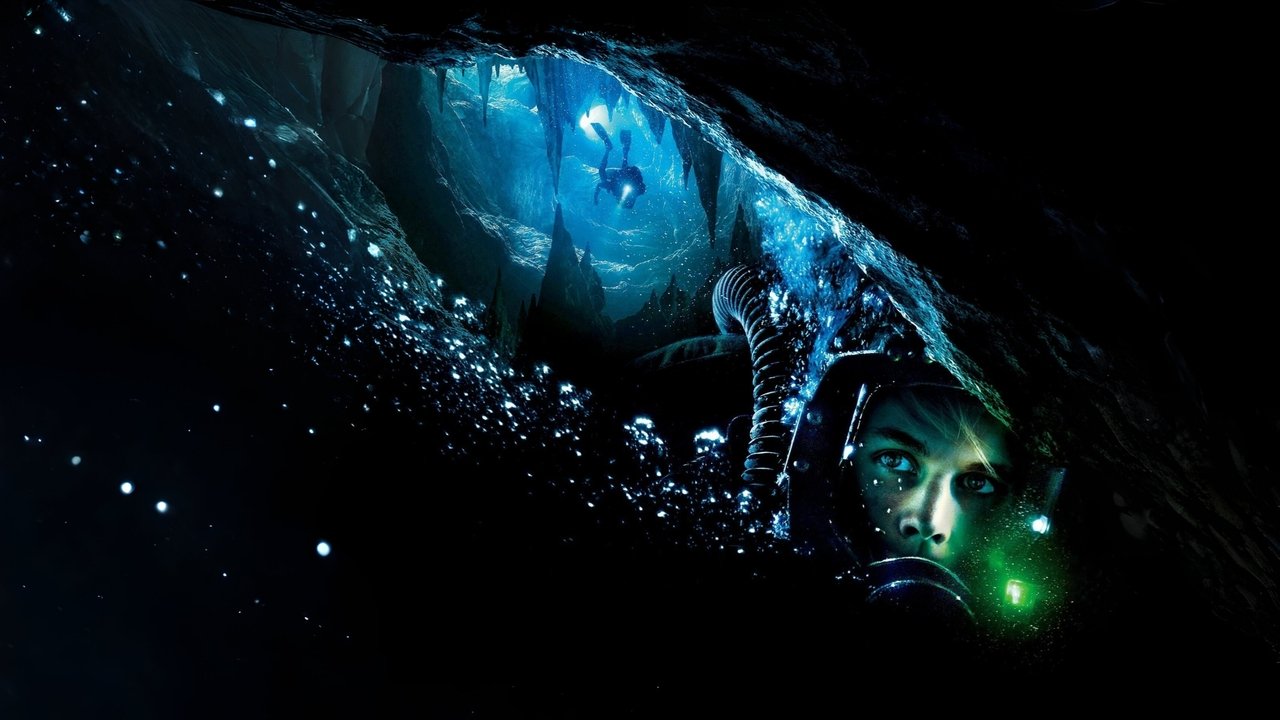
The 3D Hangover and Subterranean Tech
Looking back, Sanctum is a fascinating relic of the "Native 3D" era. Unlike the dozens of blockbusters that were lazily converted in post-production to cash in on the craze, director Alister Grierson used the actual Cameron-Pace Fusion Camera System. I’ve always felt that 3D works best not when things are flying at your face, but when it creates a sense of oppressive depth. When the team—led by the rugged, unsympathetic Frank (Richard Roxburgh) and the wealthy adrenaline-junkie Carl (Ioan Gruffudd)—descends into the Esa-ala Caves, the cinematography by Jules O'Loughlin makes the screen feel like a literal hole in the wall.
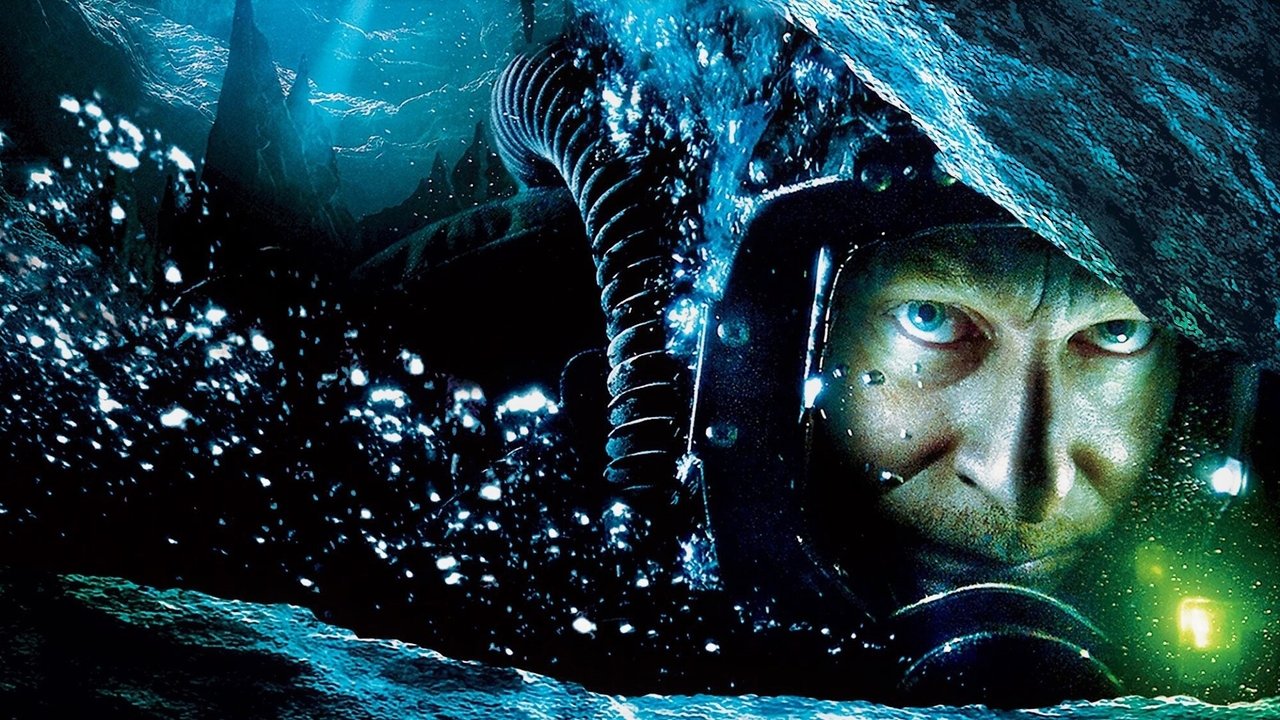
The film arrived right at the tail end of the industry’s obsession with "realism through technology." The underwater sequences aren't just murky blue CGI; they have a heavy, silt-filled texture. You can almost feel the weight of the gear and the biting cold of the water. Richard Roxburgh (who you might remember as the villainous Duke from Moulin Rouge!) delivers a performance that is essentially a human sandpaper block. He isn't there to be liked; he’s there to survive, and his "logic over emotion" approach provides the film’s harshest friction.
High-Stakes Choreography in a Meat Grinder
The action in Sanctum isn't about explosions or gunfights; it’s about the terrifying physics of water and stone. The choreography of the "flash flood" sequence is a masterclass in escalating dread. You see the debris-heavy water beginning to surge, and then the film shifts gears into a relentless tactical retreat. I love how the film treats the cave as a character—an indifferent, crushing God that doesn't care about your family drama.
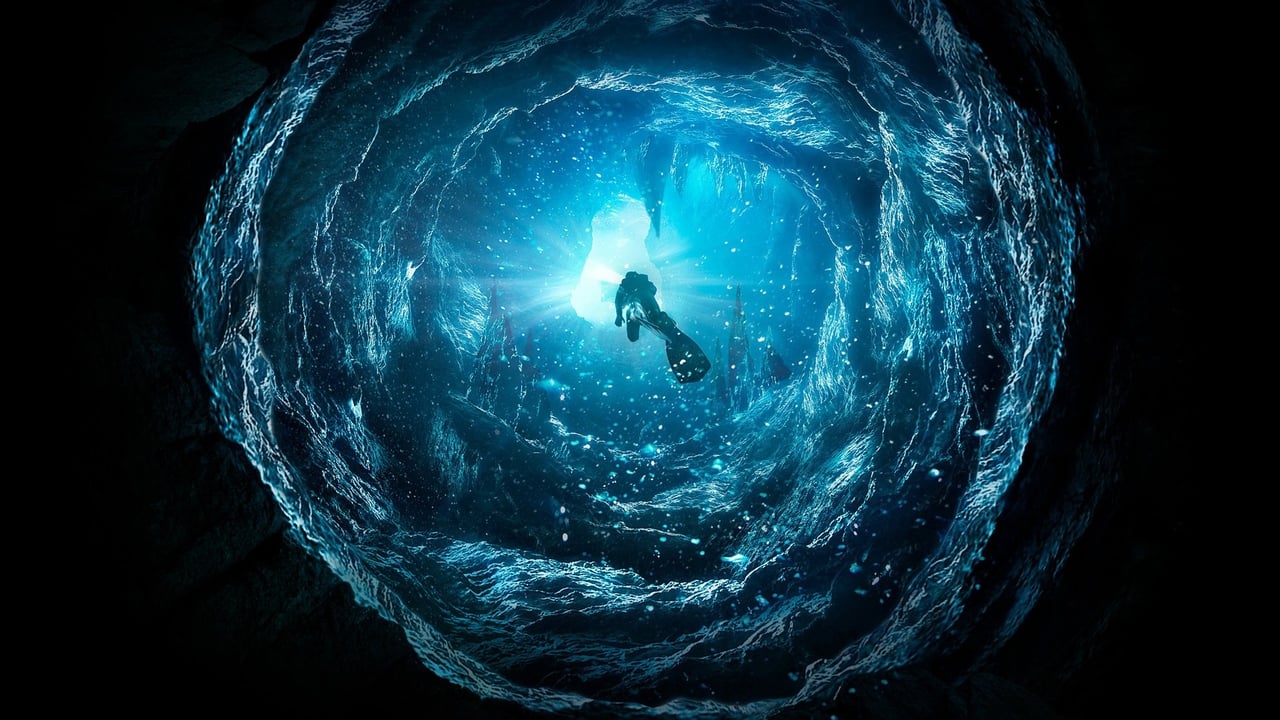
The stunt work here deserves a retrospective shout-out. The actors, including Rhys Wakefield as Frank’s estranged son Josh and Alice Parkinson as Victoria, spent weeks in massive water tanks at Village Roadshow Studios in Queensland. This wasn't "dry-for-wet" shooting. They were actually submerged, performing complex technical dives while delivering lines. When a character panics underwater, it doesn’t look like acting; it looks like a genuine primal reflex.
The pacing is where the film earns its "Action/Thriller" stripes. Once the exit is blocked, the momentum never lets up. It’s a literal downward spiral. Every set piece—from a harrowing climb up a waterfall to a tight squeeze through a "lemon squeezer" tunnel—is designed to trigger your fight-or-flight response. Frankly, the film treats its supporting cast like a bowl of Rice Krispies: they snap, crackle, and pop in increasingly gruesome ways.
The "True Story" and Production Trivia
Part of the reason Sanctum feels so mean is that it’s based on the real-life near-death experience of co-writer and producer Andrew Wight. In 1988, Wight was leading a cave diving expedition when a freak storm collapsed the entrance, trapping 15 people underground. Unlike the movie, everyone in the real-life incident actually survived, but Wight clearly wanted to explore the "what if" scenario where everything goes wrong.
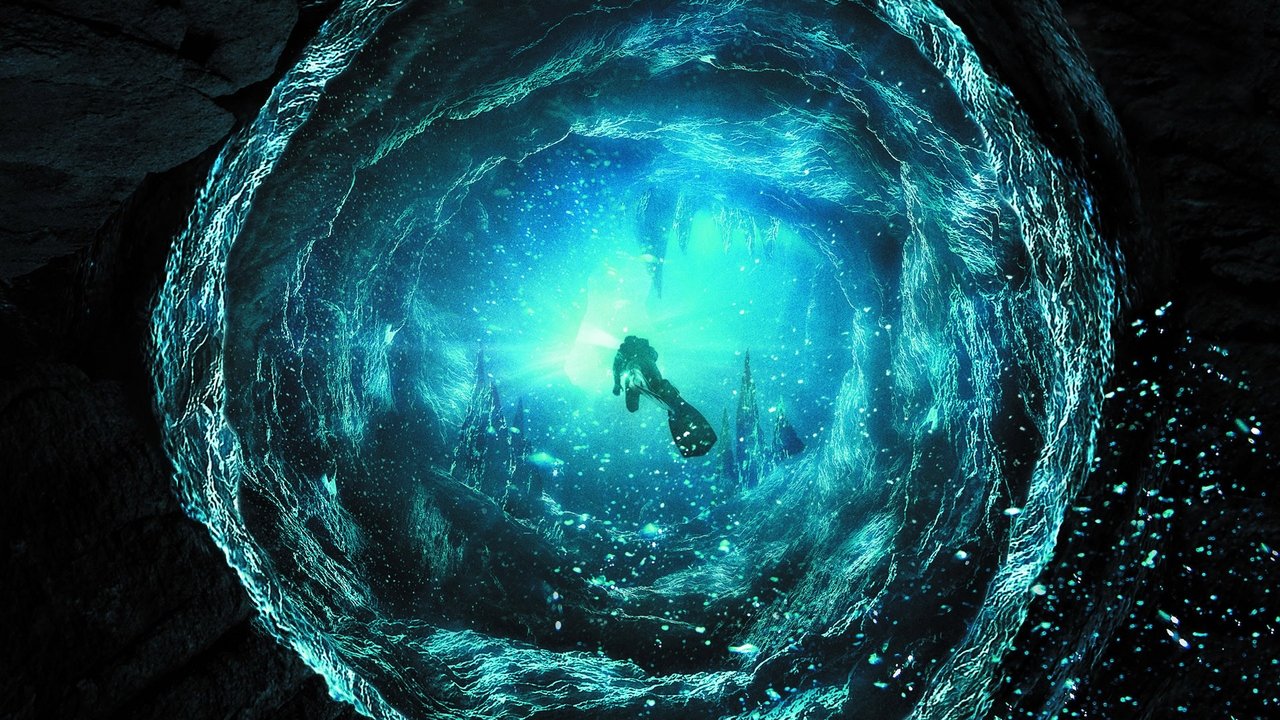
Here are a few nuggets for the trivia buffs:
The Budget-to-Box Office Win: Despite being an Australian indie-at-heart, it pulled in over $108 million worldwide on a $30 million budget. Most of that came from international markets where the "James Cameron Presents" tag was gold. The Tank: The production used one of the largest water tanks in the world, holding about 7 million liters of water. To keep the actors from getting hypothermia, the water had to be heated constantly, which created a humid "micro-climate" on the soundstage. Real Gear: The "rebreathers" used in the film aren't props; they are actual technical diving units. Richard Roxburgh and the cast had to undergo intensive dive training to ensure they didn't actually drown while trying to look cool for the cameras. The Score: David Hirschfelder’s score is surprisingly operatic, which helps elevate the film from a standard B-movie to something that feels more like a tragic epic.
Sanctum is the kind of movie I enjoy more for its craftsmanship and "how-did-they-film-that" factor than its actual script. The dialogue can be as clunky as a lead weight—Ioan Gruffudd’s character is a walking cliché of "Rich Guy Who Thinks He’s Indestructible"—but the sheer physical intensity of the production carries it through. It captures that specific 2011 moment where we believed 3D was the future of all cinema. While that future didn't quite pan out, Sanctum remains a very effective, very wet nightmare that will make you appreciate the simple act of breathing air on dry land.
If you’re looking for a film that makes you feel genuinely uncomfortable in your own living room, this is a solid Friday night pick. Just don't expect a warm hug at the end; this movie is as cold as the cave water it was filmed in.
Keep Exploring...
-
Hitman
2007
-
Cloverfield
2008
-
Transporter 3
2008
-
Vantage Point
2008
-
Predators
2010
-
In Time
2011
-
Unknown
2011
-
Taken 2
2012
-
Taken 3
2014
-
Live Free or Die Hard
2007
-
National Treasure: Book of Secrets
2007
-

Wanted
2008
-
Fast & Furious
2009
-

Knowing
2009
-

RED
2010
-
The Expendables
2010
-
Jack Reacher
2012
-
The Expendables 2
2012
-
Fast & Furious 6
2013
-

Into the Storm
2014