Scream 4
"Don't fuck with the original."
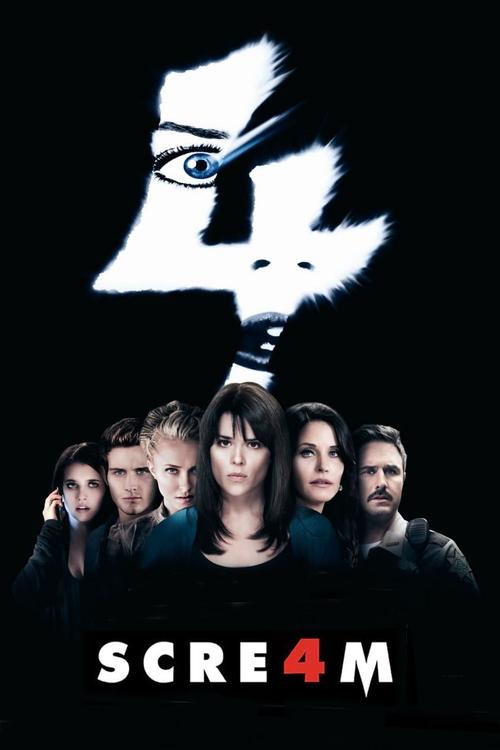
The first time I sat down to watch Scream 4, I was balancing a dangerously overfilled bowl of neon-orange nacho cheese on my lap, and I distinctly remember a glob of it landing on my shirt right as the first "fake" opening title card hit the screen. It was messy, slightly ridiculous, and perfectly synchronized with the film’s own chaotic energy. After a decade-long slumber, Wes Craven and Kevin Williamson didn’t just wake the Ghostface giant; they gave it a smartphone and a cynical, social-media-obsessed makeover that, in retrospect, was terrifyingly ahead of its time.
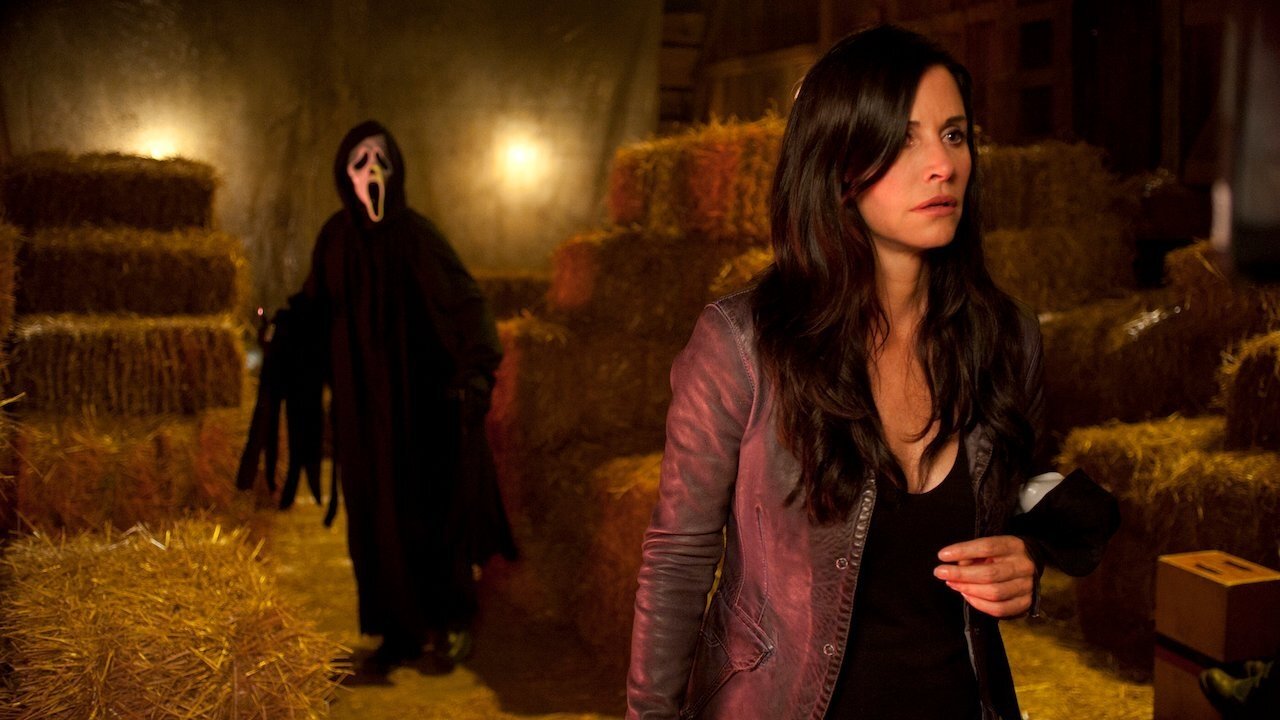
The Ultimate Meta Russian Doll
Coming into 2011, the slasher genre was gasping for air, choked out by the "torture porn" trend of the mid-2000s and a relentless wave of soulless remakes. Scream 4 arrived not just as a sequel, but as a biting critique of that very environment. The opening sequence is a masterclass in meta-storytelling, a Russian doll of "Stab" movie sequels within sequels that mocks the audience's hunger for escalating complexity. I remember feeling a bit dizzy by the third "Hello?", but that’s the point. It’s Wes Craven winking at us, acknowledging that we know the tropes, he knows we know them, and he’s still going to find a way to make us jump.
The plot brings a weary, seasoned Sidney Prescott (Neve Campbell) back to Woodsboro on a book tour for her memoir about healing. It’s a smart pivot—Sidney isn't a victim anymore; she’s a survivor-turned-symbol. But she’s quickly overshadowed by the "new generation," led by her cousin Jill (Emma Roberts) and the ultimate horror-geek-cool-girl Kirby (Hayden Panettiere). The film plays with the idea of the "remake" rules: the kills are bloodier, the tech is integrated into the terror, and the cinematography looks like it was filmed through a jar of lemon curd thanks to a heavy, soft-glow filter that still baffles me today.
New Blood, Old Rules, and the Ghost of Cinema Past
While the "Legacy Trio" of Neve Campbell, Courteney Cox, and David Arquette provides the emotional spine, the film belongs to the teenagers. Hayden Panettiere is a revelation here; her Kirby Reed breathed fresh life into the "horror expert" trope, making it feel less like a parody and more like a genuine personality trait. On the flip side, seeing Emma Roberts pivot from her "clean" image was a stroke of casting genius.
The kills are meaner than they were in Scream 3, which I appreciated. There’s a sequence involving a closet and a very long knife that still makes me check behind my own bedroom door. But the real horror isn't in the blade—it's in the motive. In 2011, the idea of "killing for followers" felt like a cynical exaggeration. Today, it feels like a documentary. Jill Roberts didn't want to be a hero; she wanted to be a star. In the transition from analog to digital, the film correctly identified that the monster wasn't a guy in a mask anymore—it was the lens itself.
The Prophet of the Influencer Era
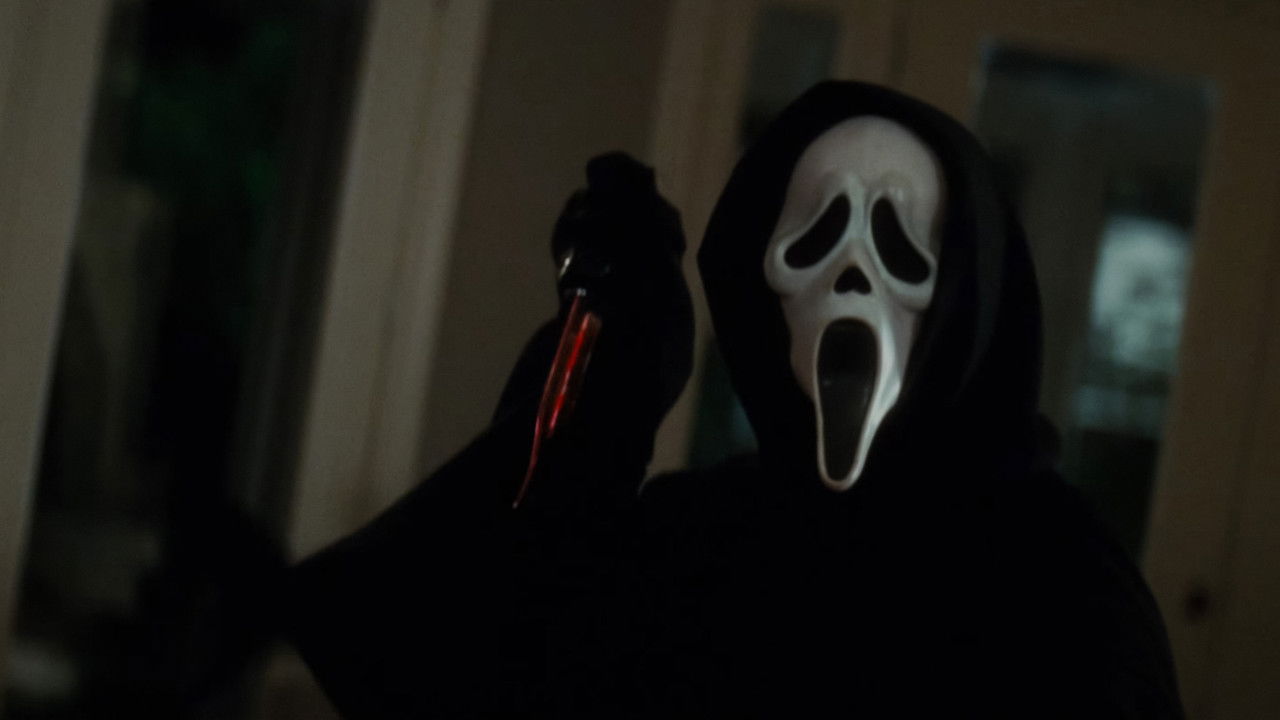
Scream 4 was a bit of a "flop" upon its initial release, at least by franchise standards, but its cult status has skyrocketed in the years since. Looking back, it’s easy to see why. It’s the "bridge" film, connecting the practical effects and slasher roots of the 90s with the hyper-connected, status-obsessed horror of the 2020s. Apparently, the production was a bit of a nightmare; Kevin Williamson’s script was being tinkered with by other writers mid-shoot, and Wes Craven reportedly struggled with studio interference regarding the film's tone. You can feel that friction on screen—the movie feels like it’s constantly fighting its own era, trying to be a "classic" slasher while acknowledging that the world has moved on to Facebook and webcams.
One of my favorite bits of trivia is that the "Stab 6" and "Stab 7" sequences were directed with almost more glee than the actual movie, featuring cameos from stars like Anna Paquin and Kristen Bell just to throw the audience off the scent. It also holds the bittersweet distinction of being Wes Craven’s final film before his passing in 2015. While some critics at the time felt it was "just another sequel," I’d argue it’s the only sequel in the series that matches the original’s intellectual ambition. It’s the only slasher that predicted the terrifying rise of the TikTok influencer years before the app even existed.
The film isn't perfect—the "glowy" digital look hasn't aged particularly well, and some of the comedy involving Anthony Anderson’s Deputy Perkins feels like it belongs in a different movie. However, as a retrospective piece of horror history, it's a triumph of meta-commentary. It respects the legacy of Sidney Prescott while ruthlessly dismantling the "reboot" culture of the early 2010s. If you haven't revisited it since the theater, give it another go. Just keep the nacho cheese away from your laundry.

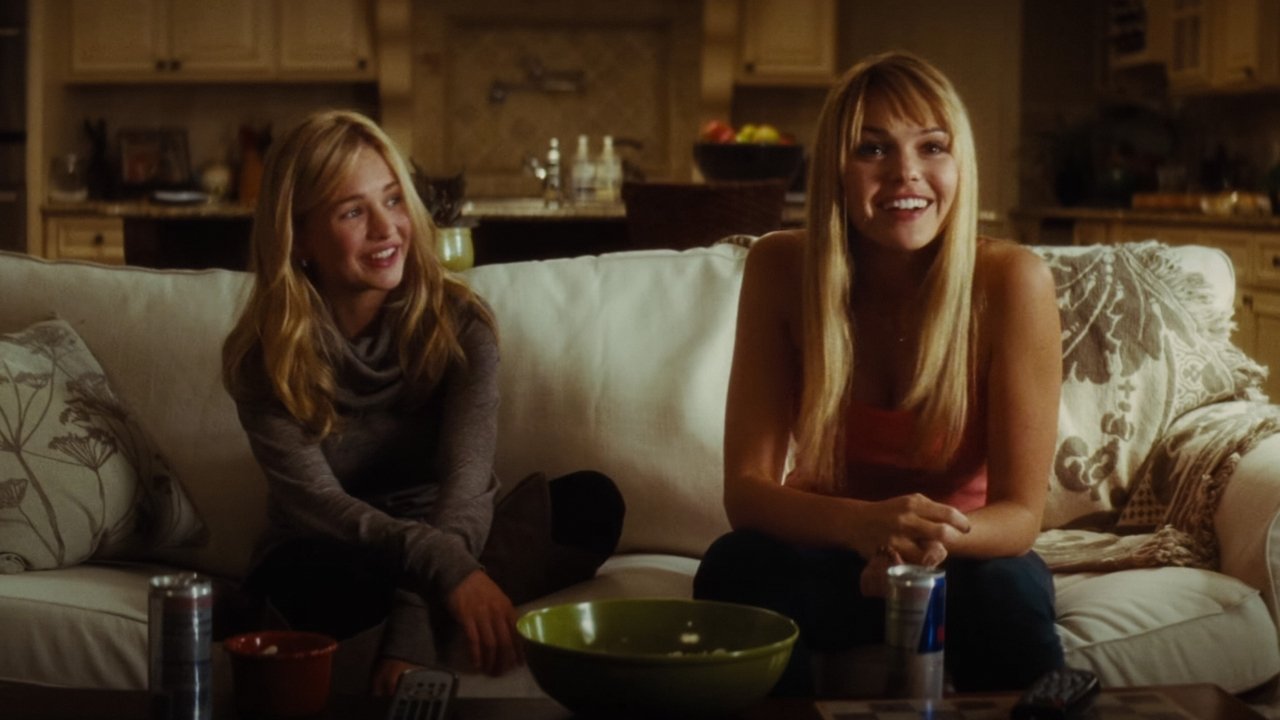
Keep Exploring...
-
Scream
1996
-
Scream 3
2000
-

Scream 2
1997
-
Scream
2022
-
New Nightmare
1994
-
Red Eye
2005
-
Pandorum
2009
-
Devil
2010
-

Let Me In
2010
-
The Crazies
2010
-
The Thing
2011
-

The Cabin in the Woods
2012
-
Scream VI
2023
-
Case 39
2009
-
Twin Peaks: Fire Walk with Me
1992
-
I Know What You Did Last Summer
1997
-
The Ninth Gate
1999
-
From Hell
2001
-

Final Destination 2
2003
-
House of Wax
2005