Shame
"The agonizing silence of a life fully exposed."

The first thing I remember about watching Shame wasn't actually the screen; it was the fact that I was wearing a pair of incredibly itchy wool socks that I eventually had to kick across the room because the tension on screen was already making my skin crawl. There is a specific kind of stillness in Steve McQueen’s 2011 drama that makes you hyper-aware of your own breathing. It opens with Brandon, played with a terrifying, skeletal precision by Michael Fassbender, lying in bed. The sheets are a cold, clinical blue. He’s staring at nothing. It’s a movie that asks you to look at a man who is essentially a hollowed-out shell, kept upright only by the rigid rituals of his sexual compulsions.
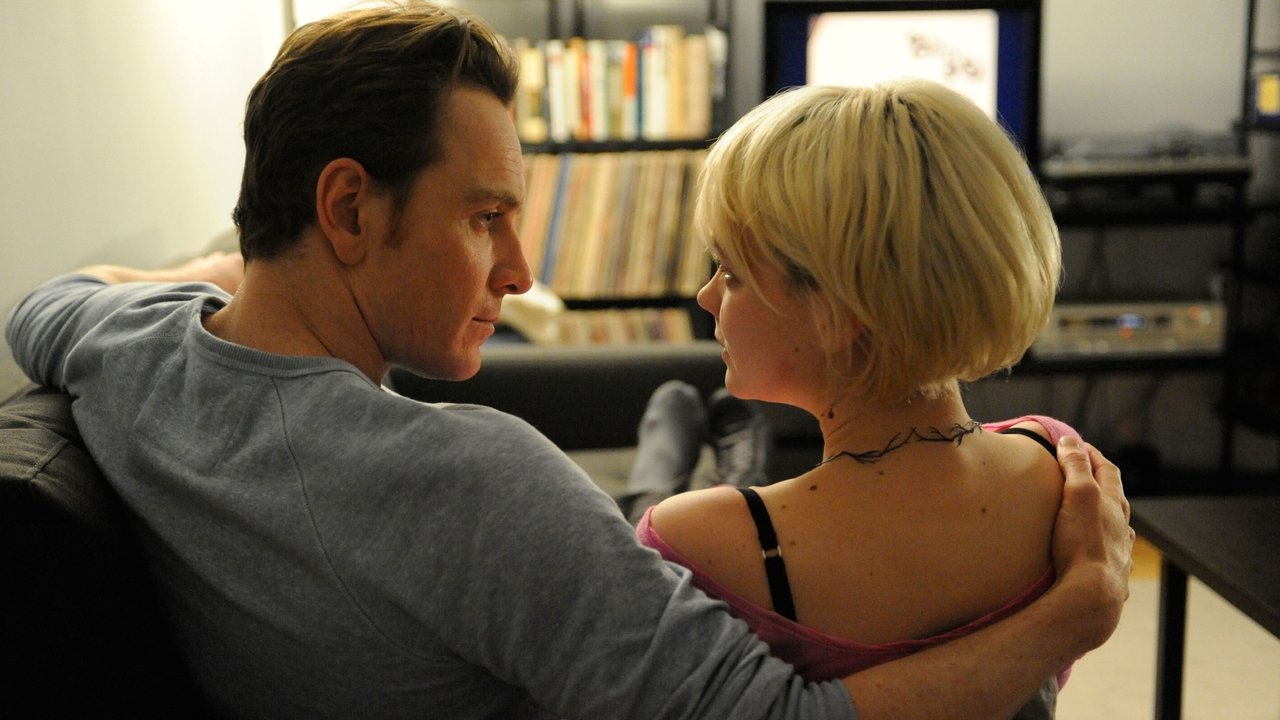
The NC-17 Ghost in the Machine
Back in 2011, Shame was the "dangerous" movie. It carried the dreaded NC-17 rating, a label that usually serves as a death sentence at the box office because most major theater chains simply won't touch it. It’s fascinating to look back at that era—the tail end of the DVD boom and the beginning of the prestige streaming wave—and see how this film became a cult landmark specifically because of that "restricted" status. People didn't flock to it for titillation; they found a movie that used nudity as a costume of pain.
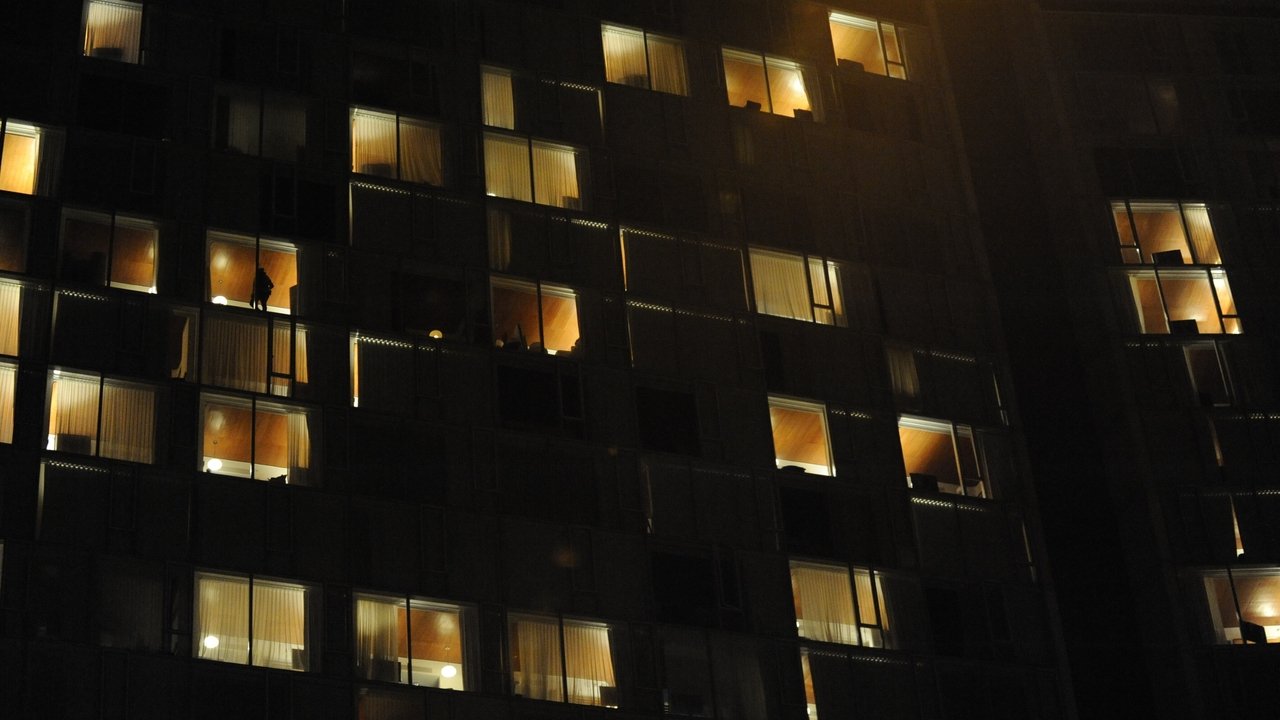
Steve McQueen, who had already rattled the cage of cinema with Hunger (2008), didn't care about the commerce of the "R" rating. He and cinematographer Sean Bobbitt shot this on 35mm film, giving New York a grainy, lonely texture that feels miles away from the glossy, post-9/11 recovery version of the city we often see. Looking back, this feels like the ultimate "Modern Cinema" transition piece. It has the DNA of 1970s character studies like Five Easy Pieces, but it’s obsessed with the digital-age isolation of the early 2010s—high-rise apartments that look like glass cages and the infinite, soul-crushing accessibility of internet pornography.
A Duel of Damaged Souls
The movie shifts from a portrait of a loner to a psychological war zone when Brandon's sister, Sissy, arrives. Carey Mulligan (who I’d only really known from the polite world of An Education at that point) is a revelation here. She is the chaotic fire to Brandon’s ice. There’s a scene where she sings a slowed-down, agonizing version of "New York, New York" in a dim club. The camera stays on Michael Fassbender’s face for what feels like an eternity. You see the mask slip. You see the grief of their shared, unspoken past bubbling up.

Apparently, that singing sequence was captured in a single, unedited take. McQueen has this habit of letting the camera sit still until the actors have nowhere left to hide. It’s a technique that forces the audience into a state of intimacy that feels almost intrusive. James Badge Dale shows up as Brandon’s boss, David, providing a sickeningly "normal" foil to Brandon’s internal rot, while Nicole Beharie plays Marianne, a coworker who offers Brandon a terrifying glimpse at what actual, non-compulsive connection might look like.
Why It Stings More Now
I’ve always felt that critics who dismissed this as 'pornography' were likely just uncomfortable looking into a mirror of their own distractions. In the decade-plus since its release, our collective relationship with screens and dopamine has only become more fractured. Brandon’s addiction in 2011 involved high-speed internet and risky late-night encounters; today, the movie feels like a prophecy of the "loneliness epidemic" we’re all currently navigating.
The production was notoriously lean. Despite its high-end look, it was a $6.5 million indie shot in just 25 days. Fassbender supposedly prepared by talking to real sex addicts, discovering that many of them shared a "flatness" of affect—a way of moving through the world without being "in" it. You see that in his jog through the city streets, set to Harry Escott’s haunting score. He’s a man trying to outrun a ghost that lives inside his own skin.

There’s a legendary bit of trivia that Fassbender was the only choice for the role; McQueen said if Michael hadn't signed on, he wouldn't have made the film. It’s hard to imagine anyone else bringing that mix of Greek-statue physicality and total emotional disintegration. It's a performance that doesn't just demand your attention; it hijacks it.
Shame isn't a "fun" Friday night watch, but it is an essential one for anyone who loves seeing the limits of performance pushed to the edge. It’s a film about the walls we build to protect ourselves and how those same walls eventually become our prisons. By the time the credits roll over that final, ambiguous subway shot, you’ll feel like you need a long walk and a very deep breath. It’s a masterpiece of discomfort that lingers long after the itch of those wool socks is forgotten.

Keep Exploring...
-
Hunger
2008
-
Widows
2018
-
We Need to Talk About Kevin
2011
-
Centurion
2010
-

Brothers
2009
-
Drive
2011
-
The Grey
2012
-
Inside Llewyn Davis
2013
-
The Bank Job
2008
-

Moon
2009
-
Never Let Me Go
2010
-
The Iron Lady
2011
-
Tinker Tailor Soldier Spy
2011
-

Anna Karenina
2012
-
Rush
2013
-

Trance
2013
-
Under the Skin
2014
-

12 Years a Slave
2013
-
Children of Men
2006
-
Letters from Iwo Jima
2006