Source Code
"Eight minutes to die. Forever to get it right."
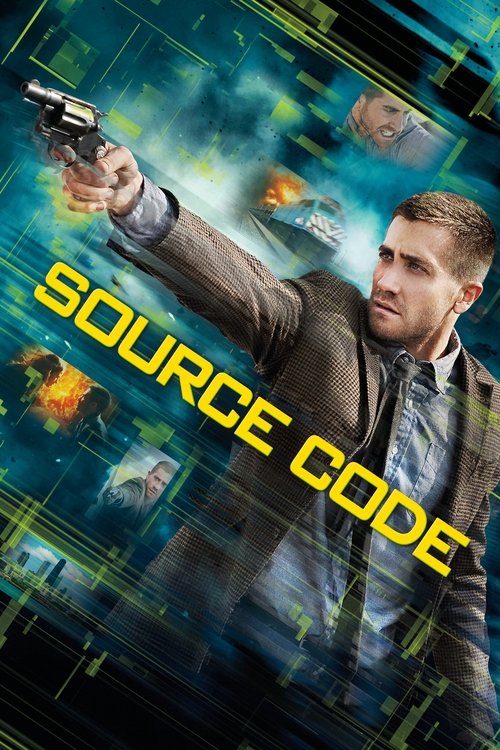
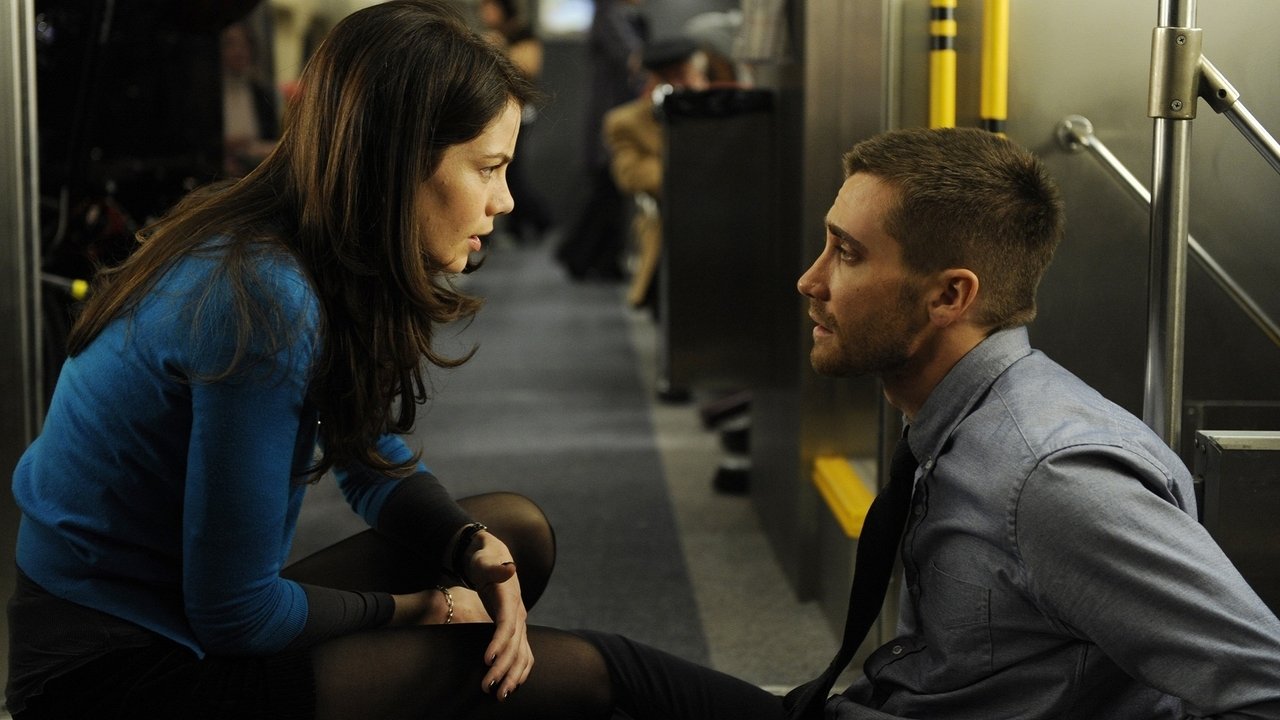
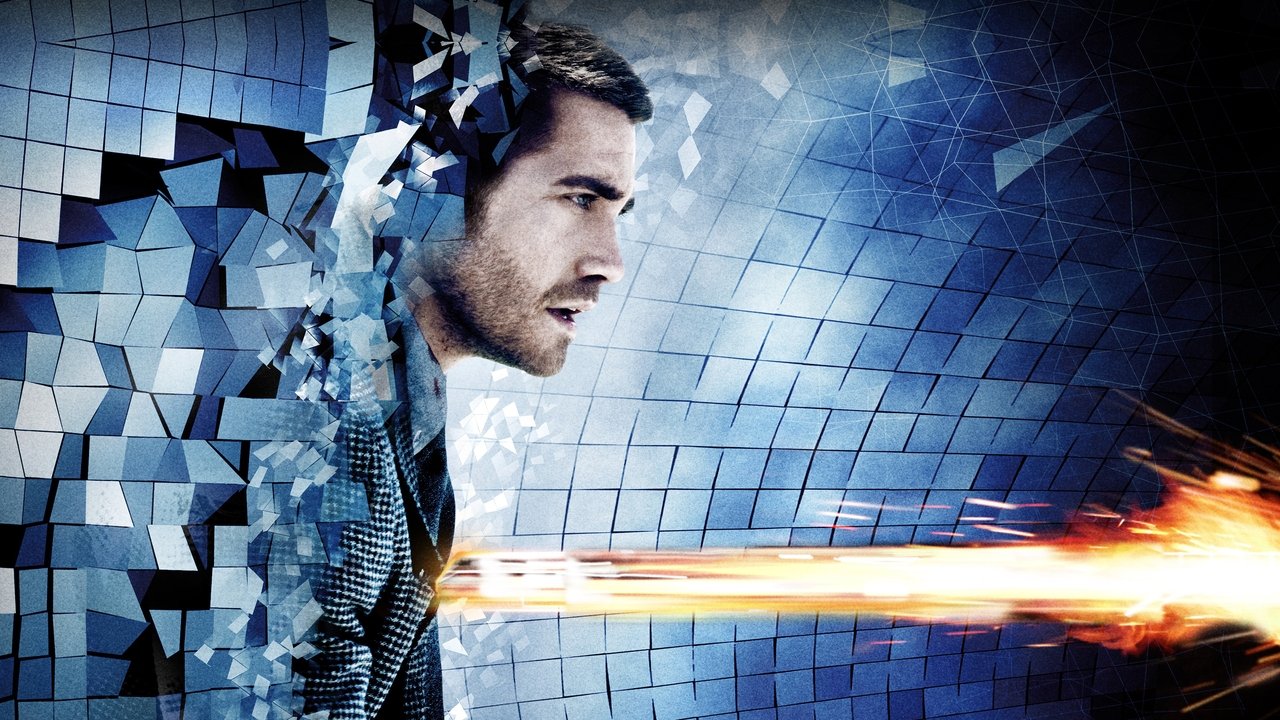
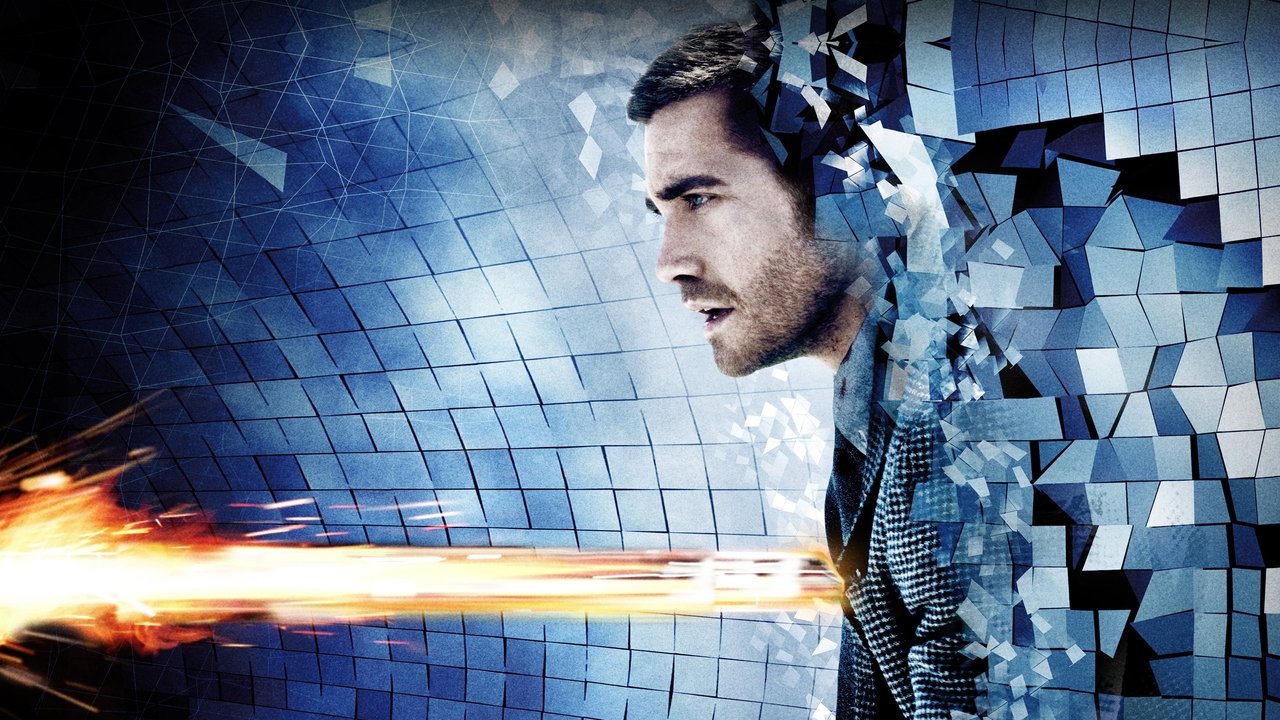
There is a specific, jagged anxiety to the opening of Source Code—the kind that makes you check your own pulse while sitting in a temperature-controlled room. We don’t start with a slow burn or a gentle introduction to our hero. Instead, we are shoved into the skin of Captain Colter Stevens as he gasps awake on a commuter train bound for Chicago. He doesn’t know the woman sitting across from him, he doesn’t recognize his own face in the bathroom mirror, and in exactly eight minutes, he is going to be incinerated in a terrorist blast.
I first watched this in a drafty theater where the air conditioning was stuck on "Arctic Blast," and I was wearing a wool sweater that was way too itchy. Every time the train exploded and the screen went white, I felt a bizarre sympathetic relief from the cold, only to be yanked back into the claustrophobia of that morning commute. It’s a film that thrives on that cycle of relief and renewal, using a high-concept sci-fi premise to tell a story that feels uncomfortably grounded.
The Mechanics of the Loop
Directed by Duncan Jones—who had just come off the indie success of Moon (2009)—Source Code arrived during a fascinating pivot point in modern cinema. This was 2011, a time when Hollywood was still grappling with the lingering shadows of 9/11 and the pervasive fear of transit-based attacks, but was also beginning to lean into the "puzzle box" narrative style popularized by Inception. Unlike the sprawling dreamscapes of Christopher Nolan, however, Jones keeps his world tiny. The majority of the film takes place within the confines of a single train car or a dark, metallic pod where Colter communicates with his handlers.
The "Source Code" itself is explained as a digital reconstruction of the past—not time travel, but a "short-term memory access" program. It’s a clever bit of "soft" sci-fi that prioritizes the ticking clock over the physics of the multiverse. Jake Gyllenhaal is the perfect engine for this machine. He has a way of playing desperation that feels athletic; you can see the gears turning as he tries to solve a mass murder while simultaneously realizing that he is essentially a ghost being haunted by the living.
Moral Rot in the Machine
While the film was marketed as an action-thriller, it carries a grim, heavy weight that elevates it above your standard popcorn flick. As the loops continue, we learn the truth about Colter’s physical state, and the movie shifts into a darker exploration of the military-industrial complex. Vera Farmiga, playing Colleen Goodwin, provides the film’s moral compass, though she’s trapped behind a computer screen. Her performance is a masterclass in subtlety; she has to convey deep empathy while following the cold orders of her superior, Dr. Rutledge.
Jeffrey Wright plays Rutledge with a chilling, bureaucratic detachment. He doesn't see Colter as a decorated soldier or even a human being; he sees him as a "repurposed" asset. It’s a cynical, post-9/11 perspective on heroism: the idea that the state owns you even after you’ve given everything. This thematic darkness is what keeps the film from feeling like a mere exercise in style. It asks a genuinely unsettling question: if you could save thousands of lives by endlessly torturing one soul in a digital loop, would you do it? The real villain isn't the bomber; it's the lack of empathy in the pursuit of security.
A Sleeper Hit with Legs
Looking back, Source Code was a massive win for mid-budget original sci-fi. Produced for a relatively modest $32 million, it cleared over $147 million at the global box office. This was a time before the MCU's total dominance, when a smart, self-contained thriller could still capture the public imagination. It’s the kind of movie that thrived on DVD and early streaming, where fans could freeze-frame the background characters to see who looked the most suspicious.
The production was a feat of efficiency. They built a massive train set on a gimbal to simulate movement, which gives the action a tactile, "analog" feel that modern CGI-heavy films often lack. Even the "Source Code" pod where Colter spends his downtime was designed to feel like a decaying cockpit, emphasizing his isolation. For fans of TV history, there’s a wonderful "Stuff You Didn't Notice" moment: the voice of Colter’s father on the phone is provided by Scott Bakula, a direct nod to his role in Quantum Leap, the quintessential "jumping into other people's bodies" show.
Source Code is that rare beast: a high-concept blockbuster that actually respects the audience's intelligence. It manages to be a mystery, a romance, and a philosophical tragedy all within a brisk 93-minute runtime that never feels rushed. While the very final beat of the ending still sparks debates about the internal logic of the world, the emotional payoff is undeniable. It’s a film that reminds me why we go to the movies in the first place—to be trapped in a nightmare for an hour and a half, only to walk out into the sunlight feeling a little more grateful for the "real" world.
Keep Exploring...
-
Limitless
2011
-
The Maze Runner
2014
-
Twelve Monkeys
1995
-

The Girl with the Dragon Tattoo
2009
-
Gattaca
1997
-
The Thirteenth Floor
1999
-

Zodiac
2007
-
Super 8
2011
-
I Am Legend
2007
-
The Bourne Ultimatum
2007
-
Blindness
2008
-
Rise of the Planet of the Apes
2011
-

The Hunger Games
2012
-

Gravity
2013
-

Dawn of the Planet of the Apes
2014
-

Ghost
1990
-
Primal Fear
1996
-
Star Trek: First Contact
1996
-

The Others
2001
-

Mystic River
2003