Sucker Punch
"Reality is the only thing you can't escape."

I remember the marketing blitz for Sucker Punch like it was yesterday. It was 2011, and the posters were everywhere—five women looking like they’d just stepped out of a high-fashion tactical catalog, brandishing katanas and submachine guns against a backdrop of dragons and giant mechs. It promised the ultimate "fanboy" fever dream. I saw it on opening night in a theater where the air conditioning was cranked so high I had to wrap myself in my own hoodie like a human burrito, and I watched the guy next to me aggressively eat a family-sized bag of BBQ sunflower seeds. The constant crick-crack of the shells provided a weirdly rhythmic percussion to the slow-motion machine-gun fire on screen.
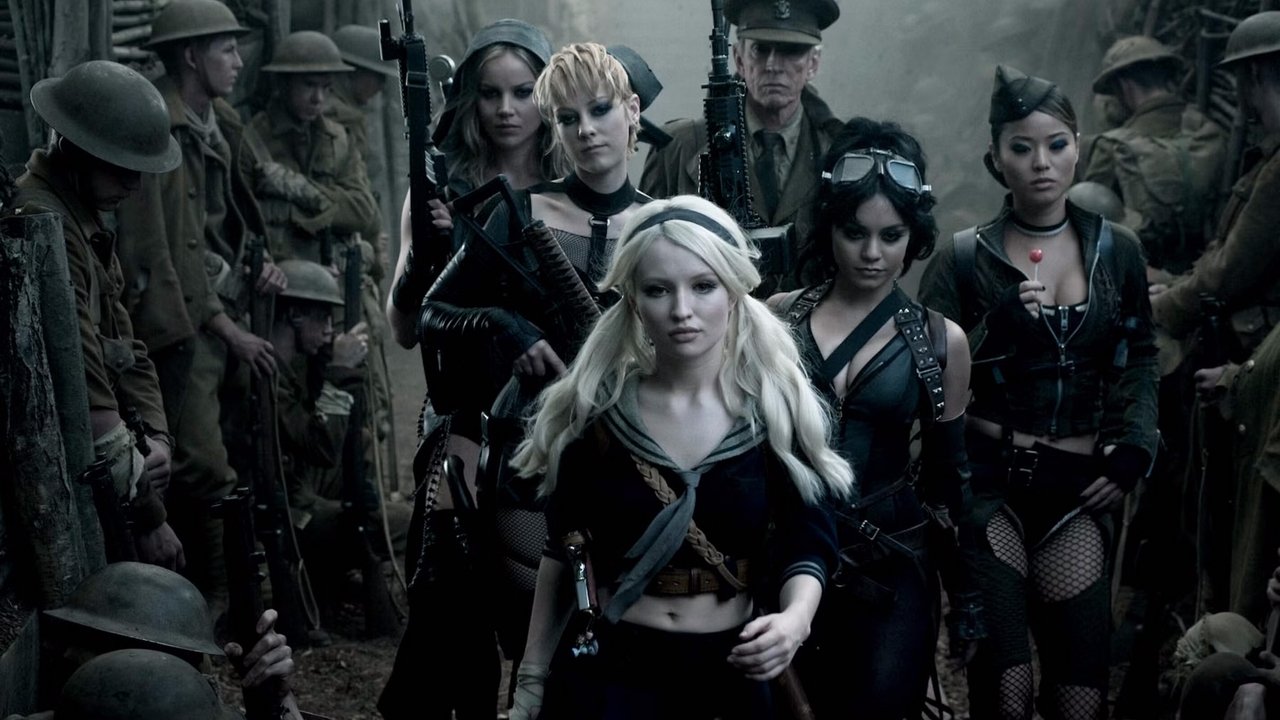
When the credits rolled, the theater was silent. Half the audience looked like they’d just been through a car wash without a car, and the other half looked ready to start a riot. It’s a movie that feels like being shouted at by a beautiful, very confused painting for two hours.
The Layers of the Onion
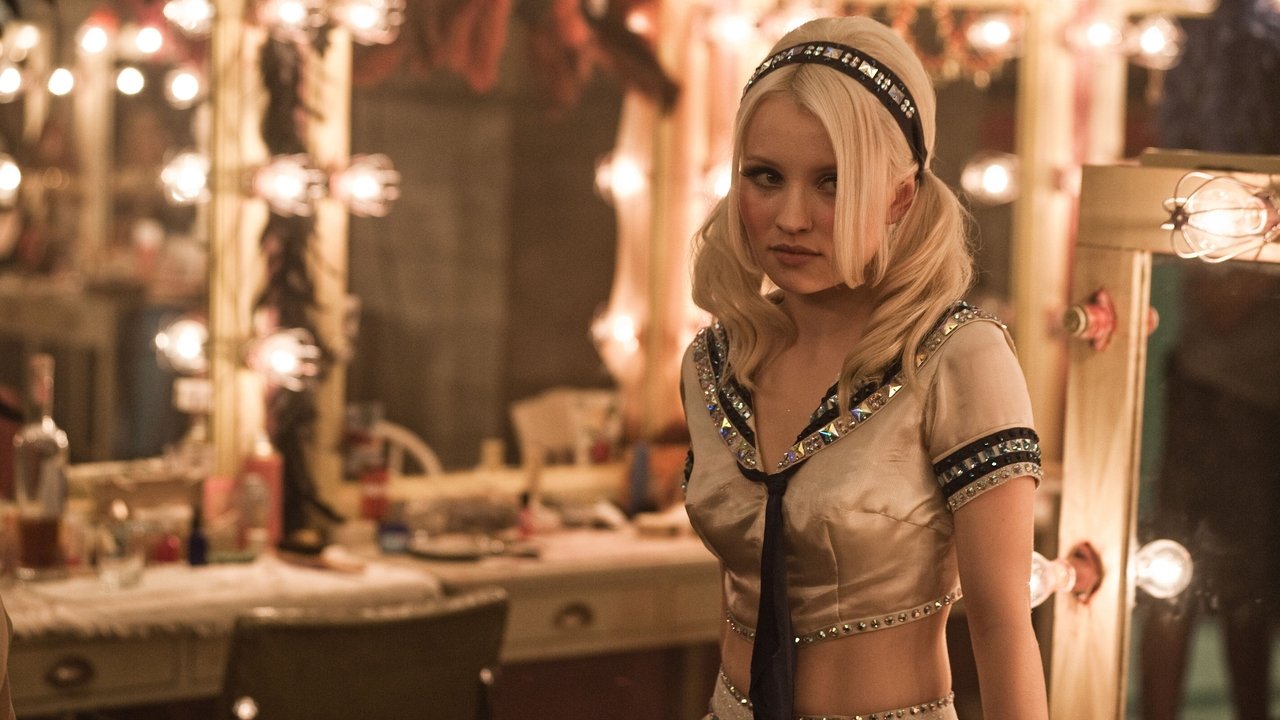
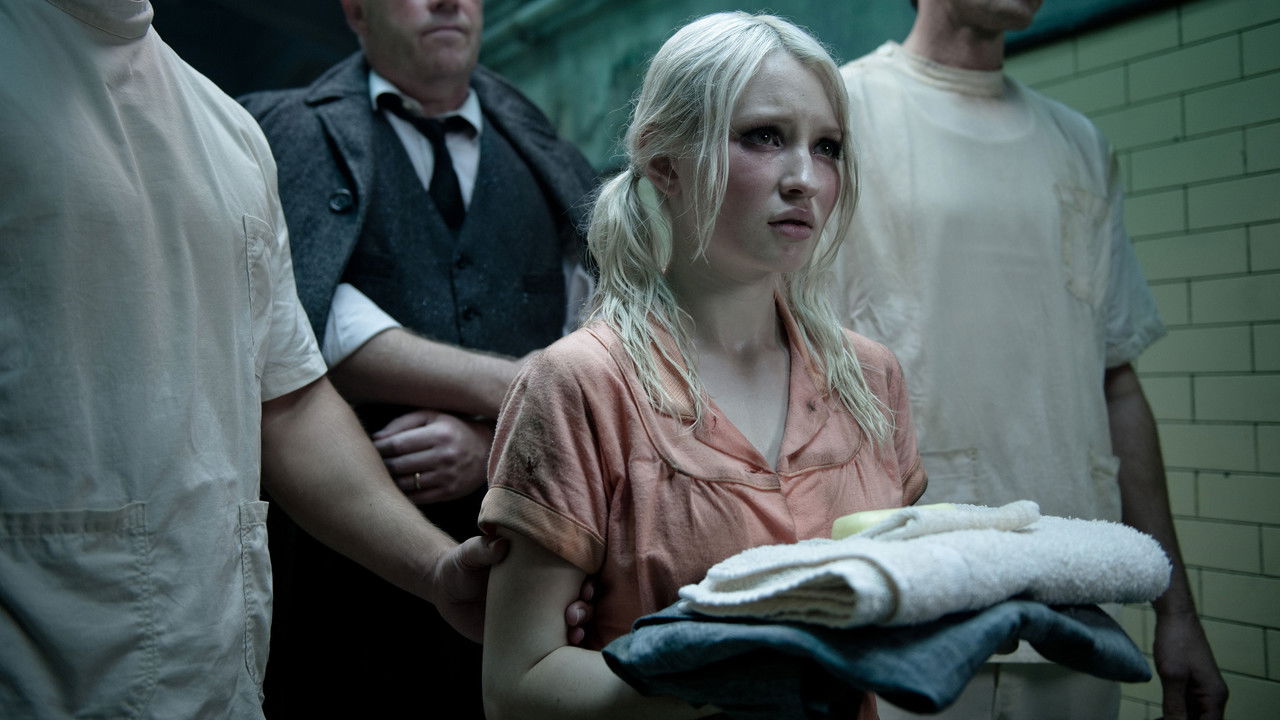
Directed by Zack Snyder, Sucker Punch is a Russian nesting doll of trauma. We start with Babydoll (Emily Browning), a young woman framed for her sister’s death and sent to a grim asylum by her villainous stepfather. To cope with a looming lobotomy, she retreats into a secondary reality where the asylum is a high-end burlesque house. But even that isn't enough; when she performs her "dances," she enters a third-level "action" world where she and her fellow inmates—Sweet Pea (Abbie Cornish), Rocket (Jena Malone), Blondie (Vanessa Hudgens), and Amber (Jamie Chung)—fight through steampunk trenches and sci-fi temples to find items needed for their escape.
It sounds complicated, but in practice, it’s a delivery system for some of the most indulgent imagery of the digital cinema era. Looking back, this was the peak of that post-Matrix, post-9/11 aesthetic where everything had to be desaturated, high-contrast, and dripping with "cool." Larry Fong’s cinematography is undeniably gorgeous, but there’s a sense that the movie is trying to be a deep deconstruction of the male gaze while simultaneously staring directly into its eyes with a wink.
A 110-Minute Music Video

The action sequences are where Zack Snyder really lets his hair down. These aren't just fights; they are choreographed ballets of CGI chaos. Whether they are fighting giant samurai with Gatling guns or fire-breathing dragons on a B-52 bomber, the physics are non-existent and the "speed-ramping" (that signature Snyder move where the film slows down then speeds up) is everywhere. It feels like a PlayStation 3 tech demo brought to life.
What anchors it, surprisingly, is the music. Instead of a traditional score, we get brooding, atmospheric covers of classic tracks. Hearing Carla Gugino and Oscar Isaac (who plays the sleazy orderly/club owner, Blue Jones) sing a lounge version of "Love is the Drug" is a trip. The cast actually went through a grueling three-month Navy SEAL-style boot camp to prep for these roles, and you can see it in their movement. They aren't just "playing" action stars; they have the physical presence of people who spent twelve weeks being yelled at by drill sergeants.
The Tragedy of the Cut
For years, Sucker Punch was written off as a misogynistic disaster. But like many cult classics, its reputation has shifted as more people have sought out the "Extended Cut." Apparently, the studio was terrified of an R-rating and chopped out crucial character beats and a more poignant ending involving a musical number. Without those pieces, the theatrical version felt like a shallow power fantasy. With them, it’s much clearer that the film is actually a tragedy about the high cost of survival.
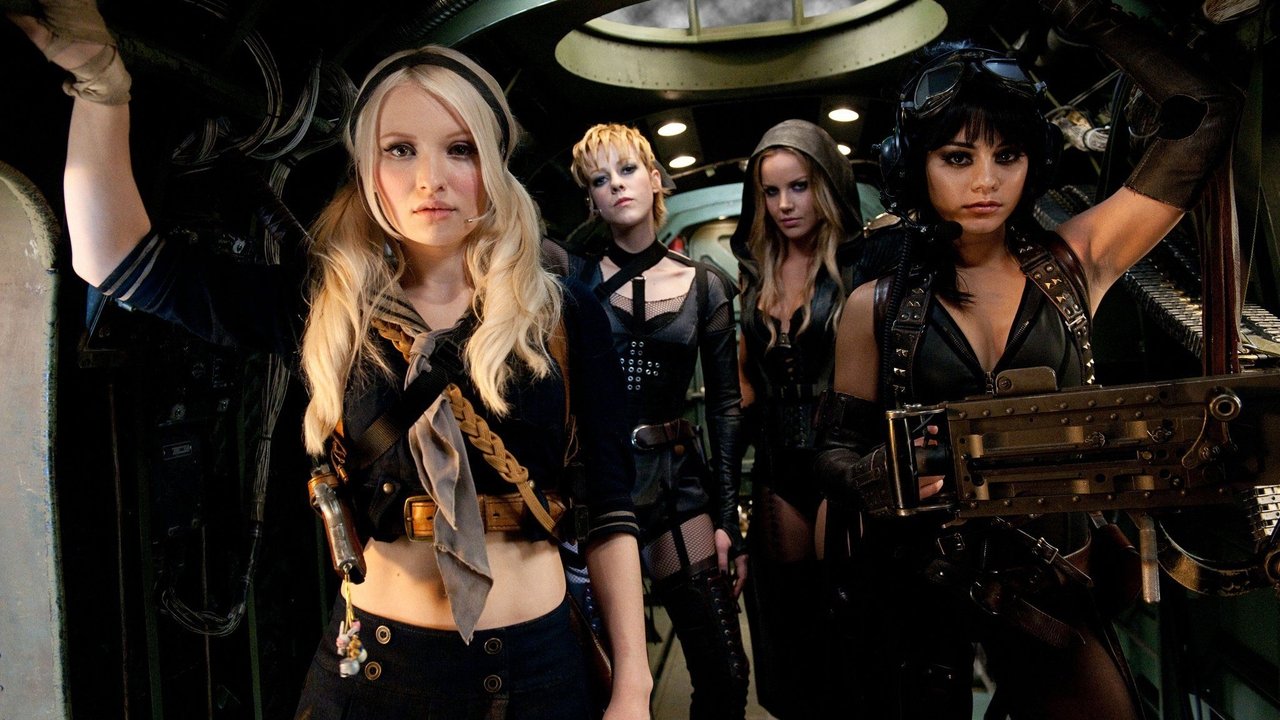
It’s essentially Inception if Christopher Nolan had a massive obsession with steampunk fishnets and Eurythmics covers. It’s loud, it’s messy, and it’s arguably one of the most ambitious failures of the 2010s. The CGI, which was cutting-edge at the time, actually holds up better than you’d expect because it embraces a stylized, non-realistic look. It’s not trying to look like the real world; it’s trying to look like the inside of a broken mind.
There is a strange, lingering sadness to Emily Browning’s performance. She barely speaks, using those massive, doll-like eyes to convey a sense of being trapped behind glass. It’s a polarizing film—some see a masterpiece of subversion, others see a two-hour music video with a lobotomy problem. I fall somewhere in the middle. I don't think it quite nails the "empowerment" landing it aims for, but I can’t help but respect a director who gets $82 million to make something this weird.
Ultimately, Sucker Punch is a fascinating artifact of its time. It’s a bridge between the gritty realism of the early 2000s and the hyper-stylized franchise machine we live in now. It’s a film that demands to be seen on the biggest screen possible, ideally with the volume turned up to a level that bothers the neighbors. Even if you hate the story, you’ll find yourself humming the soundtrack for a week. Just maybe skip the BBQ sunflower seeds during the quiet parts.
Keep Exploring...
-
Underworld: Evolution
2006
-
Ghost Rider
2007
-
Underworld: Rise of the Lycans
2009
-

Legend of the Guardians: The Owls of Ga'Hoole
2010
-
300
2007
-
Race to Witch Mountain
2009
-
The Bourne Legacy
2012
-
Man of Steel
2013
-

Blade II
2002
-
The League of Extraordinary Gentlemen
2003
-
Underworld
2003
-

The Brothers Grimm
2005
-

Drive Angry
2011
-
Watchmen
2009
-
Body of Lies
2008
-
Cirque du Freak: The Vampire's Assistant
2009
-
Faster
2010
-
Premium Rush
2012
-

16 Blocks
2006
-
Mission: Impossible III
2006