Super 8
"Capture the truth before it escapes."
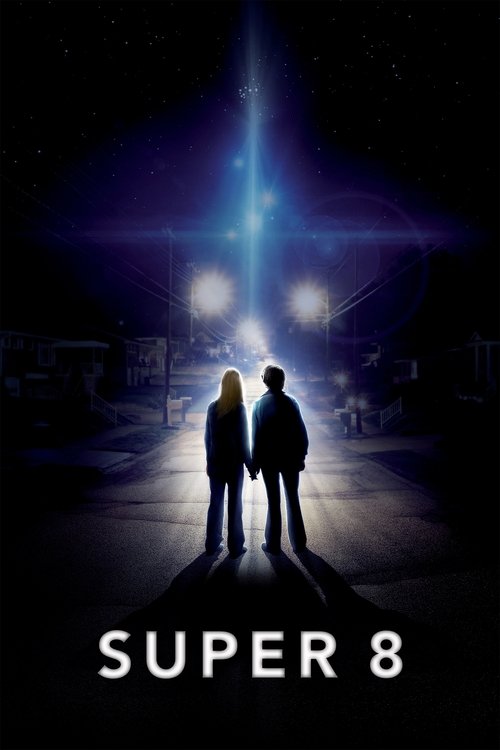
I still remember the first teaser trailer for this film. It was just a grainy shot of a train derailment and a door being blown off its hinges by something clearly not human. At a time when the "Mystery Box" marketing of J.J. Abrams was at its peak—fresh off the heels of Cloverfield (2008) and the Star Trek (2009) reboot—the hype felt massive. I saw this at a matinee where the theater’s air conditioning had completely given up, and I spent half the runtime wondering if the sweat on my neck was from the tension or the 90-degree humidity in the fourth row.

The Magic of the 8mm Crew
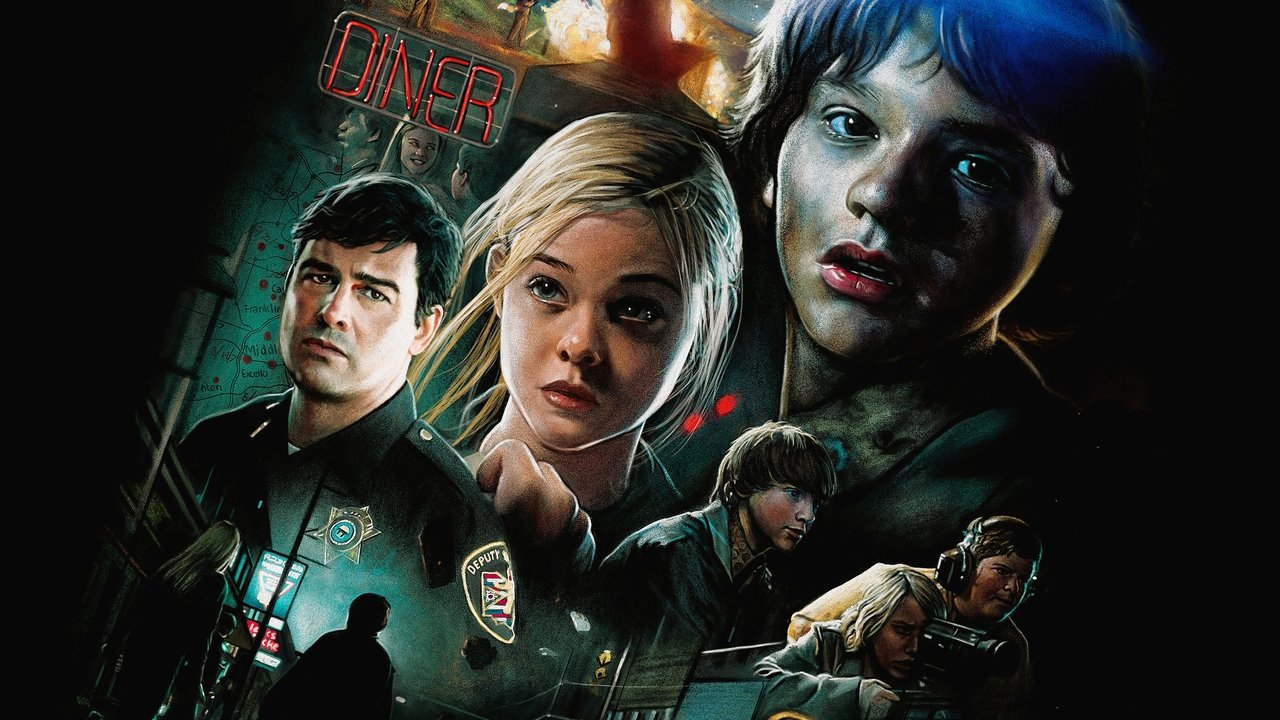
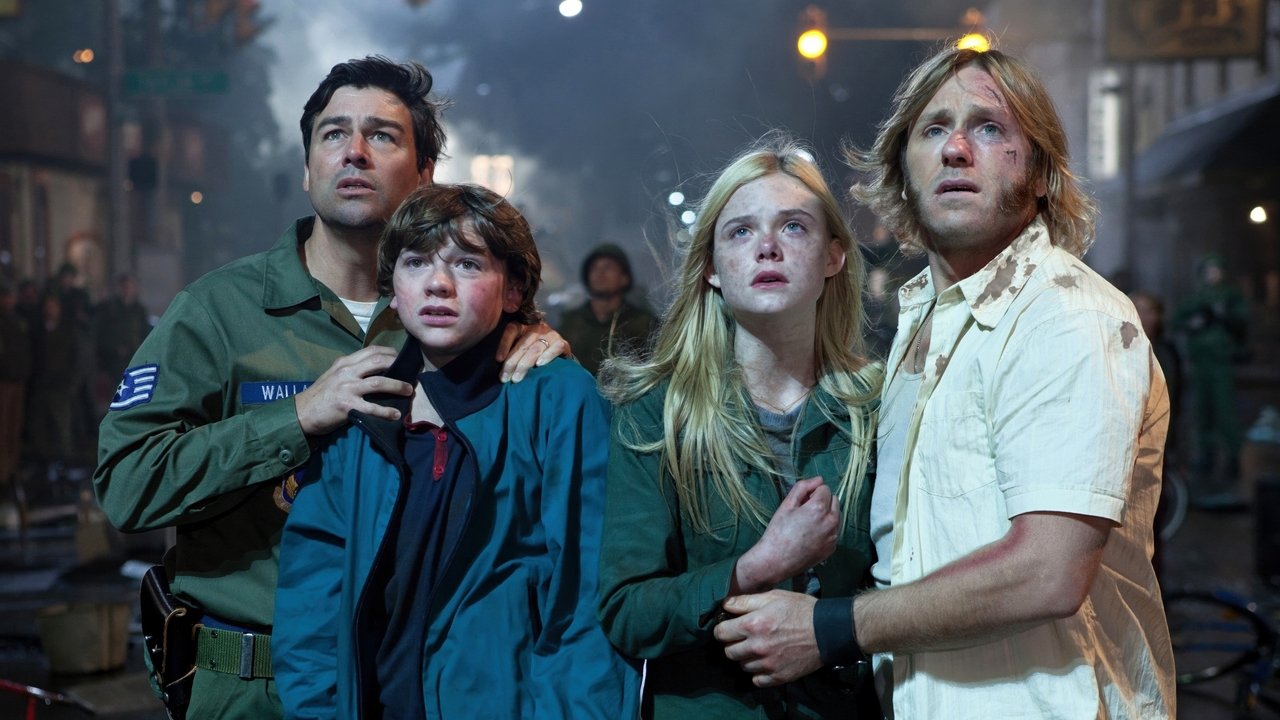
At its heart, Super 8 isn't really about an alien; it’s about a group of kids trying to finish their zombie movie before their parents realize they’ve snuck out. This is where the film finds its pulse. Joel Courtney is excellent as Joe, a kid grieving his mother, but the real standout is a young Elle Fanning (who later stunned in The Neon Demon). She plays Alice with a maturity that anchors the whole group. When she "acts" in the kids' homemade movie, her talent is so obvious it’s actually a plot point.
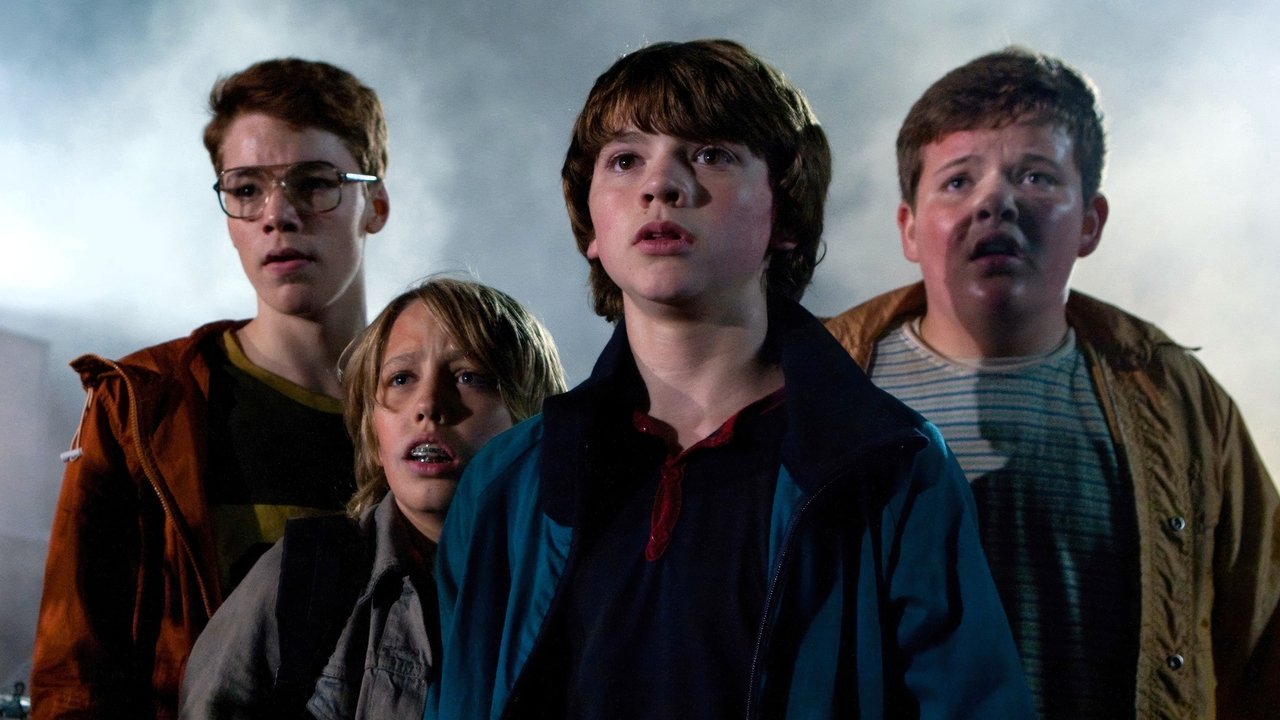
The chemistry between the boys—led by Riley Griffiths as the bossy, budding director Charles—feels lived-in and authentic to that specific 1979 era of "latchkey kid" freedom. They talk over each other, argue about production value, and obsess over "production value" (explosions) in a way that feels like a genuine tribute to the early days of Steven Spielberg, who produced the film. Watching them scramble around with their 8mm cameras reminded me of how we used to treat our first digital cameras—total amateur hour, but with 100% conviction.
A Train Wreck You Can Feel
Then there’s the scene. You know the one. The train crash in Super 8 is one of the loudest, most chaotic sequences of the 2010s. It’s completely ridiculous—train cars fly through the air like they’re made of balsa wood, defying every known law of physics. J.J. Abrams and cinematographer Larry Fong (who did the visuals for 300) shot it with such intensity that it feels less like a movie scene and more like being trapped inside a giant metal maraca.
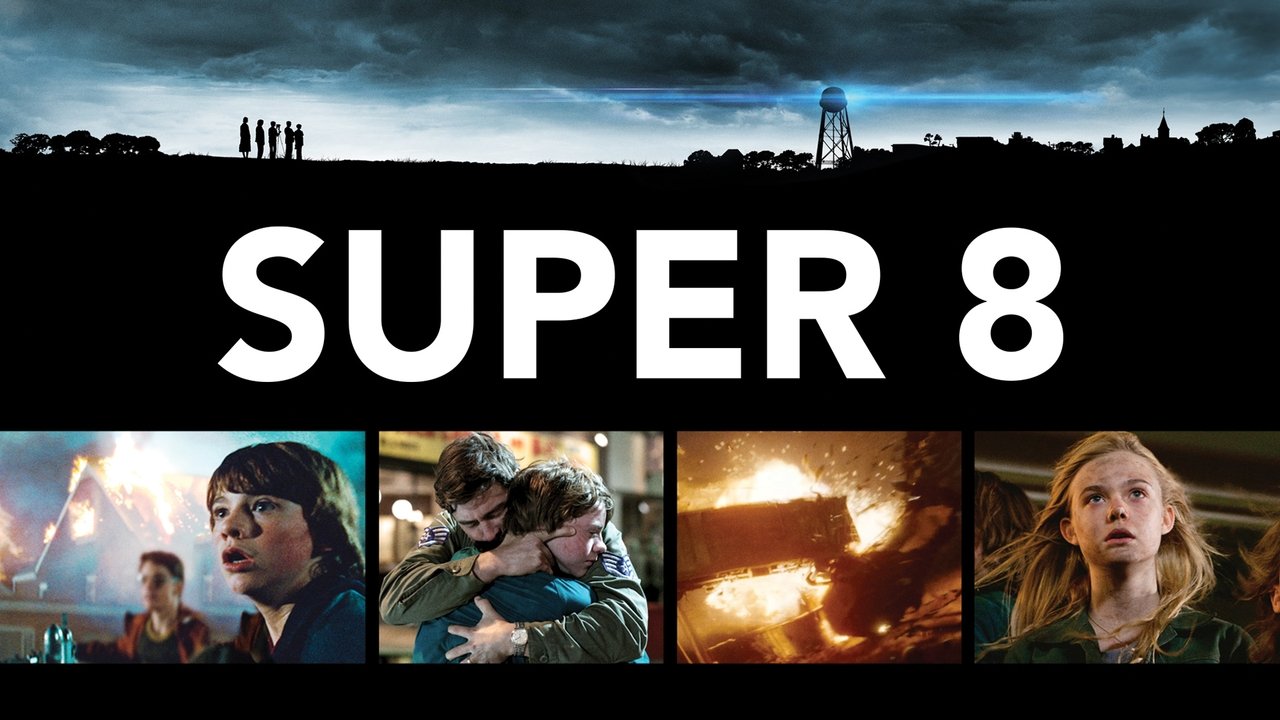
Looking back, the film perfectly captures that weird transition period in cinema where CGI was becoming capable of anything, but directors were still trying to ground it in a "filmic" look. The alien itself is a bit of a mixed bag. Designed by Neville Page, the same mind behind the Cloverfield beast, the monster looks like a crustacean that spent too much time in a microwave. While the CGI is technically impressive for 2011, the "Mystery Box" strategy arguably works against it; the more we see of the creature, the less interesting it becomes compared to the human drama between Joe and his distant father, played by Kyle Chandler (Friday Night Lights).
The Spielbergian Shadow and Big-Budget Trivia
The film was a significant hit, turning a $50 million budget into a $260 million global haul. It was a "Blockbuster" with a capital B, but one that felt strangely intimate. It captured the public’s imagination by tapping into a specific kind of Amblin-era nostalgia right before that became a tired trope. To make the world feel real, Elle Fanning actually learned to drive for the scene where the kids steal her dad’s car—she was only 12 at the time, which adds a layer of genuine "we’re doing something we shouldn't" energy to the performance.
The production was shrouded in secrecy, using the working title "Wicket" (a nod to Ewoks) to keep plot details from leaking. Abrams even went as far as using viral marketing—hidden websites and "S8Edit" software—to build a digital trail for fans to follow. It was a masterclass in modern hype, even if Abrams treats lens flares like they’re a mandatory religious ritual. Every light source in this movie, from a flashlight to a desk lamp, seems to emit a horizontal blue streak that threatens to blind the audience. It’s the director’s most famous quirk, and here, it’s dialed up to eleven.
A Legacy of Analog Hearts
What I find most interesting about Super 8 now is how it predated the massive wave of 80s-retro-kid-adventures like Stranger Things. It was ahead of the curve, proving that audiences were hungry for stories about kids on bikes facing down the unknown. The film's secret weapon, however, is the score by Michael Giacchino (Up, The Batman). It’s sweeping and emotional without being manipulative, providing the "wonder" that the script occasionally forgets to include.
The film wraps up with a high-stakes military showdown led by Noah Emmerich, but the real ending happens during the credits. We get to see "The Case," the actual short film the kids were making throughout the movie. It’s charming, silly, and features a cameo by AJ Michalka in heavy zombie makeup. It’s a reminder that while the big-budget alien spectacle is fun, the real story was always about the kids behind the camera.
Ultimately, Super 8 is a thrill ride that succeeds because it cares more about its characters than its creature. It captures a specific moment in cinema history where the digital future met the analog past, resulting in a film that feels both modern and timelessly old-fashioned. Even if the monster is a bit generic, the heart of the story—the friendship and the cameras—remains remarkably sharp. It’s the kind of movie that makes you want to go out and make something yourself, even if you don't have a $50 million budget to blow up a train.
Keep Exploring...
-

Knowing
2009
-
Limitless
2011
-
The Maze Runner
2014
-
Mission: Impossible III
2006
-
Signs
2002
-
Source Code
2011
-
Twelve Monkeys
1995
-
National Treasure: Book of Secrets
2007
-

Star Trek
2009
-
Star Trek Into Darkness
2013
-
Armageddon
1998
-

The X Files: I Want to Believe
2008
-
Pandorum
2009
-

The Fourth Kind
2009
-

Time Lapse
2014
-

Star Wars: The Force Awakens
2015
-
I Am Legend
2007
-
The Bourne Ultimatum
2007
-
Rise of the Planet of the Apes
2011
-

Prometheus
2012