Take Shelter
"Is the storm coming, or is he?"

The sky shouldn't look like that. In the opening moments of Take Shelter, the clouds hang low and bruised, heavy with a liquid that looks less like water and more like fresh motor oil. It’s a terrifyingly specific image, and it sets the tone for a film that lives entirely in the tightening chest of a man who can’t tell if he’s a prophet or a paranoid schizophrenic. When those birds start falling from the sky in synchronized, jagged patterns—a digital effect that Jeff Nichols uses with surgical precision—you realize this isn't just a standard thriller. It’s a ghost story where the ghost is your own DNA.
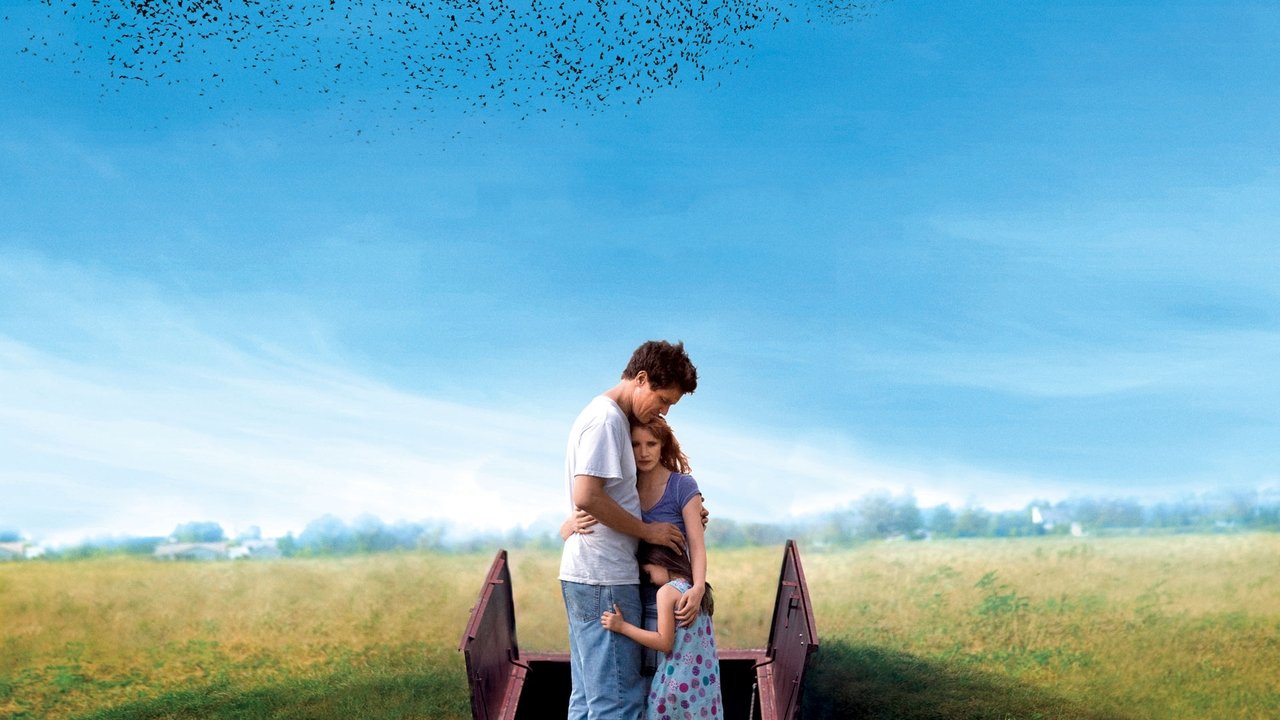
I first watched this movie in a cramped apartment during a literal thunderstorm, and my radiator chose that exact moment to start a rhythmic, metallic clanking. Every time Michael Shannon hit a shovel against the earth to build his backyard bunker, my heater echoed the thud. It turned the living room into a 4D experience I didn't ask for, but it perfectly highlighted how this movie weaponizes sound to make you feel like your own walls are closing in.
The Face of the Apocalypse
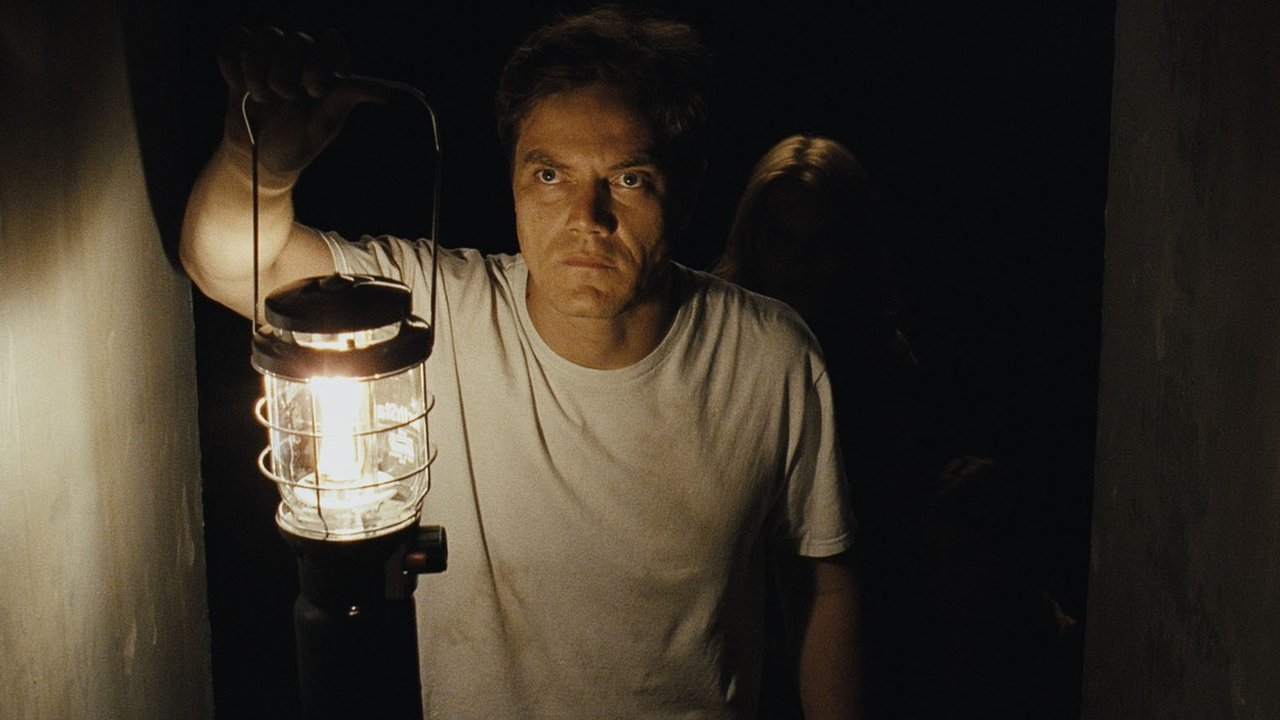
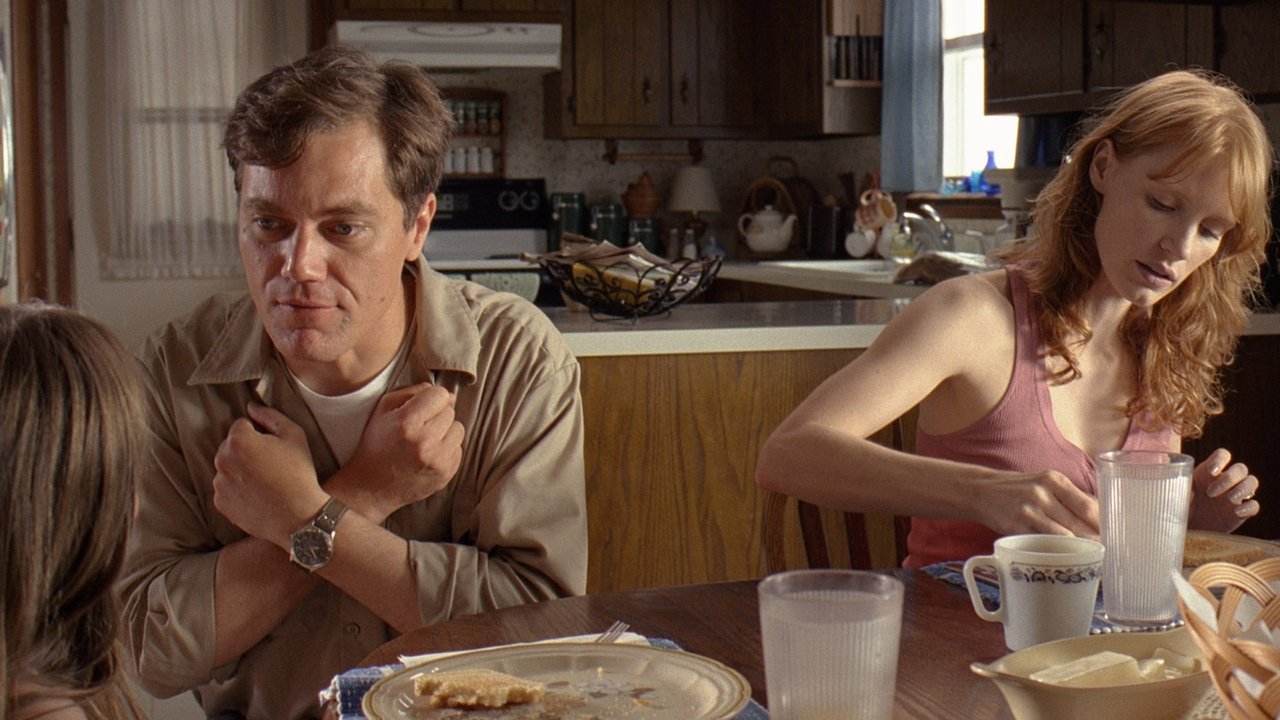
There is no one in modern cinema who does "quietly losing it" better than Michael Shannon. This was the role that cemented him as an indie powerhouse long before he was chewing scenery in Man of Steel (2013) or being unsettling in The Shape of Water (2017). As Curtis LaForche, Shannon gives us a man who is desperately trying to be "normal." He has a stable job in sand mining, a loving wife, and a deaf daughter who needs expensive surgery. He has everything to lose, which makes his descent into obsession feel profoundly heavy.
Shannon’s performance is all in the jaw. You can see the physical effort it takes for him to keep his mouth shut about the dreams he’s having—dreams of his dog biting him, of his friends turning into shadows, of a storm that will wipe the world clean. He knows his mother was diagnosed with paranoid schizophrenia at the same age he is now. He is terrified that his brain is a ticking time bomb, and watching him try to "logically" prepare for an apocalypse while simultaneously checking himself into a mental health clinic is heartbreaking.
The Anchor in the Storm
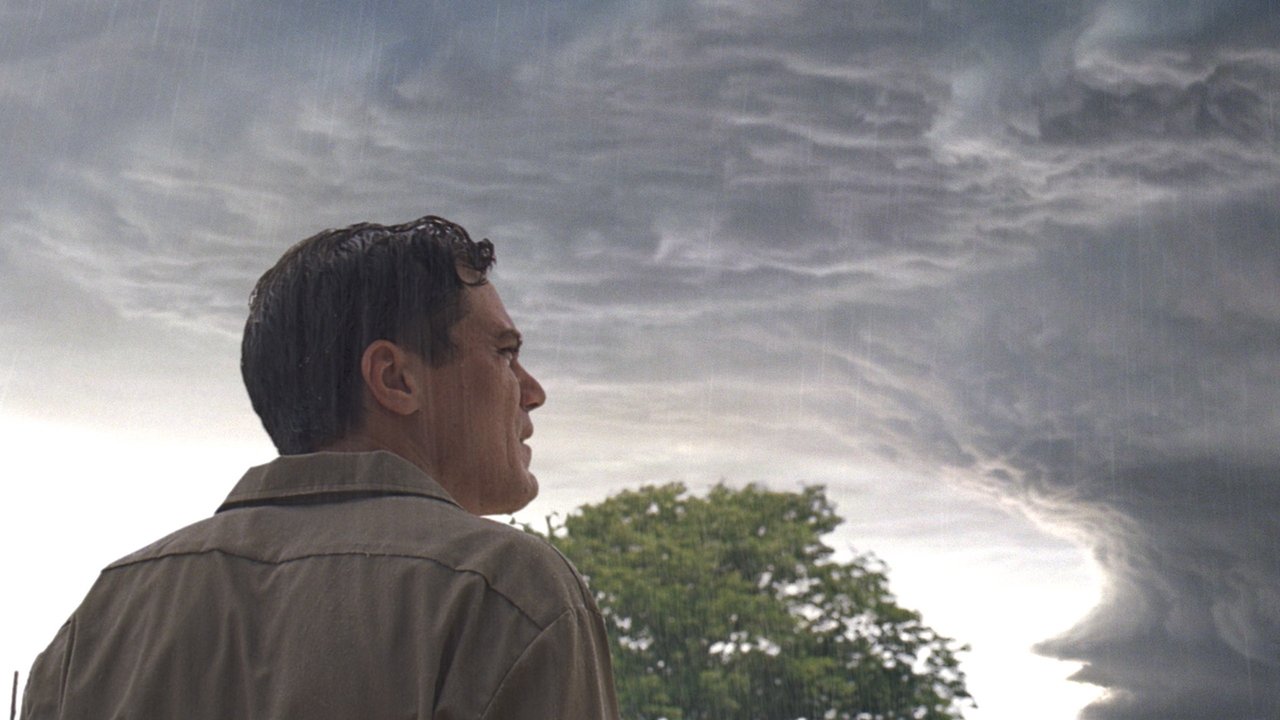
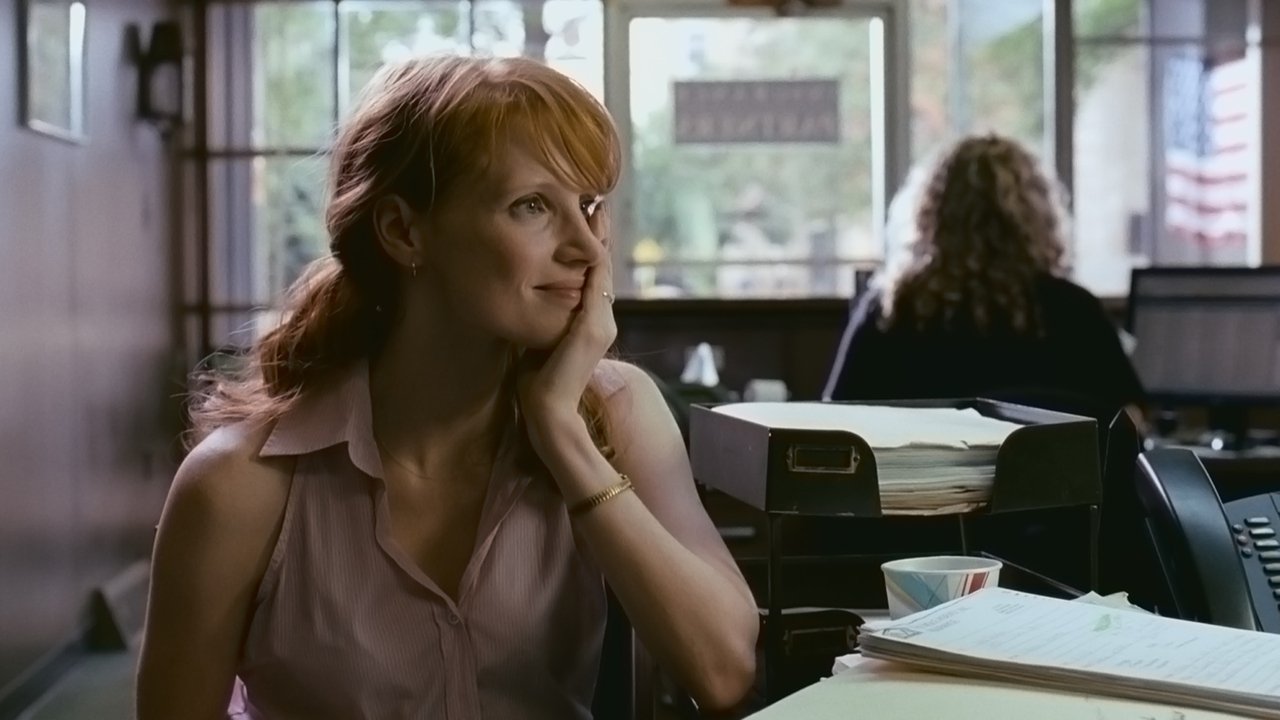
While Shannon provides the lightning, Jessica Chastain is the earth. Coming off a massive year that included The Tree of Life and The Help, Chastain plays Samantha with a groundedness that prevents the movie from spinning off into pure melodrama. Most "wife" roles in these types of thrillers are written as obstacles—nagging voices that exist only to tell the protagonist he’s crazy. Nichols is smarter than that.
Samantha is a partner. When she finds out Curtis has risked their life savings and his job to build a ridiculous shipping-container bunker in the backyard, her reaction isn't just anger; it’s a profound sense of betrayal. The chemistry between her and Shannon feels lived-in and exhausted in the way real marriages do. There’s a scene in a community center during an actual storm warning where Curtis finally snaps, and the look of sheer, empathetic terror on Chastain’s face is what makes the scene legendary. It’s not just a "scary movie" moment; it’s a domestic tragedy unfolding in public.
Small Budget, Massive Dread
Take Shelter was made for a measly $5 million, which is essentially the catering budget for a Marvel movie, yet it looks and sounds better than most $200 million spectacles. This was the era where digital effects were becoming accessible to indie filmmakers, and Jeff Nichols used them to enhance the atmosphere rather than replace it. The CGI flocks of birds and the roiling, unnatural clouds have a dreamlike quality that feels "off" in a way that’s intentionally unsettling.
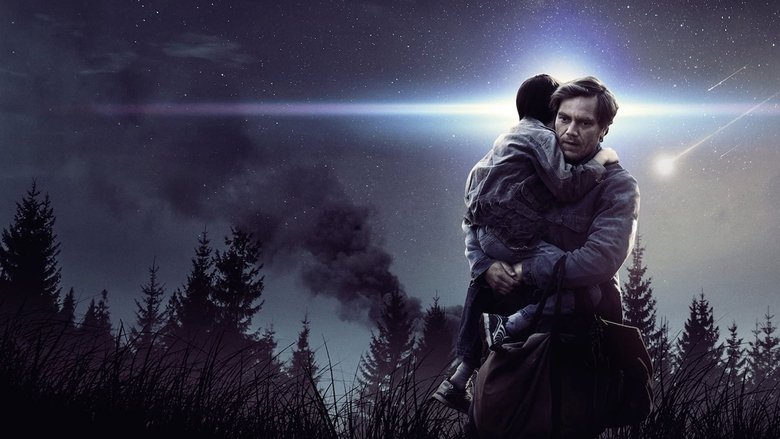
The cinematography by Adam Stone (who has shot all of Nichols' films, including Midnight Special) captures the flat, expansive landscapes of Ohio with a sense of predatory stillness. The horizon always feels like it’s hiding something. This is post-2008 cinema at its most honest—a film about the crushing anxiety of being a provider in a world where the economy, the environment, and even your own health can be pulled out from under you without warning. Curtis isn't just building a shelter from rain; he’s building a cage for his own fear.
This is a film that demands your full attention and rewards it with a lingering sense of unease. It’s a horror movie where the monster is a medical diagnosis, and a thriller where the "ticking clock" is the protagonist's sanity. By the time the final frame cuts to black, you’ll be looking at the horizon a little differently. Take Shelter is a masterclass in tension that proves you don't need a massive budget to depict the end of the world—you just need a backyard, some heavy clouds, and Michael Shannon's terrifying eyes.
Keep Exploring...
-
Inland Empire
2006
-
Thirst
2009
-

Black Swan
2010
-
The Last House on the Left
2009
-
Mud
2013
-
Martyrs
2008
-
The Skin I Live In
2011
-
Midnight Special
2016
-
Undisputed II: Last Man Standing
2006
-
United 93
2006
-
Before the Devil Knows You're Dead
2007
-

The Iceman
2012
-

Disconnect
2013
-
Kill Your Darlings
2013
-
The Orphanage
2007
-
Candyman
1992
-

The Gift
2000
-
Black Book
2006
-
Tell No One
2006
-
Mesrine: Killer Instinct
2008