The Adjustment Bureau
"Love is the only variable they can't control."

There is a specific, frantic energy to New York City that filmmakers usually try to capture with quick cuts and loud horns, but director George Nolfi found a way to make the pavement itself feel like a labyrinth. In the early 2010s, we were in the middle of a specific "high-concept" boom. Inception had just melted our collective brains a year prior, and audiences were suddenly hungry for movies that required a whiteboard to explain the third act. Yet, The Adjustment Bureau arrived with a surprisingly light touch, trading heavy exposition for a pair of incredible leads and some very sharp millinery.

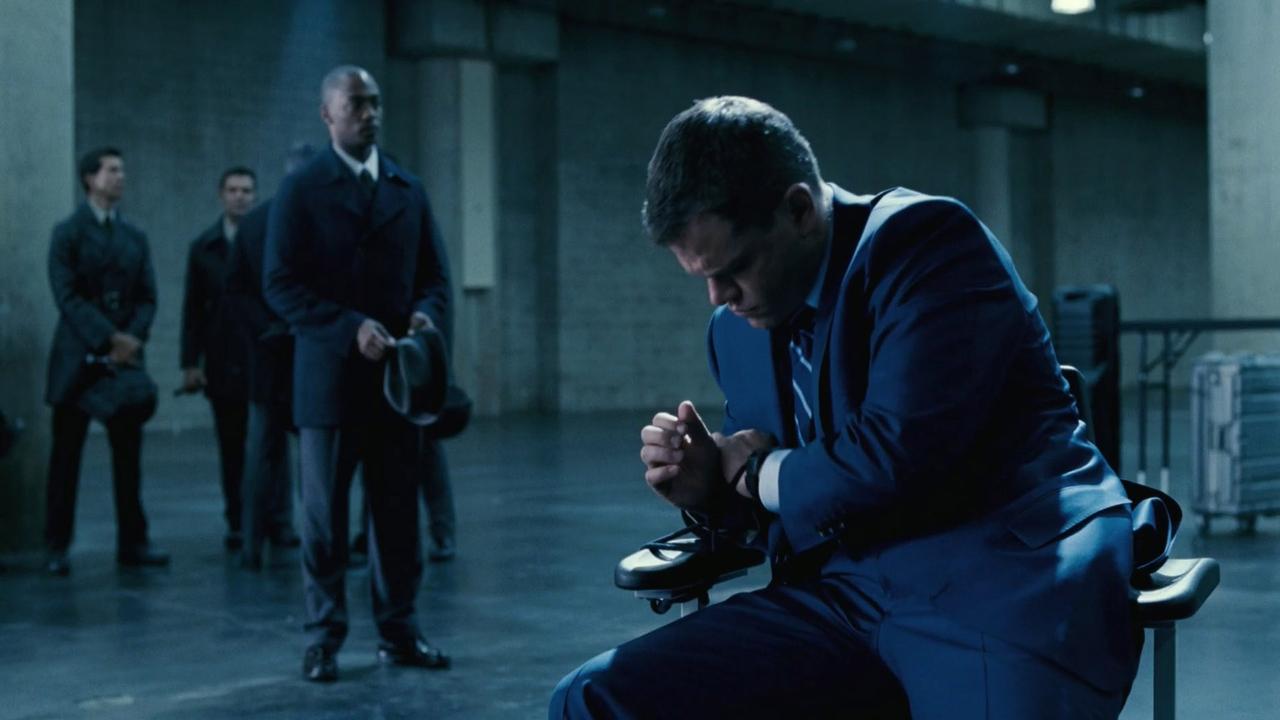
I watched this recently on a rainy Tuesday while eating a slightly stale bagel, and I realized that the film’s version of "The Great Beyond" looks exactly like a Midtown law firm. It’s a wonderfully mundane take on the supernatural. Instead of winged angels or glowing orbs, we get John Slattery and Anthony Mackie as cosmic case officers wearing grey suits and fedoras, clutching Moleskine notebooks that dictate the "Plan" of human history. It’s "The Matrix" re-imagined by someone who spent too much time in a corporate HR seminar.
A Romance Wrapped in a Conspiracy Theory
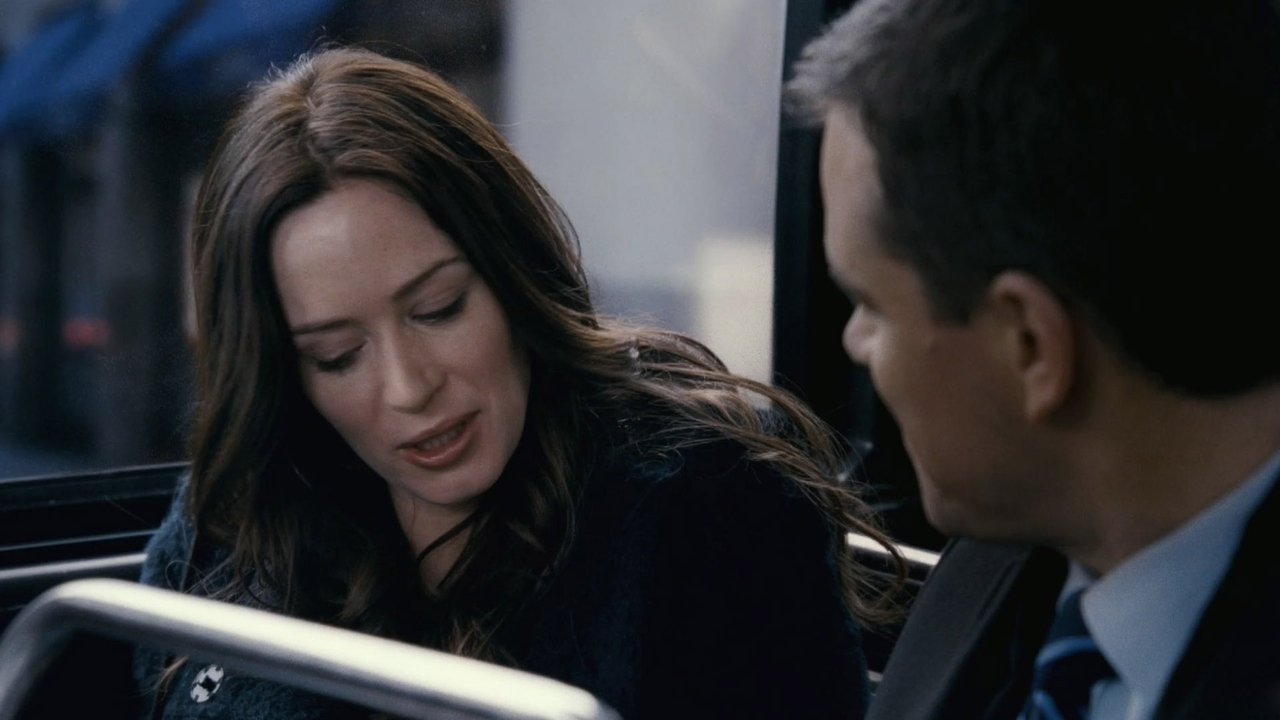
The engine of this movie isn't the sci-fi—it’s the chemistry. Matt Damon plays David Norris, a charismatic politician who suffers a public defeat and hides in a bathroom to practice his concession speech. There, he meets Elise, played by Emily Blunt in a performance that essentially served as her "superstar" coronation. Their meet-cute is genuine, sparky, and feels entirely unscripted.
When the Adjustment Bureau intervenes to keep them apart because David is "destined" for the White House and Elise is "destined" to be a world-class dancer—and their love would somehow ruin both—you actually care. Usually, in these "Fate vs. Free Will" stories, I’m rooting for the universe because the humans are boring. Here, I wanted David to flip the table on the cosmic supervisors just so he could get Elise’s phone number. The Adjustment Bureau is essentially a sci-fi movie for people who usually find sci-fi annoying, because it prioritizes a heartbeat over a hard drive.

The mechanics of the world are cleverly low-tech. The Bureau agents move through NYC using "ripples" in space, turning ordinary doors into portals that bridge the gap between the Upper West Side and Yankee Stadium. It’s a great use of practical locations, making the city feel like a giant puzzle box. I once wore a fedora to a wedding in 2012 thinking I looked like John Slattery’s character, Richardson, but I actually looked like a kid trying to sell newspapers in a 1920s musical. Seeing the "Agents" here, I’m reminded that some looks only work if you have the power to alter the fabric of reality.
The "Plan" Behind the Scenes
Looking back at this era of 2011 cinema, the film sits in that interesting gap where digital effects were becoming seamless but hadn't yet replaced the need for good old-fashioned foot chases. The production team leaned into the Philip K. Dick source material (the short story "Adjustment Team") but stripped away the 1950s paranoia in favor of something more hopeful.
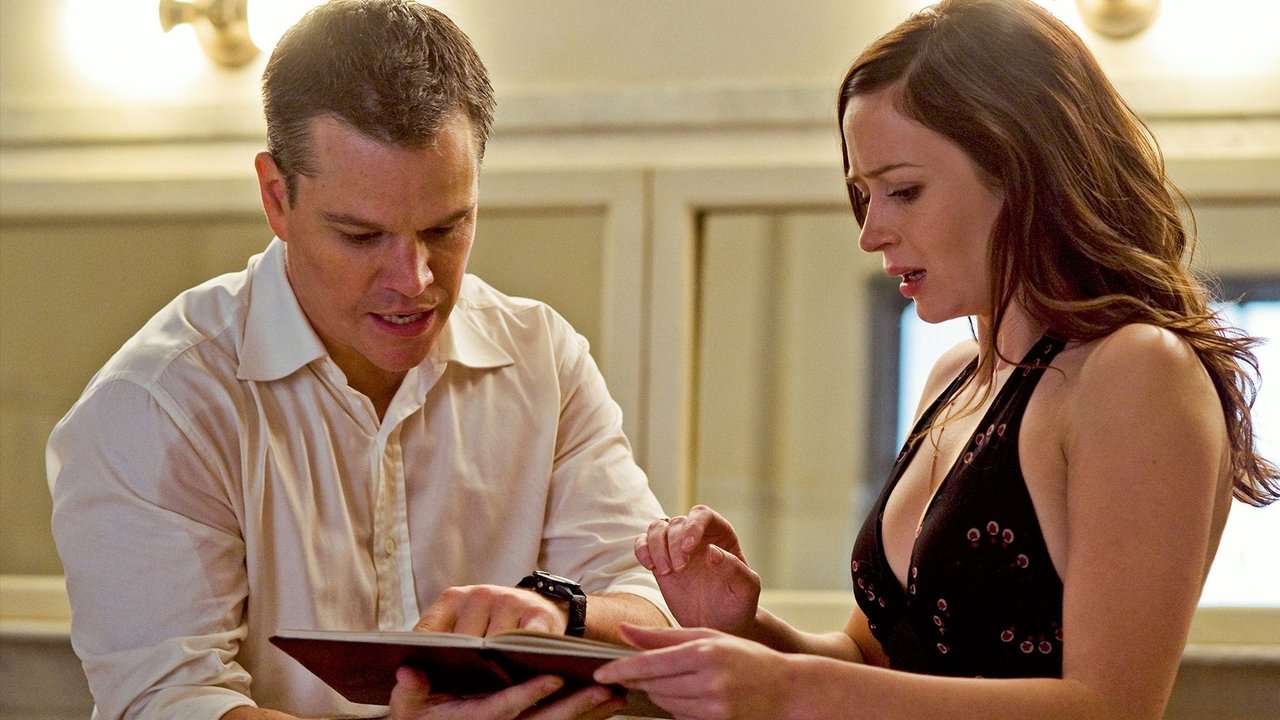
The "Ink" Tech: The digital notebooks the agents carry were cutting-edge for the time. The production used a mix of real paper and CGI "living ink" that moved and shifted to show the changing paths of the Plan. The Dance: Emily Blunt underwent grueling professional dance training for months to play Elise. She wasn't a dancer before the film, but she sells the physicality so well that you never question her "destined greatness." Location, Location: The film shot in actual high-traffic areas of Manhattan, including the New York Public Library and the Meatpacking District. They often had to hide the cameras to avoid stopping the real New York crowds. The Original Ending: There was a version of the film where "The Chairman" (God) actually appeared as an elderly woman in a library. Test audiences found it a bit too literal, so the ending was reshot to be more ambiguous and focused on the couple’s choice. * Mackie’s Compassion: Anthony Mackie brings a surprising amount of soul to Harry, the agent who begins to feel guilty about ruining David’s life. It was one of the first times I realized Mackie could do "quiet and contemplative" just as well as he does "action hero."
The film does stumble slightly in its final sprint. As the stakes move from "will they get coffee?" to "will they break the universe?", the internal logic gets a little fuzzy. Why can they only use doors if they’re wearing hats? Why does water block their powers? It’s best not to overthink it. The movie works because it treats a kiss like it’s more important than a cosmic decree, and in the landscape of 2010s blockbusters, that felt radical.
It’s a stylish, breezy thriller that manages to be about something without being "about something," if you catch my drift. It’s the perfect "I want to watch a movie but I don't want to feel miserable" choice for a Friday night. It’s a reminder that even if the universe has a plan for us, the best parts of life are usually the ones where we go off-script. If you missed this one during the 2011 shuffle, it’s aged surprisingly well—much better than my short-lived fedora phase, anyway.
Keep Exploring...
-
Elysium
2013
-
Gattaca
1997
-

Looper
2012
-

X-Men: The Last Stand
2006
-
Next
2007
-

G.I. Joe: The Rise of Cobra
2009
-
Surrogates
2009
-

Terminator Salvation
2009
-

Killers
2010
-

The Book of Eli
2010
-

The Tourist
2010
-
Contagion
2011
-

I Am Number Four
2011
-

Battleship
2012
-

Total Recall
2012
-

World War Z
2013
-

Transcendence
2014
-
The Saint
1997
-

Final Fantasy: The Spirits Within
2001
-

The Bourne Ultimatum
2007