The Adventures of Tintin
"High-seas adventure in a digital skin."

There is a specific kind of magic that happens when a director stops trying to fight technology and starts playing with it like a kid in a sandbox. In 2011, the world was still recovering from the blue-hued fever dream of Avatar, and the "Uncanny Valley"—that creepy place where digital humans look just real enough to be unsettling—was the talk of every film blog. Then Steven Spielberg walked in, dusted off a 1930s Belgian comic strip, and decided to prove that motion capture wasn't just for aliens and giant apes. I watched this film for the third time recently while my neighbor was leaf-blowing his yard for three hours straight, and the roar of his machine actually synced up perfectly with the sea gale scenes, making the whole experience unexpectedly immersive.
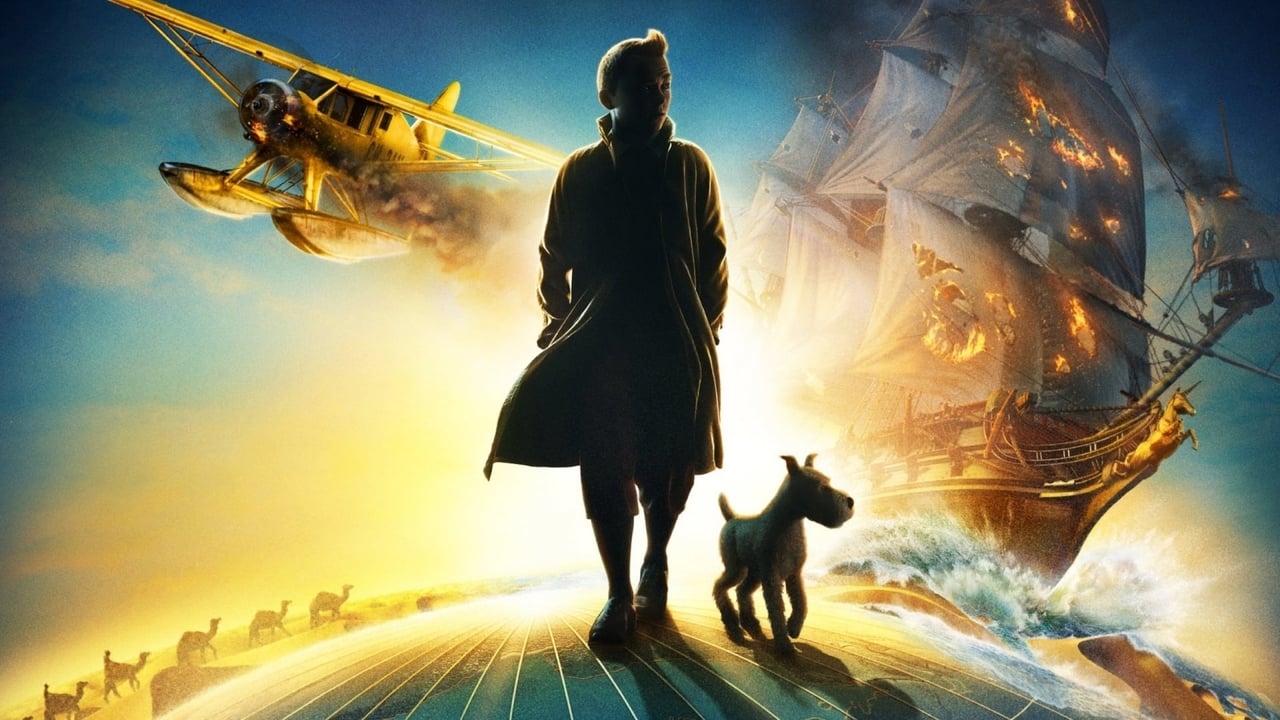
The Uncanny Valley of Delight
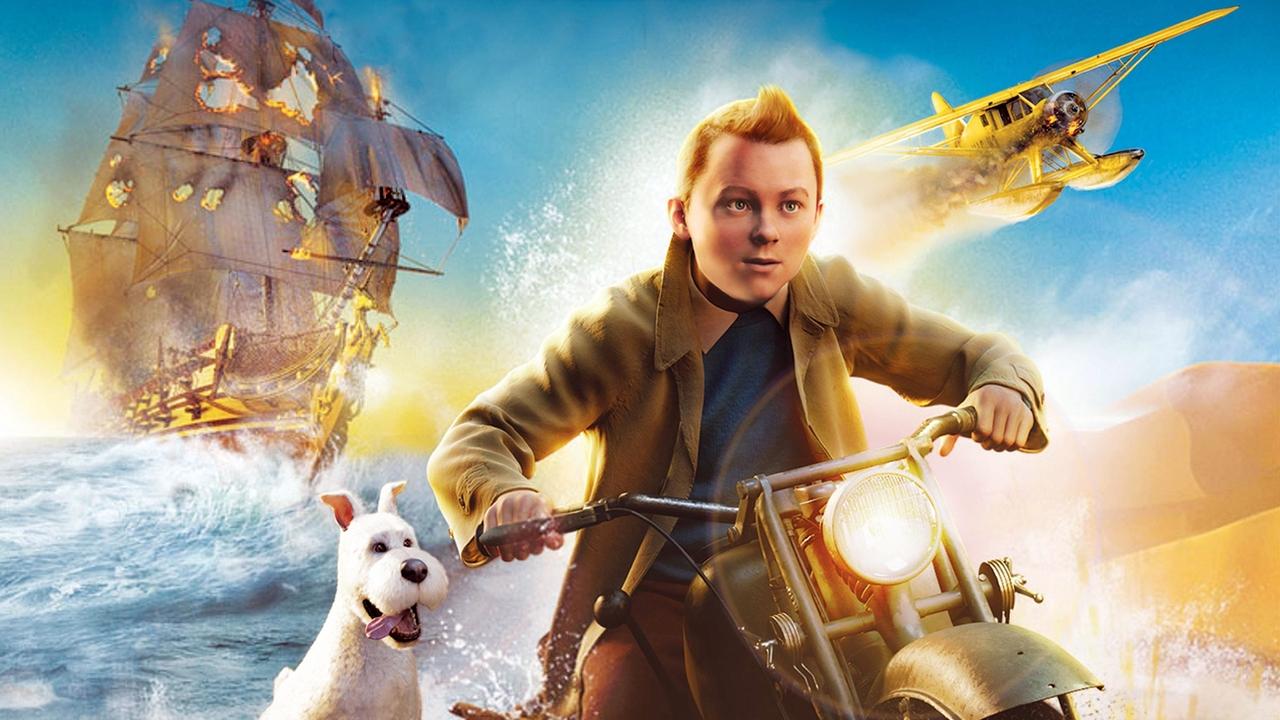
When I first heard Spielberg was tackling The Adventures of Tintin, I was skeptical. I grew up with the Hergé comics; I knew the flat, "clear line" style of the drawings. Moving that into a 3D space felt like a recipe for disaster. But the result is something that feels uniquely situated in that 1990–2014 transition era. It’s a period where CGI stopped being a gimmick and started being a paintbrush. Spielberg, working with the wizards at Weta Digital, didn't try to make Jamie Bell look like a real human being. Instead, he made him look like a living, breathing version of the comic.
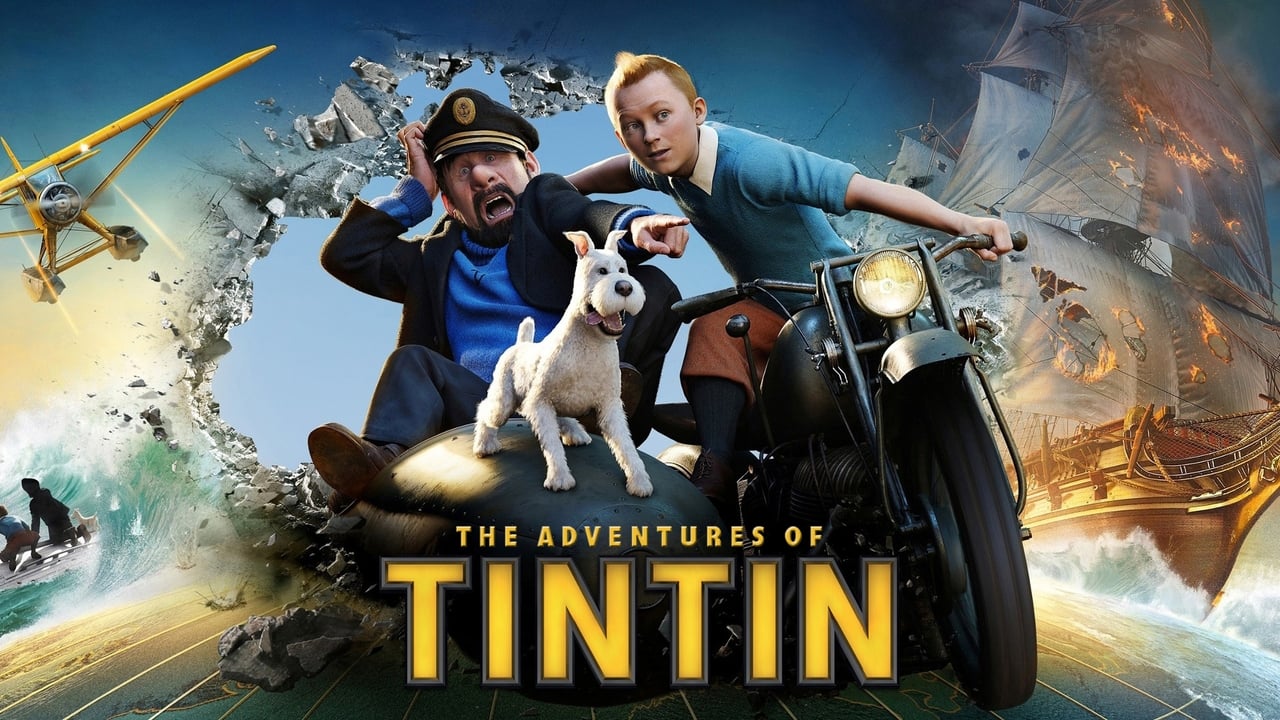
Jamie Bell brings a wonderful, understated earnestness to Tintin, but the film is well-aware that the star of the show is the technology—and Andy Serkis. Looking back, this was the moment we all realized Andy Serkis was the secret weapon of the 21st century. As Captain Haddock, he provides a performance so drenched in pathos and slapstick that you forget you’re looking at a cluster of pixels. It’s the best Indiana Jones movie that doesn't actually have Indiana Jones in it.
A Script with Quick-Fire Wit
The DNA of this film is a fascinating "who's who" of British talent. You’ve got a screenplay by Edgar Wright (who gave us Shaun of the Dead) and Joe Cornish (Attack the Block). Their fingerprints are everywhere—the dialogue is snappy, the jokes are visual, and the pacing is relentless. They managed to take three different Tintin books and stitch them into a narrative that feels like a classic 1940s mystery.
The casting of Nick Frost and Simon Pegg as the bumbling detectives Thompson and Thomson is a stroke of genius. Their chemistry, honed over years of working together, translates perfectly into the digital realm. Then there’s Daniel Craig as the villainous Sakharine. Before he was the rugged Bond we know now, he was doing these wonderfully theatrical turns. He plays the villain with a sneer you can practically feel through the screen. Interestingly, the production was a bit of a "secret club" vibe—Spielberg shot the entire thing in just 32 days on a motion-capture stage, using a "virtual camera" that allowed him to see the digital world in real-time. It allowed him to do things with a camera that physics usually forbids.
The One-Take Wonder and the Legacy
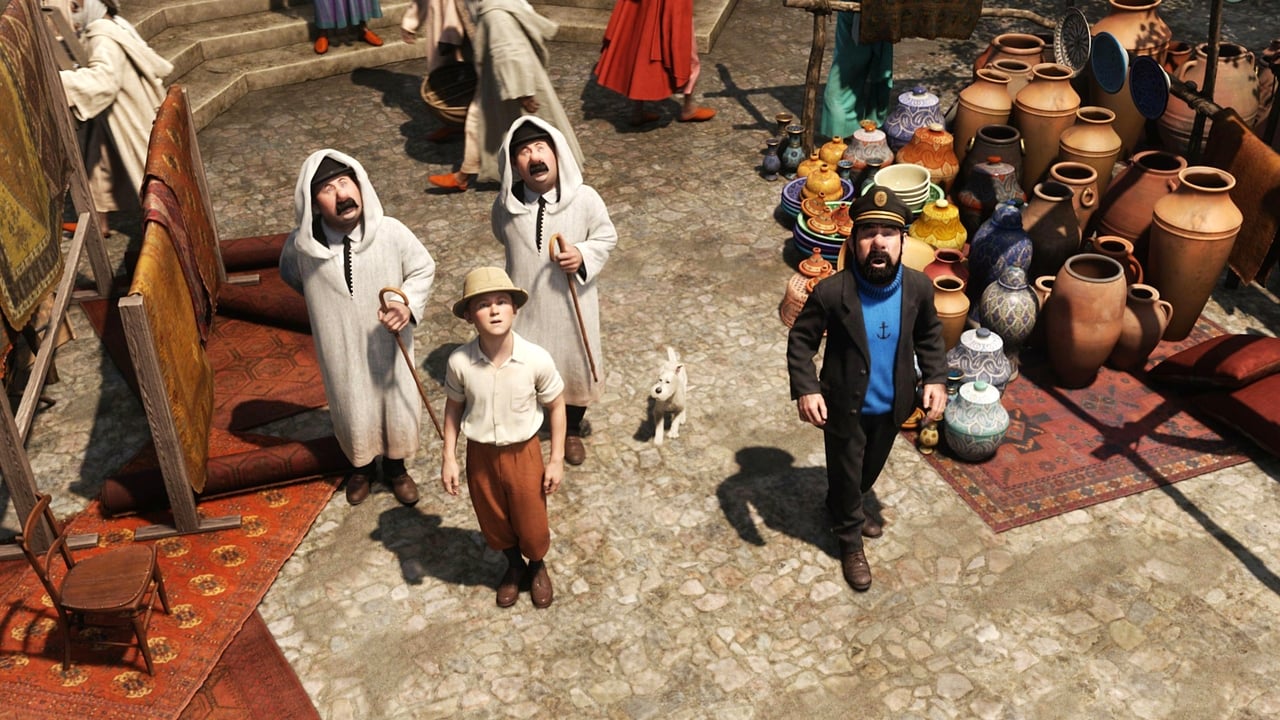
If you want to see why this movie has such a devoted cult following today, look no further than the motorcycle chase in Bagghar. It is a four-minute, "one-take" sequence that defies gravity and logic. In 2011, this was a flex of digital muscle that left audiences breathless. Looking back now, it represents a moment where directors realized they could finally escape the limitations of cranes and dollies.
The film was a massive hit in Europe—where Tintin is practically a religion—but it did "just okay" in the States. This led to its current status as a bit of a lost treasure. Fans have spent the last decade-plus obsessively tracking quotes from Peter Jackson, who was supposed to direct the sequel. Apparently, Hergé himself actually sent a letter to Spielberg back in the 80s, shortly before the artist's death, saying he was the only director who could do his creation justice. That weight of history is felt in every frame.
The movie also features a cameo from Hergé himself; he’s the street artist drawing Tintin in the very first scene. It’s a lovely touch that bridges the gap between the analog past and the digital future. Even the score by John Williams feels like a departure from his usual bombast, opting for something more "European caper" and light on its feet.
The Adventures of Tintin is a rare breed of film that feels more impressive the further we get from its release. While other 2011 CGI projects have started to look a bit "crunchy" and dated, the stylized art direction here keeps it feeling fresh. It’s a masterclass—wait, I promised no buzzwords—it’s a spectacular example of how to use technology to enhance a story rather than replace it. Captain Haddock is essentially a high-functioning alcoholic for kids, and yet, he’s one of the most sympathetic characters Spielberg has ever put on screen. If you haven't revisited this one since the days of 3D glasses and DVD rentals, it’s time to dig it back up. The treasure is real.

Keep Exploring...
-

War Horse
2011
-

Flushed Away
2006
-
A.I. Artificial Intelligence
2001
-

Open Season
2006
-

Bee Movie
2007
-
Meet the Robinsons
2007
-

Bolt
2008
-
Indiana Jones and the Kingdom of the Crystal Skull
2008
-
Monsters vs Aliens
2009
-
Tangled
2010
-
Rango
2011
-

Sherlock Holmes: A Game of Shadows
2011
-

Brave
2012
-
ParaNorman
2012
-
Rise of the Guardians
2012
-
Wreck-It Ralph
2012
-
Epic
2013
-
Oblivion
2013
-
Mr. Peabody & Sherman
2014
-
Penguins of Madagascar
2014