The Art of Getting By
"Doing nothing is a full-time job."
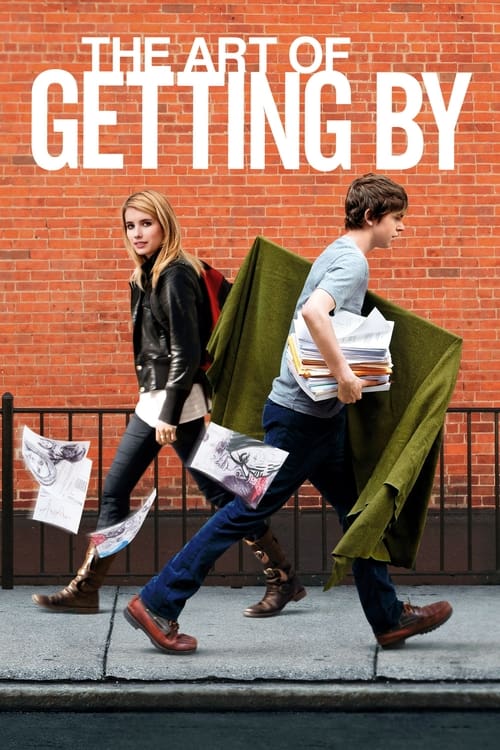
There was a specific flavor of cinematic melancholy that peaked around 2011, a sort of "Upper East Side existentialism" where the greatest tragedy a person could face was having to turn in a math assignment. We were deep into the indie-film-as-a-lifestyle era, where every protagonist needed a sketchbook, a vintage coat, and a playlist full of bands that sounded like they were recorded in a drafty barn. Gavin Wiesen’s The Art of Getting By arrived right at the tail end of this trend, landing in theaters like a late-to-the-party guest who still thinks irony is a personality trait.

I first watched this while recovering from a wisdom tooth extraction, and let me tell you, the combination of high-grade painkillers and George Zinavoy’s nihilism made the film’s central philosophy—that we’re all going to die anyway, so why do homework?—feel like a profound universal truth rather than a teen tantrum. Looking back at it now, without the pharmaceutical assistance, it’s a fascinating time capsule of a moment when "indie" stopped being a production method and started being a costume.
The Sundance Ghost of 2011
By the time this film hit the circuit, the digital revolution had fully democratized the "mumblecore" aesthetic. You didn't need a massive studio budget to make a movie that looked expensive; you just needed a DSLR and a very specific color grade. The Art of Getting By is a prime example of the Sundance-bait that populated the late 2000s and early 2010s. It’s polished, handsomely shot by Ben Kutchins (who would go on to do great work on Ozark), and feels like it was grown in a laboratory specifically to be sold to Fox Searchlight.
The film follows George, played by a perpetually slouching Freddie Highmore, a kid who has coasted through his entire school career by simply refusing to participate. He’s the "Catcher in the Rye" kid for the Tumblr generation. Freddie Highmore is basically playing a sentient turtleneck here—all soft edges, muffled emotions, and a persistent sense of being slightly too cold. It’s a performance that works because Highmore has a natural soulfulness, but looking back, you can see him straining against the script’s desire to make him "quirky" rather than human.
Then there’s Sally, played by Emma Roberts, who was then in the middle of her transition from Nickelodeon star to the indie world’s favorite "complicated girl." She’s the popular kid who sees something in the weirdo in the back of the class. It’s a trope as old as time, but the chemistry between the two is surprisingly grounded. They don't feel like movie stars; they feel like two kids who are equally terrified of the fact that their childhoods are expiring in ten minutes.
Apathy as an Aesthetic
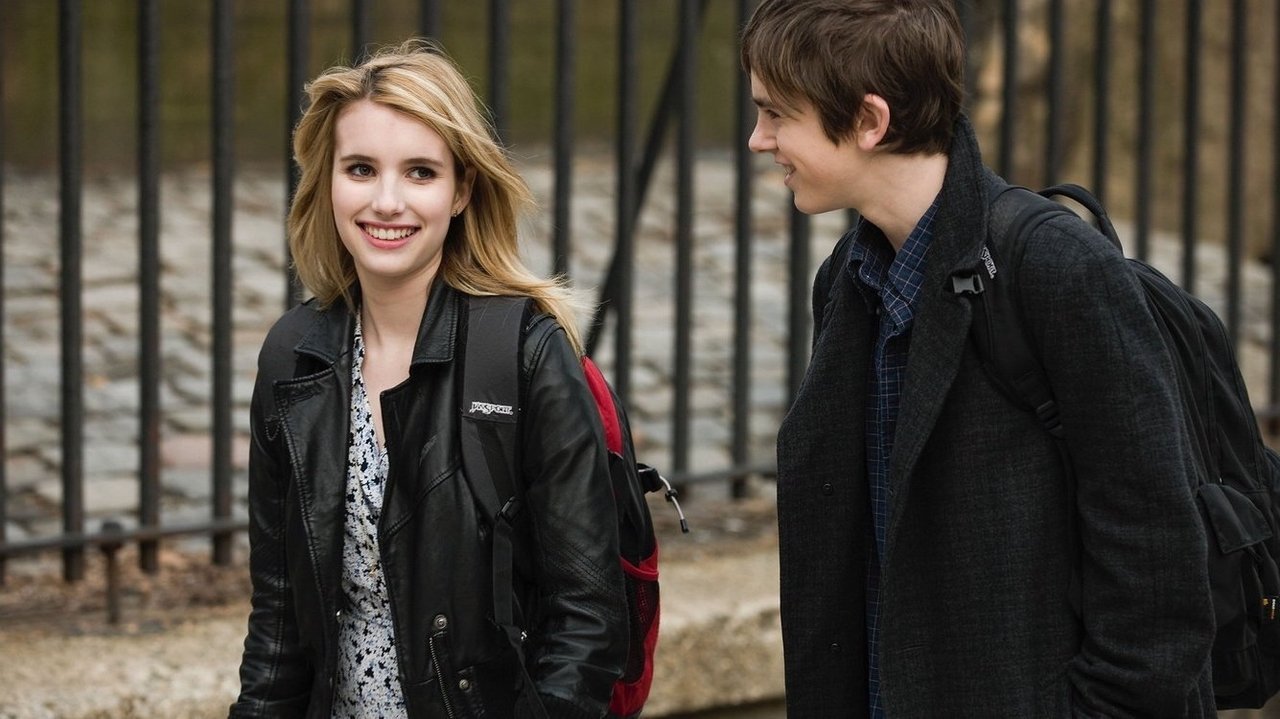
The film’s greatest strength—and its most glaring era-specific flaw—is its dedication to George’s fatalism. In 2011, the world was still reeling from the 2008 financial crash, and there was a creeping sense among the youth that the "old way" of doing things (grades, college, career) was a bit of a scam. George’s refusal to do work isn't just laziness; it’s a protest against a world he finds meaningless.
However, because the film is set in a world of immense privilege, his rebellion often feels like a rich kid’s version of a hunger strike. He’s surrounded by people trying to help him: a concerned principal played by Jarlath Conroy, a mentor artist played by the always-reliable Michael Angarano (who was seemingly in every indie movie between 2005 and 2012), and even a teacher played by Alicia Silverstone. It’s hard to stay fully on George’s side when his biggest problem is that he’s too talented at painting to bother with graduation.
The script, also by Gavin Wiesen, leans heavily into the "wise beyond their years" dialogue that defined the era. It’s the kind of movie where people don't have conversations; they exchange manifestos. While it can feel a bit precious, there’s an earnestness to it that I find missing in today’s more cynical, meta-aware teen dramas. It’s a movie that believes in the weight of a first crush and the tragedy of a blank canvas.
Why It Vanished (And Why to Find It)
The Art of Getting By originally premiered at Sundance under the much more literal title Homework. It was picked up for distribution but barely made a dent at the box office, clawing its way to just over $1.4 million. It vanished because it was overshadowed by bigger, louder entries in the genre, and perhaps because the "misunderstood teen artist" trope was starting to wear thin for audiences.
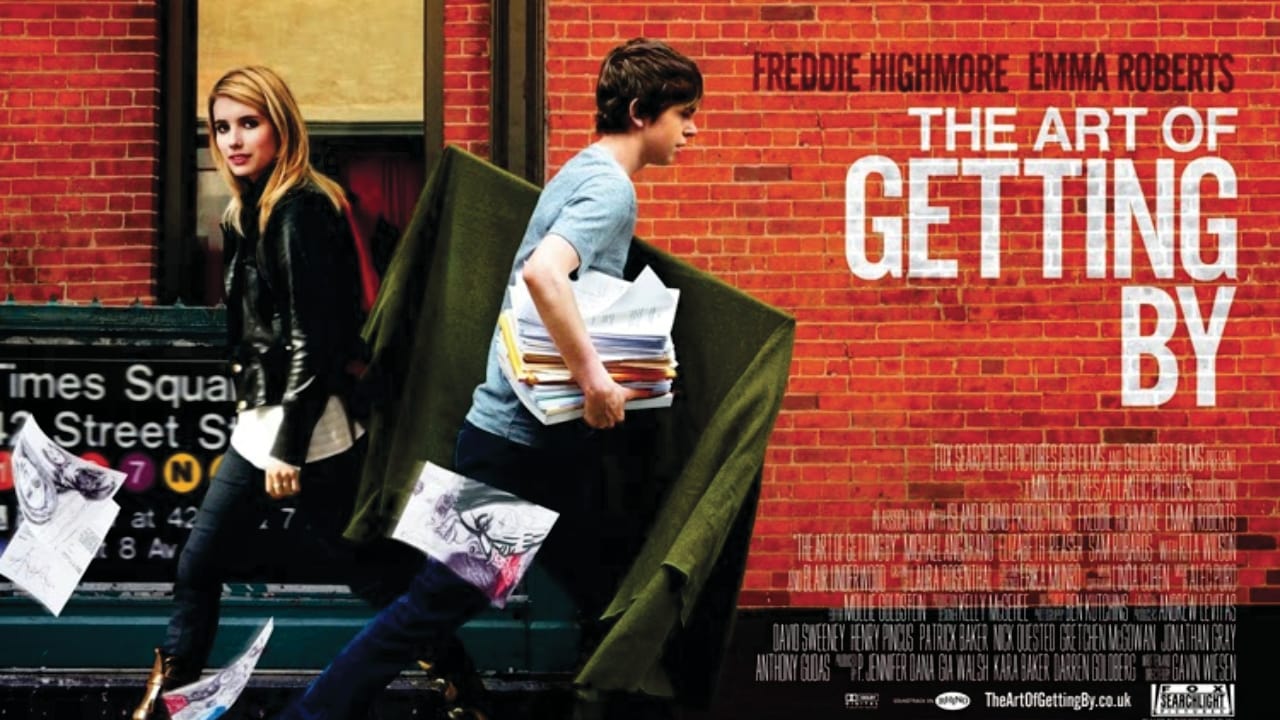
But looking at it through the lens of a retrospective, there’s a lot to appreciate. The soundtrack is a perfect 2011 time capsule, featuring the likes of The Shins and Leonard Cohen—the mandatory sonic wallpaper of the era. It also features a brief appearance by Sasha Spielberg (yes, Steven’s daughter), which is the kind of "if you know, you know" trivia that makes these small productions fun to revisit.
There’s also the fascinating "what if" regarding the cast. This was the moment before Freddie Highmore became the Bates Motel and The Good Doctor powerhouse, and before Emma Roberts became a Ryan Murphy mainstay. Seeing them here, unburdened by their later television personas, is a treat. They bring a sincerity to the material that prevents it from sliding into total pretension.
It’s not a masterpiece, and it’s certainly not groundbreaking. It is, however, a beautifully shot, slightly melancholic window into a specific cultural mood. It’s for the nights when you feel like the world is too much and you’d rather just draw in the margins of your notebook than face the "real world."
In the end, The Art of Getting By is a movie about the terror of potential. It’s easy to be a genius if you never actually produce anything; the moment you try, you risk failure. For all its indie posturing and "fatalistic teen" clichés, that central anxiety remains remarkably relatable. It’s a quiet, flawed little film that deserves a fifty-minute window on a rainy Sunday afternoon—even if you don't have a wisdom tooth extraction as an excuse to watch it.

Keep Exploring...
-

A Good Year
2006
-
Just My Luck
2006
-
Across the Universe
2007
-
Becoming Jane
2007
-
Dan in Real Life
2007
-
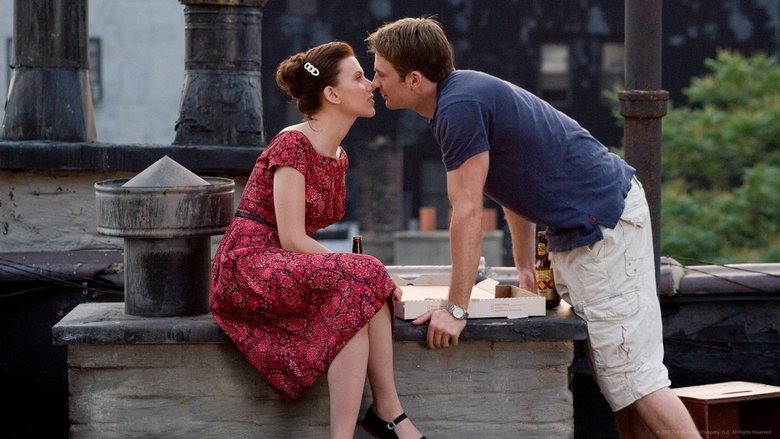
The Nanny Diaries
2007
-
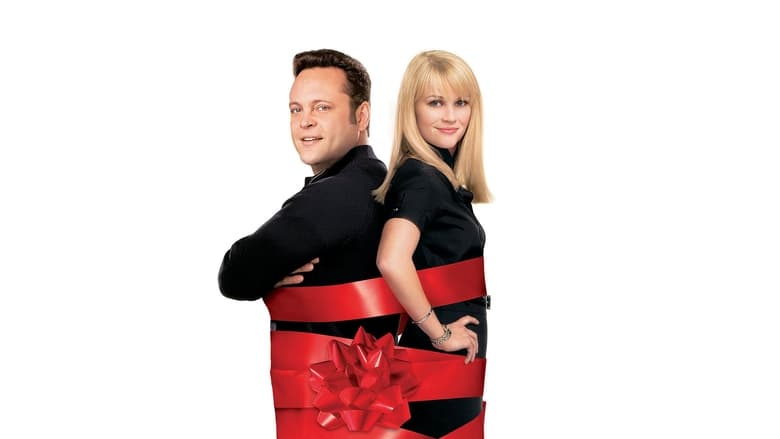
Four Christmases
2008
-
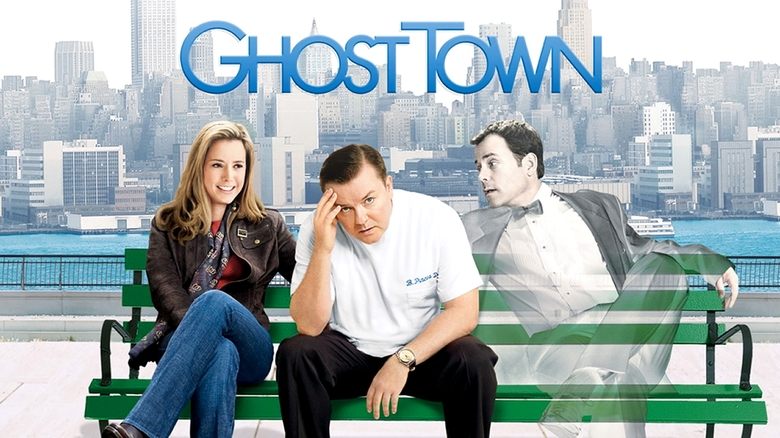
Ghost Town
2008
-
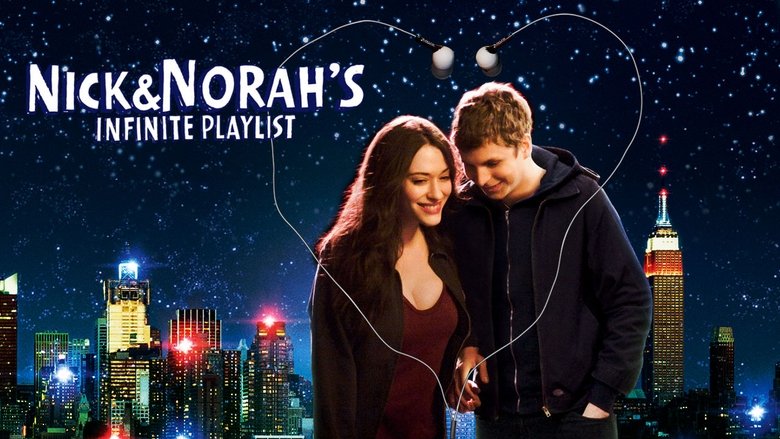
Nick and Norah's Infinite Playlist
2008
-
Wild Child
2008
-
The Young Victoria
2009
-
Youth in Revolt
2009
-
I Love You Phillip Morris
2010
-
Morning Glory
2010
-
The Switch
2010
-
You Will Meet a Tall Dark Stranger
2010
-
A Cinderella Story: Once Upon a Song
2011
-
Footloose
2011
-
Larry Crowne
2011
-

My Week with Marilyn
2011