The Artist
"A monochrome miracle in a Technicolor world."
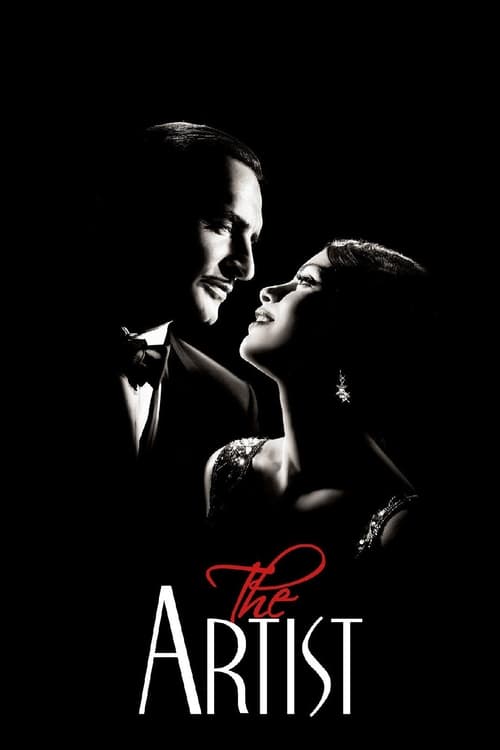
I remember sitting in a multiplex back in 2011, sandwiched between a theater playing Transformers: Dark of the Moon and another blasting Fast Five. The floor was sticky with spilled Sprite, and I was wearing a pair of incredibly itchy wool socks my aunt had knitted for me—a detail that felt strangely appropriate for a movie trying to transport me back to 1927. There was a palpable sense of "Wait, are we really doing this?" in the air. A black-and-white silent film in the age of the digital 3D craze felt less like a creative choice and more like a glitch in the Hollywood simulation.
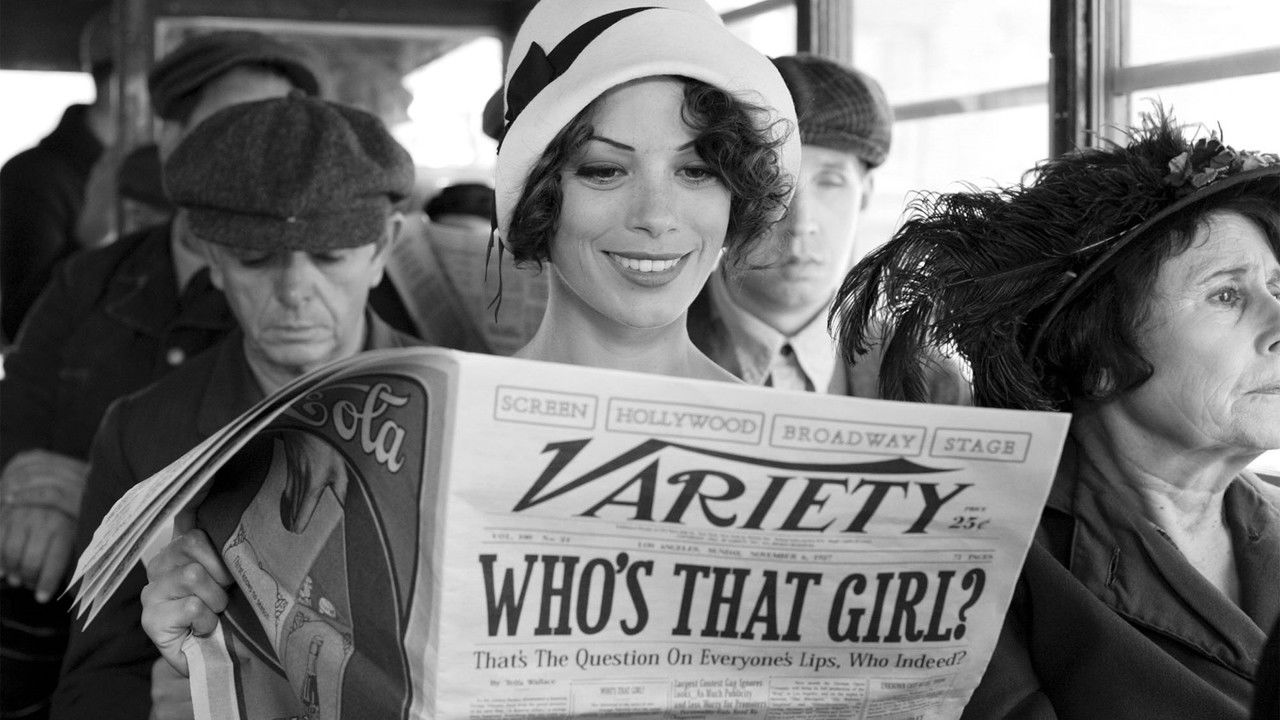
Yet, within ten minutes, the silence wasn't a gimmick; it was a superpower. The Artist didn't just win Best Picture; it staged a daring heist on the collective hearts of a global audience that had largely forgotten how to watch a face without hearing a voice.
Physicality Over Phonetics
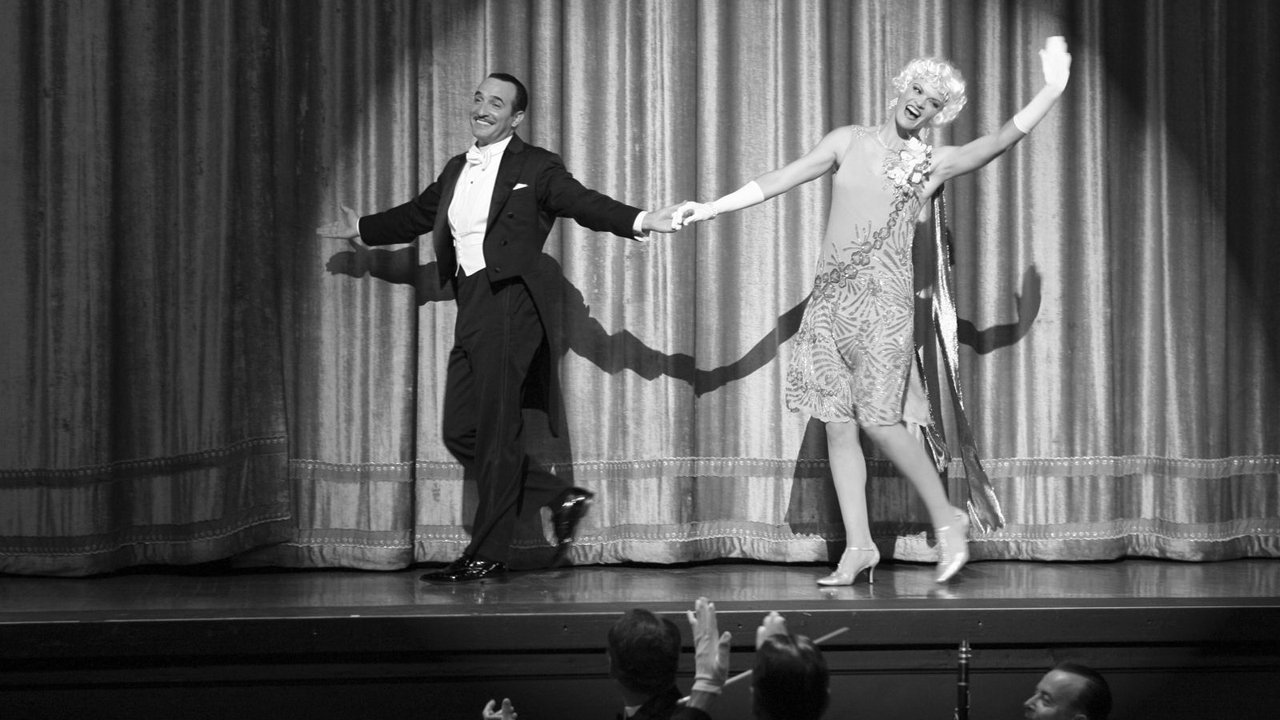
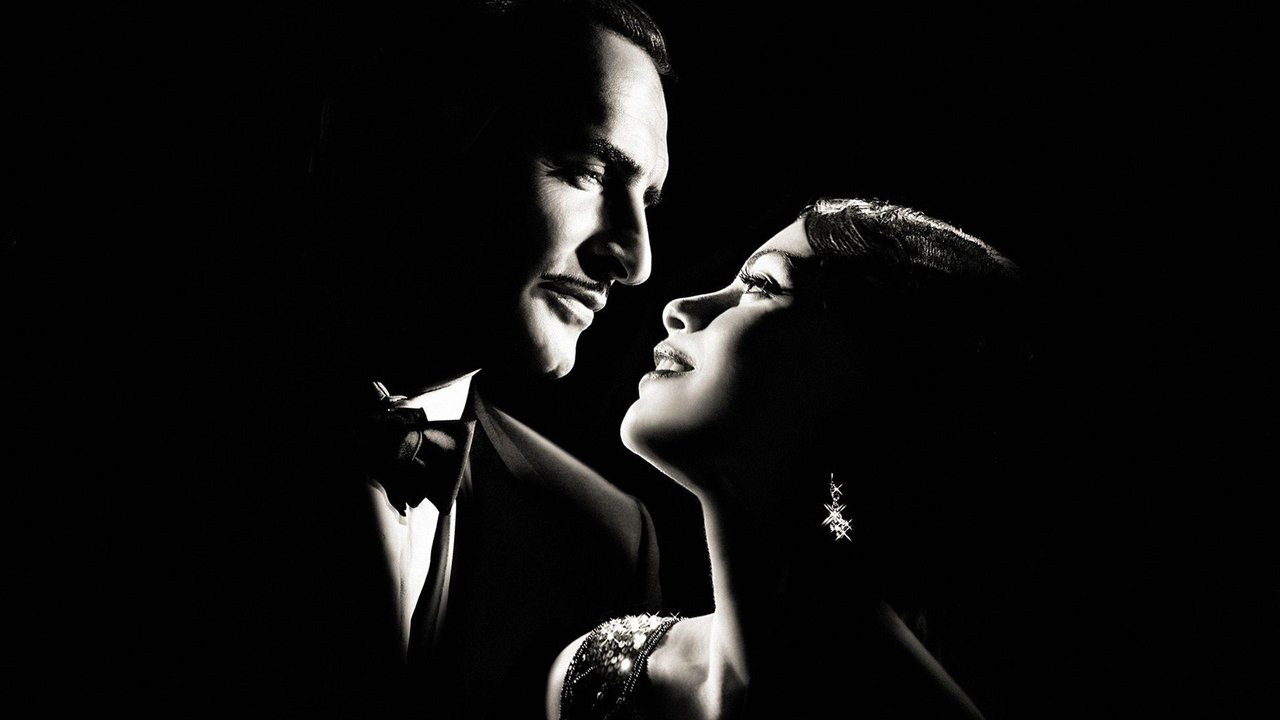
At the center of this whirlwind is Jean Dujardin as George Valentin. He doesn't just act; he radiates. With a pencil-thin mustache and a grin that could probably power a small city, Dujardin channels the athletic grace of Douglas Fairbanks and the tragic vanity of a man who thinks his charisma is tied to his silence. Watching him navigate the arrival of "talkies" is a masterstroke of physical performance. When he realizes his world is crumbling, he doesn't need a monologue. He has a bottle of booze, a flickering projector, and a shadow that seems to be mocking him.
Opposite him, Bérénice Bejo is pure kinetic energy as Peppy Miller. If George is the fading sun, Peppy is the rising tide. The sequence where she sneaks into George’s dressing room and dances with his empty coat—slipping her arm through the sleeve to embrace herself—is one of the most genuinely charming bits of business I’ve seen in the last twenty years. It earns its sentiment without a single word of dialogue, proving that modern audiences have the attention span of a goldfish only when the storytelling is lazy.
The supporting cast fills the silence with incredible presence. John Goodman is effectively the "voice" of the studio system as Al Zimmer, his cigar and scowl doing more work than a three-page script ever could. And we have to talk about James Cromwell, who plays the loyal butler Clifton. He anchors the film’s more melodramatic second half with a stoicism that makes you want to go home and apologize to your own furniture for not being as dignified.
The $133 Million Gamble
Looking back from our current era of "content" and algorithm-driven franchises, the success of The Artist feels like a fever dream. Director Michel Hazanavicius was told by almost everyone that a silent film was commercial suicide. Instead, it became a cultural phenomenon, pulling in over $133 million globally on a modest $15 million budget. It wasn't just a win for indie spirit; it was a massive "I told you so" to the idea that audiences only want explosions and superheroes.
The production was obsessed with authenticity. They shot on the actual Warner Bros. backlots and even filmed scenes in Mary Pickford’s real-life bedroom. To get that specific "jittery" feel of the silent era, they shot at 22 frames per second rather than the standard 24. It creates a subtle, almost imperceptible sense of urgency that keeps the 100-minute runtime moving at a clip.
Then there is the dog. Uggie, the Jack Russell Terrier, became such a star that there was a legitimate (albeit failed) campaign to get him an Oscar nomination. He is the ultimate scene-stealer, and frankly, Uggie is the only actor in history who could outshine John Goodman just by sitting still. His presence keeps the film’s darker moments from becoming too oppressive, acting as a furry bridge between the comedy and the tragedy.
A Modern Relic
What makes The Artist work so well in retrospect—specifically as a product of the 1990-2014 era—is how it mirrors our own technological anxieties. As George Valentin stares at a microphone like it’s a sentient alien life form, I’m reminded of the early 2010s shift from film to digital. This was the era where we were all mourning the loss of the "warmth" of celluloid while frantically upgrading to the next iPhone.
The film explores that terrifying moment when the world decides you are obsolete. It’s a drama wrapped in a comedy, but the stakes are existential. When the sound finally does break through—in a nightmare sequence that still gives me chills—it’s used as a weapon, not a tool. It reminds us that progress always comes with a casualty list.
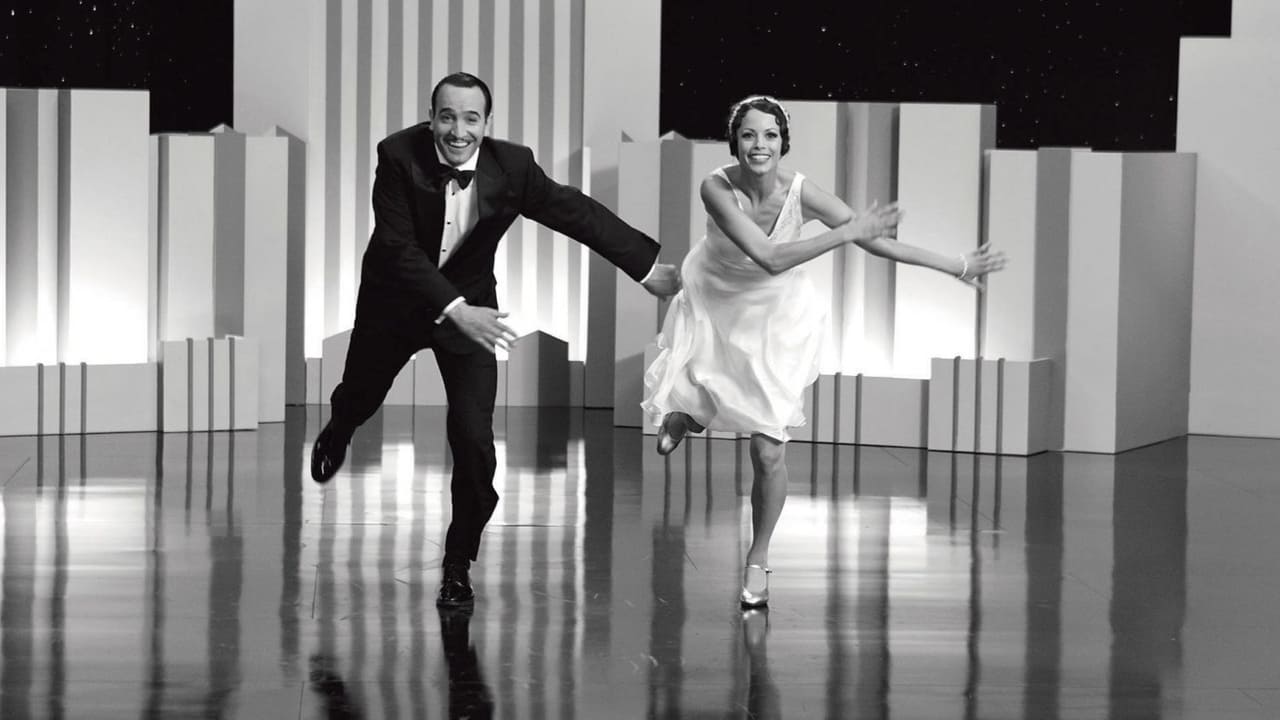
However, the film avoids being a grumpy "back in my day" lecture. It celebrates the new as much as it mourns the old. It’s light on its feet, ending with a tap-dance sequence that is so infectious I almost forgave my aunt for those itchy socks. It’s a film that demands your full attention and rewards it with a type of joy that feels increasingly rare in the era of second-screen viewing.
The Artist is a rare feat of cinematic alchemy. It manages to be a meticulous historical reconstruction while feeling entirely fresh and accessible. It’s a reminder that the most powerful tools in a filmmaker's arsenal aren't CGI or Dolby Atmos, but the human face and a really well-timed wink. While some might find the ending a bit too tidy, the sheer craftsmanship on display makes it impossible not to fall under its spell. Give it five minutes of your time, and you’ll find yourself forgetting that nobody is talking.
Keep Exploring...
-
OSS 117: Lost in Rio
2009
-
OSS 117: Cairo, Nest of Spies
2006
-
Love & Other Drugs
2010
-
Silver Linings Playbook
2012
-
About a Boy
2002
-
Welcome to the Sticks
2008
-
As Good as It Gets
1997
-
Stepmom
1998
-
Lost in Translation
2003
-
Something's Gotta Give
2003
-
Stranger Than Fiction
2006
-
What If
2013
-
The Spanish Apartment
2002
-
Juno
2007
-

Forgetting Sarah Marshall
2008
-

High School Musical 3: Senior Year
2008
-
Hannah Montana: The Movie
2009
-
He's Just Not That Into You
2009
-
The Proposal
2009
-
Imagine Me & You
2006