The Awakening
"Grief has a very long shadow."
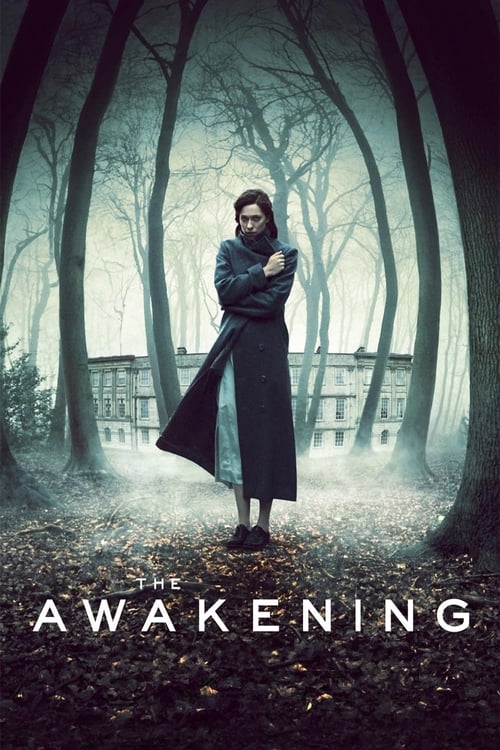
There is a specific kind of chill that only a drafty British boarding school can provide. It’s a damp, bone-deep cold that seems to seep out of the stone walls and into the very marrow of the characters. When I first sat down to watch The Awakening, I was actually hiding from a mountain of laundry that had reached a precarious, sentient height in the corner of my living room. There’s something deliciously ironic about avoiding domestic chores by watching a woman investigate a haunted house, but Rebecca Hall makes the distraction feel entirely high-stakes.
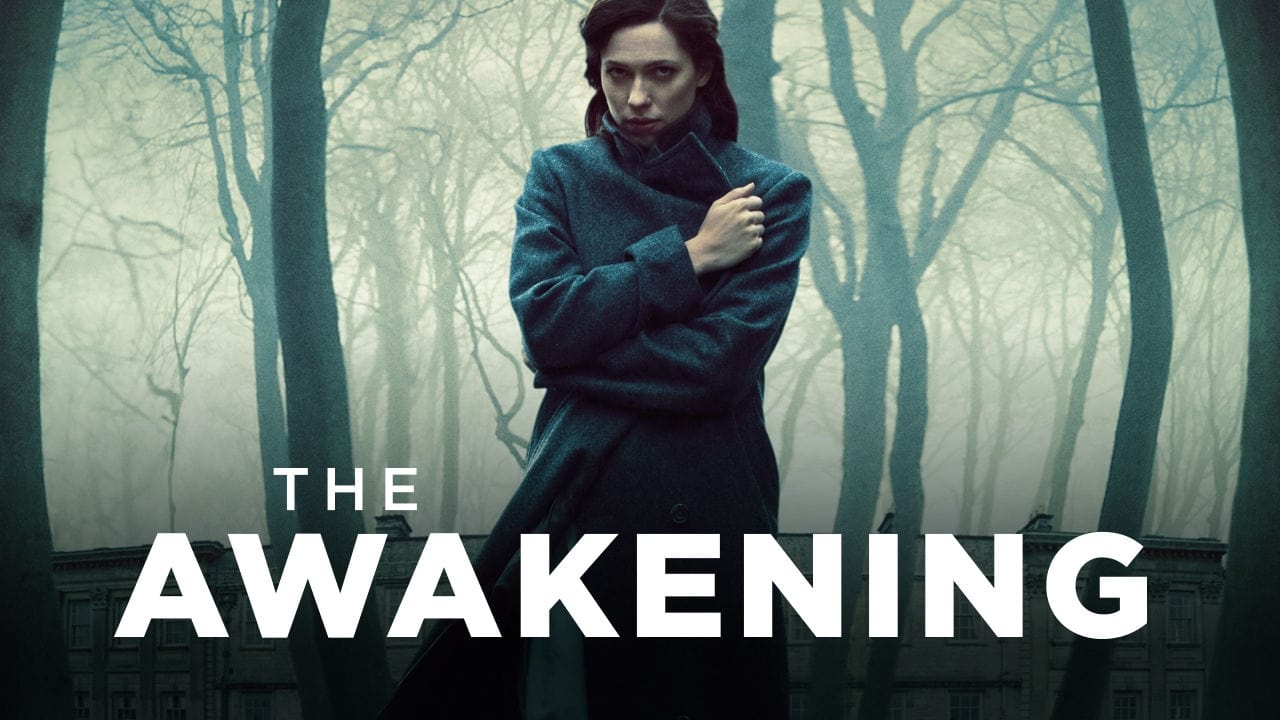
Released in 2011, The Awakening arrived during that interesting pocket of modern cinema where the "prestige ghost story" was trying to find its footing again. We were moving away from the frantic "torture porn" era of the mid-2000s and leaning back into the atmospheric, gothic dread popularized by The Others (2001) or The Orphanage (2007). Directed by Nick Murphy, this film is a handsomely mounted, intellectually curious thriller that understands that the scariest thing in the room isn't usually the ghost—it’s the person looking for it.
Rationality in a World of Shadows
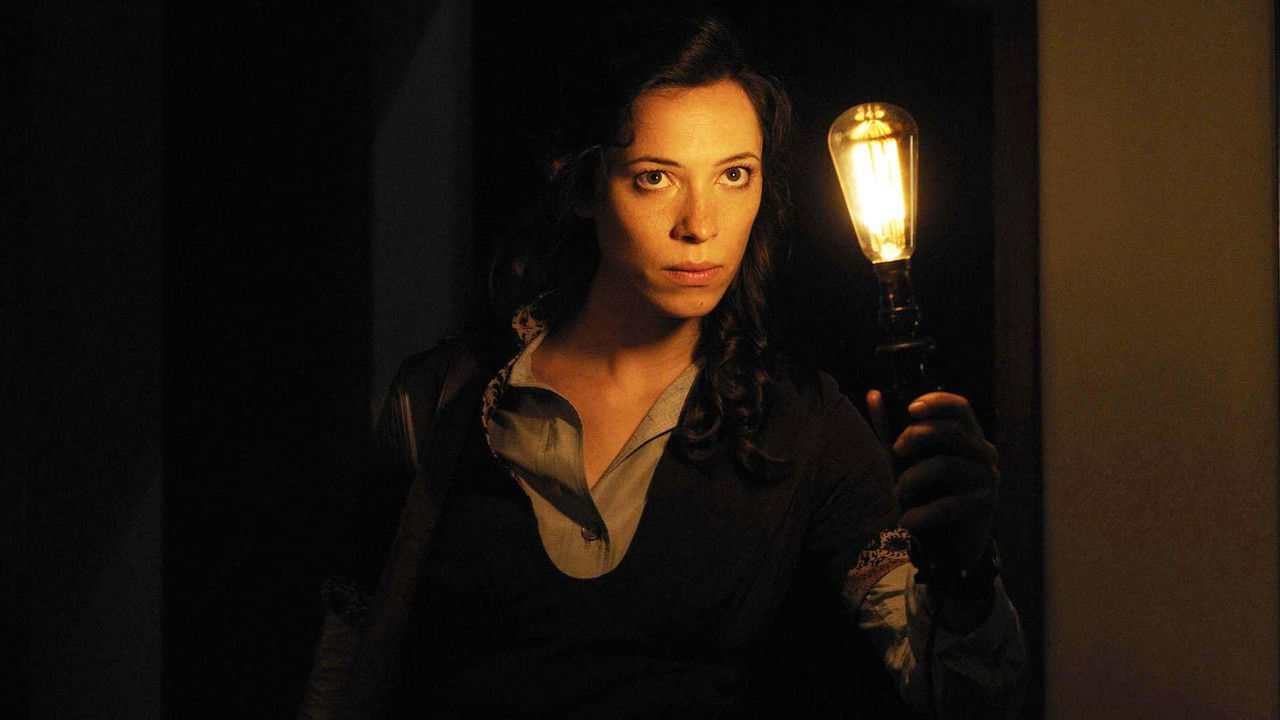
We meet Florence Cathcart (Rebecca Hall) in 1921, a professional skeptic who spends her days debunking fraudulent spiritualists. In post-Great War England, everyone is looking for a way to talk to the dead because nearly every family has a ghost in the form of a son or husband who never came home from the trenches. Florence is the wet blanket at the séance, the woman who brings a flashlight and a keen eye for fishing line and hidden speakers.
Hall is spectacular here. She plays Florence with a jagged, defensive intelligence that masks a massive amount of internal trauma. When Dominic West (fresh off his run as Jimmy McNulty in The Wire) shows up as Robert Mallory, a teacher from a remote boys' school, he’s there to recruit her. There’s been a sighting of a "child ghost," and a boy has recently died of fright. Florence, convinced it's a prank or a collective delusion, packs her chemistry sets and her cigarettes and heads to the countryside.
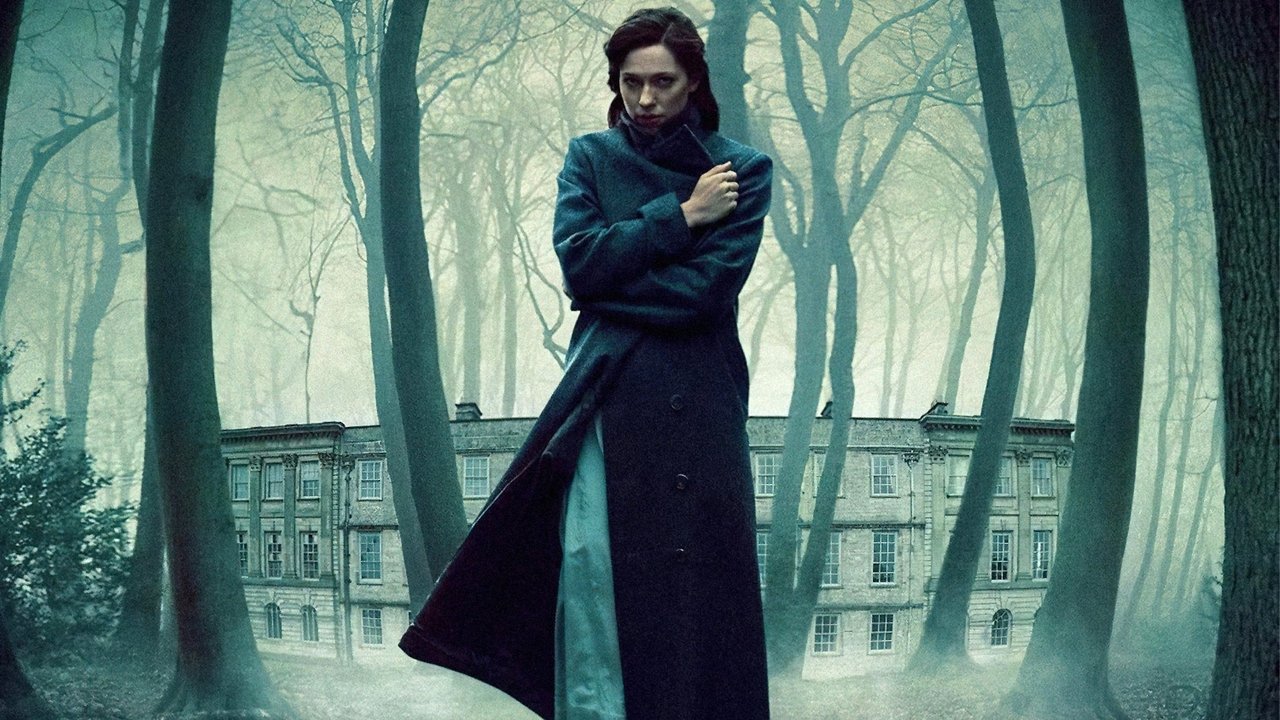
What follows is a slow-burn descent into a location that feels like it’s exhaling history. The school is all echoing hallways and overcast skies, captured with a desaturated, silver-gray palette by cinematographer Eduard Grau (who brought a similar melancholy to A Single Man). The movie is essentially a high-stakes game of Clue where the ghost is the lead pipe.
The Beauty of Small-Scale Ambition
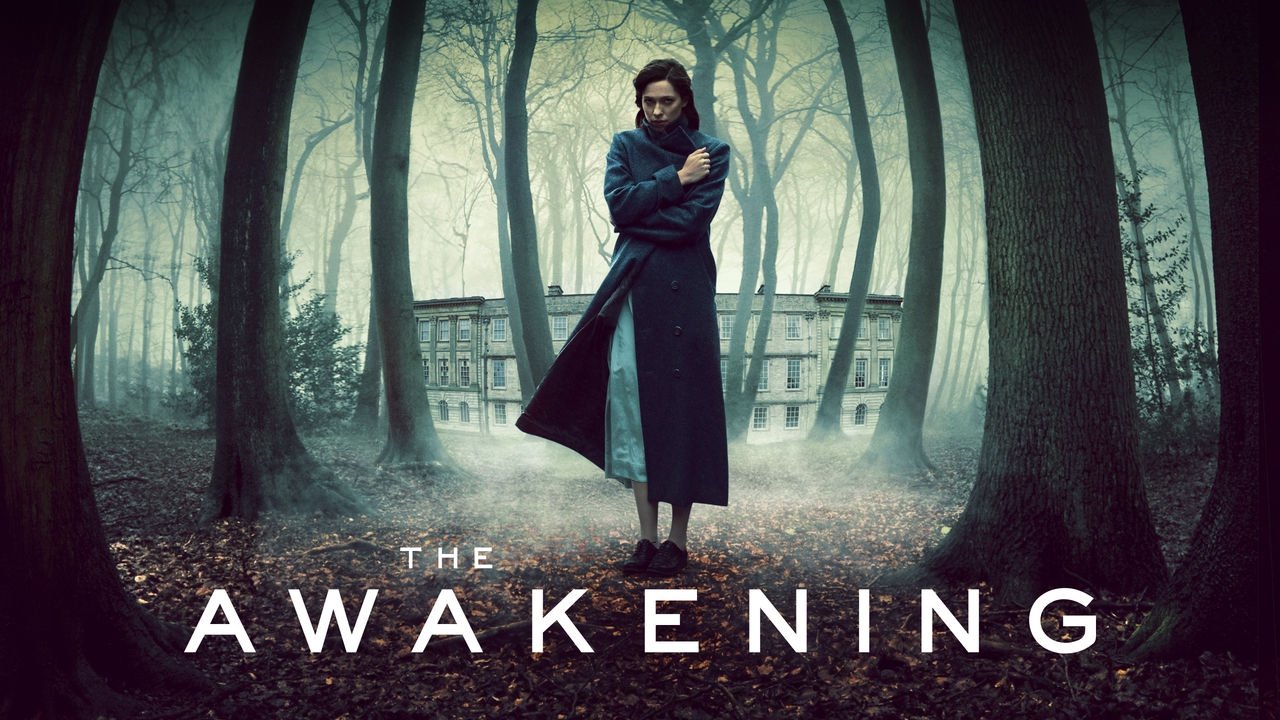
As an independent production from BBC Film and Lipsync, The Awakening is a masterclass in making a $5 million budget look like $50 million. They didn't have the cash for sprawling CGI spectacles, so they leaned into practical atmosphere. The "scares" here aren't loud bangs or digital monsters jumping at the lens; they are subtle, unsettling shifts in the background. A dollhouse that mimics the layout of the actual house, a face appearing in the reflection of a pond, or the terrifyingly still presence of Imelda Staunton as the school’s matron, Maud Hill.
Imelda Staunton is, as always, a gift. Long before she was terrorizing Hogwarts as Dolores Umbridge, she mastered the art of the "kindly woman with a secret." Between her and a young, pre-Game of Thrones Isaac Hempstead Wright, the acting caliber is significantly higher than your average jump-scare factory.
One of the most fascinating bits of trivia involves the screenwriter, Stephen Volk. If that name rings a bell for horror nerds, it’s because he wrote the legendary BBC mockumentary Ghostwatch (1992), which famously traumatized an entire generation of British children. You can feel that DNA here—the tension between what we can prove with science and what we feel in the dark. The script treats the 1920s setting not just as a costume choice, but as a thematic engine. The "Awakening" of the title isn't just about ghosts; it's about a society waking up from the nightmare of a world war and realizing they don’t know how to live with the silence that followed.
A Modern Relic of Atmosphere
Looking back at this film from the mid-2020s, it feels like a bridge. It’s modern enough to have clean, sharp digital editing, but it feels rooted in a very old-school tradition of storytelling. It doesn't succumb to the "Franchise Fever" that was beginning to infect everything by 2011; it’s a self-contained, moody piece of art that respects your intelligence.
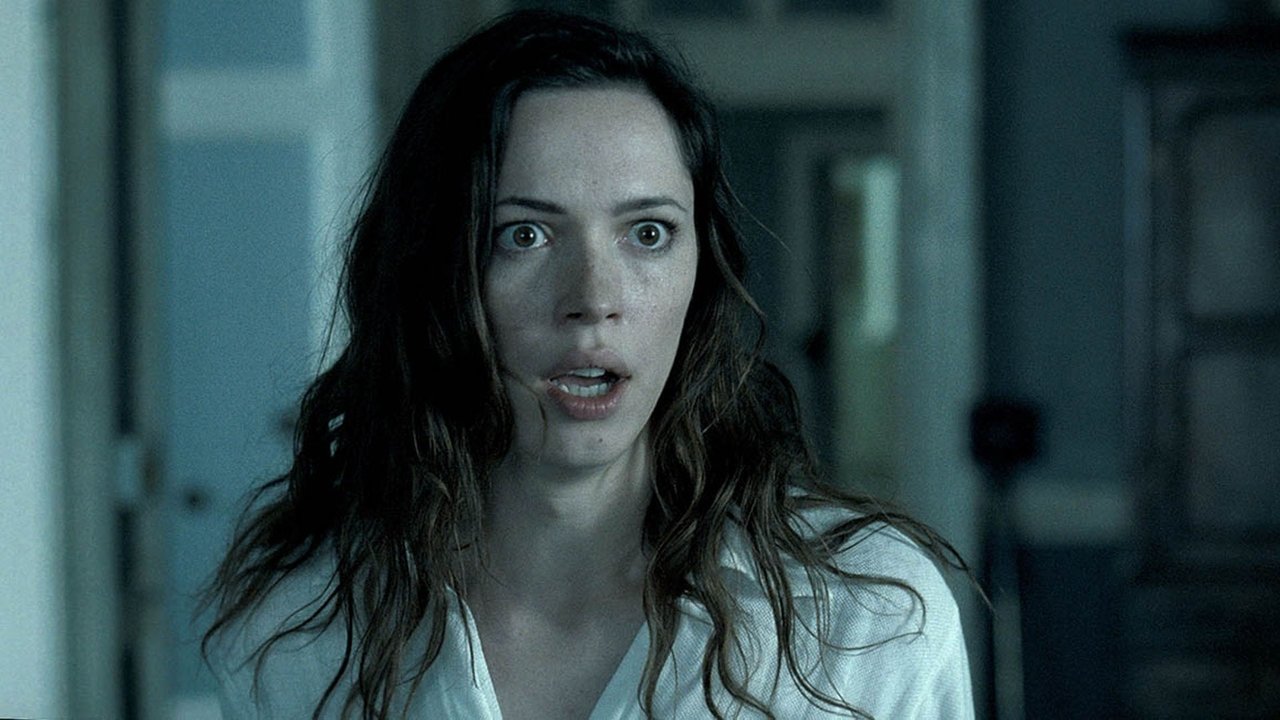
Does it have a twist? Of course it does. Most ghost stories from this era felt legally obligated to have a "gotcha" moment in the third act. Whether that twist works for you will depend on how much you’ve seen of the genre, but Hall’s performance sells the emotional weight of it even if you spot the clues early. It’s basically The Others with a cigarette habit and better knitwear.
I’ll admit, by the time the credits rolled, my tea was stone cold and I’d completely forgotten about my laundry crisis. That’s the ultimate 5-minute test success: a film that manages to make the real world disappear for a couple of hours by replacing it with a world that is much, much colder, but infinitely more interesting.
If you're in the mood for a ghost story that prioritizes "creepy" over "gory," this is your weekend watch. It captures that specific post-9/11 anxiety of looking for truth in a world full of smoke and mirrors, wrapped in a 1920s trench coat. It’s a reminder that sometimes the most effective special effect is just a very talented actress looking down a dark hallway with a lantern and a look of absolute dread.
Keep Exploring...
-
After.Life
2009
-
The Last Exorcism
2010
-

Sinister
2012
-
You're Next
2013
-
High Tension
2003
-
Shutter
2004
-
Exam
2009
-
Inland Empire
2006
-

The Omen
2006
-

The Invasion
2007
-
Untraceable
2008
-
Case 39
2009
-
Pandorum
2009
-
Devil
2010
-
The Ward
2010
-

Red Riding Hood
2011
-
The Tall Man
2012
-
Stonehearst Asylum
2014
-
Time Lapse
2014
-
P2
2007