The Eagle
"A lost legion. A stolen honor. A bird of gold."
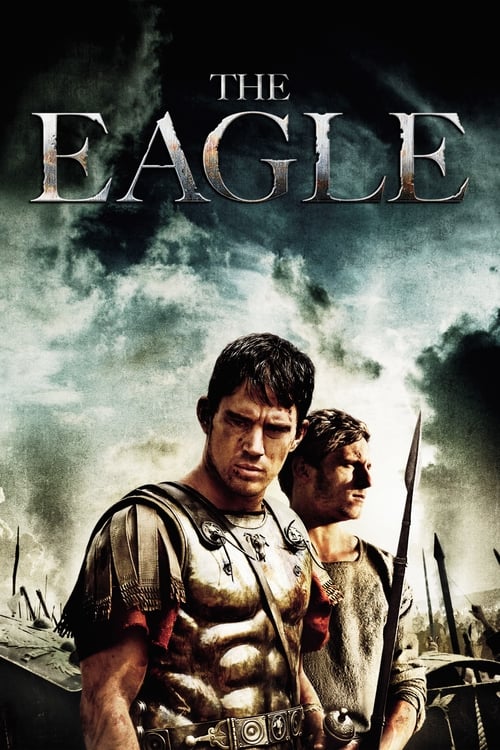
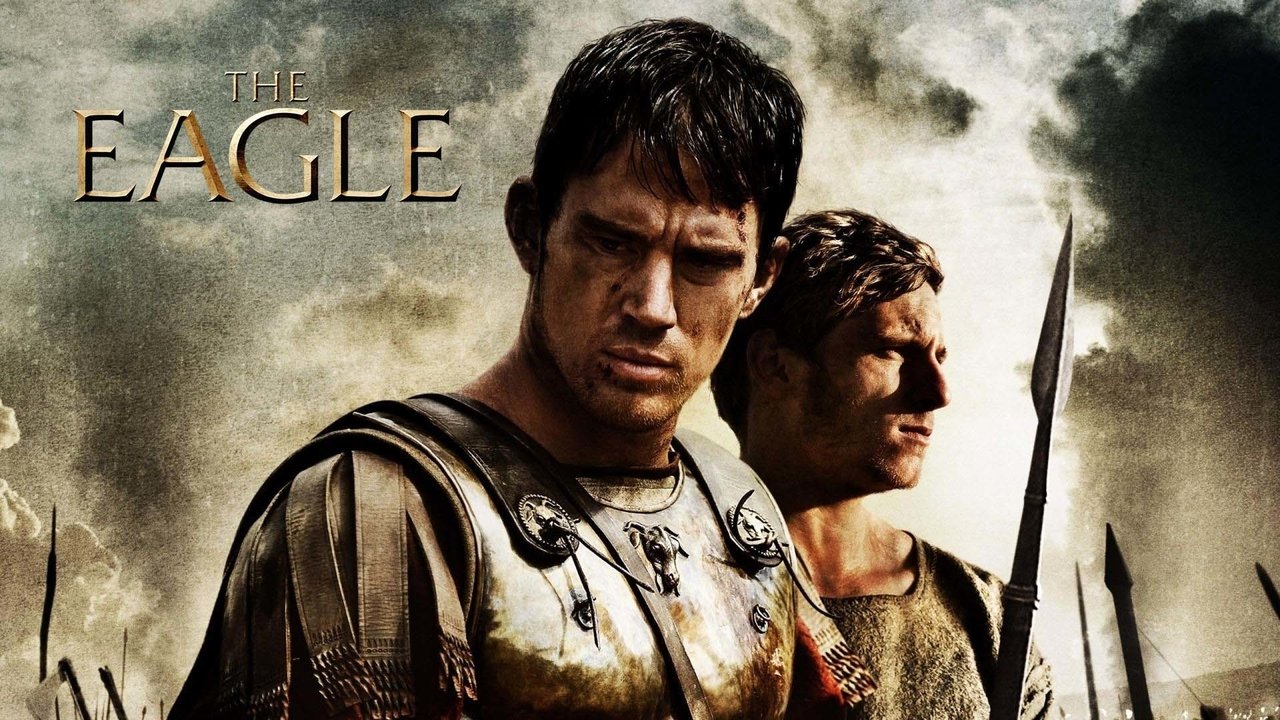
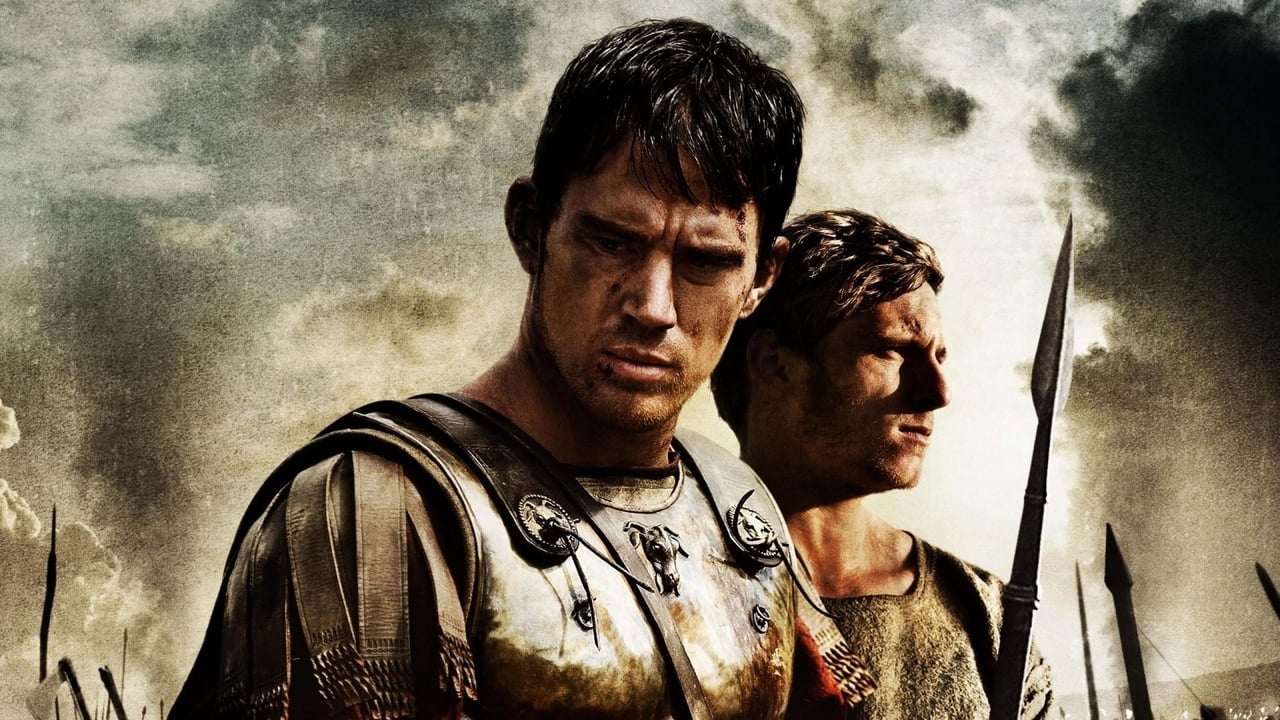
There was a brief, confusing window in the early 2010s where Hollywood was determined to turn Channing Tatum into a stoic classical hero, seemingly oblivious to the fact that his greatest superpower is actually being charmingly goofy. Before he found his stride in 21 Jump Street or leaned into the spectacle of Magic Mike, he was sent to the rain-slicked mud of Scotland to play Marcus Aquila, a Roman centurion with a chip on his shoulder the size of Hadrian's Wall. The Eagle is a fascinating relic of that era—a period when "swords and sandals" movies were trying to pivot away from the CGI gloss of 300 toward something more grounded, gritty, and historically sweaty.
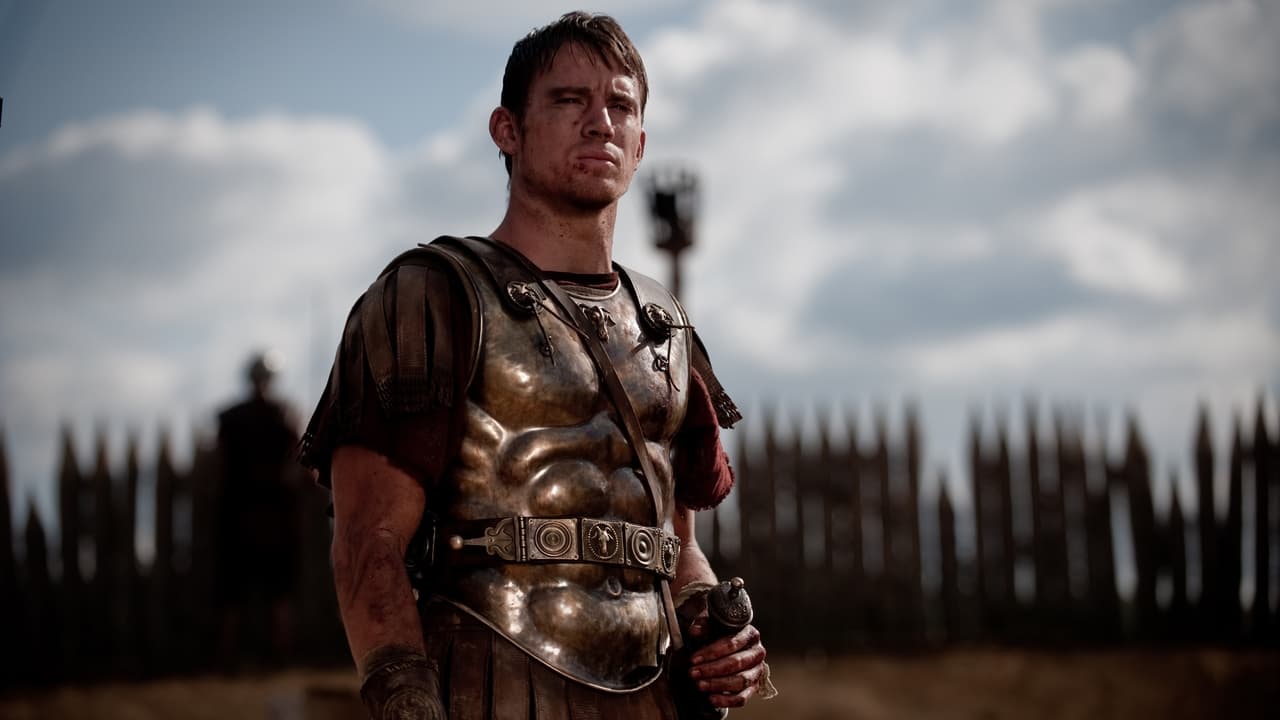
I actually watched this on a DVD I found in a library "free" bin, and the disc had a mysterious smudge that made Donald Sutherland’s face look like it was melting for three minutes during an early scene. Honestly, it added a surreal quality to the film that I kind of missed once I wiped it off.
The Accents of Empire
One of the boldest choices director Kevin Macdonald (who gave us the gripping The Last King of Scotland) made here was the linguistic divide. In The Eagle, the Romans all speak with American accents, while the British "savages" and slaves speak with various British and Gaelic tones. It’s a clever bit of world-building that echoes the 1950s epics like Spartacus, but here it serves a post-9/11 subtext. By making the Romans sound like Americans, Macdonald frames the Empire as a familiar, modern superpower occupying a land they don’t understand.
Channing Tatum plays Marcus with a jawline that could cut granite, but he’s often outshined by Jamie Bell as Esca, his British slave. Bell, who most of us still remembered as the kid from Billy Elliot, brings a simmering, silent resentment to the role that keeps the tension high. For the first hour, you aren't sure if Esca wants to help Marcus find his father's lost Golden Eagle or just wait for him to fall asleep so he can slit his throat. Their chemistry is the strongest thing in the movie, carrying a plot that occasionally feels like a Roman road—straight, sturdy, but a bit predictable.
Mud, Mist, and Anthony Dod Mantle
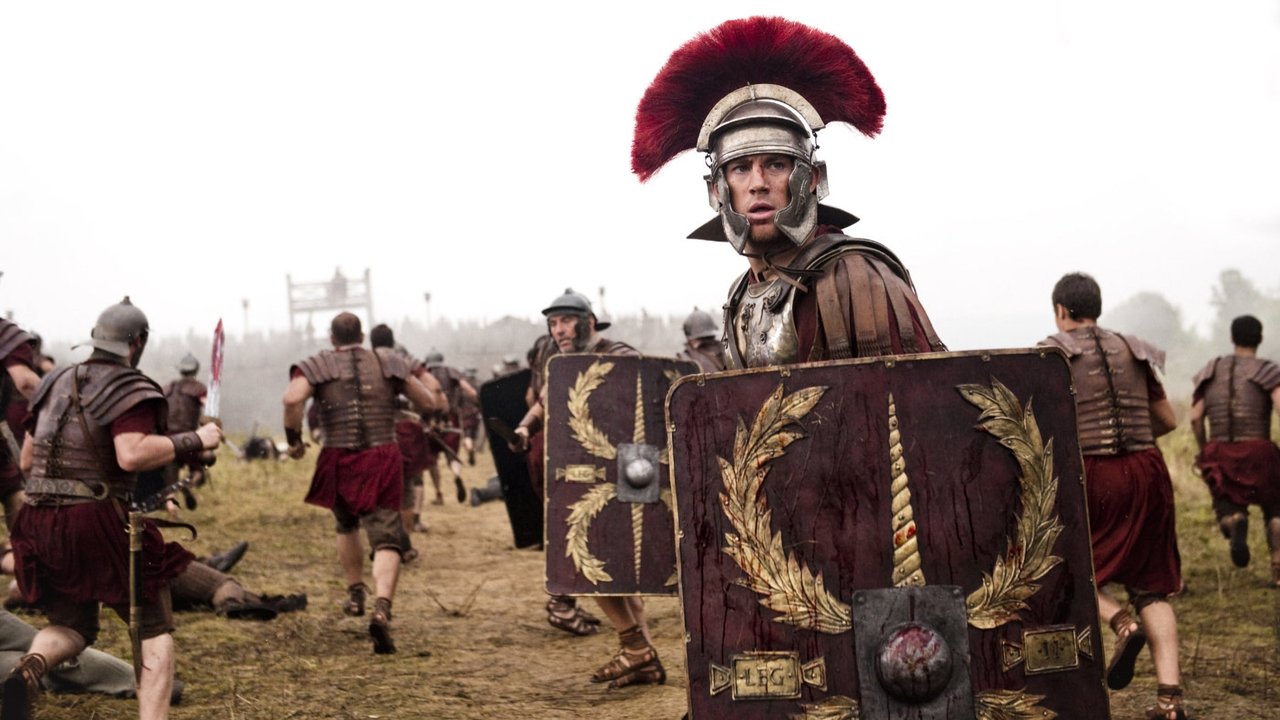
If you’re expecting the golden hues of Ridley Scott’s Gladiator, you’re in the wrong province. This is a film about the frontier, and it looks like it was filmed inside a cold, wet sponge. This isn't a complaint; the cinematography by Anthony Dod Mantle (who won an Oscar for Slumdog Millionaire) is fantastic. He uses handheld cameras and natural light to make the Scottish Highlands feel genuinely prehistoric and terrifying.
When Marcus and Esca finally cross the wall into the "uncharted" north, the film shifts from a military drama into something closer to a survival western. They eventually run into the "Seal People," led by a nearly unrecognizable Tahar Rahim (who was incredible in A Prophet). These guys look like they stepped out of a nightmare, covered in grey clay and sporting mohawks, representing a culture so alien to the Roman mind that they might as well be from Mars. The sequence where the Seal People hunt our protagonists through the woods is easily the highlight of the film—it’s essentially a 114-minute chase scene where everyone desperately needs a hot shower and a bowl of soup.
Why It Slipped Through the Cracks
So, why don't we talk about The Eagle more? It was released in 2011, a year where it was squeezed between the high-concept action of Fast Five and the burgeoning superhero era. It also suffered from being the "other" Ninth Legion movie, coming out right after Neil Marshall's Centurion (2010), which covered almost identical ground but with more gore and Michael Fassbender.
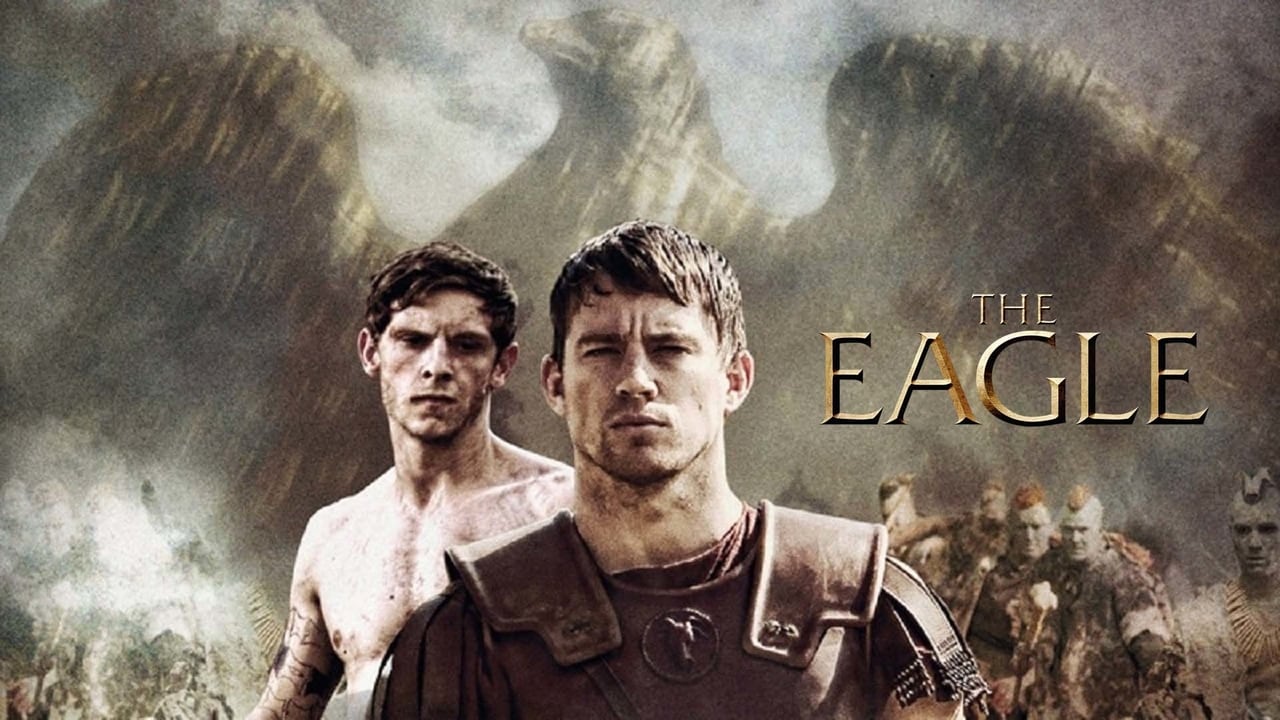
Looking back, The Eagle feels like a movie made for a different decade. It lacks the irony of modern blockbusters and the frantic editing of the Bourne era. It’s an earnest, old-fashioned adventure story about masculine honor and the weight of a father’s legacy. Donald Sutherland shows up just long enough to lend some gravitas, and Mark Strong appears as a lost soldier who has gone native, proving once again that Mark Strong makes every movie at least 15% better just by standing there.
While the ending feels a little too "Hollywood" for a story that spends so much time in the muck, there’s something genuinely satisfying about the central quest. It’s a movie about two men from opposite worlds trying to figure out what they owe to their ancestors and to each other. It’s not a masterpiece, but it’s a solid, well-crafted drama that deserves a second look—especially if you can find a copy that hasn't been used as a coaster.
The Eagle is a sturdy piece of historical fiction that succeeds more as a character study than an epic war film. It’s the kind of mid-budget genre exercise that studios don't really fund anymore, favoring "all or nothing" franchise bets instead. If you have a soft spot for misty mountains, Roman lore, and Jamie Bell looking intensely moody, this is a journey worth taking. Just don't expect Channing Tatum to bust out any dance moves; the only thing he’s breaking here is shields.
Keep Exploring...
-
Black Sea
2014
-

How I Live Now
2013
-
The Way Back
2010
-
Rescue Dawn
2007
-
On the Road
2012
-
All Is Lost
2013
-
Agora
2009
-
Valhalla Rising
2009
-

Where the Wild Things Are
2009
-
Centurion
2010
-
Blue Lagoon: The Awakening
2012
-
The 100 Year-Old Man Who Climbed Out the Window and Disappeared
2013
-
The Young and Prodigious T.S. Spivet
2013
-
Return to the Blue Lagoon
1991
-
Alive
1993
-
The River Wild
1994
-
The Edge
1997
-
Holes
2003
-
Flight of the Phoenix
2004
-
Walking Tall
2004