The Flowers of War
"In a city of ash, sacrifice wears many faces."
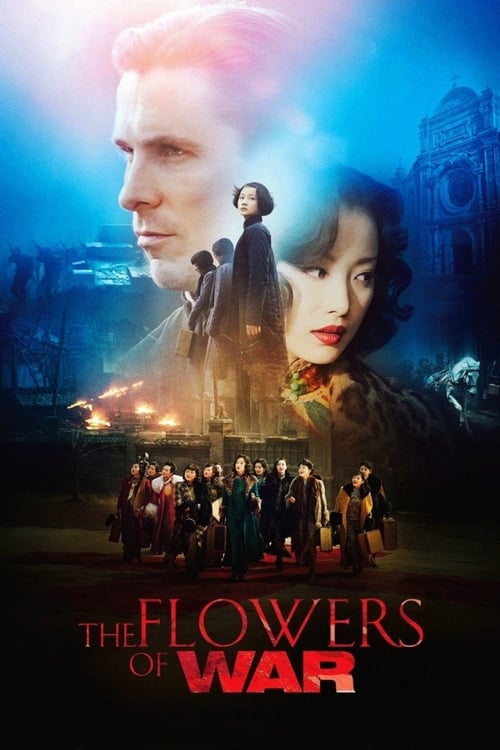
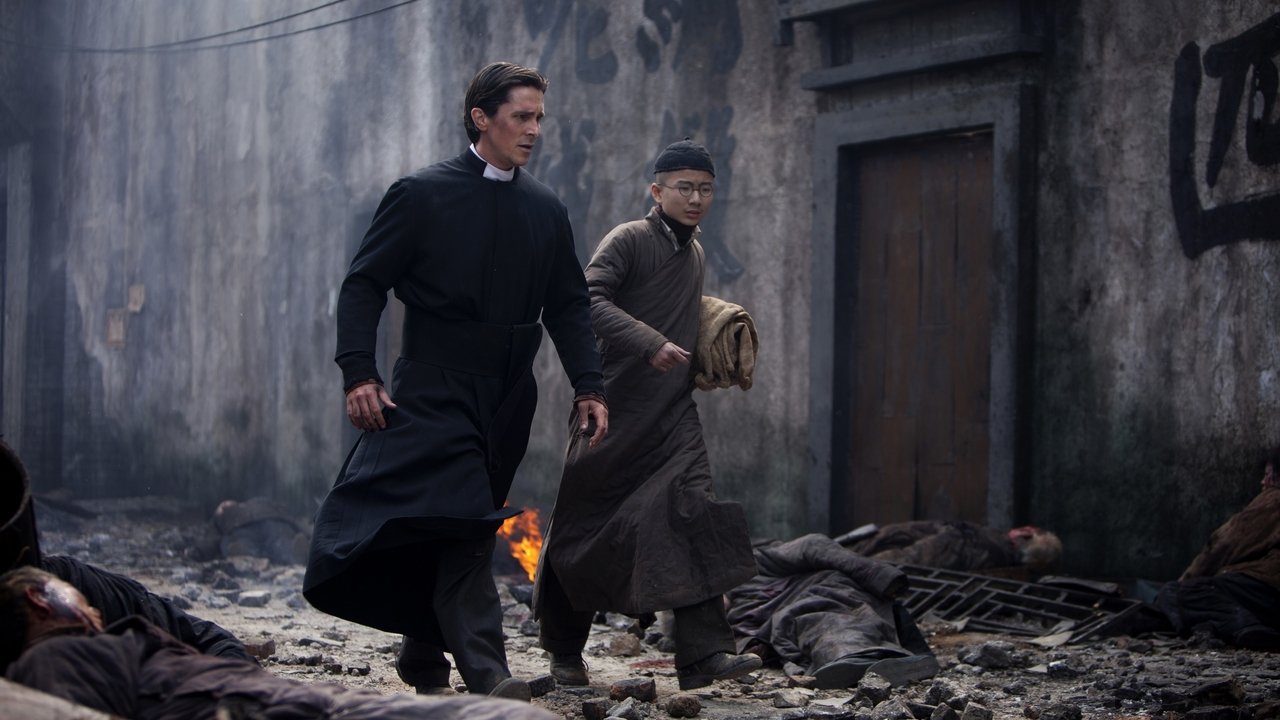
There’s a specific, haunting image in the first act of The Flowers of War that stays with you long after the credits roll: a group of schoolgirls running through the bombed-out ruins of Nanking, their blue uniforms a sharp, desperate contrast against the suffocating grey of pulverized stone and falling ash. It’s a classic Zhang Yimou move. The man who gave us the vibrant, color-coded wuxia of Hero (2002) and House of Flying Daggers (2004) doesn't just show you a war zone; he paints a nightmare where the colors are bleeding out.
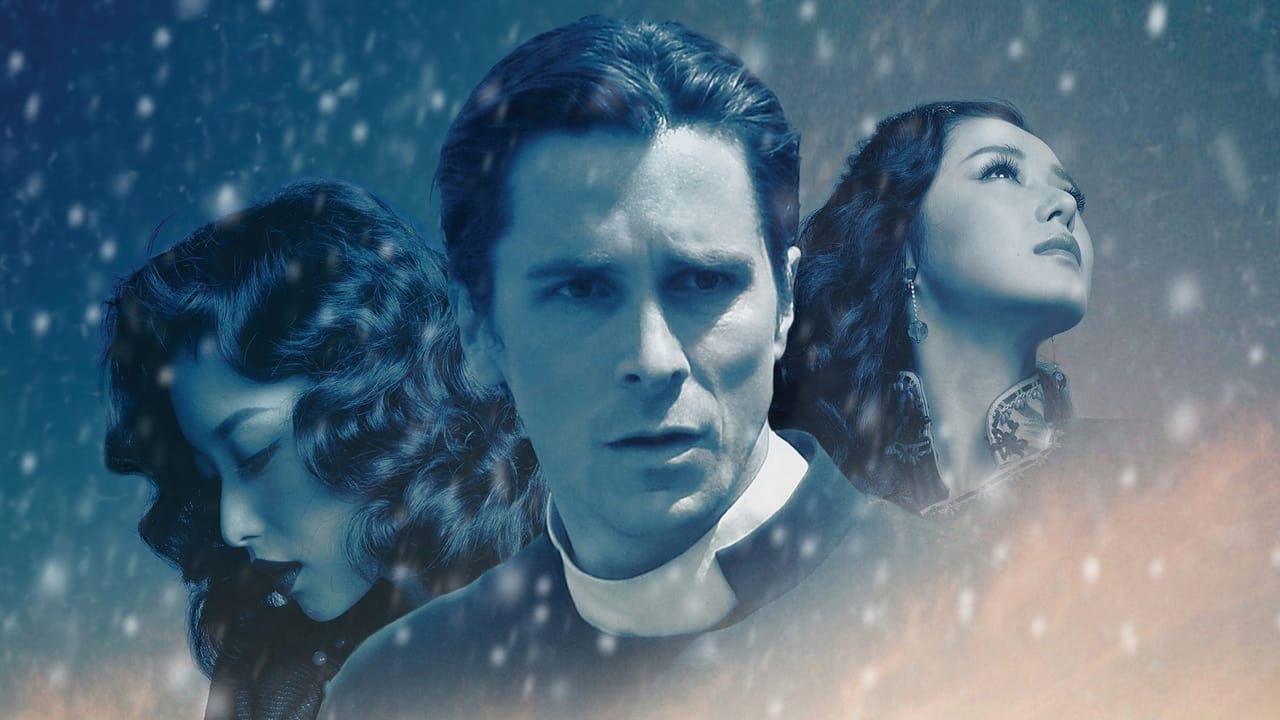
I watched this for the first time on a humid Tuesday evening while my apartment’s radiator was doing this rhythmic, metallic clanking—it sounded like distant gunfire, and honestly, it made the tension in the film’s first hour almost unbearable. This isn't a "fun" movie, but it is a staggering one that somehow slipped through the cultural cracks of the early 2010s despite having one of the world's biggest movie stars and a budget that could have funded a small space program.
The Hollywood-China Hybrid That Time Forgot
Looking back at 2011, we were in this fascinating transitional era where China was beginning to flex its muscles as a global cinematic powerhouse. This film was the spearhead—a $94 million epic designed to bridge the gap between Eastern history and Western audiences. Enter Christian Bale, fresh off his Oscar win for The Fighter and right in the middle of his Dark Knight peak.
Bale plays John Miller, a cynical, hard-drinking mortician who wanders into a Catholic convent seeking a quick buck and a bottle of wine, only to find himself the sole "protector" of a group of convent girls and a troop of high-class courtesans seeking refuge from the Imperial Japanese Army. It’s a setup that sounds like a standard "white savior" trope on paper, but the film is actually far more interested in the women than the American hiding in a priest's collar. Bale’s transformation from a selfish opportunist into a man willing to forge a fake identity for the sake of others is solid, but the real soul of the film belongs to the newcomers.
The "Flowers" and the Students
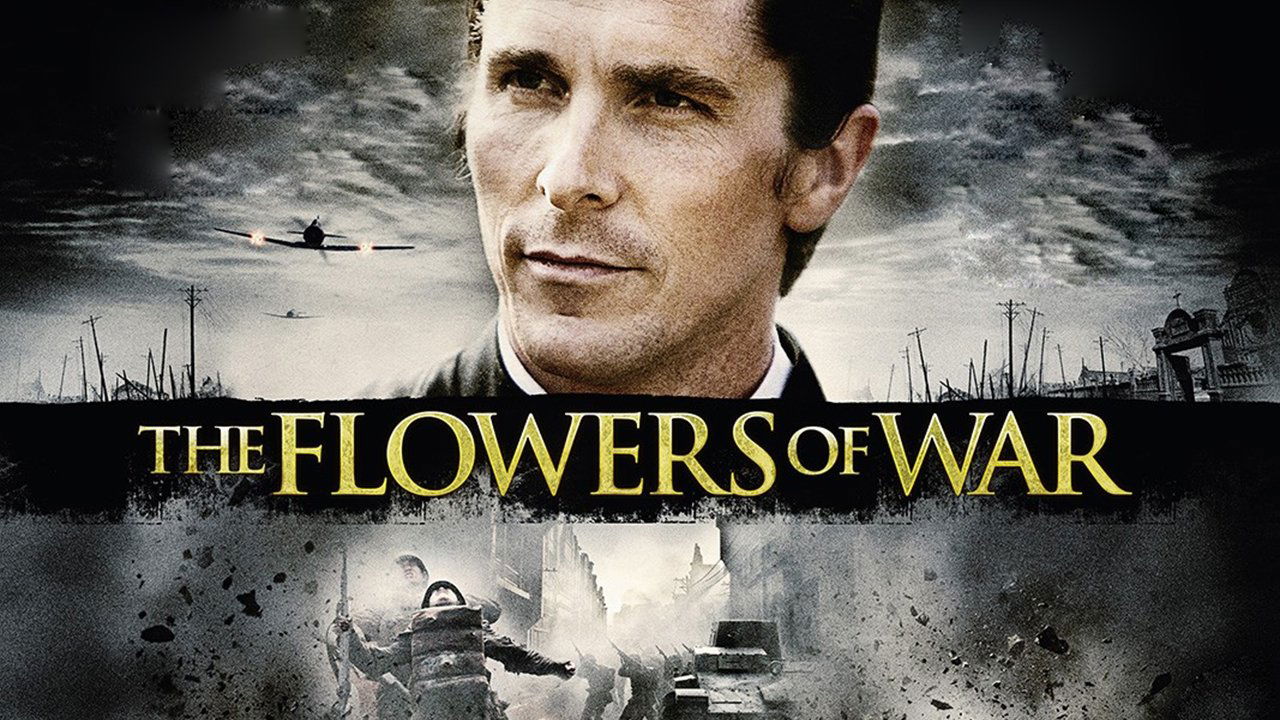
The core of the drama isn't the gunfire; it's the social friction between two groups of women forced into the same basement. On one side, you have the convent girls, led by the perspective of Shujuan (Zhang Xinyi), representing innocence and traditional virtue. On the other, you have the "flowers" of the title—glamorous, worldly courtesans led by the captivating Yu Mo, played by Ni Ni in her debut role.
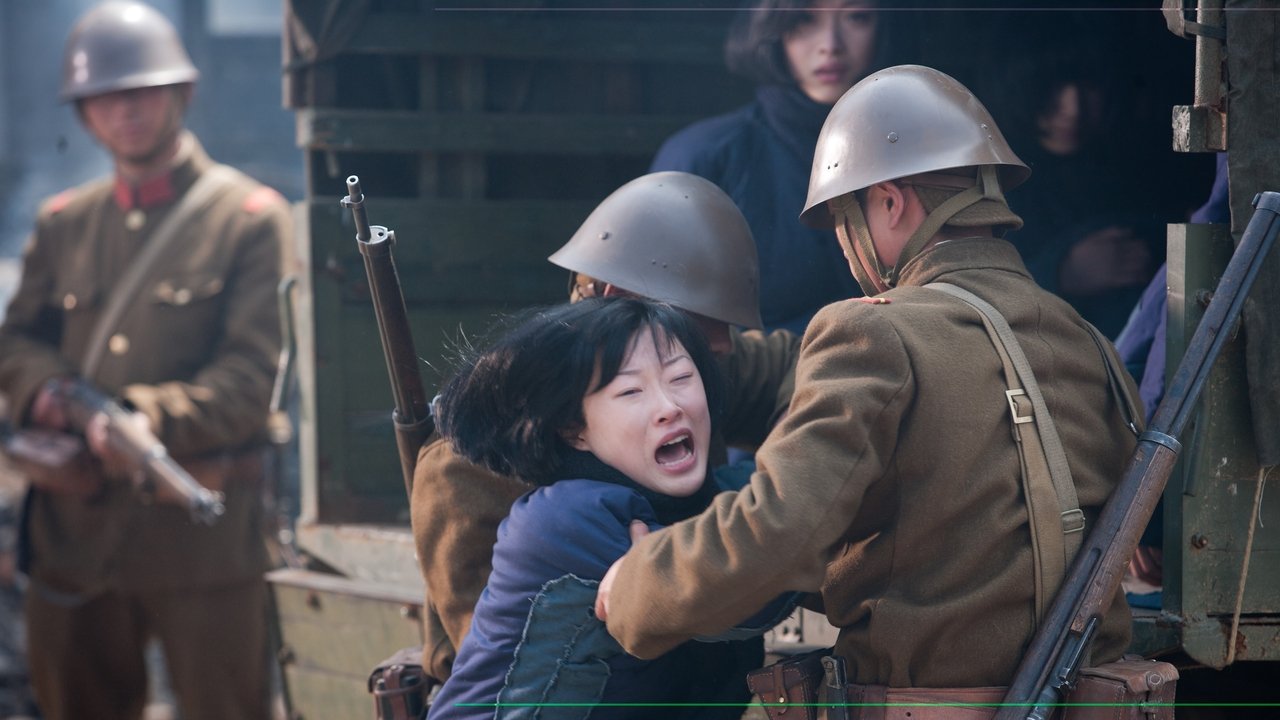
Ni Ni is a revelation here. She carries the weight of the world in her gaze, and her chemistry with Bale is surprisingly grounded. When the Japanese military demands the "choir girls" perform for them—a thinly veiled euphemism for a horrific fate—the film pivots into a heartbreaking exploration of sacrifice. The way these two groups of women, initially separated by deep-seated prejudice, eventually find a common, tragic bond is where the film earns its emotional weight. It manages to be a war movie that finds its most explosive moments in a quiet basement over a game of mahjong.
A Visual Masterclass in Brutality
Even when the story leans into melodrama—which Zhang Yimou is known for—the technical craft is undeniable. Zhao Xiaoding, who has been Zhang’s cinematographer for years, uses the church’s stained-glass windows to create pockets of kaleidoscopic light amidst the gloom. There’s a sniper sequence involving Tong Dawei as Major Li that is genuinely one of the most well-staged urban combat scenes I’ve ever seen, rivaling anything in the post-9/11 wave of gritty war films like Black Hawk Down (2001).
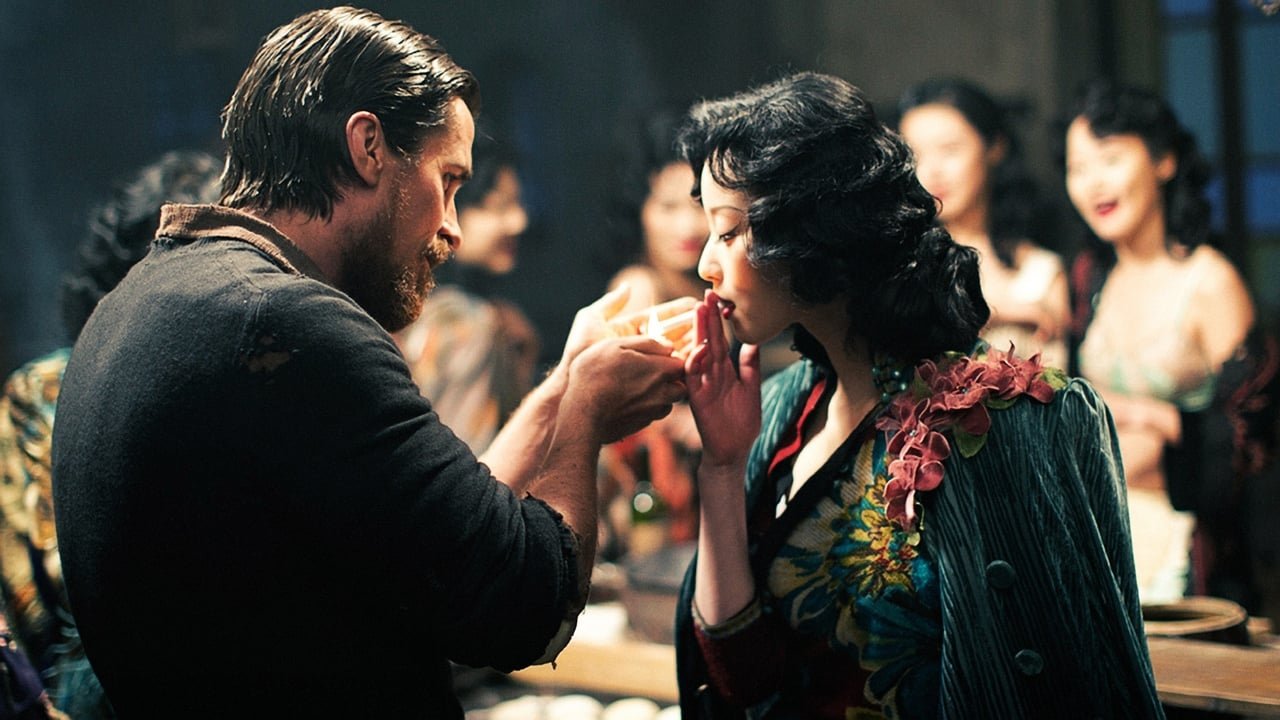
However, the film’s obscurity today likely stems from its unrelenting grimness. It’s a long sit at 146 minutes, and it deals with some of the darkest chapters of the 20th century without blinking. In the age of the burgeoning MCU, a nearly three-hour tragedy about the Rape of Nanking was a tough sell for Western multiplexes, and the DVD release, while packed with interesting "Making Of" featurettes, didn't quite capture the "must-see" momentum it needed.
Stuff You Didn't Notice
- The Scale: To capture the authenticity of 1937 Nanking, the production built a massive, life-size recreation of the city outskirts, which took over a year to complete. - The Language: Christian Bale reportedly spent a lot of time on set helping the younger actors with their English lines, creating a real-life mentor dynamic that mirrored his role in the convent. - The Selection: This was China's official entry for the Best Foreign Language Film at the 84th Academy Awards, but it failed to get a nomination, leading to significant debate in the Chinese film industry about what "global" audiences actually wanted.
The Flowers of War is a heavy, beautiful, and sometimes uneven attempt to marry Hollywood spectacle with a deeply painful historical trauma. It’s the kind of film that shows the limits of "prestige" marketing, but also the incredible power of Zhang Yimou’s visual eye. If you have the emotional bandwidth for a story about the grace found in the middle of a massacre, it’s a forgotten gem that deserves a second look—just maybe don't watch it while your radiator is clanking.
Keep Exploring...
-
The Round Up
2010
-
Red Cliff
2008
-
Joyeux Noel
2005
-
Flags of Our Fathers
2006
-
The Boy in the Striped Pyjamas
2008
-

The Imitation Game
2014
-

Braveheart
1995
-
The Thin Red Line
1998
-
The Patriot
2000
-
Enemy at the Gates
2001
-
Kingdom of Heaven
2005
-
Defiance
2008
-

Hero
2002
-
K-19: The Widowmaker
2002
-
Black Book
2006
-
The Wind That Shakes the Barley
2006
-
United 93
2006
-
Rescue Dawn
2007
-
Rurouni Kenshin Part I: Origins
2012
-
Downfall
2004