The Girl with the Dragon Tattoo
"Evil hides in the frozen silence of the North."
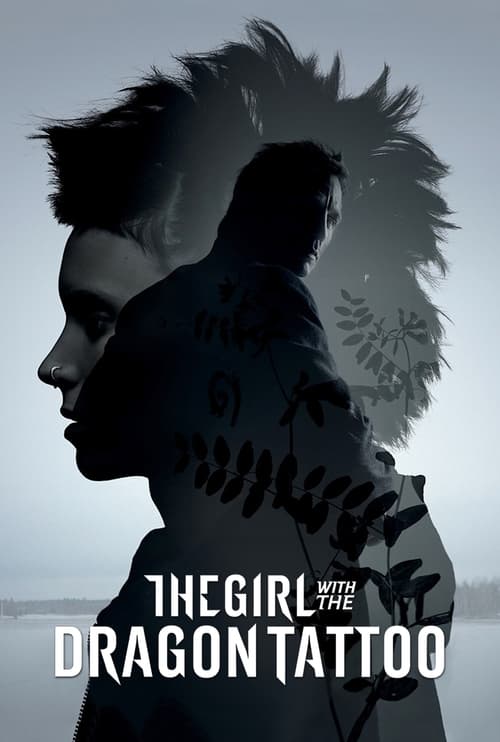
The marketing team at Sony Pictures must have had nerves of steel in the winter of 2011. While every other studio was pushing "heartwarming" holiday fare, they leaned into the gloom, branding David Fincher’s adaptation of the Stieg Larsson juggernaut as "The Feel-Bad Movie of Christmas." I remember walking into a theater that felt almost as refrigerated as the Swedish landscapes on screen, clutching a bag of salt-and-vinegar chips that were so loud I had to turn the volume up in my head just to hear Stellan Skarsgård’s hushed, menacing purr. It was a confrontational, icy, and utterly brilliant piece of adult cinema that felt like a sharp slap to the face of the blockbuster landscape.
The Precision of Digital Dread
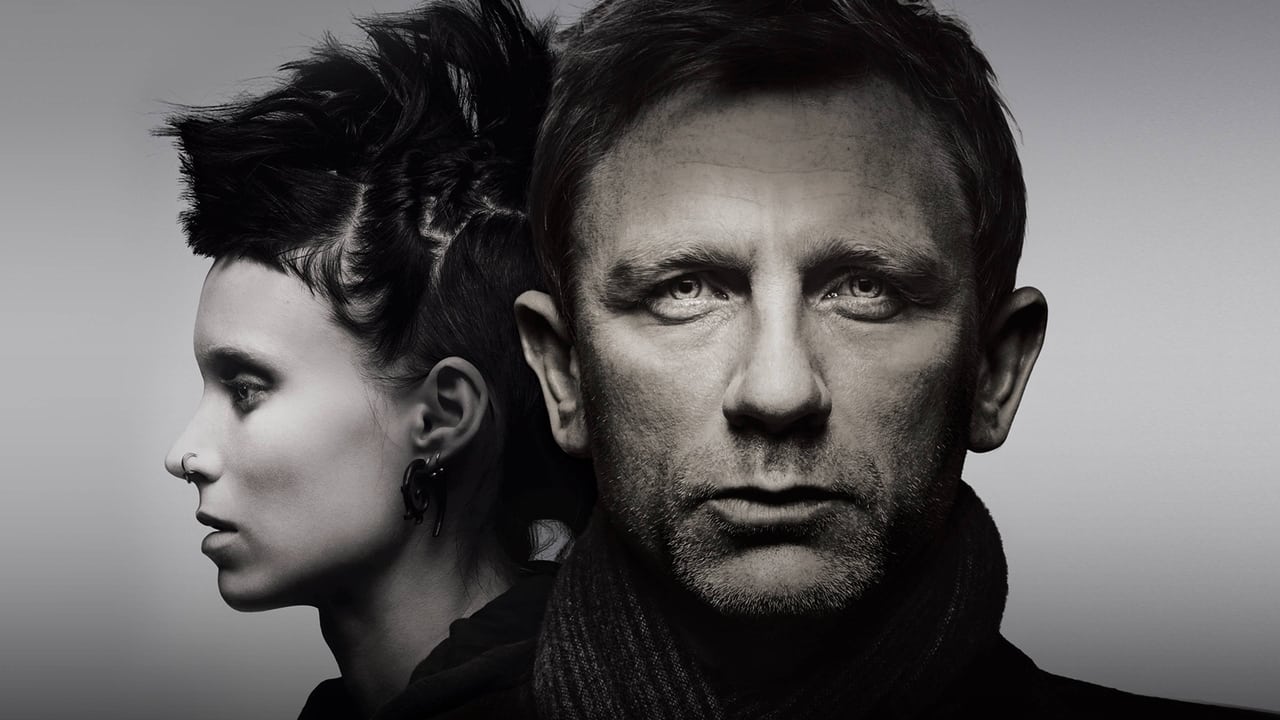
Looking back, 2011 was a fascinating crossroads for cinema technology. We were fully immersed in the transition from film to digital, and David Fincher was the high priest of this new, pixel-perfect church. Using the RED Epic cameras, he and cinematographer Jeff Cronenweth captured Sweden not as a postcard, but as a sterile, clinical crime scene. There is a specific kind of "digital cold" in this movie that I haven't seen replicated since. It’s in the way the light hits the stainless steel in a modern kitchen or how the snow looks like pulverized bone.
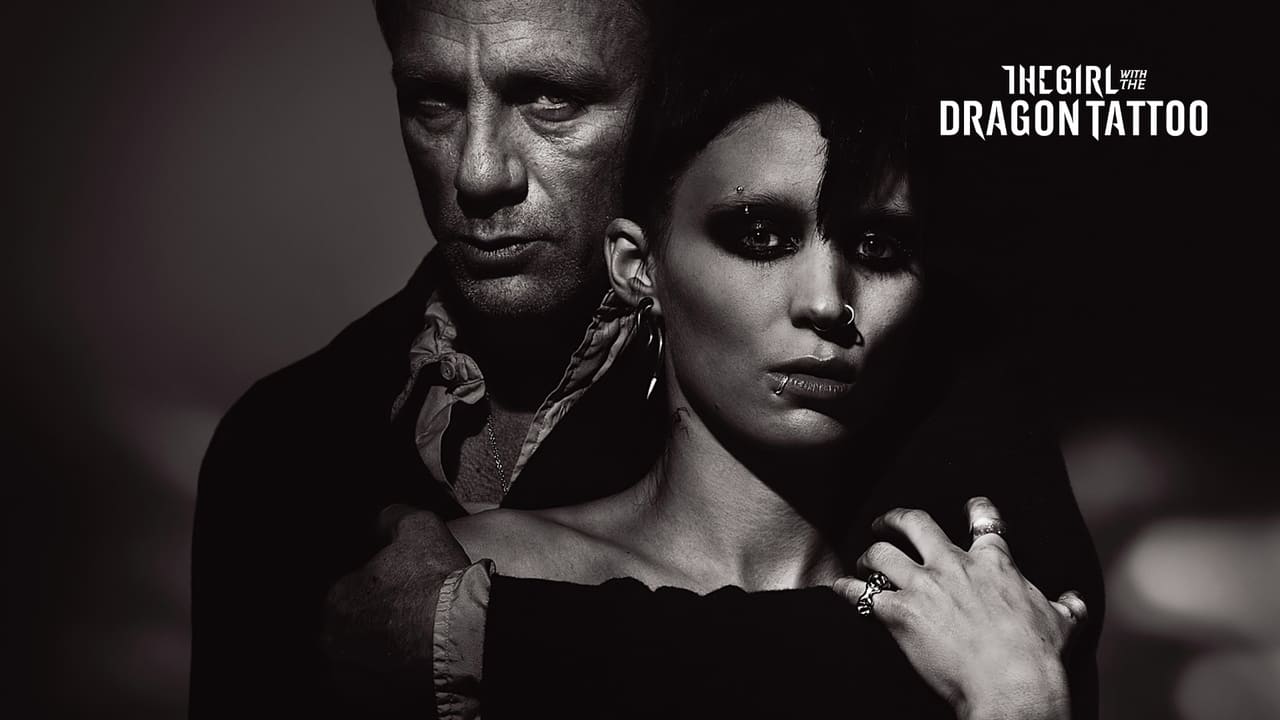
This wasn't just a director making a "whodunnit"; it was a procedural autopsy of a family's soul. When Daniel Craig’s Mikael Blomkvist arrives on the Vanger estate, he isn't playing the indestructible hero we’d grown used to in Casino Royale. Instead, he’s human, vulnerable, and—I’ll say it—looks remarkably like a middle-aged dad who spends too much time looking at spreadsheets. He gained weight for the role specifically to distance himself from the 007 shadow, and that choice makes the stakes feel genuine. When he gets into trouble, you don't expect a gadget to save him; you expect him to bleed.
The Transfiguration of Lisbeth Salander
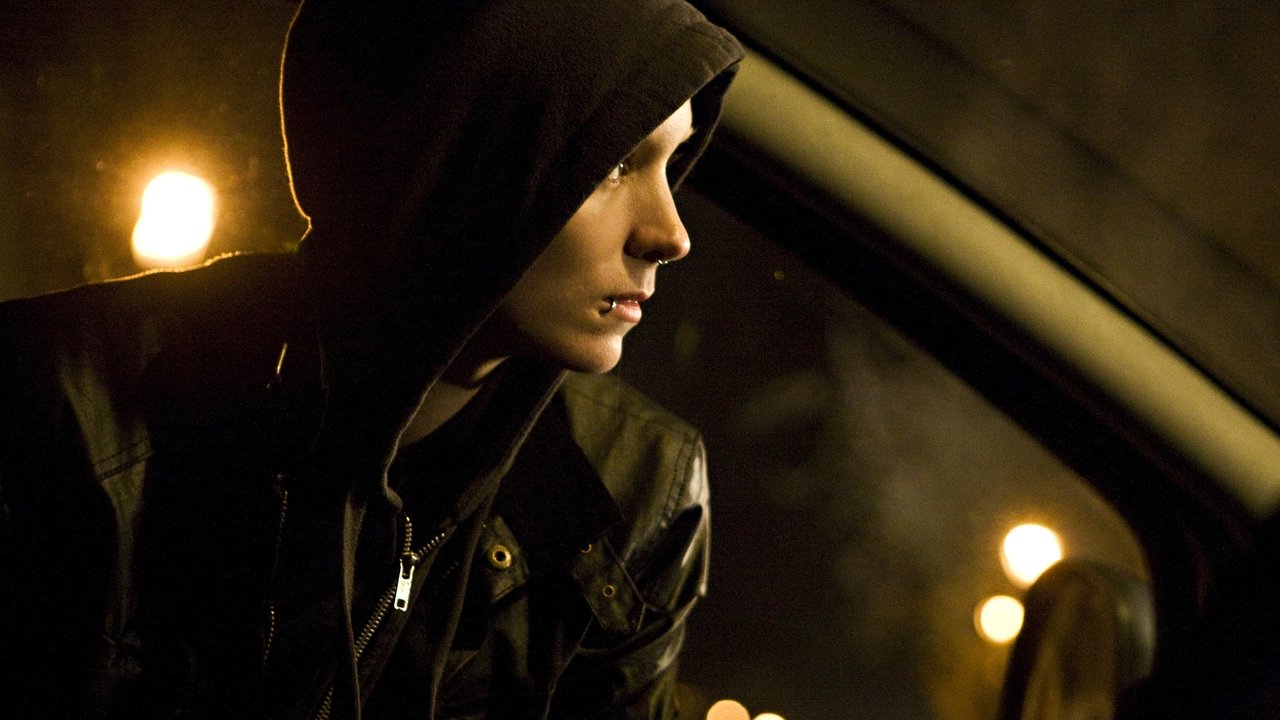
The real gravitational pull of this film, however, is Rooney Mara. At the time, the casting was a massive controversy—fans of the original Swedish trilogy were fiercely protective of Noomi Rapace. But Mara’s transformation is the stuff of legend. She didn't just put on a leather jacket; she disappeared into a prickly, traumatized, yet fiercely intelligent vacuum.
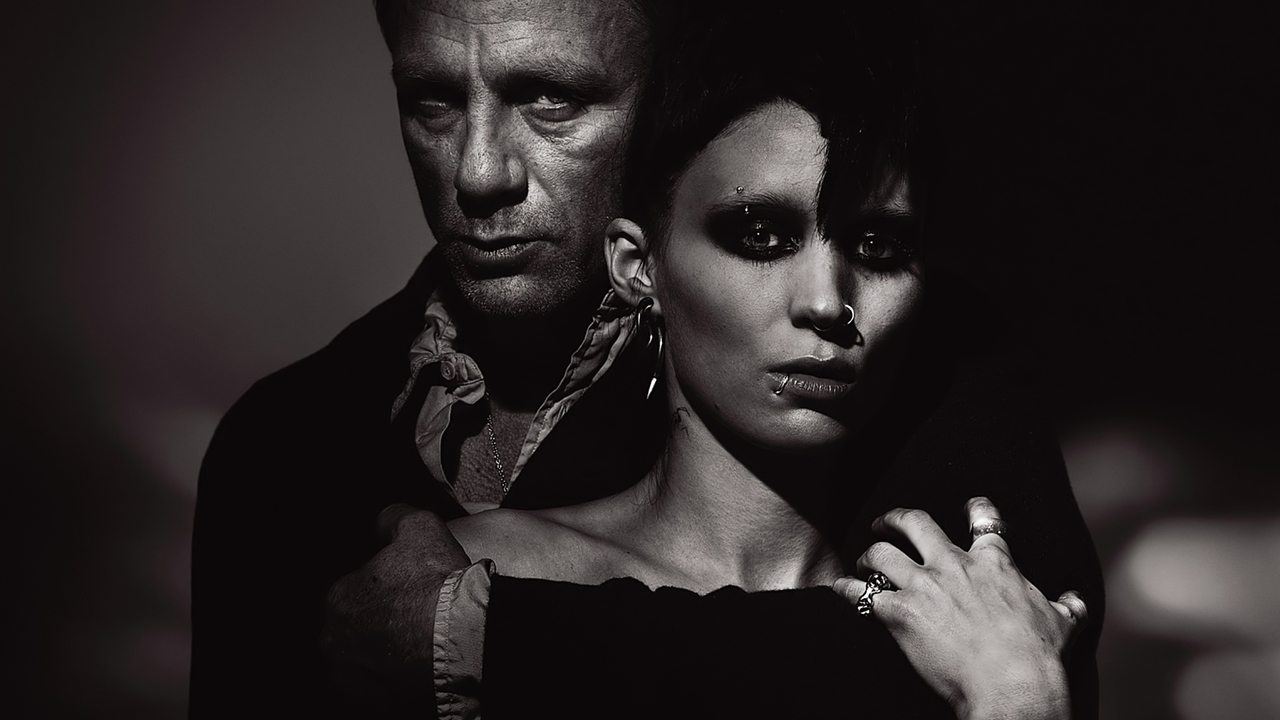
Her Lisbeth Salander is a masterclass in stillness. Watching her navigate the horrific abuse at the hands of Yorick van Wageningen’s Nils Bjurman is an endurance test for the audience, but it serves a narrative purpose that goes beyond shock value. It establishes the "why" of her character. The chemistry between her and Craig is fascinatingly non-traditional; it’s a partnership built on mutual utility that slowly evolves into a fragile, lopsided emotional bond. Rooney Mara’s eyebrows (or lack thereof) deserve their own billing for how much they contributed to her alien, unreadable expression.
The film also benefits from one of the greatest scores of the 21st century. Trent Reznor and Atticus Ross created a three-hour soundscape that feels like a machine breathing in a cold room. It’s an abrasive, industrial, and surprisingly melodic accompaniment that elevates the tension from a standard thriller to an existential nightmare.
The Cult of the "One and Done"
What secures this film’s cult status is its peculiar legacy. It was a "success" that wasn't "successful enough" for the studio to immediately pull the trigger on the sequels with the same cast. This has left the 2011 version frozen in time—a singular, high-budget artifact of what happens when a perfectionist director is given $90 million to make a movie about the darkest corners of the human psyche.
The behind-the-scenes stories have only added to the mystique for us physical media collectors. If you ever find the 3-disc DVD or Blu-ray set, grab it. It’s a relic of the "DVD Culture" era where special features actually mattered, showing the insane level of detail Fincher demands—like shooting dozens of takes of a character simply opening a car door.
Some cool details I’ve obsessed over since its release:
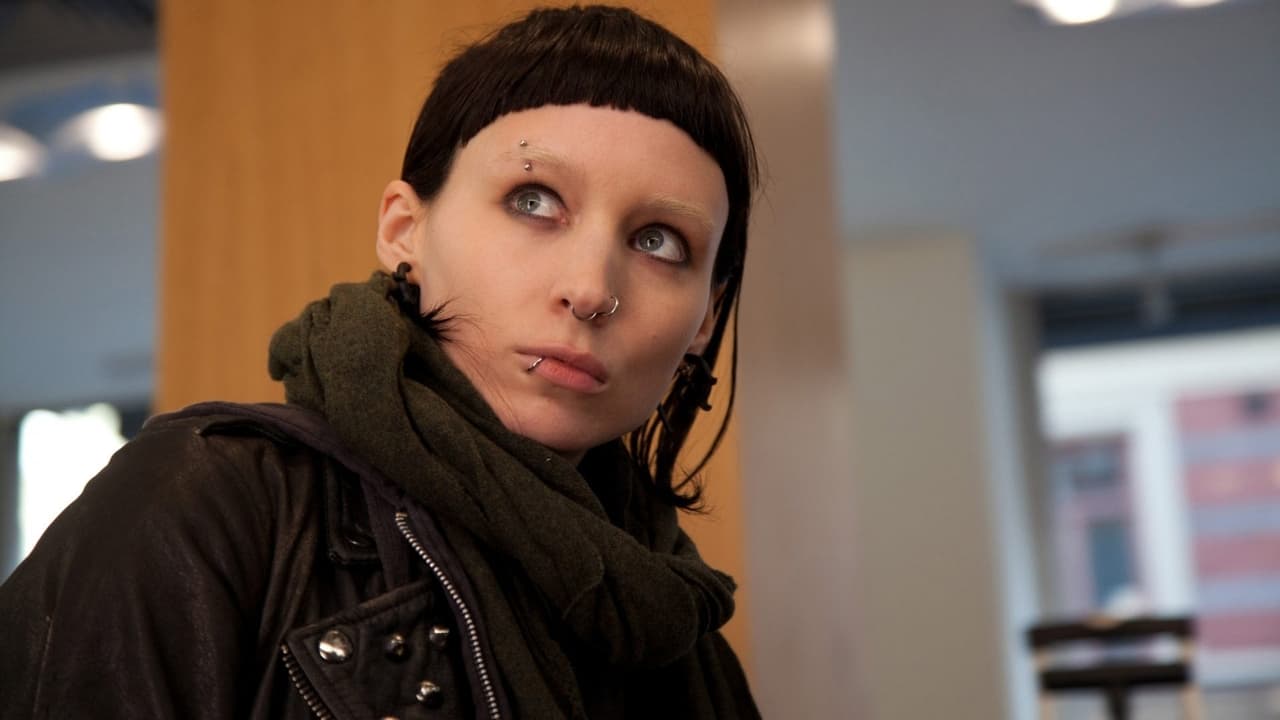
Rooney Mara actually got all those piercings for the role—ears, eyebrow, nose, and even her nipple—to avoid using "fake" jewelry that wouldn't hang correctly. Scarlett Johansson famously auditioned for Lisbeth, but Fincher felt she was "too sexy," noting that the audience would be waiting for her to take her clothes off rather than focusing on her intellect. The opening title sequence, a gooey, oil-slicked fever dream set to a cover of "Immigrant Song," cost a fortune and was directed by Tim Miller (who later directed Deadpool). Daniel Craig actually passed out during the filming of the climax because the plastic bag over his head was too airtight; Fincher didn't realize it until Craig stopped signaling with his hand. * The production was so committed to authenticity that they waited months for the "perfect" Swedish winter weather, which ironically ended up being one of the mildest winters on record, forcing them to bring in tons of artificial snow.
In an era of sanitized, franchise-ready thrillers, The Girl with the Dragon Tattoo stands as a grim, beautiful monolith. It is a film that respects the audience's intelligence and demands they look at things that are difficult to see. It’s the kind of movie that makes you want to lock your doors and turn up the heat, not because of the cold, but because of the people hiding in the shadows. It remains a high-water mark for the 2010s, proving that even a "remake" can be a definitive piece of art in the right hands.
Keep Exploring...
-

Zodiac
2007
-
Se7en
1995
-

The Game
1997
-

Gone Girl
2014
-
Lucky Number Slevin
2006
-
Eastern Promises
2007
-
State of Play
2009
-
Kiss Kiss Bang Bang
2005
-

Sherlock Holmes: A Game of Shadows
2011
-

Changeling
2008
-

Law Abiding Citizen
2009
-
Tell No One
2006
-
The Girl Who Kicked the Hornet's Nest
2009
-
The Girl with the Dragon Tattoo
2009
-
Marshland
2014
-
The Bone Collector
1999
-
Gone Baby Gone
2007
-
The Next Three Days
2010
-
Drive
2011
-
The Lincoln Lawyer
2011