The Guard
"He’s a bad cop, but a great Irishman."
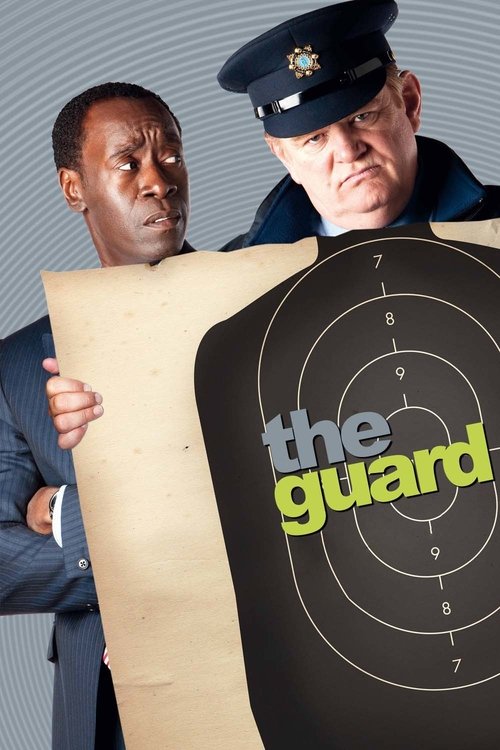
The first time I saw Brendan Gleeson in The Guard, I was nursing a lukewarm cup of Barry’s Tea and a slight grudge against my radiator, which had decided to stop working in the middle of a February freeze. Within ten minutes, I’d forgotten about the cold. There is something about Gleeson’s Sergeant Gerry Boyle—a man who reacts to a fatal car crash by checking the victim’s pockets for high-grade hit-and-run stimulants—that warms the soul. It’s a performance that feels less like acting and more like a force of nature hitting a brick wall and deciding to have a pint instead.
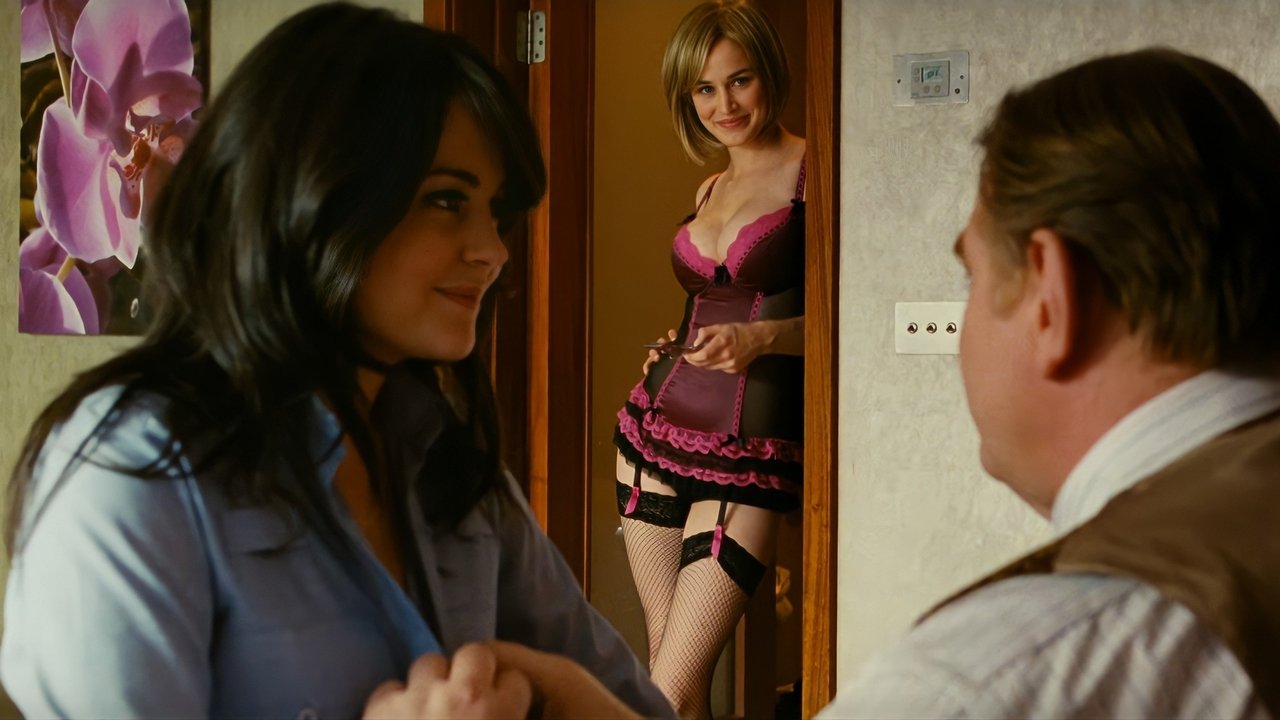
The Most Reluctant Hero in Galway
Released in 2011, The Guard arrived at a curious moment for cinema. We were deep into the "prestige" era of the anti-hero on TV, but movies were still trying to figure out how to make a protagonist genuinely unlikable without losing the audience. Writer-director John Michael McDonagh (brother to Martin, of In Bruges fame) solved this by leaning into the specific, craggy charisma of Gleeson. Boyle isn't just a "bad cop"; he’s a man who has looked at the abyss, realized it’s quite boring, and decided to spend his life poking it with a stick just to see what happens.
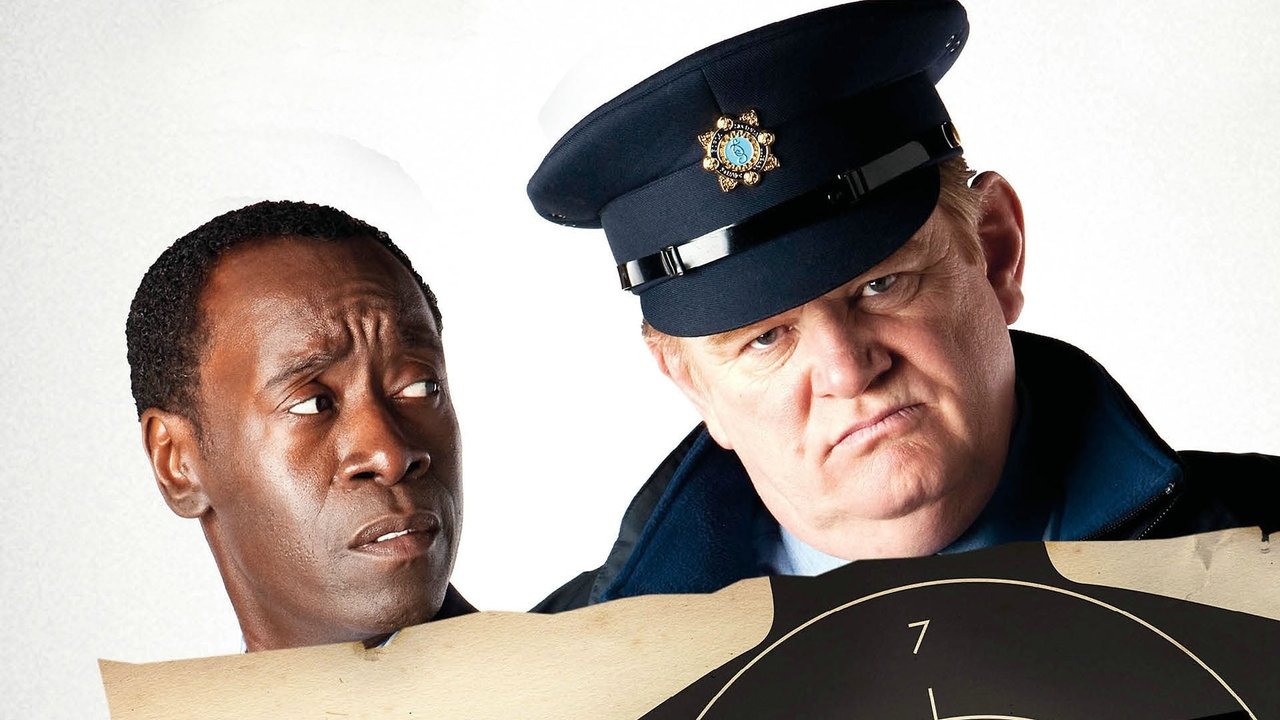
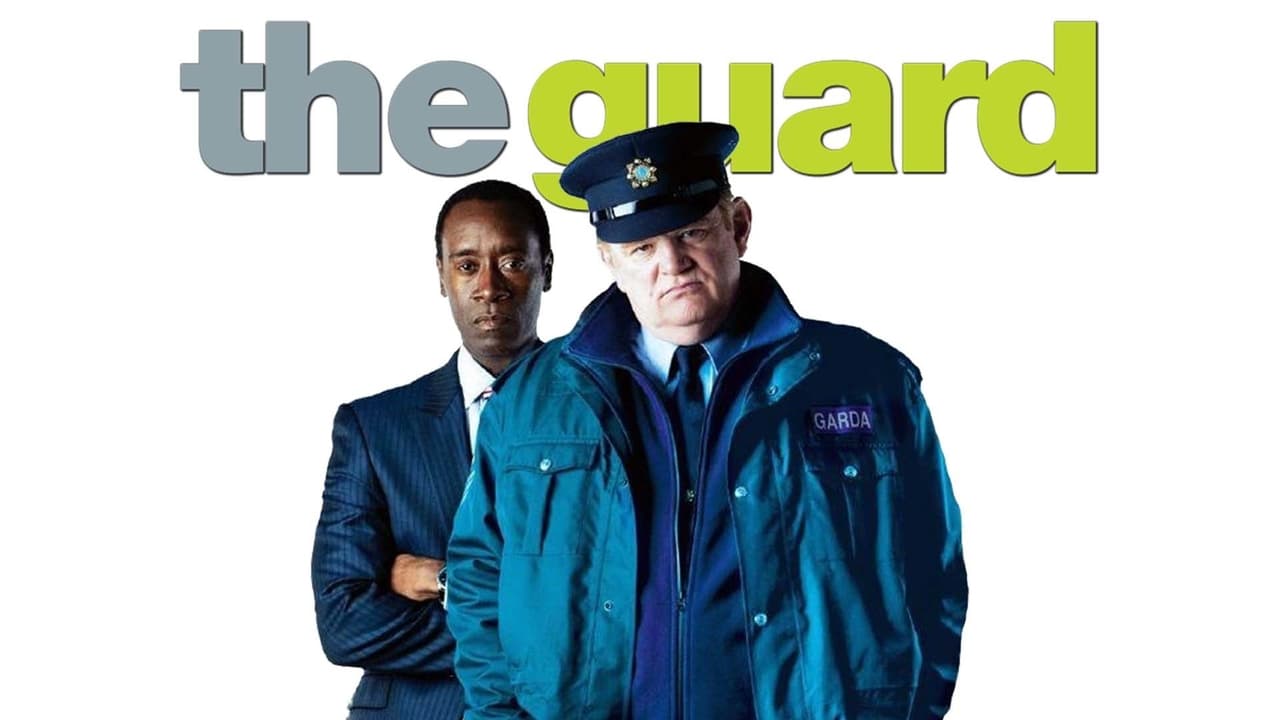
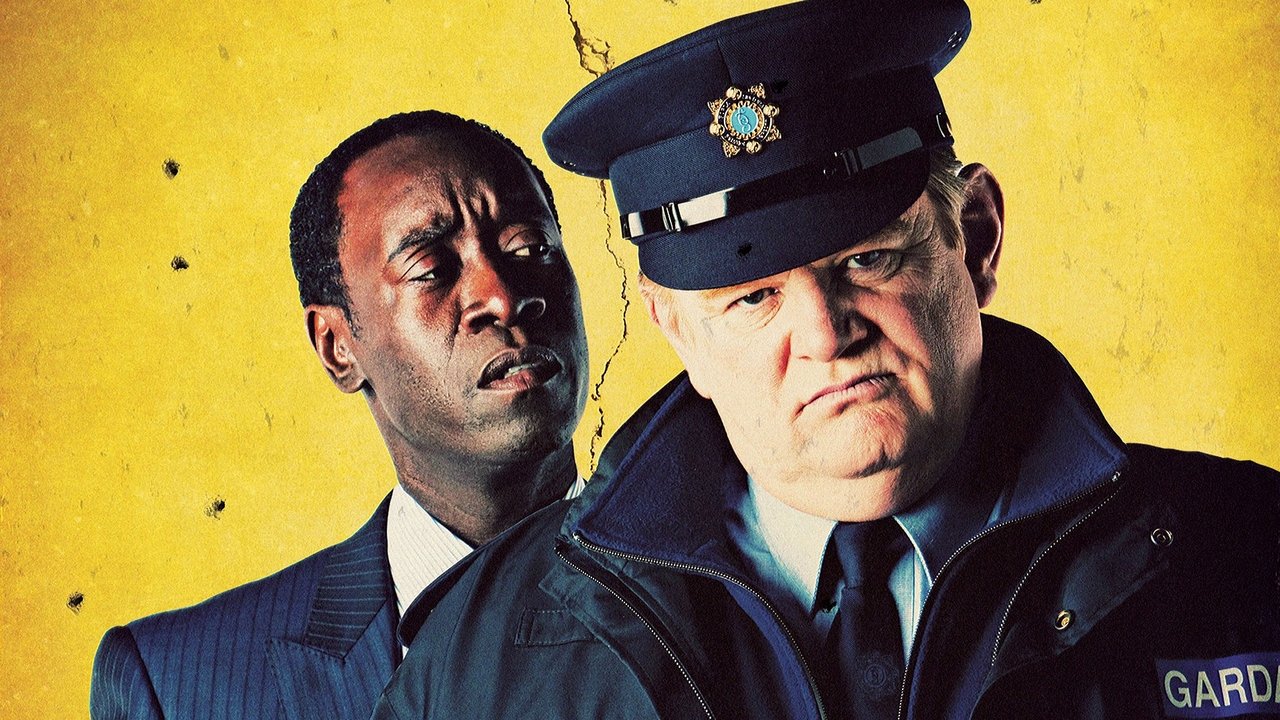
When a high-stakes FBI investigation into an international drug-trafficking ring lands in his sleepy West of Ireland jurisdiction, Boyle is paired with Don Cheadle’s Agent Wendell Everett. On paper, it’s a standard "buddy cop" setup. In practice, it’s a demolition derby of cultural expectations. Cheadle is the quintessential straight man—academic, disciplined, and utterly bewildered by a partner who claims he thought only black people were allowed to be drug dealers. It’s a joke that works only because Gleeson delivers it with the blank-faced sincerity of a man asking about the weather.
Western Sensibilities in a Wet Climate
What often gets lost in the conversation about The Guard’s sharp-tongued comedy is how well it functions as a modern Western. The cinematography by Larry Smith (Stanley Kubrick’s lighting director on Eyes Wide Shut) transforms the Connemara landscape into something desolate and mythic. The wide shots of the Atlantic coast don't look like a tourism brochure; they look like the edge of the world. Gleeson looks like a man made entirely of potatoes and righteous indignation, standing against a horizon that offers him nothing but rain and crime.
The action sequences, while not frequent, have a messy, percussive weight to them. When the shootouts eventually happen, they aren't choreographed with the slickness of a John Wick film; they’re frantic, awkward, and surprisingly lethal. Liam Cunningham and Mark Strong play the villains with a wonderful sense of middle-management fatigue. They aren't cackling masterminds; they’re professionals who are annoyed that they have to deal with a provincial policeman who seems to be too smart to be this stupid.
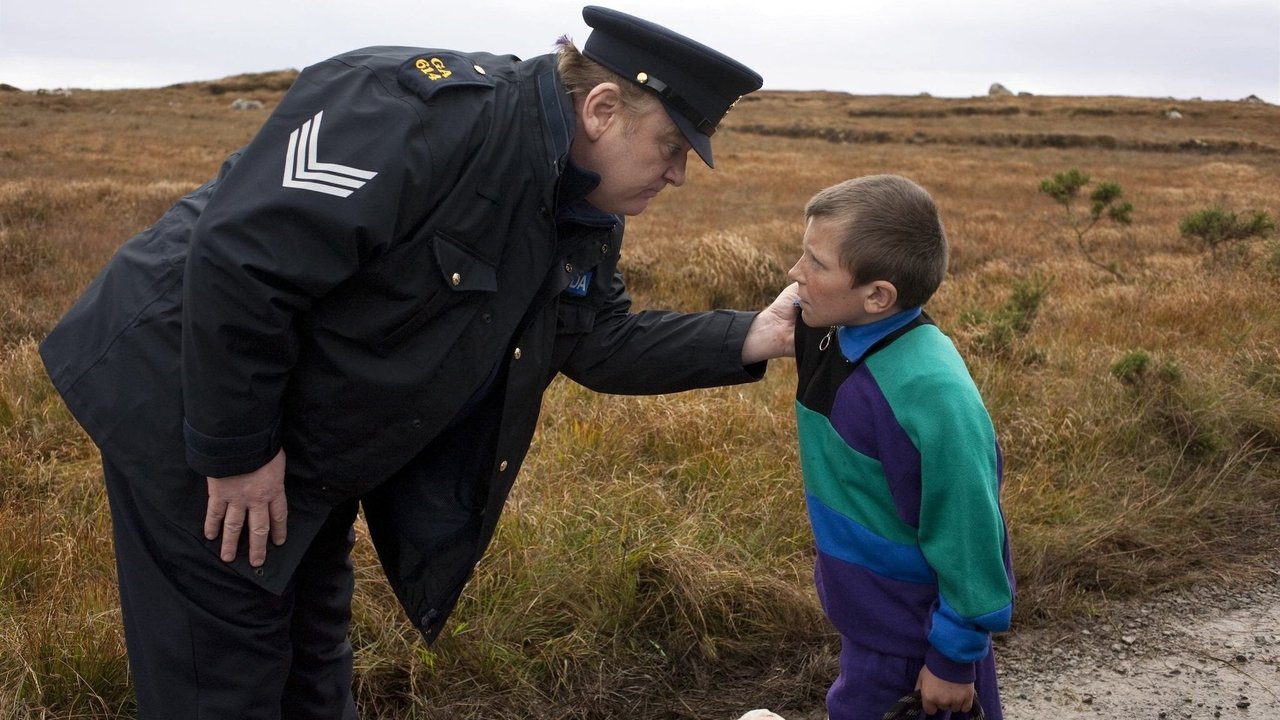
The Beauty of the "Small" Movie
Looking back from our current era of billion-dollar franchises, The Guard feels like a relic of a time when a $6 million budget could buy you a legitimate masterpiece. It’s an indie film that doesn't feel "precious." It’s dirty, foul-mouthed, and deeply cynical, yet it possesses a hidden core of genuine melancholy. Boyle’s relationship with his dying mother (played with heartbreaking grace by Fionnula Flanagan) provides the emotional ballast that keeps the film from drifting into pure nihilism.
Apparently, Don Cheadle signed onto the project after only reading the first few pages of the script, largely because the dialogue was so rhythmic and bizarre. You can see that joy on screen; Cheadle plays the "fustrated American" perfectly, but there’s a twinkle in his eye that suggests he knows he’s witnessing a masterclass in screen presence. It’s a shame this film didn't launch a dozen sequels, though perhaps its singular nature is why it holds up so well. It doesn't need a "Guard-verse." It just needs Gleeson, a surfboard, and a complete lack of respect for authority.
Stuff You Didn't Notice
While the film feels like a spontaneous explosion of Irish wit, the production was actually quite calculated. The score by Joey Burns (of the band Calexico) was a deliberate choice to lean into that "Irish Western" vibe, blending Americana sounds with the desolate Irish landscape. It’s also worth noting that John Michael McDonagh wrote the script specifically for Gleeson after working with him on the short film The Second Coming. If you ever wondered why the dialogue fits him like a second skin, that’s why—it was tailored to his specific, rumbling cadence.
The film also captures a very specific post-Celtic Tiger anxiety. Ireland was reeling from a massive economic crash in 2011, and Boyle’s utter contempt for the "system" resonated deeply with local audiences. He’s the man who stayed behind when the money vanished, and he’s not impressed by anyone who thinks they can come in and fix things.
The Guard is one of those rare films that manages to be smarter than its audience while pretending to be dumber. It subverts every cliché of the police procedural and replaces them with something far more interesting: a character study of a man who is the hero of his own very strange story. If you haven't seen it, find it. If you have, watch it again—it’s even funnier once you realize Boyle is the only sane person in the room.
The movie ends not with a grand proclamation or a setup for a sequel, but with a quiet acknowledgement of a job done (mostly) right. It leaves you with the feeling of having just finished a very long, very intense night at a pub where the storyteller was slightly drunk but absolutely brilliant. You might not remember every plot point, but you’ll never forget the man at the center of it. It’s a reminder that sometimes the best way to handle a world gone mad is to simply refuse to take it seriously.
Keep Exploring...
-
Smokin' Aces
2006
-
Shoot 'Em Up
2007
-
Rumble in the Bronx
1995
-
Stand Up Guys
2012
-

RED
2010
-
RED 2
2013
-
OSS 117: Cairo, Nest of Spies
2006
-
OSS 117: Lost in Rio
2009
-
Lethal Weapon 3
1992
-
Bad Boys
1995
-
Lethal Weapon 4
1998
-

Calvary
2014
-
Grosse Pointe Blank
1997
-
Taxi 2
2000
-
11:14
2003
-
Harry Brown
2009
-

Midnight Run
1988
-
Turner & Hooch
1989
-
Who Am I?
1998
-
Bandidas
2006