The Hangover Part II
"Bangkok has them, and it isn't letting go."
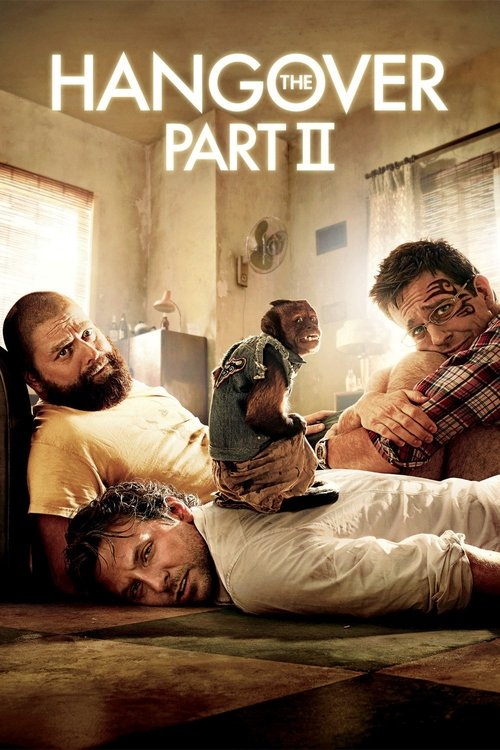
I remember watching The Hangover Part II in a theater that smelled faintly of over-buttered popcorn and floor cleaner, sitting next to a guy who was laughing so hard he nearly choked on a Junior Mint. At the time, the hype was inescapable. The first film wasn't just a hit; it was a cultural shift that turned Bradley Cooper into a superstar and made "The Wolfpack" a household name. But sitting there in 2011, I couldn't shake the feeling that I’d seen this movie before—mostly because I literally had.
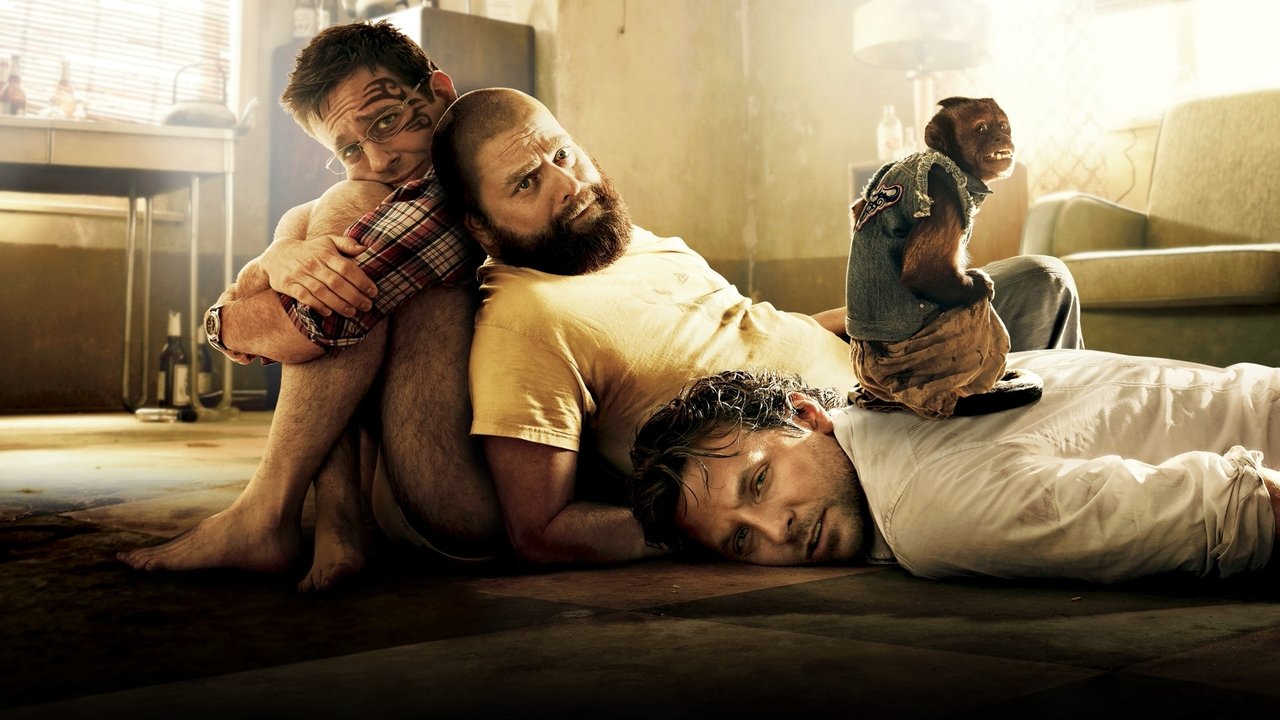
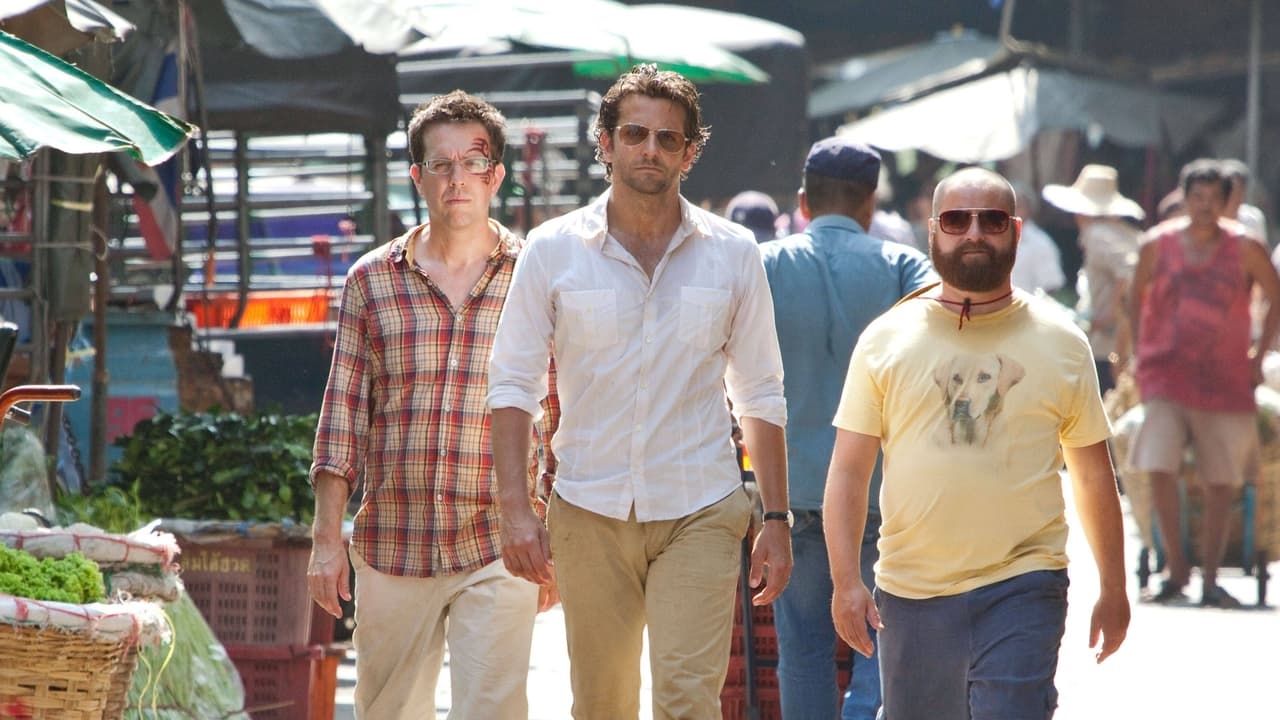
The sequel finds our trio—the smooth Phil (Bradley Cooper), the high-strung Stu (Ed Helms), and the chaotic wildcard Alan (Zach Galifianakis)—heading to Thailand for Stu’s wedding. To avoid a repeat of the Vegas "incident," Stu opts for a safe, daytime pre-wedding brunch. Naturally, they wake up in a filthy Bangkok hotel room with no memory of the night before, a missing person (this time the bride’s younger brother, Teddy), and a new set of scars.
The Art of the Carbon Copy
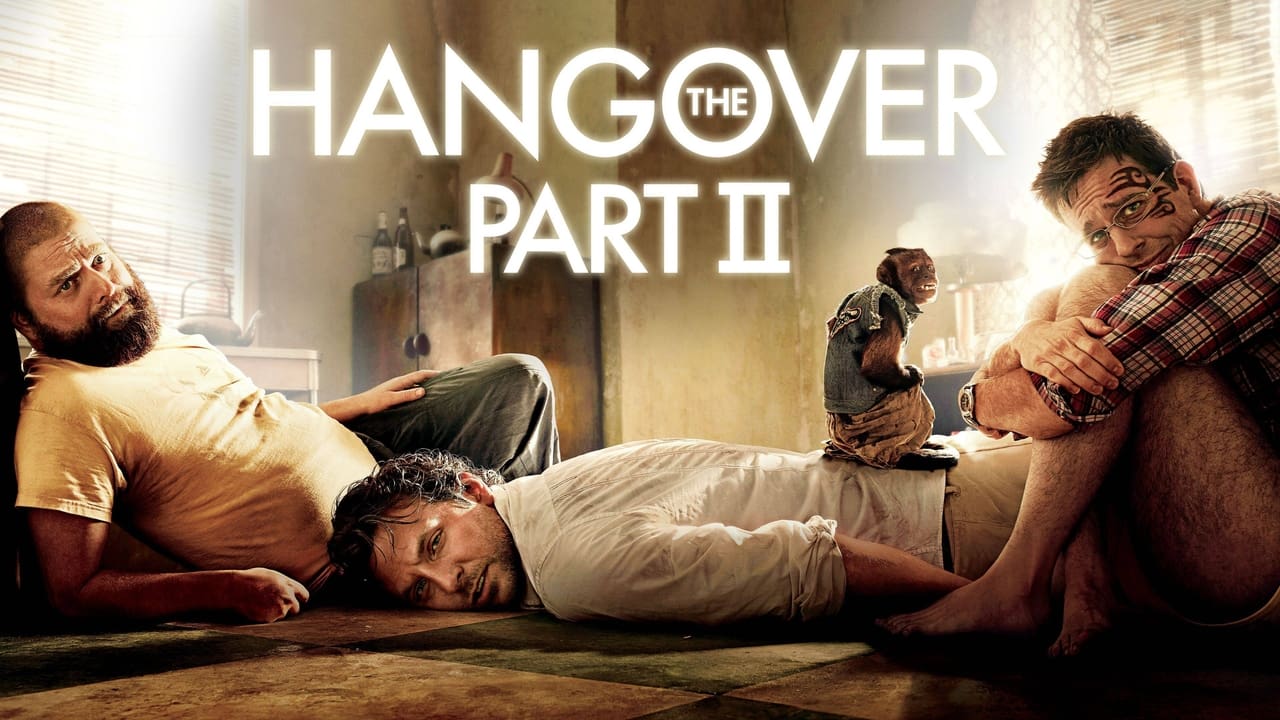
Director Todd Phillips made a daring, almost defiant choice with this sequel: he didn’t just follow the formula; he Xeroxed the original script and changed the names of the cities. The beats are identical. There’s the morning-after realization, the animal in the bathroom (a smoking monkey instead of a tiger), the missing tooth/face tattoo, and the slow realization that Mr. Chow (Ken Jeong) is the catalyst for their misery.
Looking back, this was the peak of the "franchise-building" era where studios were terrified of fixing what wasn't broken. It’s a fascinating snapshot of 2011 Hollywood logic: if they liked it once, they’ll like it exactly the same way, but louder. And for the most part, it worked. The film pulled in over $580 million, proving that audiences weren't quite tired of the routine yet. However, the humor here is significantly meaner and more cynical than the first outing. While the original felt like a wild night gone wrong, the sequel feels like a descent into a very literal hell.
Bangkok Has Them Now
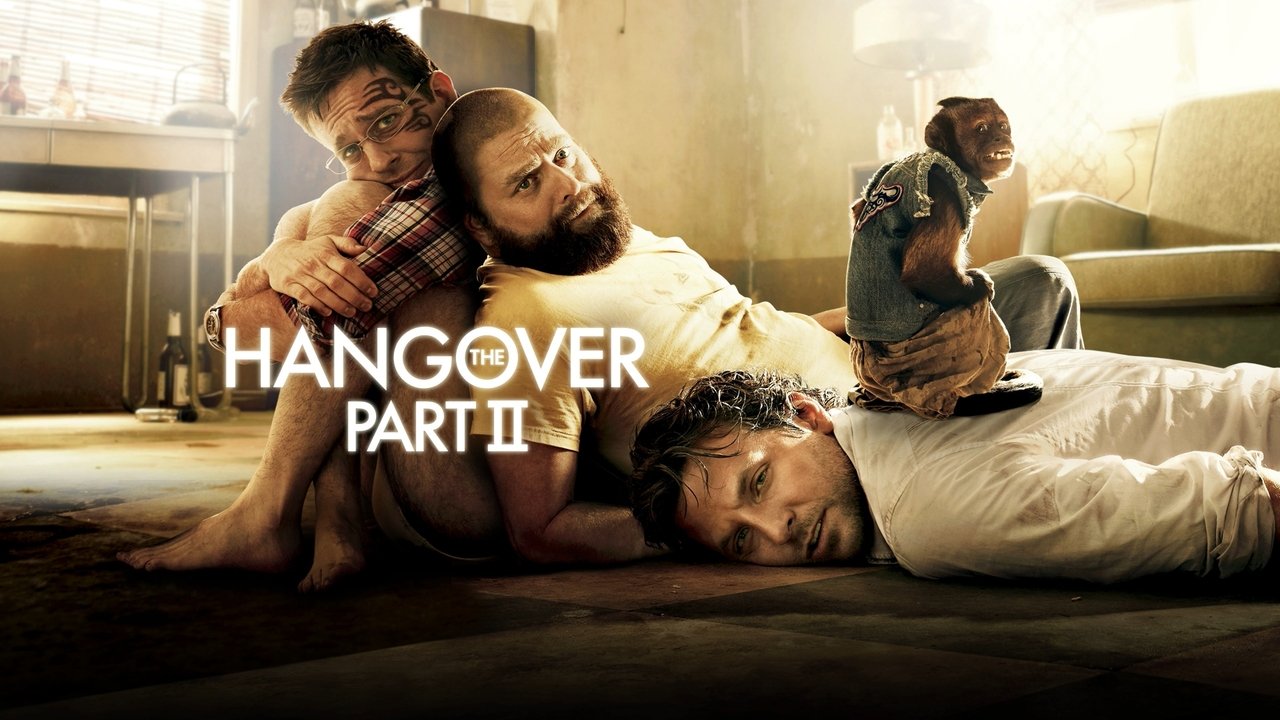
The change in scenery from the neon glitz of Vegas to the humid, claustrophobic streets of Bangkok changes the DNA of the comedy. Lawrence Sher’s cinematography captures the city with a gritty, sweat-soaked texture that makes you want to take a shower after the credits roll. It’s a darker film, both visually and tonally. The inclusion of Paul Giamatti as a high-stakes criminal and the late-night underworld dealings give the movie an edge that almost pushes it out of the comedy genre and into a crime thriller.
The performances are what keep the engine running. Bradley Cooper plays the "cool guy" with an increasingly frayed edge, but the heavy lifting remains with Ed Helms and Zach Galifianakis. Helms’ portrayal of a man undergoing a total psychological breakdown is genuinely impressive; his "Demon Inside" song is a highlight of the film’s frantic energy. Galifianakis, meanwhile, had become a phenomenon by this point. In retrospect, you can see him leaning into the "Alan" persona with a confidence that occasionally borders on the surreal. He’s essentially a Looney Tune who wandered into a Scorsese film.
Trivia from the Wolfpack
The production of The Hangover Part II was almost as chaotic as the plot itself. One of the most famous behind-the-scenes stories involves the cameo that never was. Originally, Mel Gibson was cast as the tattoo artist, but the cast and crew reportedly protested his involvement. He was replaced by Liam Neeson, but due to scheduling conflicts with Wrath of the Titans, Neeson’s scene had to be re-shot entirely, eventually landing on director Nick Cassavetes for the final cut.
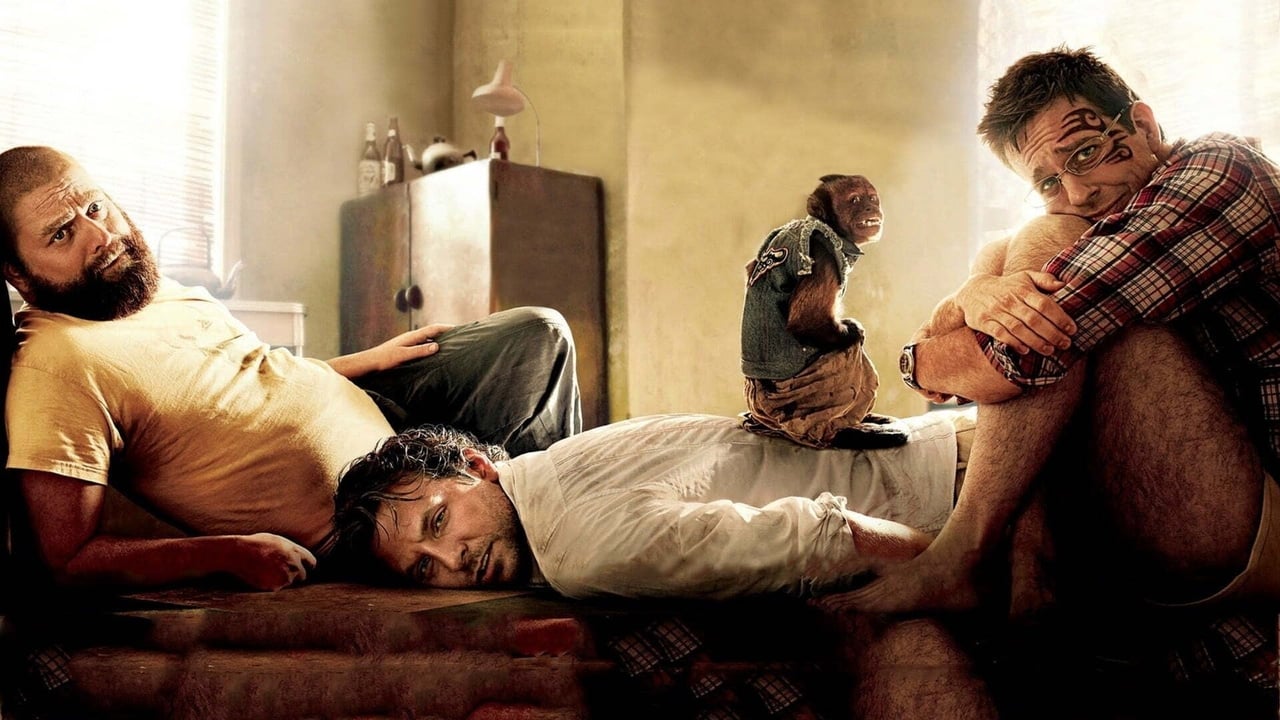
Then there was the lawsuit over the face tattoo. S. Victor Whitmill, the artist who designed Mike Tyson’s iconic ink, sued Warner Bros. for copyright infringement, nearly delaying the film's release. It was a peak "Modern Cinema" moment—where the marketing of a film (using that tattoo on posters) collided with the emerging legalities of intellectual property in the digital age. And let’s not forget the "smoking monkey." While the animal was a hit with audiences, it sparked a brief firestorm with PETA, though Todd Phillips later clarified that the monkey was never actually smoking real cigarettes.
The film is a paradox. It’s undeniably funny in spots, fueled by the undeniable chemistry of its leads, but it’s also a redundant exercise in "more is better." It lacks the discovery and the "puzzle-box" charm of the first film, replacing it with shock value and a higher body count. I watched this again recently while eating a very mediocre Pad Thai, and the experience was oddly fitting: it satisfied the craving, but it didn't taste nearly as good as the first time I had it.
The Hangover Part II serves as a textbook example of the early 2010s blockbuster mentality—bigger budgets, darker stakes, and a rigid adherence to a winning structure. While it doesn't reach the heights of its predecessor, it remains a fascinating, grimy time capsule of a moment when the R-rated comedy reigned supreme at the box office. It’s a wild, uncomfortable ride that proves that while the Wolfpack is always back, they probably should have just stayed home after Vegas.
Keep Exploring...
-
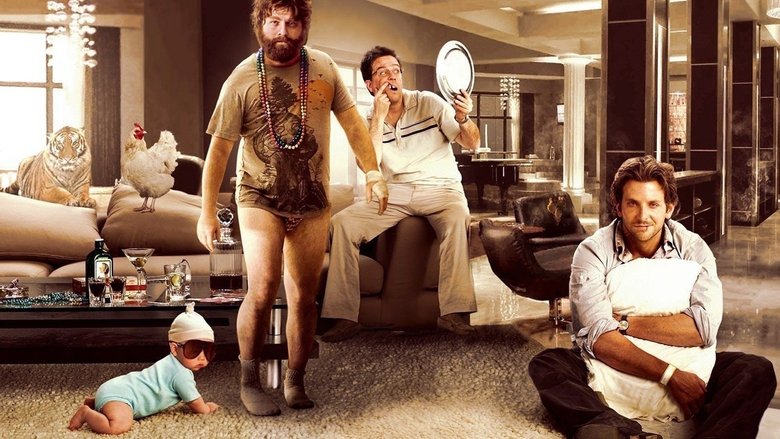
The Hangover
2009
-
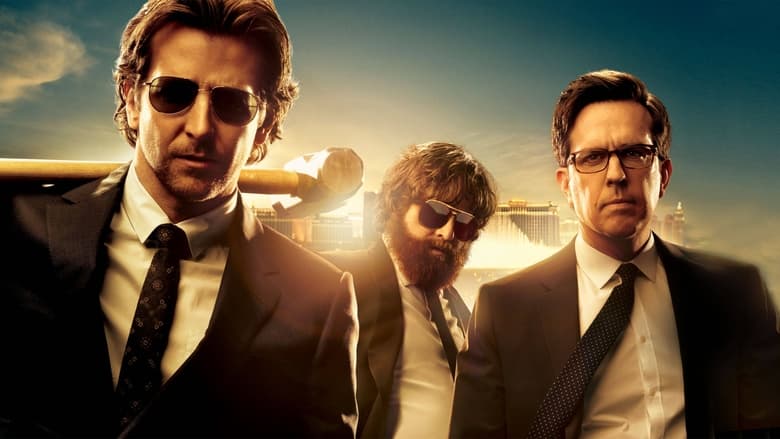
The Hangover Part III
2013
-
Due Date
2010
-
Road Trip
2000
-
Starsky & Hutch
2004
-

Old School
2003
-

Valentine's Day
2010
-
Silver Linings Playbook
2012
-
Identity Thief
2013
-
War Dogs
2016
-

Mr. Popper's Penguins
2011
-

Puss in Boots
2011
-
Despicable Me 2
2013
-
What Happens in Vegas
2008
-
Saving Mr. Banks
2013
-
We're the Millers
2013
-
Scary Movie 3
2003
-
Cars
2006
-
Happy Feet
2006
-

Ice Age: The Meltdown
2006