The Help
"The dangerous weight of a whispered truth."
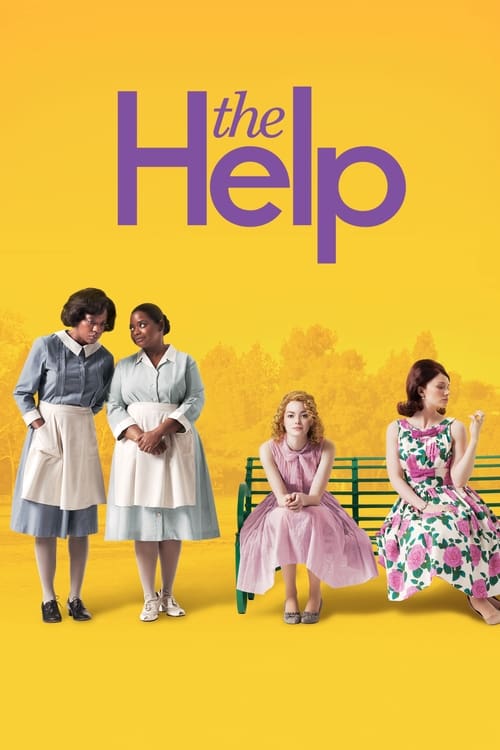
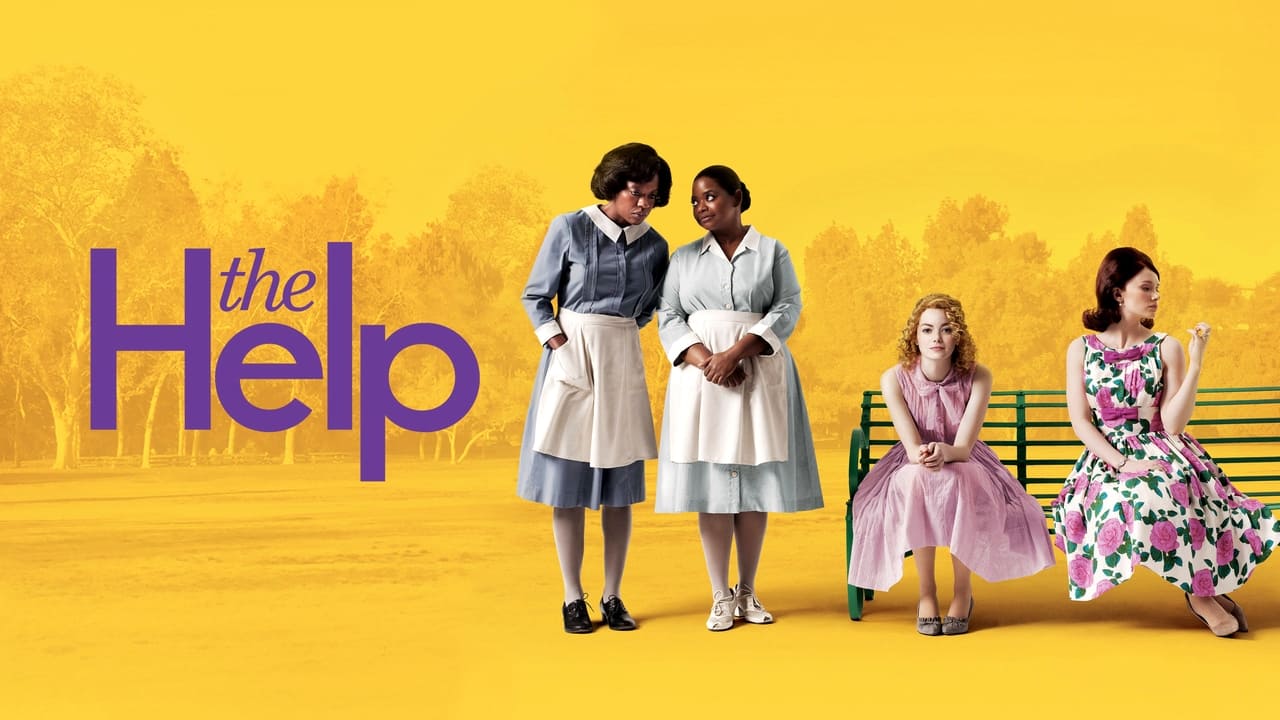
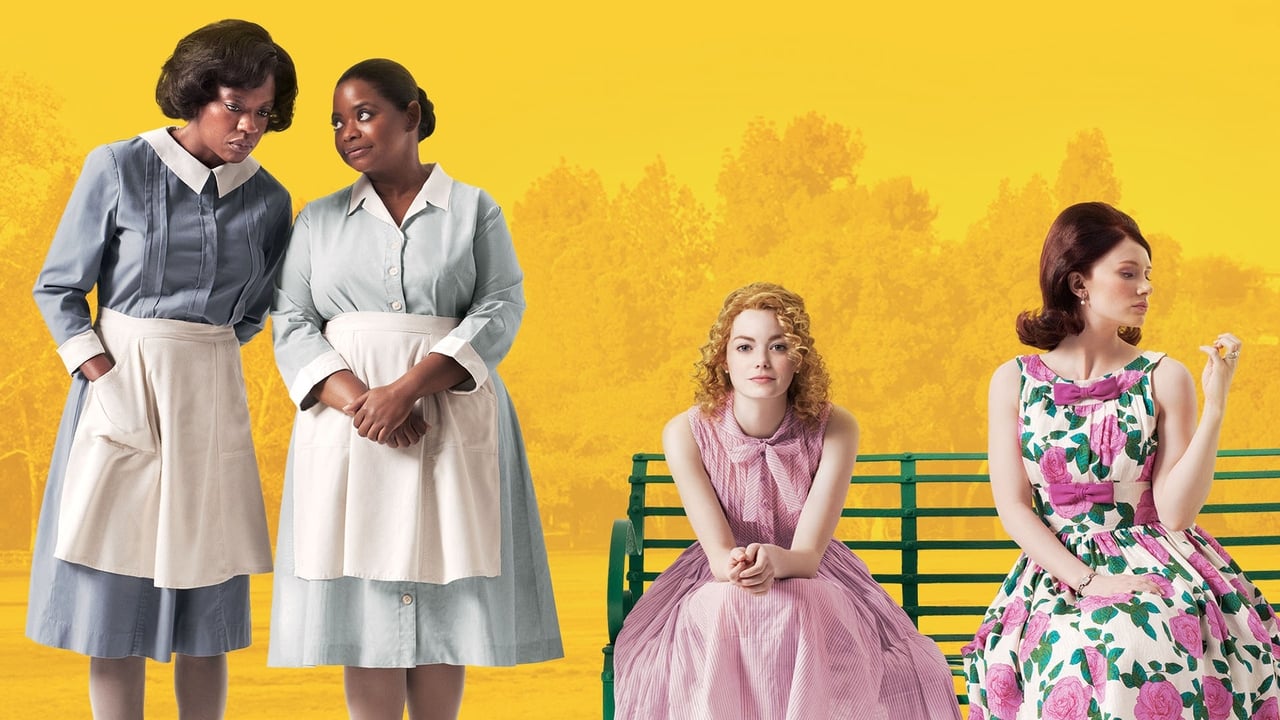
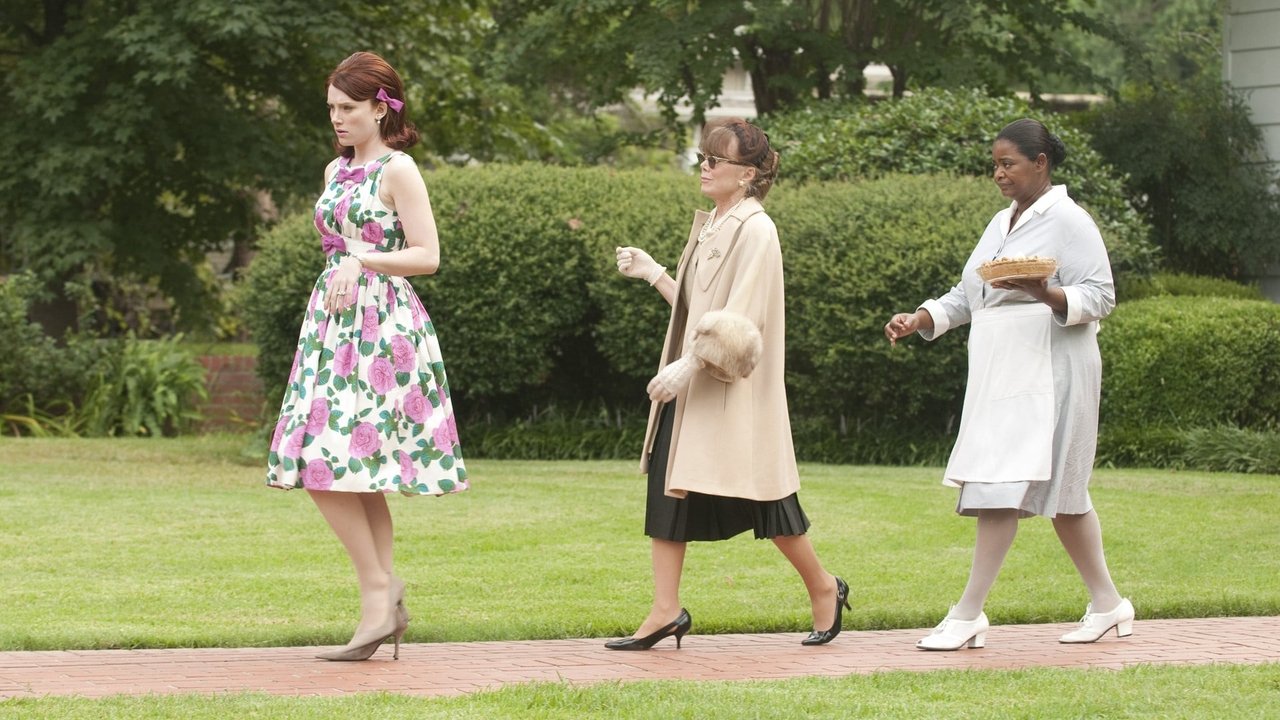
Jackson, Mississippi, in 1963 looks like a department store catalog gone slightly sour—all pastel shirtwaist dresses and manicured lawns masking a social architecture built on the fragile foundation of "knowing your place." When I first watched The Help, I was struck by how it uses the bright, saturated colors of early 60s optimism to highlight the gray, suffocating reality of the women working in those kitchens. My cat decided to knock over a lukewarm cup of herbal tea just as the infamous "Terrible Awful" scene started, and honestly, the resulting brown stain on my rug felt strangely thematic given the chaotic mess being served on screen.
The Architecture of Domestic Warfare
At its core, The Help isn't just a historical drama; it’s an interrogation of the domestic space as a battlefield. We often think of the Civil Rights movement in terms of marches and monumental speeches, but Tate Taylor’s film (adapted from Kathryn Stockett's gargantuan bestseller) suggests that some of the most profound shifts happened between the stove and the nursery.
The philosophy of the film hinges on the idea of "the line"—that invisible, lethal boundary between the woman who owns the house and the woman who keeps it from falling apart. I’ve always found the intellectual hook here to be the psychological dissonance of the white housewives. They entrust the African-American maids with their children’s lives and their families' secrets, yet recoil at the idea of sharing a toilet. It is a masterwork of cognitive dissonance packaged in floral print. The film asks us to grapple with how "politeness" is often used as a weapon to maintain a hierarchy that is fundamentally inhumane.
Performances That Transcend the Script
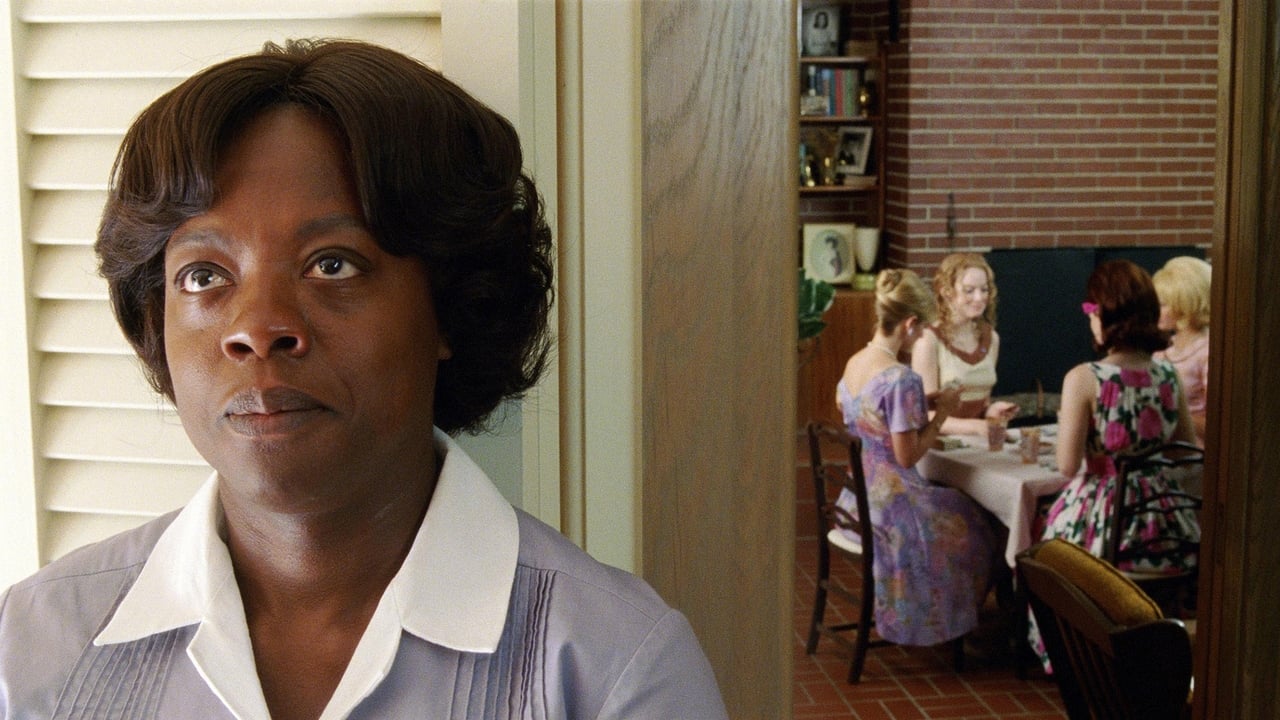
The film’s prestige status was cemented by its ensemble, and looking back, the sheer density of talent is staggering. Viola Davis provides the film’s soul as Aibileen Clark. Her performance is a study in stillness; you can see the decades of repressed grief and weary wisdom behind her eyes before she even speaks a word. When she finally lets the armor crack, it doesn't feel like "movie acting"—it feels like a leak in a dam that’s been holding back an ocean.
On the flip side, Octavia Spencer brings a necessary kinetic energy as Minny Jackson. While she provides the film's most famous comedic beats, she never lets us forget the precariousness of her position. Then there’s Jessica Chastain as the "white trash" outcast Celia Foote. In a movie about rigid social silos, Celia is the only one who doesn't understand the rules, and Chastain plays her with a heartbreaking, breathy vulnerability that makes the other women’s cruelty look even more pathetic.
Of course, we have to talk about Bryce Dallas Howard as Hilly Holbrook. She is the personification of "banal evil"—the kind of villain who thinks she’s the hero of her own story because she’s following the rules of her society to the letter. She plays Hilly like a poisonous cupcake.
The Prestige Polish and the 'White Savior' Shadow
In the decade-plus since its release, The Help has faced a fair amount of intellectual re-evaluation. It was a massive awards contender, earning four Oscar nominations, including Best Picture, with Octavia Spencer taking home the statue for Best Supporting Actress. However, it’s impossible to ignore the "white savior" critique that has trailed the film like a shadow.
The story is framed through Skeeter Phelan (Emma Stone), the aspiring writer who facilitates the maids' stories. While Stone is charming, the film occasionally falls into the trap of centering the white woman’s professional growth over the Black women’s existential risks. Skeeter’s hair is a metaphorical disaster that somehow reflects her moral confusion, but she still gets the "hero" edit.
Interestingly, even Viola Davis has famously expressed regret about the role in recent years, noting that the film prioritizes the "comfort" of a white audience over the raw, unvarnished perspective of the maids themselves. It’s a valid philosophical critique: can a film truly be about Black liberation if it’s told through a lens designed to make the majority audience feel like they would have been one of the "good ones"?
Cool Details You Might Have Missed
The production of The Help was a bit of a "friendship project," which is rare for a $25 million studio film. Director Tate Taylor was a childhood friend of author Kathryn Stockett, and he actually lived with Octavia Spencer while she was a struggling actress in Los Angeles. Apparently, Stockett based the character of Minny on Spencer long before the movie was even a thought.
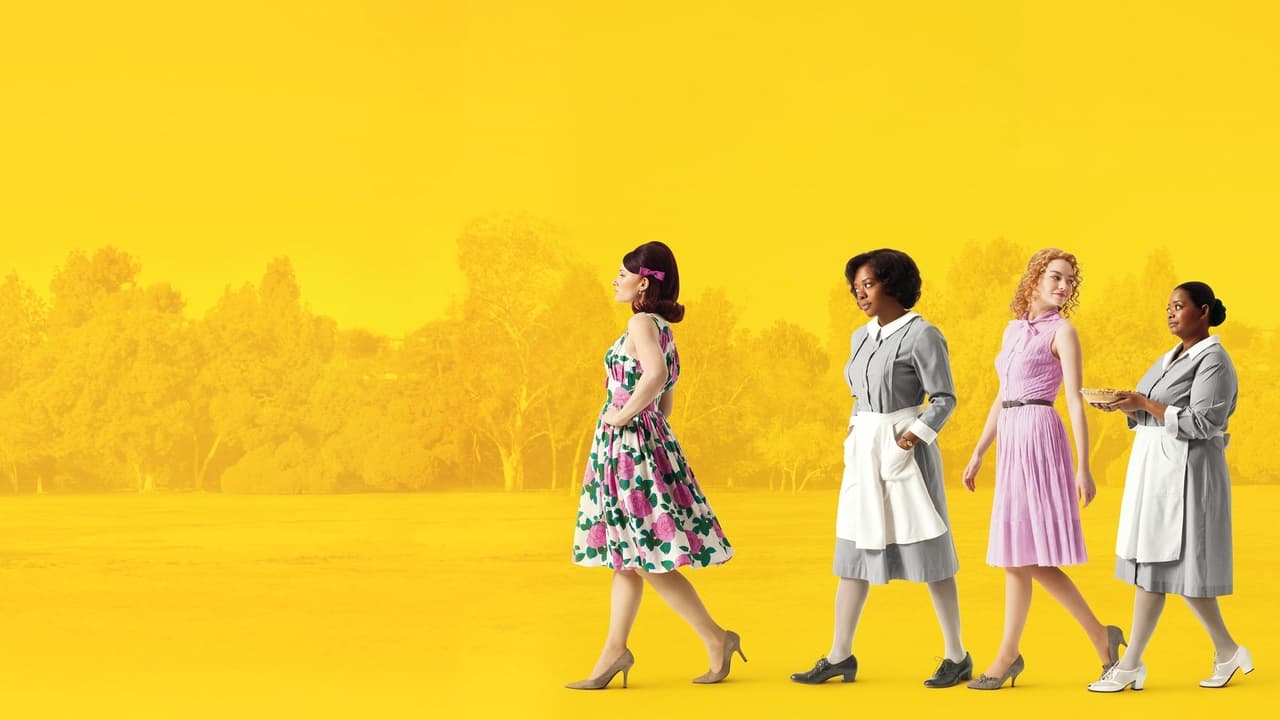
The attention to detail in the production design by Mark Ricker is also worth a second look. The kitchens were designed to look functional but slightly oppressive, contrasting with the airy, uselessness of the ladies' bridge-club parlors. Also, for those wondering about the "Terrible Awful" chocolate pie: it was actually made of chocolate, crushed crackers, and corn syrup. Octavia Spencer reportedly had to watch Bryce Dallas Howard eat about a dozen of those pies during filming, which is a different kind of acting challenge altogether.
The Help remains a fascinating artifact of early 2010s prestige cinema. While its narrative structure feels a bit safe by today's standards, the power of the performances—particularly from the Black ensemble—elevates it into something that still demands attention. It’s a film that invites us to look at the small, quiet cruelties of history and ask how many of those "whispers" we are still ignoring today. It isn't a perfect historical document, but as a character study on the weight of dignity under pressure, it still packs a significant emotional punch.
Keep Exploring...
-
Into the Wild
2007
-
There Will Be Blood
2007
-

Flipped
2010
-

Warrior
2011
-
Dallas Buyers Club
2013
-

Hachi: A Dog's Tale
2009
-
Mr. Nobody
2009
-
About Time
2013
-
Scent of a Woman
1992
-
A Walk to Remember
2002
-
The Hunt
2012
-
Prisoners
2013
-
Dances with Wolves
1990
-
Before Sunrise
1995
-

Dilwale Dulhania Le Jayenge
1995
-

The Iron Giant
1999
-

Pride & Prejudice
2005
-
Apocalypto
2006
-

Little Miss Sunshine
2006
-

The Fall
2006