The Ides of March
"In politics, the greatest sin is getting caught."
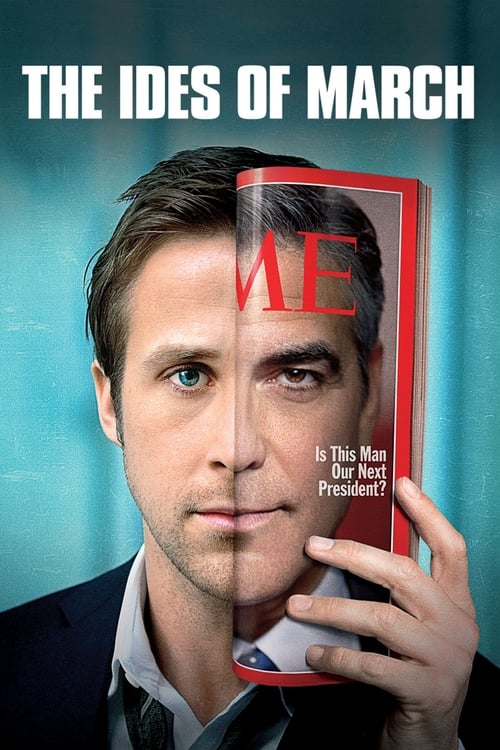
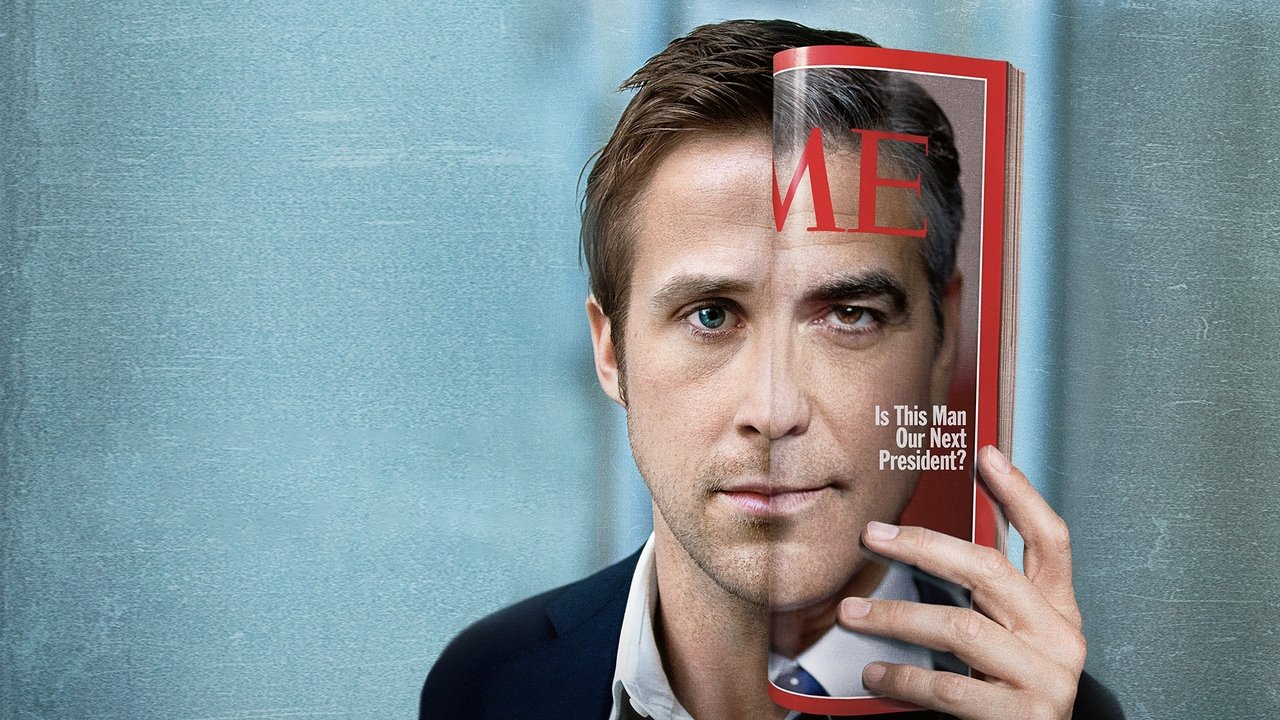
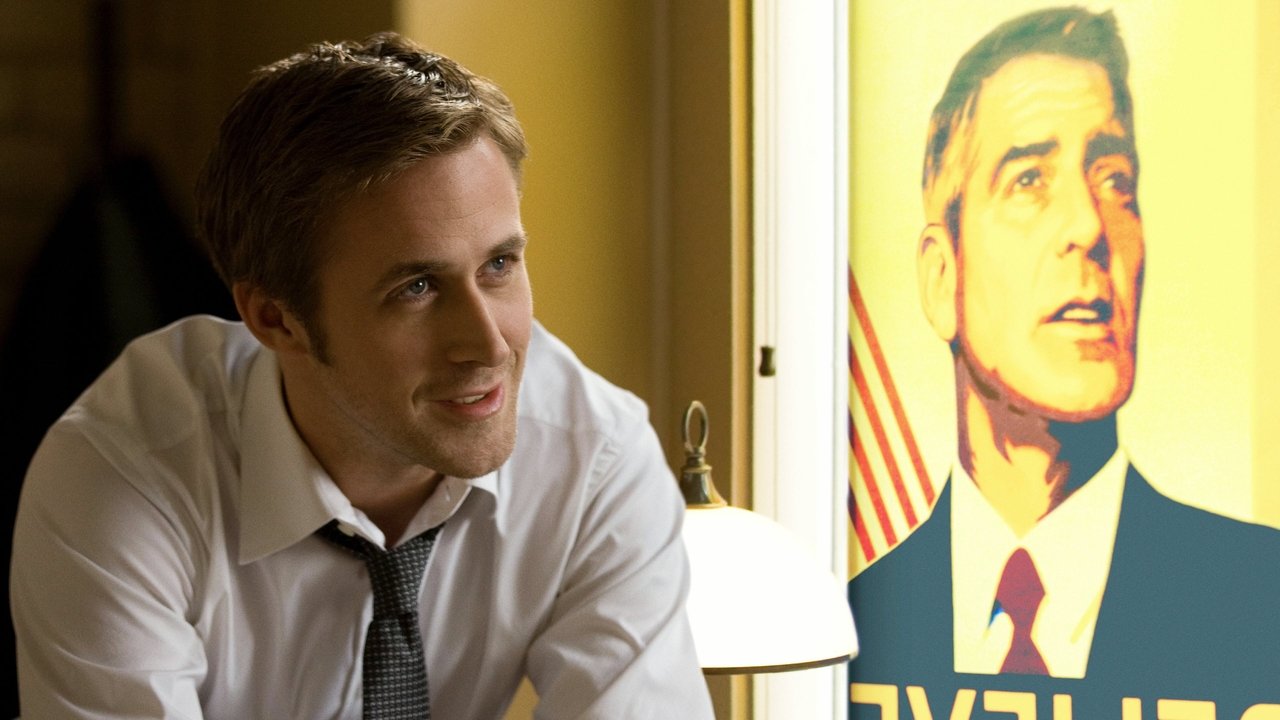
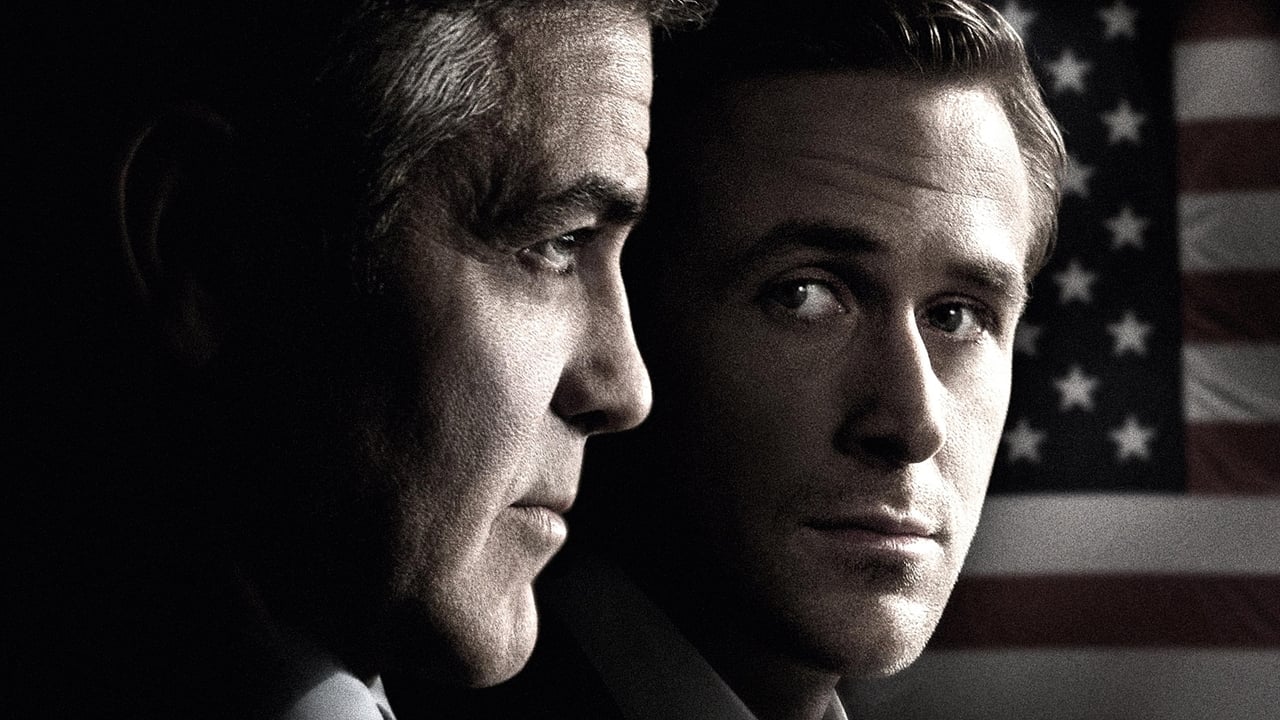
There was a specific window in 2011 when it felt like Ryan Gosling was being genetically engineered to take over the planet. Within the span of a few months, he gave us the neon-soaked stoicism of Drive, the "photoshopped" abs of Crazy, Stupid, Love, and then, for the thinking man’s weekend, the cynical, sharp-suited descent of The Ides of March. Seeing him on the poster—his face bisected by a Time magazine cover featuring George Clooney—felt like a literal passing of the torch. It was the "Old Hollywood" charm of Clooney meeting the "New Hollywood" intensity of Gosling in a room full of shadows and very expensive scotch.
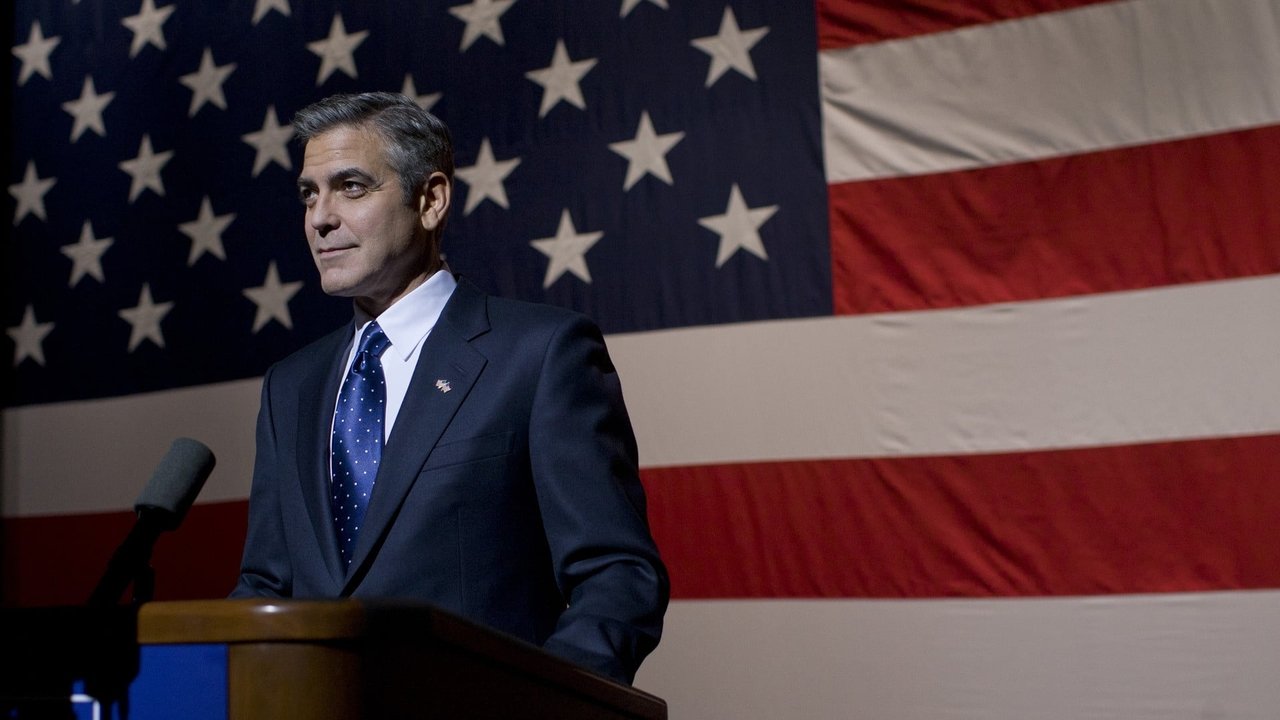
Looking back, The Ides of March occupies a fascinating space in that 1990-2014 era of "pre-algorithm" prestige dramas. It was a mid-budget, adult-oriented thriller that didn't need a post-credits scene to justify its existence. Instead, it relied on the kind of verbal pyrotechnics we used to get from Sorkin, but with a much bleaker, more bruised heart. I remember watching this on a Tuesday night while trying to assemble a particularly stubborn IKEA bookshelf; I ended up sitting on the floor for two hours with a hex key in my hand, completely forgetting the furniture because the dialogue was simply too sharp to look away from.
The Heavyweight Championship of Character Actors
While Gosling is the engine and Clooney is the polished hood ornament, the real soul of this film lives in the dirt-under-the-fingernails performances of Philip Seymour Hoffman and Paul Giamatti. If you want to see a masterclass in how to play "tired men in rumpled shirts," this is it. Hoffman, as the veteran campaign manager Paul Zara, radiates a specific kind of world-weary loyalty that feels increasingly rare. His speech about the one thing he values above all else—loyalty—isn't just a plot point; it’s a eulogy for a version of politics that probably never existed.
On the other side of the aisle, Paul Giamatti is a godsend as the opposing campaign manager. He plays Tom Duffy with a predatory glee, like a man who has replaced his soul with a highly efficient spreadsheet. There is a scene between Hoffman and Giamatti in a dimly lit restaurant that is essentially the acting equivalent of a heavyweight title fight. No one throws a punch, but you can feel the bruises forming. It’s a reminder of why these two were the pillars of the indie-to-mainstream transition during the 2000s; they didn't need CGI to create a sense of scale—they just needed a well-written insult.
A Noir Disguised as a Campaign Trail
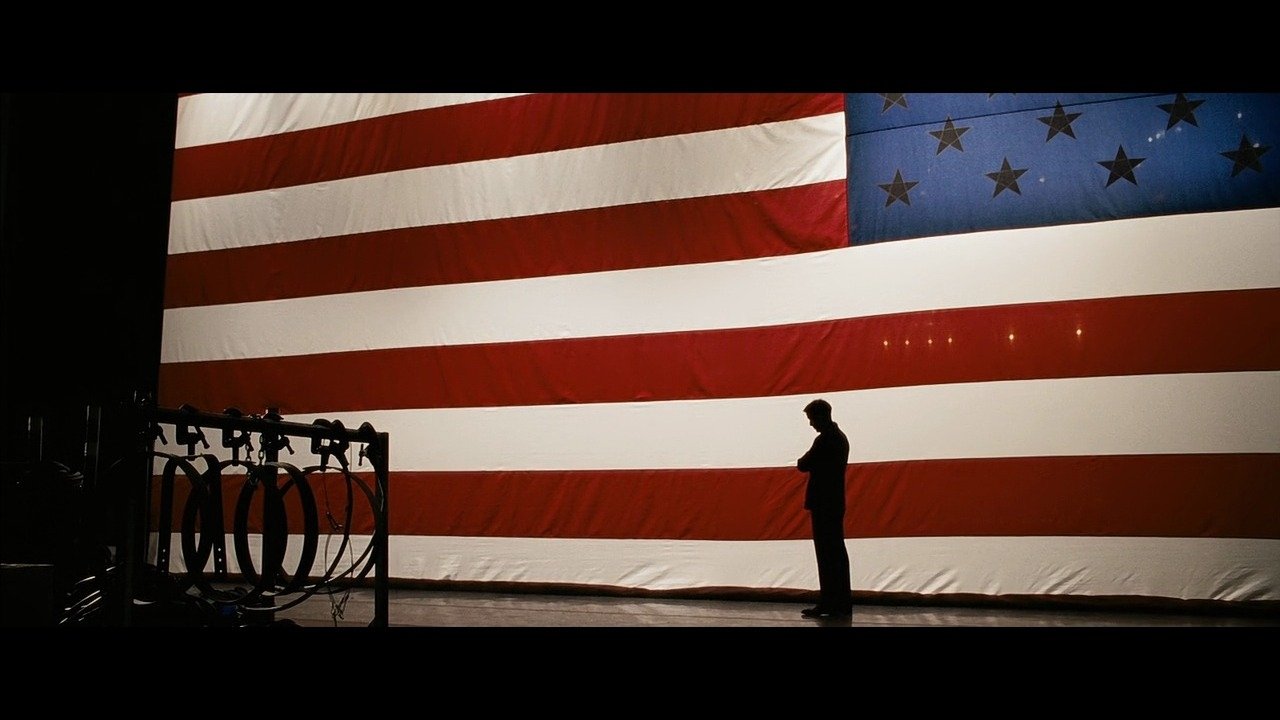
Director George Clooney and cinematographer Phedon Papamichael (who also lensed Walk the Line) clearly weren't interested in making a bright, C-SPAN-style documentary. They shot this like a 1940s noir. The offices are filled with deep shadows, the hallways of the Cincinnati hotels look like labyrinths, and the characters are often silhouetted against giant American flags that look more like bars on a cage than symbols of freedom. The movie is basically a horror film for people who still believe in the democratic process.
The script, adapted from Beau Willimon’s play Farragut North, crackles with the kind of cynical energy Willimon would later bring to the early seasons of House of Cards. But where that show eventually leaned into cartoonish villainy, The Ides of March keeps things uncomfortably grounded. The "scandal" at the heart of the film involves Evan Rachel Wood, who plays a campaign intern with a poise that suggests she’s seen too much too soon. Her chemistry with Gosling is intentionally awkward; he thinks he’s the smartest guy in the room, and she’s the only one who realizes how small the room actually is.
The Cult of the Cynical Rewatch
While the film was a modest success in 2011, it has developed a dedicated "cult" following among political junkies and film students who view it as the ultimate "cynicism starter pack." It’s a movie that people tend to "discover" every four years during an election cycle, finding that its themes of moral compromise have only aged like a fine, bitter wine. The "discovery story" for most fans usually involves stumbling upon it on a streaming service and realizing—with a mix of shock and delight—that Marisa Tomei is also in this, playing a shark-like reporter with a terrifyingly accurate grasp of how the media sausage is made.
The trivia surrounding the production adds to its mystique. For instance, Leonardo DiCaprio was originally attached to star, but his decision to stay on as a producer (via Appian Way) allowed Gosling to step in and give us that specific, "dead-eyed-at-the-end" performance that became his trademark. Also, Clooney reportedly delayed the film’s production during the 2008 election because he felt the country was "too optimistic" at the time for such a dark story. He waited until we were all a little more disillusioned to drop this bombshell, which is a beautifully cynical directorial choice in its own right.
The Ides of March is a lean, mean, 101-minute reminder that sometimes the most dangerous things in the world are just two people talking in a parking lot. It captures that specific 2010s anxiety where we realized our heroes weren't just flawed—they were strategically designed. It’s a film that earns its cynicism without being nihilistic for the sake of it. If you haven't seen it since it left theaters, or if you’ve only ever seen the memes of Gosling looking cool in a suit, it’s time to give it a proper look. Just don't expect to feel particularly good about the state of the world when the credits roll.
Keep Exploring...
-
The Monuments Men
2014
-
Good Night, and Good Luck.
2005
-
Confessions of a Dangerous Mind
2002
-
Drive
2011
-
The Place Beyond the Pines
2013
-

The Wrestler
2008
-
The Illusionist
2006
-
The Lincoln Lawyer
2011
-
The Master
2012
-
Lars and the Real Girl
2007
-

Law Abiding Citizen
2009
-
Contagion
2011
-
Crazy, Stupid, Love.
2011
-
Moneyball
2011
-
Horns
2013
-
Only Lovers Left Alive
2013
-
Letters from Iwo Jima
2006
-
Lucky Number Slevin
2006
-

Marie Antoinette
2006
-
Stranger Than Fiction
2006