The Iron Lady
"The cost of being the only woman in the room."
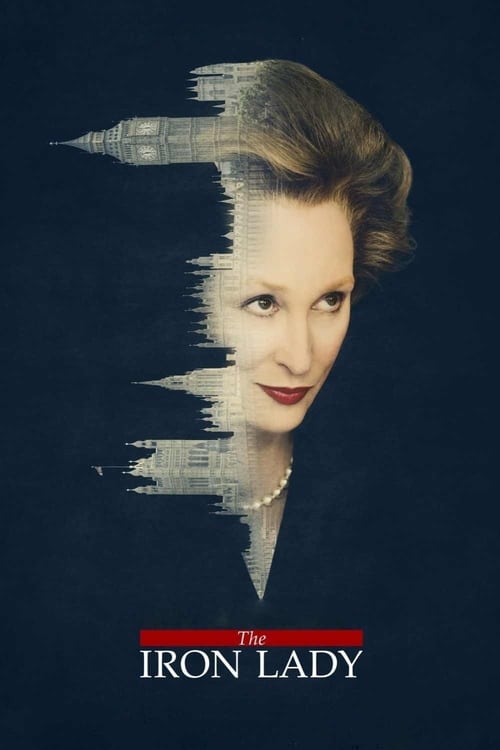
The film opens with a tiny, frail woman shuffling into a convenience store to buy a pint of milk. She grumbles about the price, blends into the crowd, and heads home to her flat. It is a jarring, quiet start for a movie about one of the most divisive and loud figures in 20th-century history. I watched this on a DVD I found in a bargain bin, and the disc had a smudge on it that looked suspiciously like a tiny map of the United Kingdom, which felt oddly appropriate given the subject matter.
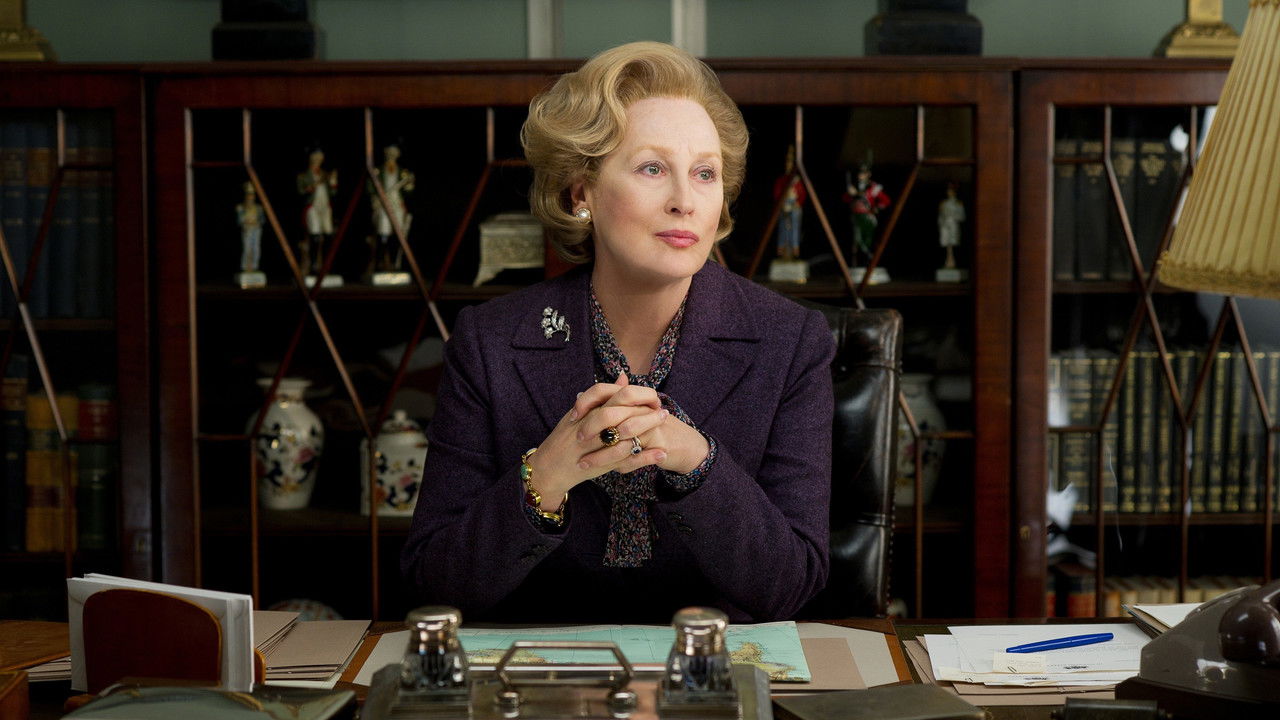
The Iron Lady isn't a sweeping political epic in the vein of Lincoln. Instead, it is a claustrophobic, psychological drama that uses the twilight of Margaret Thatcher’s life as a lens to view her rise to power. It’s a bold choice, and one that still sparks heated debates at dinner parties today. By framing the narrative through Thatcher’s struggle with dementia—holding conversations with the ghost of her late husband—the film chooses to humanize a woman who many of her contemporaries viewed as a statuesque, unyielding force of nature.
The Streep Masterclass
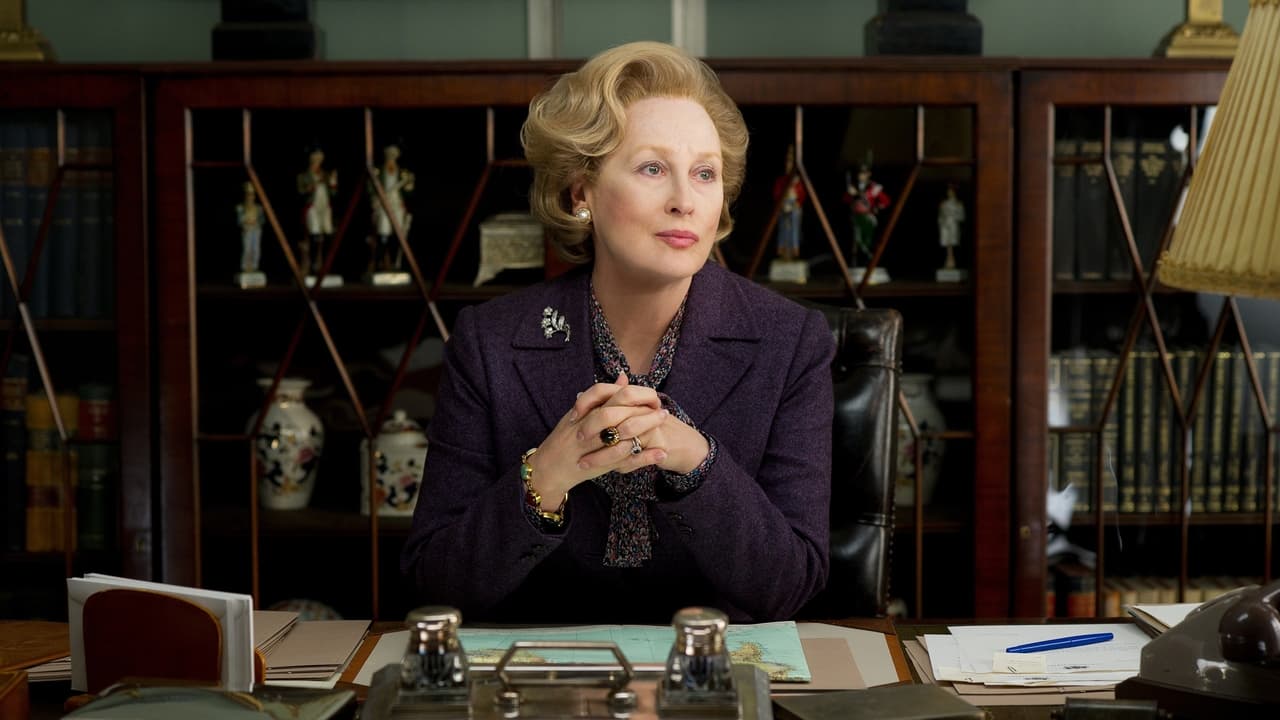
Let’s get the obvious out of the way: Meryl Streep is a supernatural being. I am convinced she could play a head of lettuce and find a way to make it look like it’s contemplating the existential dread of the salad bowl. Here, she doesn't just "do" Thatcher; she inhabits her. She captures that specific, labored breath between sentences and the way Thatcher weaponized her handbag like a mace. It’s a performance of incredible technical precision, but there’s a soul behind the prosthetic makeup.
The chemistry between Streep and Jim Broadbent, who plays Denis Thatcher, is the real heartbeat of the film. Broadbent plays Denis as a puckish, loyal shadow, providing the levity required to balance out the heavy political maneuvering. Their relationship feels lived-in and genuinely tender. We also get a pre-megastardom Olivia Colman as Carol Thatcher, playing the dutiful but overlooked daughter with a subtle, aching frustration. To me, the film works best as a domestic tragedy rather than a political manifesto. The screenplay treats the Falklands War like a minor plot inconvenience, which might frustrate history buffs, but the focus remains squarely on the woman, not the policy.
A Financial Fortress
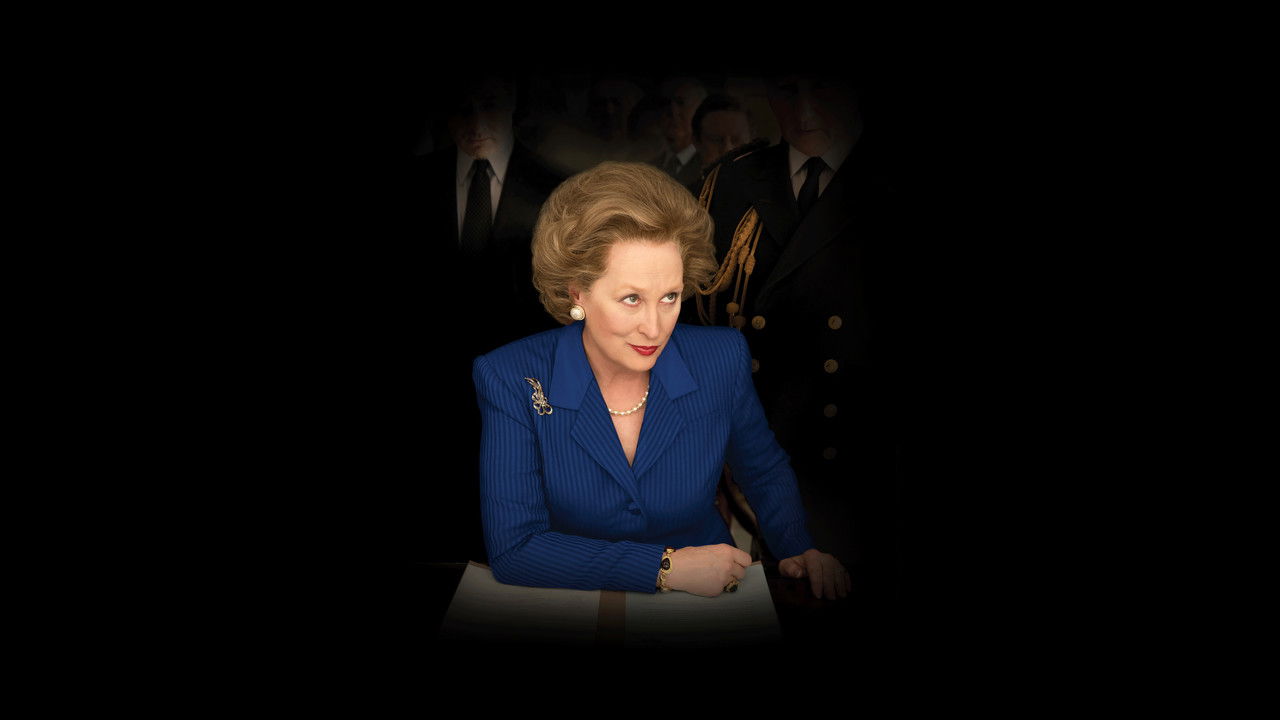
While The Iron Lady might feel like a quiet character study, its performance at the box office was nothing short of a blockbuster achievement for an indie-leaning drama. Produced on a relatively modest budget of $13 million, it went on to rake in over $115 million worldwide. That is a staggering return on investment, proving that the "Streep Effect" was a very real economic engine in the early 2010s. People didn't just go to see a movie about British politics; they went to see a titan of acting take on a titan of history.
The film’s success wasn't just financial; it was a cultural magnet for the awards circuit. Meryl Streep famously won her third Academy Award for this role, ending a nearly 30-year "losing streak." But the real unsung hero of the production was Mark Coulier and the makeup team. They had to age Streep through several decades, using custom-sculpted silicone prosthetics that were so thin they allowed her natural expressions to shine through. Looking back, this was a peak moment for practical makeup effects before the industry started leaning too heavily on digital "de-aging" software. There’s a tactile reality to the way Thatcher looks in her older years that CGI still struggles to replicate.
Perspective and Paradox
What’s fascinating about reassessing The Iron Lady today is seeing how it fits into that specific 1990-2014 era of prestige biopics. It was made by Phyllida Lloyd, who previously directed Streep in Mamma Mia!, and you can see that DNA in the film’s energy. The editing sometimes feels like a caffeine-addled fever dream, with quick cuts and archival footage meant to simulate a fading memory. Some critics at the time felt this was disrespectful to the real Thatcher, who was still alive when the film was released, but I think it serves a specific artistic purpose: it shows the fragility of legacy.
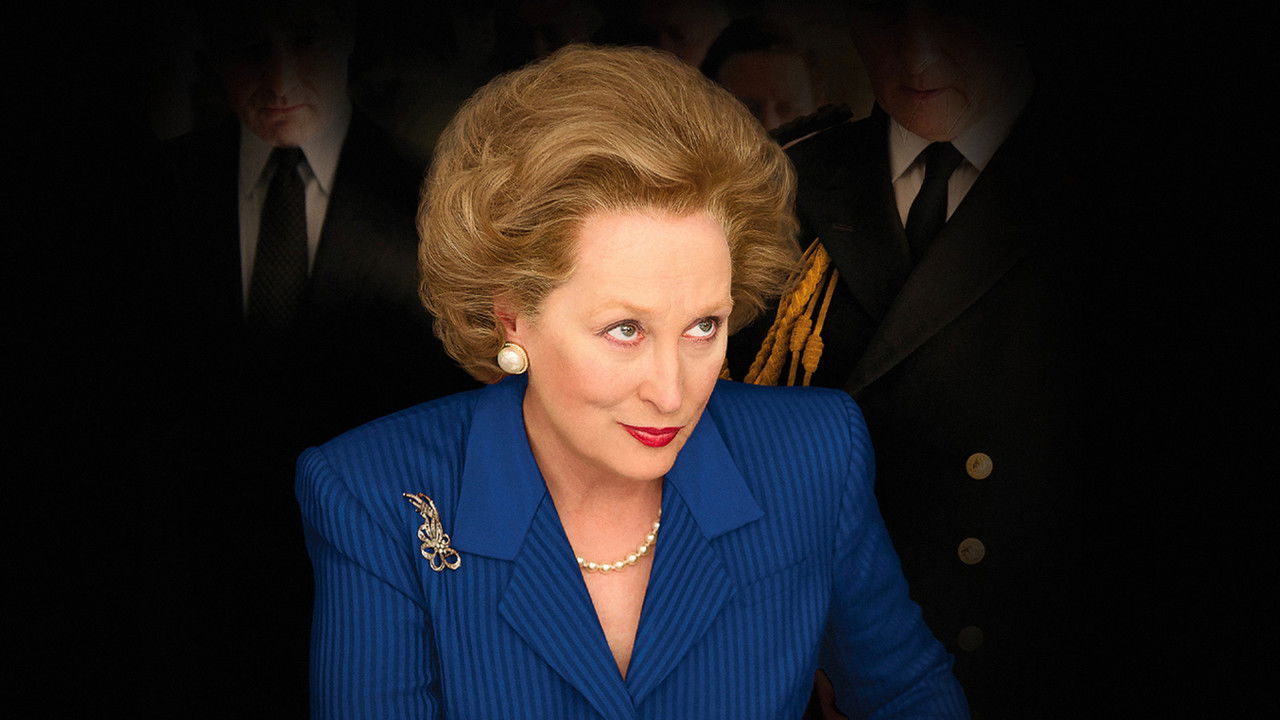
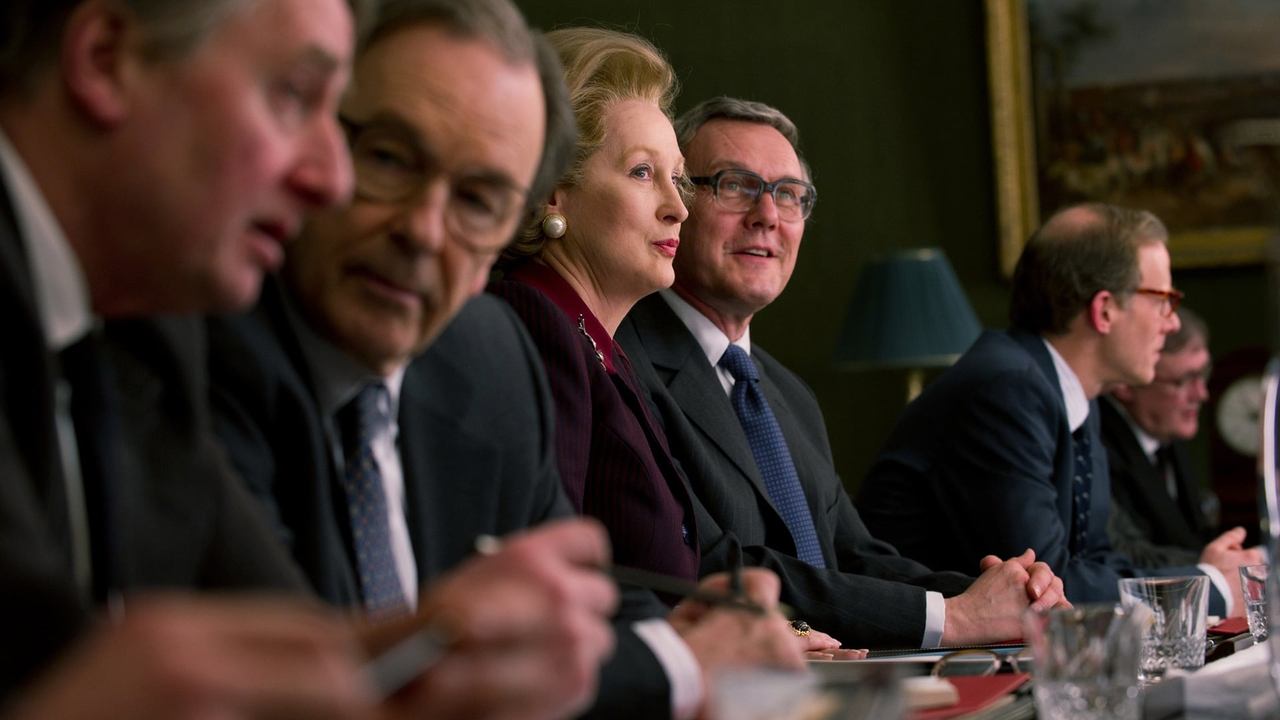
The film refuses to take a hard stance on whether Thatcher was a hero or a villain. Instead, it asks: what did it cost her? It explores the isolation of being the "only woman" in a room full of men in grey suits who wanted her to fail. It shows her being coached to lower the pitch of her voice to sound more "authoritative," a poignant reminder of the gendered hurdles of the time. Whether you loved her or loathed her—and there is very little middle ground—you can't help but feel the weight of the crown she chose to wear.
Ultimately, The Iron Lady is a lopsided film saved by a towering central performance. If you remove Meryl Streep, the structure starts to feel a bit thin and repetitive. However, with her at the helm, it becomes a fascinating study of power, memory, and the inevitable passage of time. It’s a movie that reminds me that no matter how much we think we’ve conquered the world, we all eventually have to go home and deal with the ghost of who we used to be. It’s a film that earns its seat at the table, even if it leaves some of the most interesting history in the hallway.
Keep Exploring...
-
The Queen
2006
-

Mamma Mia!
2008
-
Saving Mr. Banks
2013
-
Red Cliff
2008
-
Les Misérables
2012
-
Lincoln
2012
-
The Young Victoria
2009
-
The Duchess
2008
-
Anna Karenina
2012
-
The Woman in Black
2012
-
The King's Speech
2010
-
Invincible
2006
-

Marie Antoinette
2006
-

United 93
2006
-
In the Valley of Elah
2007
-
Defiance
2008
-
Frost/Nixon
2008
-

Milk
2008
-

The Other Boleyn Girl
2008
-
The Way Back
2010