The Mechanic
"Precision is the only thing that matters."
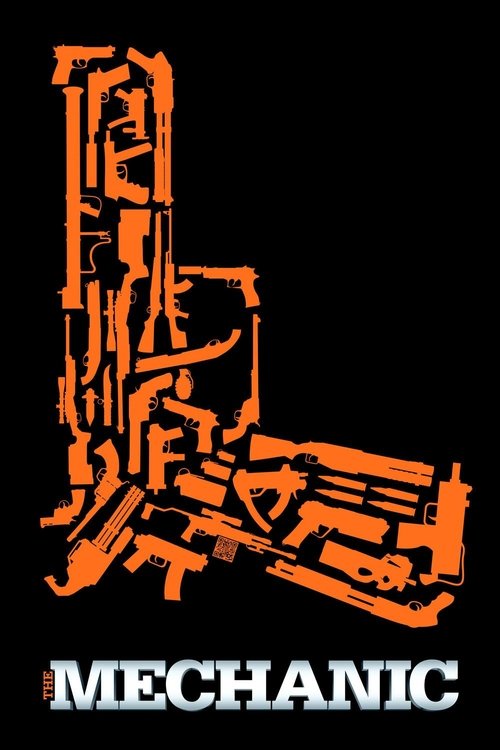
I first watched Jason Statham in The Mechanic while eating a slightly stale ham sandwich in a cramped studio apartment, and honestly, the film’s surgical coldness made my soggy lunch feel like a five-star meal. There is something immensely satisfying about watching a professional do a job well, even if that job involves making a target’s heart explode via a carefully timed drug cocktail.
By 2011, the "Statham Movie" had become its own subgenre: a reliable, high-octane product that promised gravelly narration, questionable accents, and at least one scene where a man is punched through a piece of furniture. But The Mechanic—a remake of the 1972 Charles Bronson cult classic—tried for something a bit more atmospheric. It arrived during that interesting window in modern cinema where action films were pivoting away from the shaky-cam chaos of the Bourne era and back toward the "professional killer" trope that defined the 70s.
The Gospel of the Clean Kill
The film follows Arthur Bishop (Jason Statham), an elite assassin who specializes in making murders look like accidents. Bishop is a guy who listens to Schubert on high-end vinyl and restores vintage Jaguars in his spare time. He’s the ultimate Y2K-era male fantasy: wealthy, detached, and capable of killing you with a paperclip.
The plot kicks into gear when Bishop is tasked with killing his own mentor, Harry McKenna, played with a weary, grandfatherly charm by Donald Sutherland. It’s a gut-punch of a setup, made worse when Bishop takes Harry’s hot-headed, self-destructive son, Steve (Ben Foster), under his wing.
Watching Jason Statham try to mentor Ben Foster is like watching a stoic lighthouse attempt to train a hurricane. Statham is all controlled breathing and economy of motion; Foster is a raw nerve, a guy who looks like he hasn’t slept since 2004. Foster’s performance is the secret sauce here; he brings a manic, desperate energy that makes Statham’s "sentient slab of granite" routine actually work. Without Foster’s volatility, the movie might have felt too clinical.
Practical Stunts and Digital Slickness
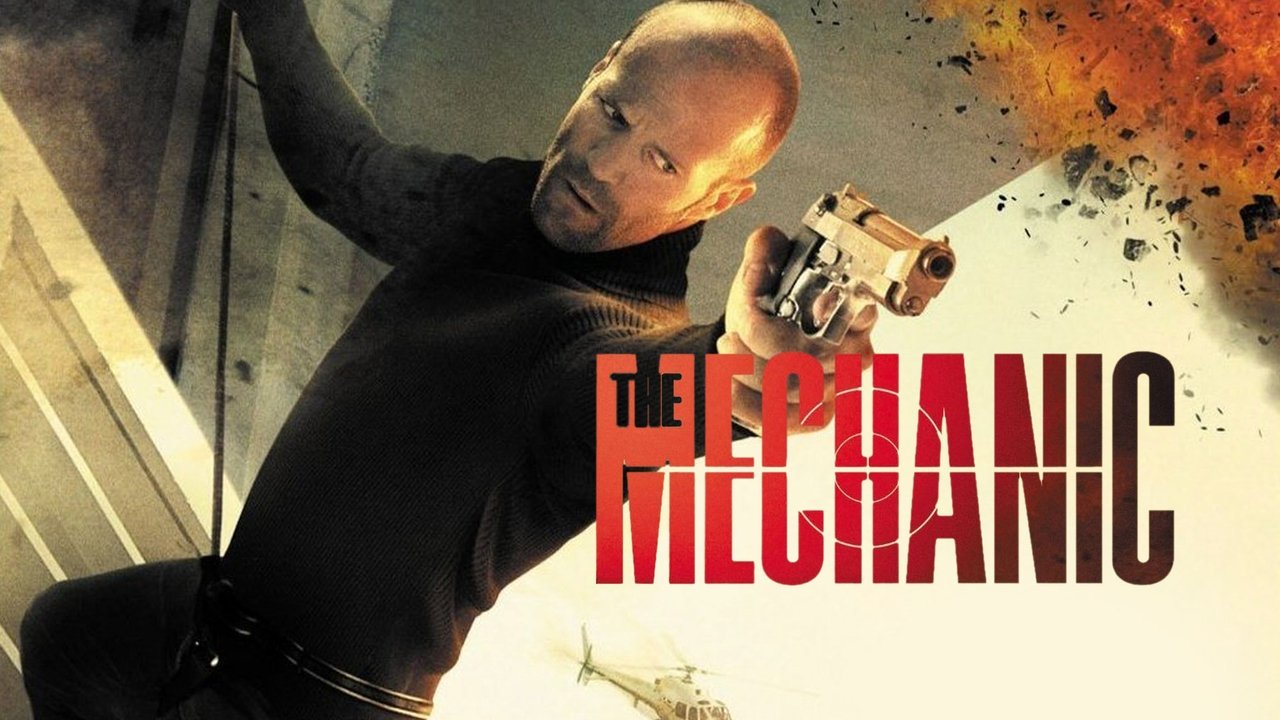
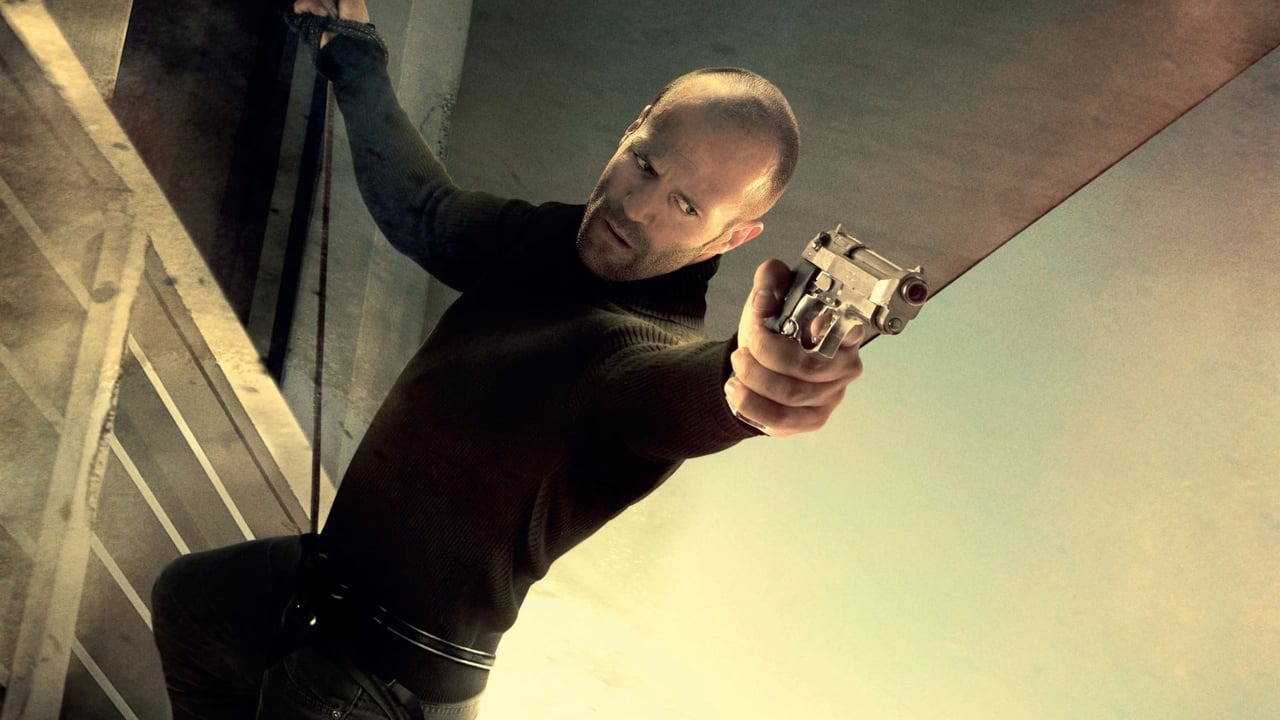
Director Simon West (the man behind the gloriously absurd Con Air) brings a steady hand to the action choreography. In an era where CGI was starting to make every car chase look like a video game, The Mechanic keeps its boots on the ground. There’s a standout sequence where Bishop and Steve escape a high-rise by rappelling down the side of the building. Apparently, Statham actually performed that 30-story drop himself, and you can feel that physical weight.
The "kills" in this movie are the real stars, though. The opening sequence—a wordless drowning in a high-security pool—is a masterclass in tension. It pays homage to the 1972 original’s famous silent opening but updates it for a modern audience that demands faster pacing. The film manages to make Bishop’s obsession with "the fix" feel like a legitimate craft, rather than just a series of explosions.
Interestingly, the film's budget of $40 million was relatively modest for the time, which forced the production to rely on clever staging rather than endless digital set pieces. The sound design is particularly crisp; every bone snap and suppressed gunshot has a heavy, metallic "thud" that reinforces the "mechanic" metaphor.
From Box Office Blip to Cult Favorite
While it didn’t exactly set the world on fire at the box office in 2011, The Mechanic found its true calling on DVD and streaming services. It’s the quintessential "Friday night discovery" movie. Fans have obsessed over the film’s "Code of the Mechanic," and the ending—which I won’t spoil, but involves a very specific use of a classic car—remains one of the most satisfying "gotcha" moments in modern action.
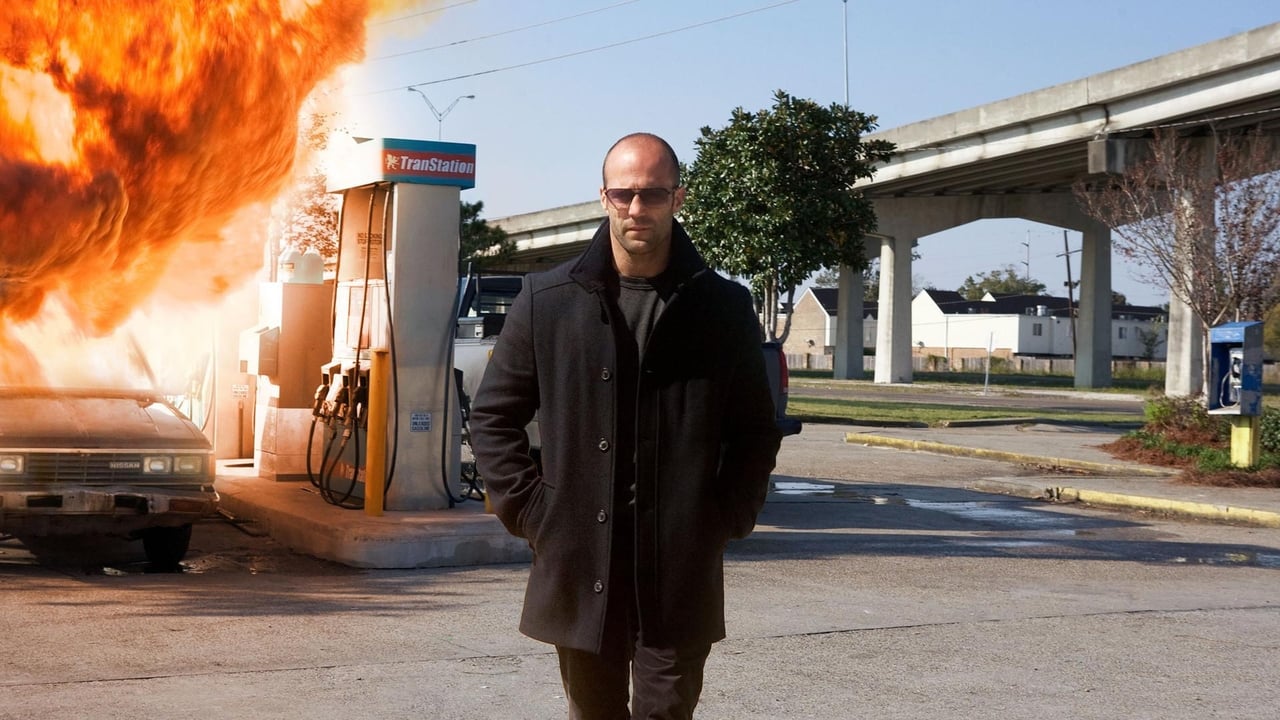
Turns out, the chemistry between the "Old Guard" (Statham) and the "New Chaos" (Foster) resonated more than the critics initially expected. There’s a certain nihilism to the film that feels very post-9/11; it’s a world where institutions (represented by Tony Goldwyn’s corporate villain) are corrupt, and the only thing you can trust is a well-maintained handgun and a strict personal code.
Behind the scenes, the film went through several iterations before landing on this darker tone. Earlier scripts apparently leaned more into the buddy-cop comedy angle, but Statham and West pushed for something grittier. I'm glad they did. A version of this movie where Statham cracks wise while Foster does slapstick would have been an absolute dumpster fire. Instead, we got a lean, mean thriller that knows exactly what it is.
The Mechanic is a sharp, unsentimental piece of genre filmmaking that rewards your attention without demanding your soul. It’s the kind of movie that reminds you why Jason Statham became a household name: he’s the only guy who can look cool while explaining the chemical properties of a sedative. If you’re looking for a film that values precision over bloat, this is your fix. Just maybe skip the ham sandwich while watching.

Keep Exploring...
-

Mechanic: Resurrection
2016
-
Con Air
1997
-
Crank
2006
-
Crank: High Voltage
2009
-
Safe
2012
-

Wild Card
2015
-

16 Blocks
2006
-
The Expendables 2
2012
-
Contraband
2012
-
The Transporter
2002
-
Transporter 2
2005
-
Blitz
2011
-
Faster
2010
-
Colombiana
2011
-
Man on a Ledge
2012
-

Premium Rush
2012
-
The Last Stand
2013
-
Transporter 3
2008
-
Death Race
2008
-

Homefront
2013