The Muppets
"Waking up the felt-covered magic."

I remember sitting in a half-empty theater in 2011, nursing a lukewarm Diet Coke, and feeling a legitimate sense of dread. The Muppets hadn't been "cool" for a long time. They had spent the previous decade relegated to mediocre TV movies and direct-to-video specials that felt like watching your favorite childhood uncle try to explain a meme he didn't understand. But then Jason Segel walked onto the screen with a literal puppet for a brother, and within ten minutes of "Life’s a Happy Song," I knew the felt was back in good hands.
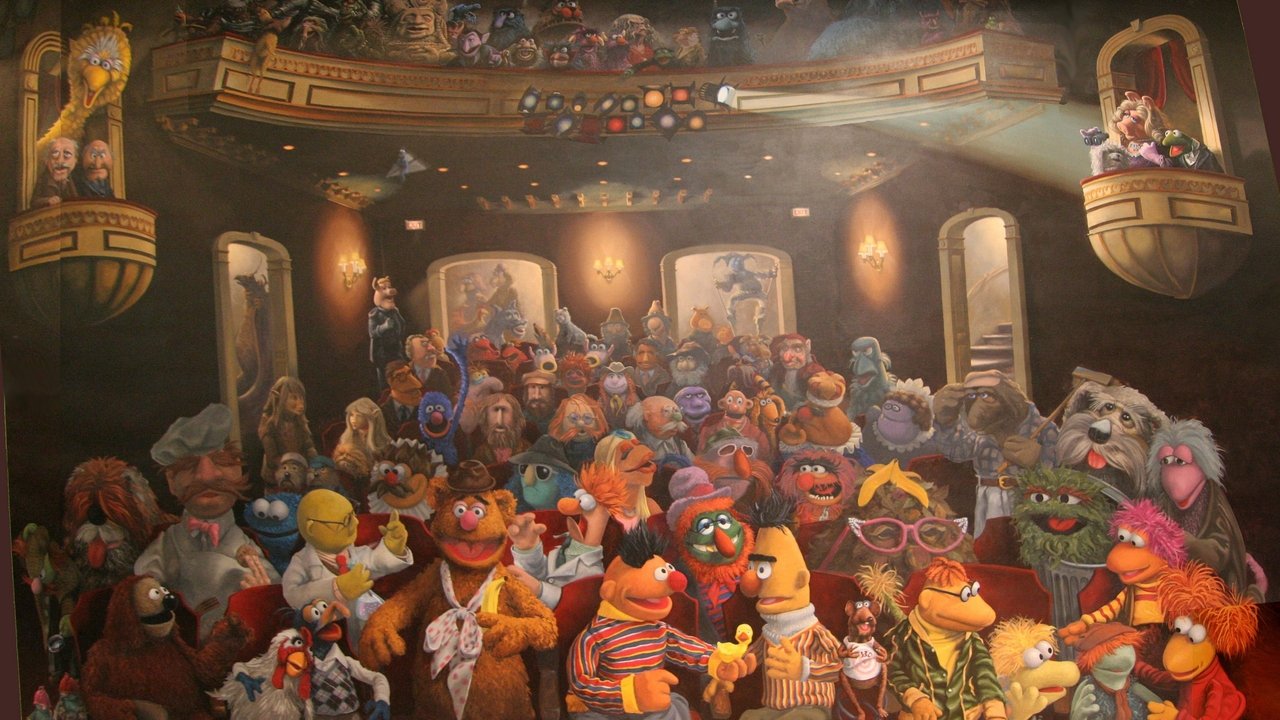
I actually rewatched this recently on a Tuesday night while my laundry was tumbling in the dryer, and the rhythmic thumping of my jeans against the metal drum provided a weirdly perfect percussion for the opening musical number. It reminded me that The Muppets isn't a movie that demands a pristine cinema experience; it’s a movie that wants to live in your living room, messy and loud.
The Earnestness Factor
The 2011 revival works because it embraces a concept that felt almost extinct in the early 2010s: sincerity. This was the era of "snark" and "irony," where every blockbuster felt the need to wink at the camera and apologize for being a movie. Jason Segel and co-writer Nicholas Stoller went the opposite direction. They leaned so hard into the "gee-whiz" earnestness of the 1970s that it circled back around to being revolutionary.
The plot is a classic "save the theater" trope, but it’s anchored by Walter (voiced by Peter Linz), a new Muppet who feels like an avatar for every fan who ever worried the world had moved on from Kermit the Frog. The chemistry between Jason Segel (Gary) and Amy Adams (Mary) is intentionally sugary—they play their roles with a wide-eyed, 1950s sitcom energy that allows the Muppets themselves to be the ones with the cynical edge. Amy Adams is the only human alive capable of out-sparkling a felt pig in a sequin dress, and her commitment to the bit is what keeps the human subplots from dragging.
Practical Magic in a Digital World
Looking back from a decade-plus of CGI-heavy blockbusters, The Muppets feels like a tactile miracle. Director James Bobin made a conscious choice to keep things practical. When you see Miss Piggy chop an office desk in half, or the "Moopets" performing in a dingy casino, you can practically feel the texture of the fabric. In an era where even the backgrounds of romantic comedies were starting to look like green-screened fever dreams, the sheer physicality of this film is its secret weapon.
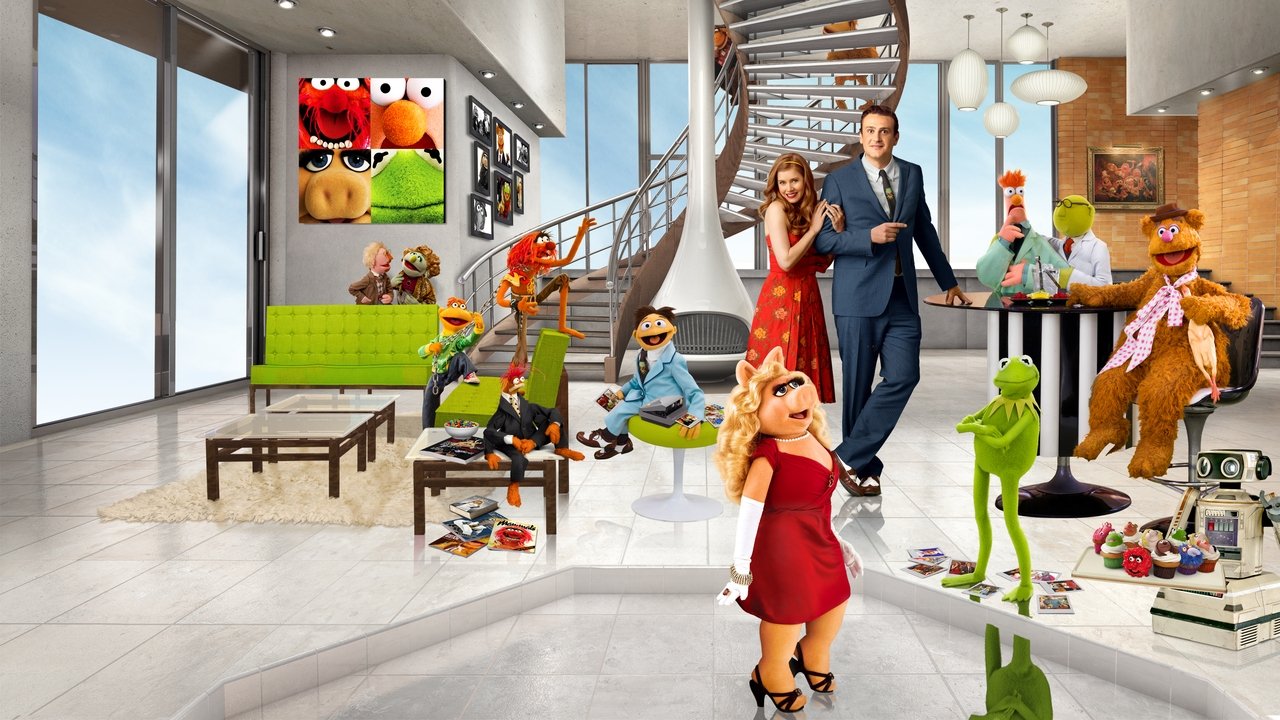
The humor functions on two tracks. You have the slapstick for the kids, but the "Modern Cinema" context allows for some brilliant meta-commentary. Chris Cooper, playing the oil tycoon villain Tex Richman, is a masterclass in committed absurdity. His "Maniacal Laugh" sequence and his sudden, gravelly rap performance are high-water marks for the franchise. The film acknowledges that the world has changed—the Muppets are literally "has-beens" at the start of the film—but it argues that the Muppets are at their best when they’re one bad joke away from a nervous breakdown.
The Sound of Success
We can't talk about this film without talking about the music. Bringing in Bret McKenzie (of Flight of the Conchords fame) was a stroke of genius. He managed to capture the DNA of the original Joe Raposo songs while adding a contemporary, witty edge. "Man or Muppet" isn't just a funny song; it’s a genuine existential crisis set to a power ballad, and it rightfully earned an Academy Award.
The production was a massive bet for Disney. With a $45 million budget—significant for a puppet movie—they launched a viral marketing campaign that parodied everything from The Girl with the Dragon Tattoo to The Hangover. It worked. The film raked in $165 million worldwide, proving that there was still a massive appetite for characters that don't need a 20-movie backstory to be lovable. It captured the cultural zeitgeist by being the exact opposite of the zeitgeist.
Stuff You Didn't Notice
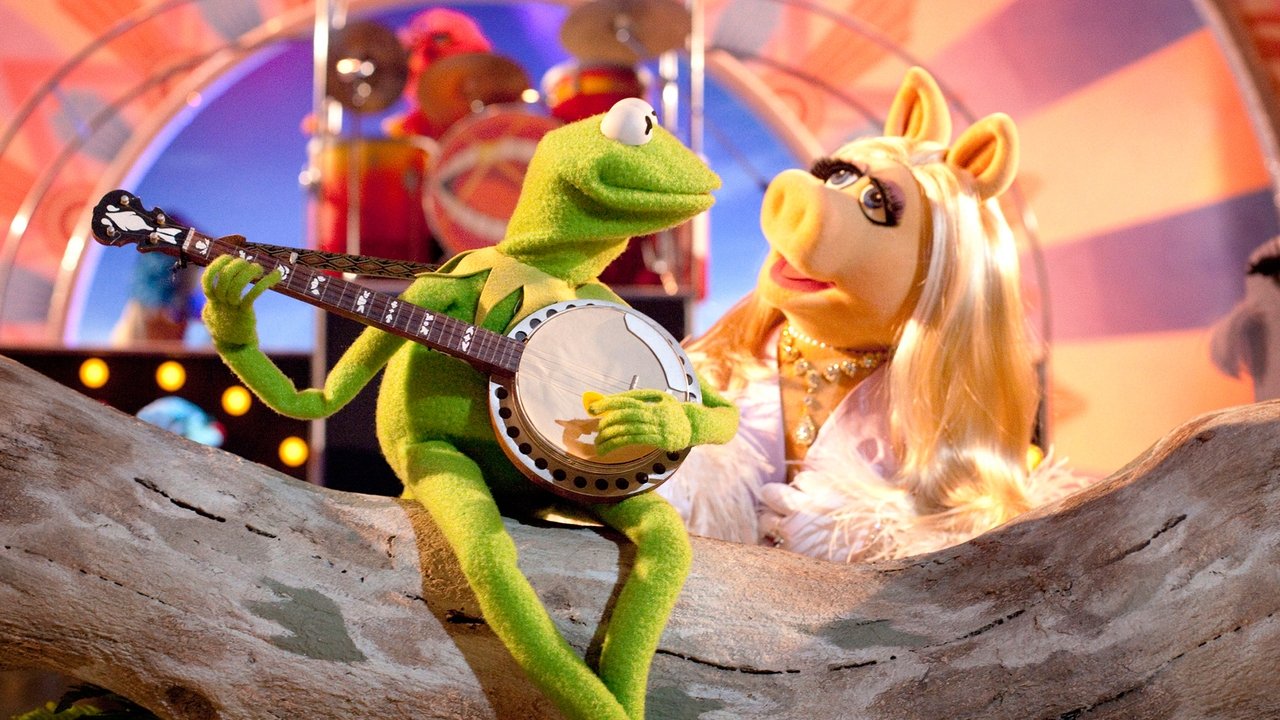
One of the best things about the Muppets is the "who's who" of cameos. While Rashida Jones holds down the fort as the cynical CDE Executive, keep an eye out for Jack Black, who is essentially kidnapped to be their celebrity guest. Apparently, the production had so many people wanting to be involved that they had to turn stars away. Jim Parsons shows up for a split-second gag that remains one of the best visual punchlines in modern comedy.
The film also serves as a beautiful passing of the torch. Steve Whitmire, who had been voicing Kermit since Jim Henson’s passing, delivers a performance that feels weathered and wise. The "Pictures in My Head" sequence is genuinely heartbreaking, reminding us that these characters aren't just toys—they’re vessels for very human anxieties about legacy and loneliness.
The Muppets is that rare reboot that understands exactly what made the original property work without being a slave to nostalgia. It’s colorful, it’s chaotic, and it has a "joke-per-minute" ratio that puts most modern sitcoms to shame. It’s a film that dares to be joyful in a world that often rewards the opposite, and that alone makes it worth the price of admission. If you don't find yourself humming "Life's a Happy Song" by the time the credits roll, you might actually be an oil tycoon yourself.

Keep Exploring...
-
Muppets Most Wanted
2014
-

The Muppet Christmas Carol
1992
-
Teen Beach Movie
2013
-

High School Musical 3: Senior Year
2008
-

Hannah Montana: The Movie
2009
-
Another Cinderella Story
2008
-
Get Him to the Greek
2010
-

Arthur Christmas
2011
-

Alexander and the Terrible, Horrible, No Good, Very Bad Day
2014
-

Camp Rock
2008
-
Cars
2006
-
Happy Feet
2006
-

Ice Age: The Meltdown
2006
-

Night at the Museum
2006
-
Over the Hedge
2006
-

Mr. Bean's Holiday
2007
-

The Simpsons Movie
2007
-
Horton Hears a Who!
2008
-
Kung Fu Panda
2008
-
Madagascar: Escape 2 Africa
2008