The Smurfs
"Tiny blue problems in the Big Apple."
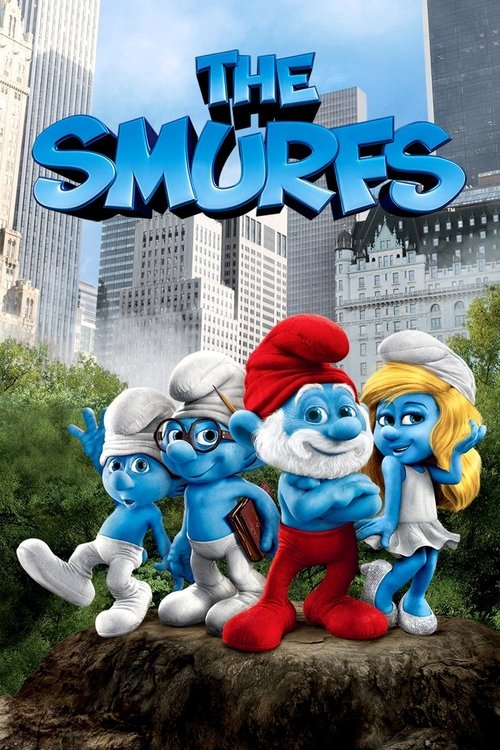
If you lived through the summer of 2011, you couldn’t escape the blue. It was on cereal boxes, bus stops, and in a particularly aggressive marketing campaign that insisted "Smurf happens." Looking back at The Smurfs now, it stands as a fascinating artifact of the "hybrid" era—that specific window in the 2000s and early 2010s when Hollywood took every 2D cartoon icon from our childhoods and dropped them into a live-action New York City via the magic of burgeoning CGI.
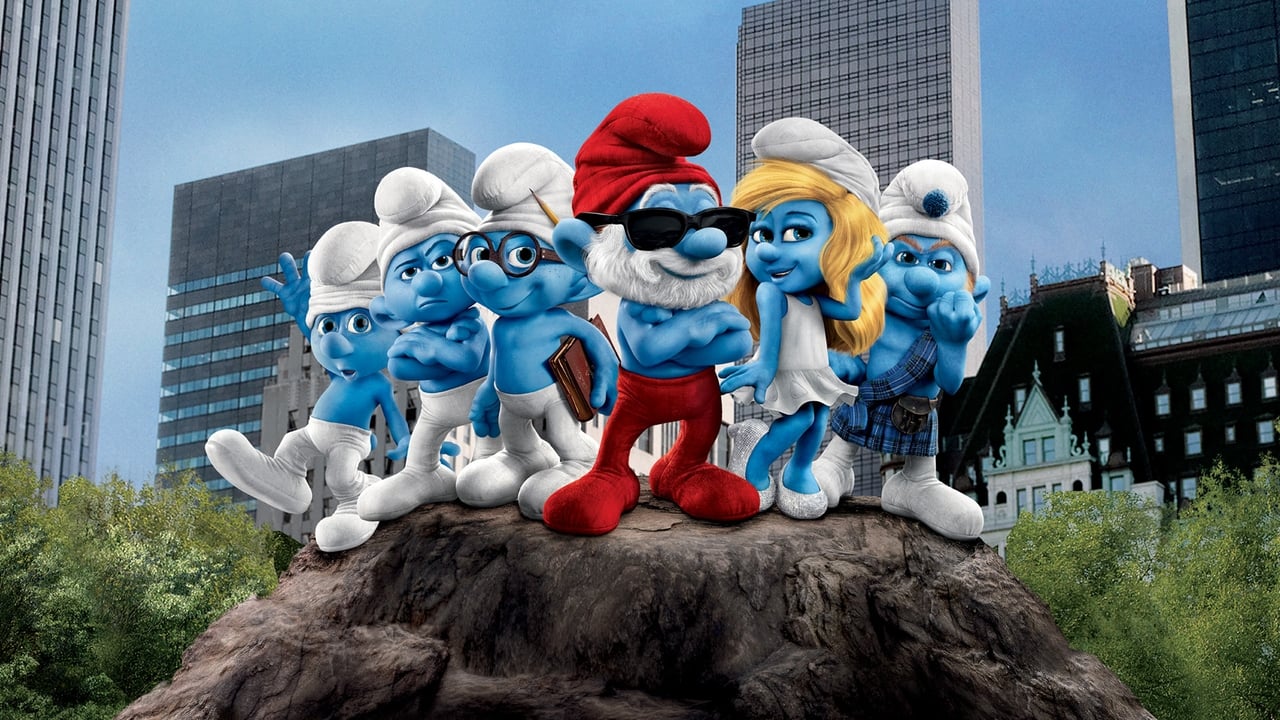
I caught this one again recently while nursing a slightly burnt tongue from a too-hot cinnamon latte, and I realized that the experience of watching the film is remarkably similar to that latte: it’s sugary, manufactured, and leaves you with a lingering sensation that you probably should have waited for it to cool down—or in this case, for the script to get one more pass.
The Gargamel Carry
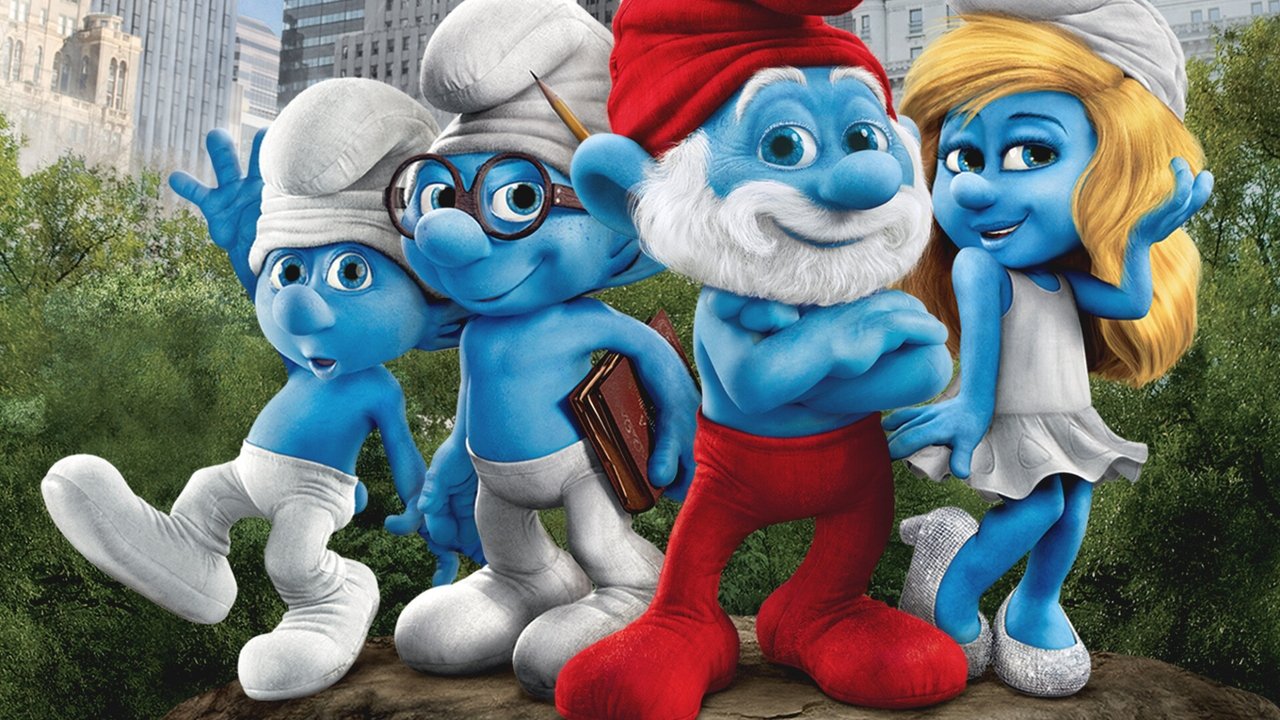
The absolute centerpiece of this film—and arguably the only reason it doesn't float away into total irrelevance—is Hank Azaria. While the Smurfs themselves are perfectly fine bundles of digital pixels, Azaria’s Gargamel is a masterclass in "understanding the assignment." He spends the entire movie looking like he raided a Renaissance Fair’s clearance bin while suffering a mid-life crisis, yet he commits with the intensity of a man chasing an Oscar.
Whether he’s talking to a CGI cat (Azrael, who honestly has some of the best comedic timing in the movie) or trying to navigate a portal in a Porta-Potty, Azaria leans into the pantomime. He brings a theatrical, spittle-flecked energy that feels ripped straight from the 1980s Saturday morning cartoons. Watching him interact with Neil Patrick Harris, who plays the "straight man" Patrick Winslow, is a study in contrasts. Harris is doing his best to be charming and grounded, but let’s be honest: the screenplay treats the word 'Smurf' like a linguistic Swiss Army knife that eventually starts to feel like a mild threat.
The CGI Revolution in a Handbag
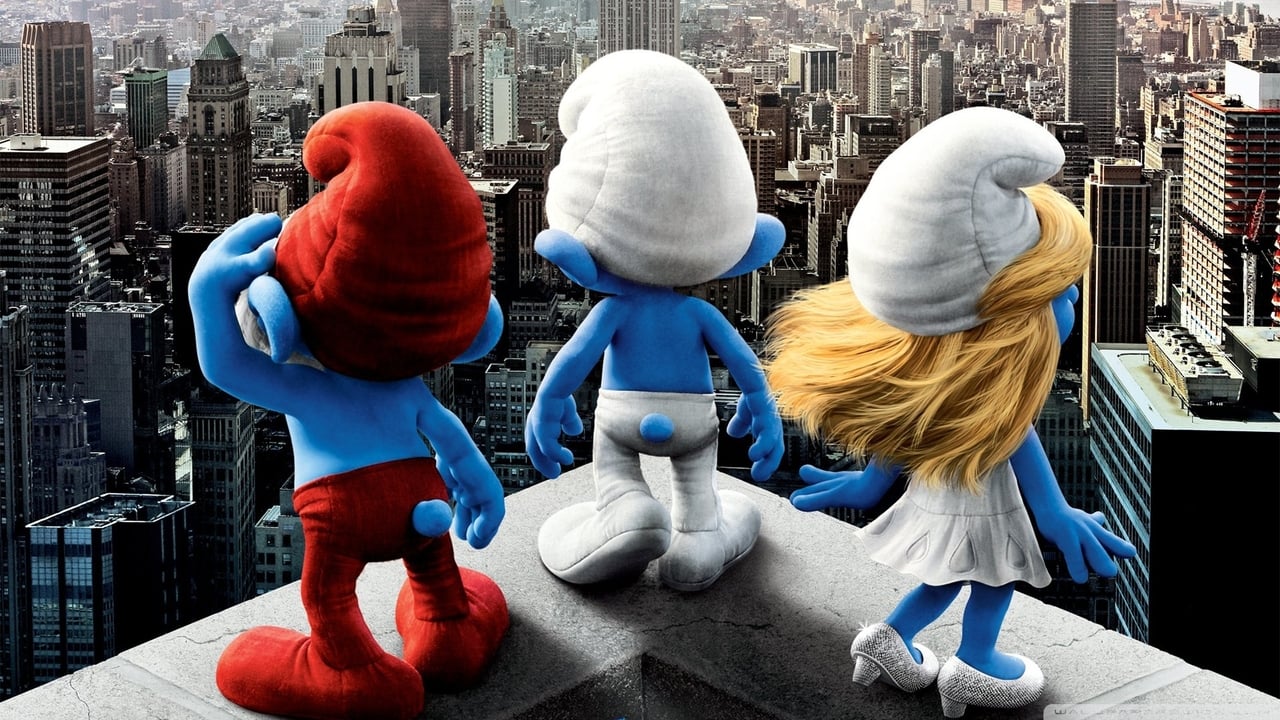
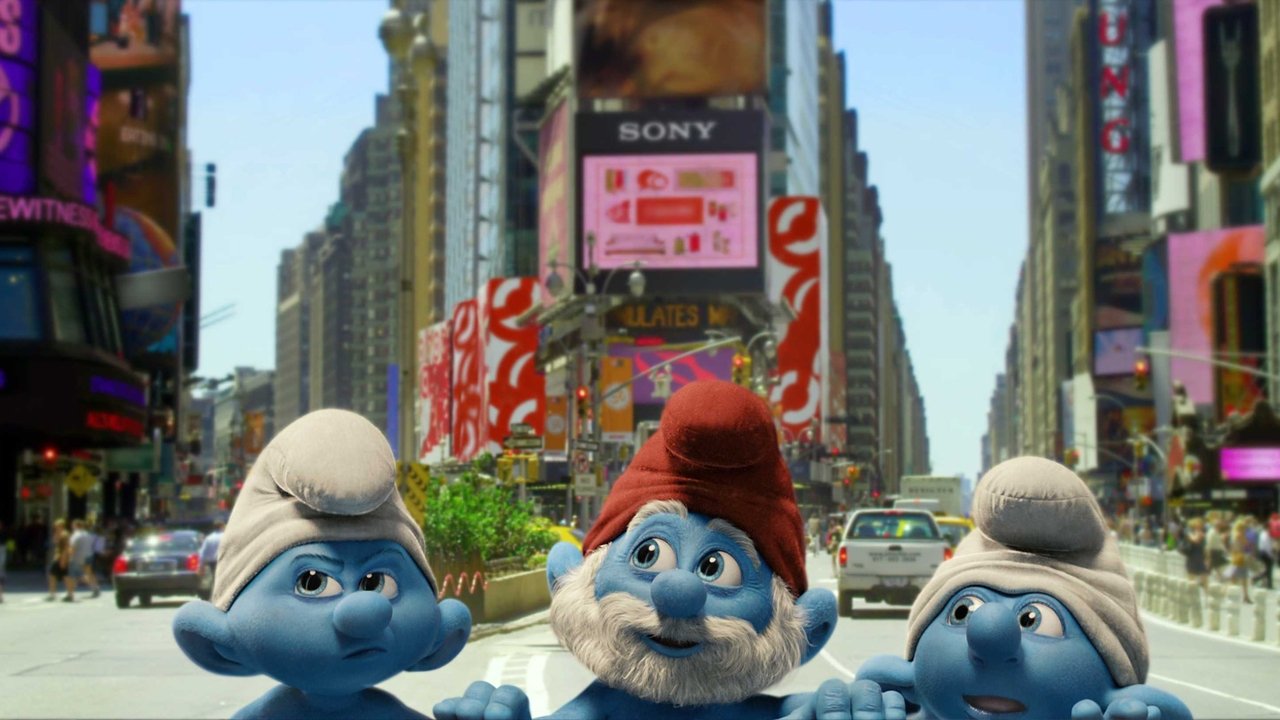
Technically, The Smurfs was quite an undertaking for Sony Pictures Animation. We were deep into the post-Avatar world where audiences expected digital characters to have weight and texture. To make the Smurfs feel "real" in the middle of Manhattan, the production used high-tech "spheres" to capture lighting data on the streets so the blue guys would match the actual New York sun.
Apparently, the team went through 268 iterations of Katy Perry’s Smurfette hair alone just to get the bounce right. It’s that kind of detail that makes the film's adventure elements work. When the Smurfs (including a very sweet Anton Yelchin as Clumsy and a grumpy-but-wise Jonathan Winters as Papa Smurf) are dodging cabs or hiding in an FAO Schwarz, the sense of scale is genuinely fun. It captures that classic adventure trope of the "micro-epic"—where a simple trip across a toy store feels like a trek through the Himalayas.
Despite the technical polish, the film is a product of its time in ways that feel a bit cynical now. The product placement is legendary; at times, it feels less like a movie and more like a high-budget commercial for Sony tablets and New York tourism. But in the context of the 2010s blockbuster landscape, this was the formula that worked. And boy, did it work. With a budget of $110 million, it raked in over $560 million worldwide. It was a cultural juggernaut that proved nostalgia was the most valuable currency in Hollywood.
Finding the Magic in the Concrete
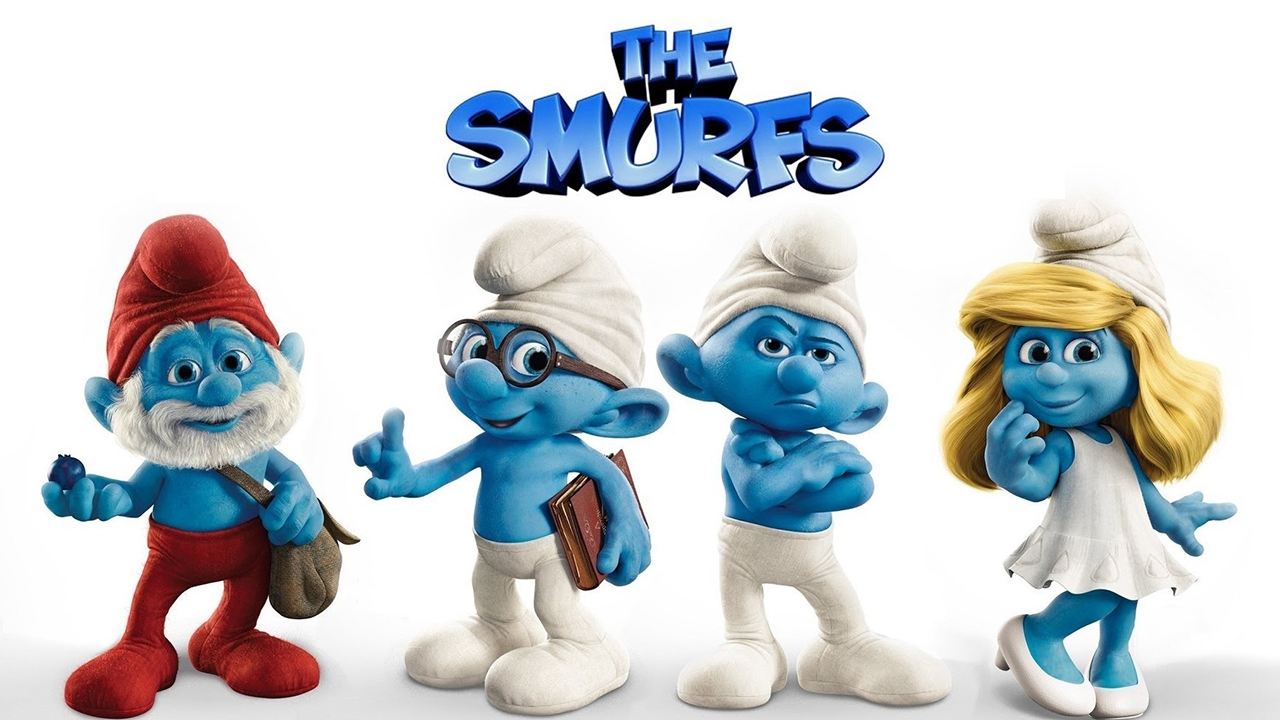
For all its puns and slapstick, the movie tries to find a heart in the relationship between Patrick and Grace (Jayma Mays). It’s a standard "workaholic dad learns what matters" arc, but the Smurfs serve as the chaotic catalysts for his growth. There’s something undeniably sweet about the way the film treats the Smurfs' optimism. In a post-9/11 cinematic world that was often leaning into "gritty" reboots (remember, this came out just a year before Man of Steel), The Smurfs was aggressively, unapologetically colorful.
The adventure moves at a breakneck pace, never letting the audience dwell too long on the logic of how a medieval wizard understands the concept of a "fan club." It’s built for the five-minute test; if you drop into any scene, there’s likely a chase, a bright visual gag, or Hank Azaria screaming at a pigeon. It’s "disposable" cinema in the way a bright blue popsicle is disposable—it’s gone in twenty minutes, but it turned your tongue blue and gave you a quick rush.
Ultimately, The Smurfs is a time capsule of an era where CGI was finally catching up to our imaginations, even if our scripts were still stuck in the "fish-out-of-water" tropes of the 90s. It’s a film that thrives on the charisma of its human lead and the sheer technical audacity of its animation team. It’s not a masterpiece, but it’s a loud, proud, and very blue slice of 2011 pop culture. If you have kids or a very high tolerance for puns, it’s a journey worth taking at least once, if only to see Gargamel try to eat a restaurant menu.
Keep Exploring...
-
The Smurfs 2
2013
-
Shrek the Third
2007
-
Horton Hears a Who!
2008
-

Puss in Boots
2011
-

The Ant Bully
2006
-
Shrek the Halls
2007
-
Shrek Forever After
2010
-

Ice Age: The Meltdown
2006
-

Night at the Museum
2006
-
Madagascar: Escape 2 Africa
2008
-
Rio
2011
-
Ice Age: Continental Drift
2012
-
Planes
2013
-
Planes: Fire & Rescue
2014
-
Rio 2
2014
-
Shrek 2
2004
-
The SpongeBob Movie: Sponge Out of Water
2015
-
DuckTales: The Movie - Treasure of the Lost Lamp
1990
-

The Swan Princess
1994
-
Jimmy Neutron: Boy Genius
2001