The Thing
"The warmest place to hide is an icy grave."
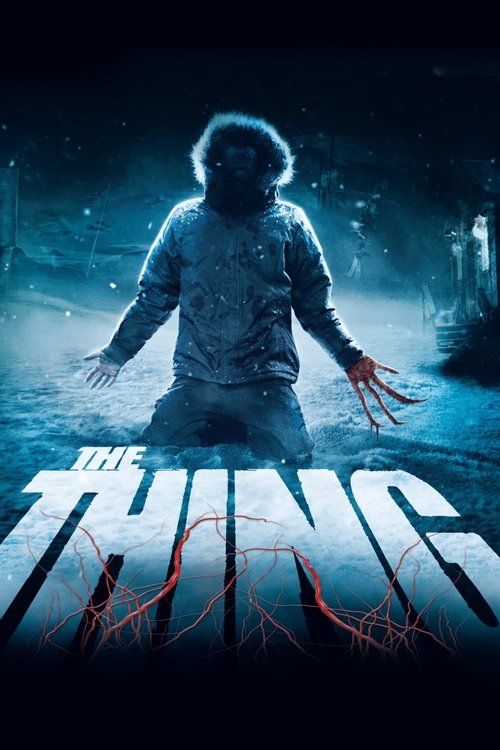
The 1982 version of The Thing ends with one of the most hauntingly perfect stalemates in cinema history. Two men, a bottle of J&B scotch, and a dying fire in the middle of a frozen wasteland. For nearly thirty years, that was enough. But Hollywood in the early 2010s was obsessed with the "origin story"—a desperate need to fill in every blank space on the map. It felt like a fool’s errand to try and follow John Carpenter’s masterpiece, yet Matthijs van Heijningen Jr. stepped into the blizzard anyway. What he delivered wasn’t a remake, but a high-fidelity forensic reconstruction that acts as a 103-minute jigsaw piece designed to snap perfectly into the opening frame of the original film.
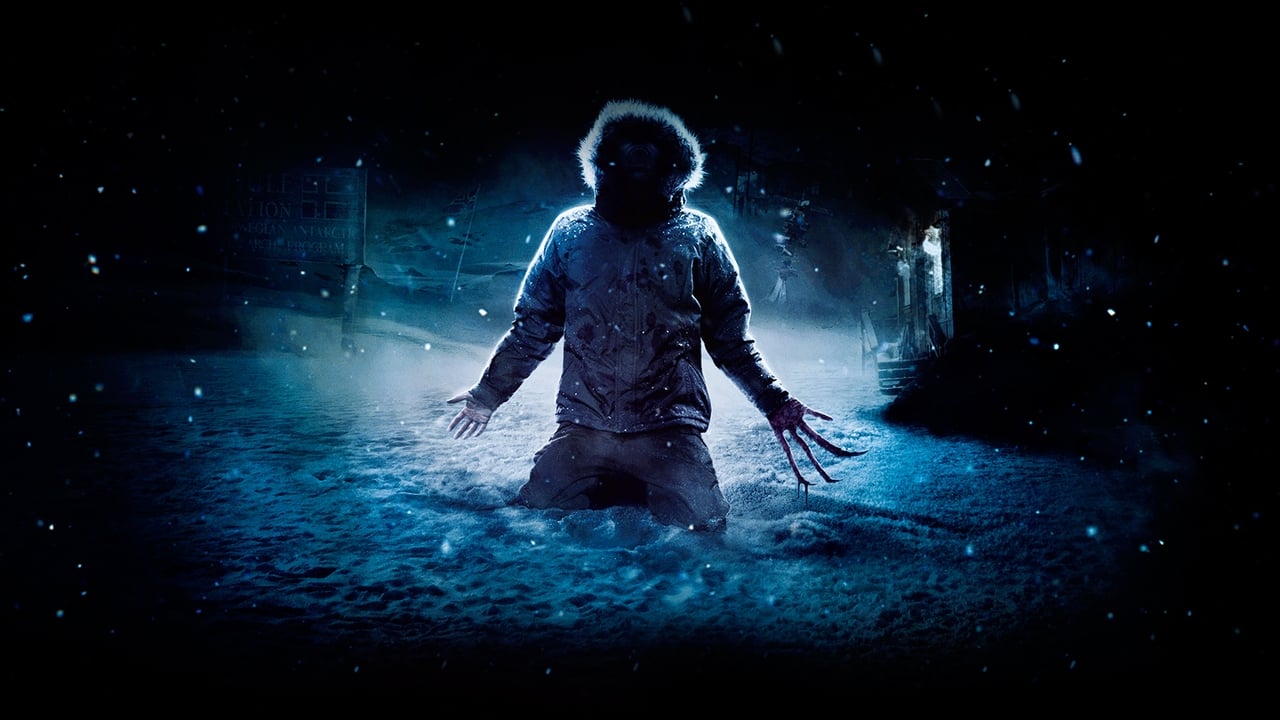
I watched this on a Tuesday night while wearing two pairs of wool socks because my radiator was hissing like a dying cat, and that localized chill honestly helped the atmosphere. You have to respect the sheer nerdery on display here. The production designers clearly spent weeks pausing their DVDs of the '82 film to ensure every axe-gash in the wall and every charred remain at the Norwegian camp was accounted for. It’s a movie made by people who clearly love the source material, even if they were eventually betrayed by the very technology that was supposed to "modernize" it.
The Tragedy of the Digital Overlay
If you want to understand the central heartbreak of 2011’s The Thing, you have to talk about the effects. Initially, the production hired Alec Gillis and Tom Woodruff Jr. of ADI (the legends behind Aliens and Starship Troopers) to create mind-blowing practical creature effects. They built intricate, slime-covered puppets that honored the "body horror" legacy of Rob Bottin. Then, in a move that still makes horror purists grind their teeth, the studio got cold feet during post-production. They decided the puppets looked "too 80s" and smothered almost all of that physical craft under a layer of digital paint.
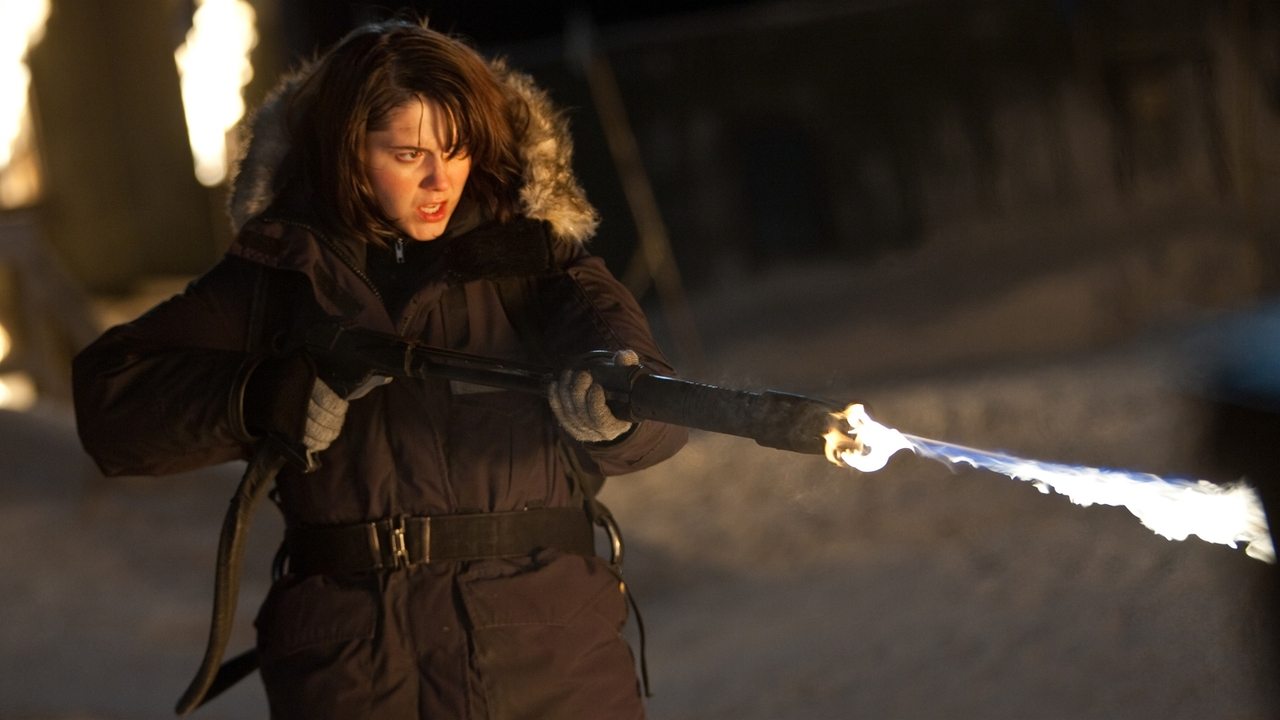
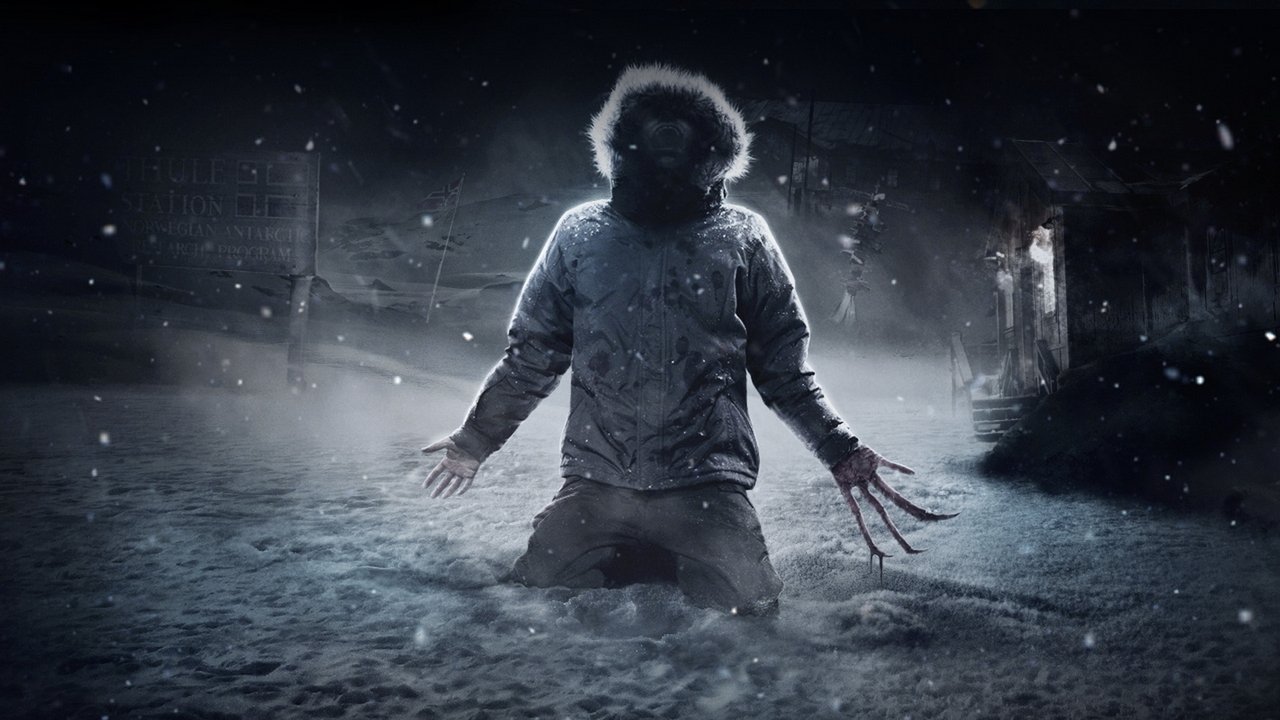
The result is a creature that moves with a weightless, jittery quality that often looks like a PlayStation 3 cinematic fighting for its life. It’s the ultimate "what if" of modern horror. Watching Mary Elizabeth Winstead—who is fantastic as the paleontologist Kate Lloyd—react to a digital blur just doesn't hit the same way as seeing Kurt Russell go toe-to-toe with a heap of latex and Karo syrup. However, the design of the creatures remains genuinely unsettling. The "Split-Face" entity is a terrifying marriage of human features and alien geometry that manages to feel like a natural evolution of the shapes we saw in the 80s.
Paranoia and Polar Manners
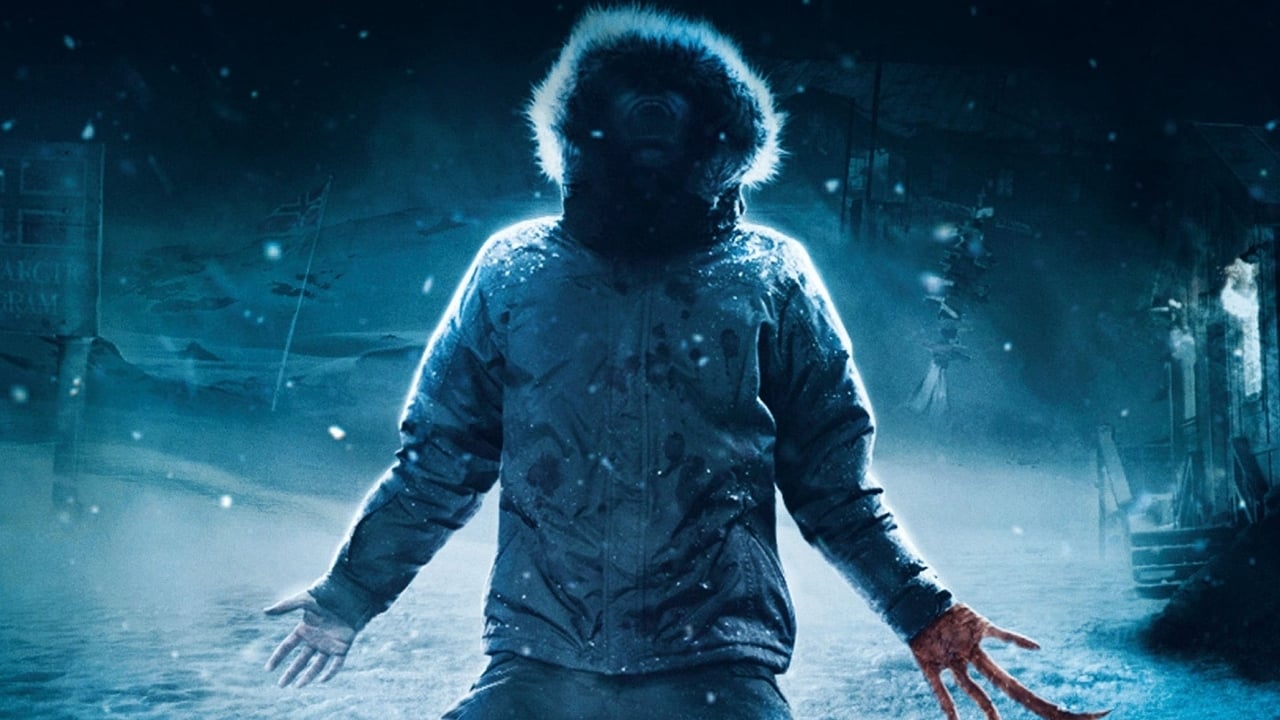
While the CGI is the frequent punching bag of this film, the script by Eric Heisserer (who would later pen the brilliant Arrival) does a solid job of updating the "Who is Who?" tension. Instead of the blood-spinning test, we get a sequence involving dental fillings. Since the Thing can't replicate inorganic material like metal, a flashlight and a wide-open mouth become the ultimate tools of survival. It’s a clever tweak that keeps the spirit of the original's paranoia alive without being a total carbon copy.
The cast helps carry the weight where the pixels fail. Mary Elizabeth Winstead brings a grounded, sensible energy to the lead—she’s not a "final girl" by trope, but a scientist using logic to battle an illogical nightmare. Joel Edgerton plays the American pilot Carter with a rugged skepticism that echoes MacReady without trying to imitate him, and Ulrich Thomsen is pitch-perfect as the arrogant Dr. Sander, the man whose ego provides the creature its first snack. There’s a coldness to the performances that matches the setting, and seeing the Norwegian crew (actually played by Norwegians, including Kristofer Hivju before his Game of Thrones fame) adds a layer of authenticity that the original lacked by being an all-American affair.
The Forensic Prequel Logic
What makes this a "Cult Classic" in the making isn't its box office—it actually lost money upon release—but the way fans have rallied around it as a companion piece. There are about six or seven incredibly specific details that link this directly to the 1982 film:
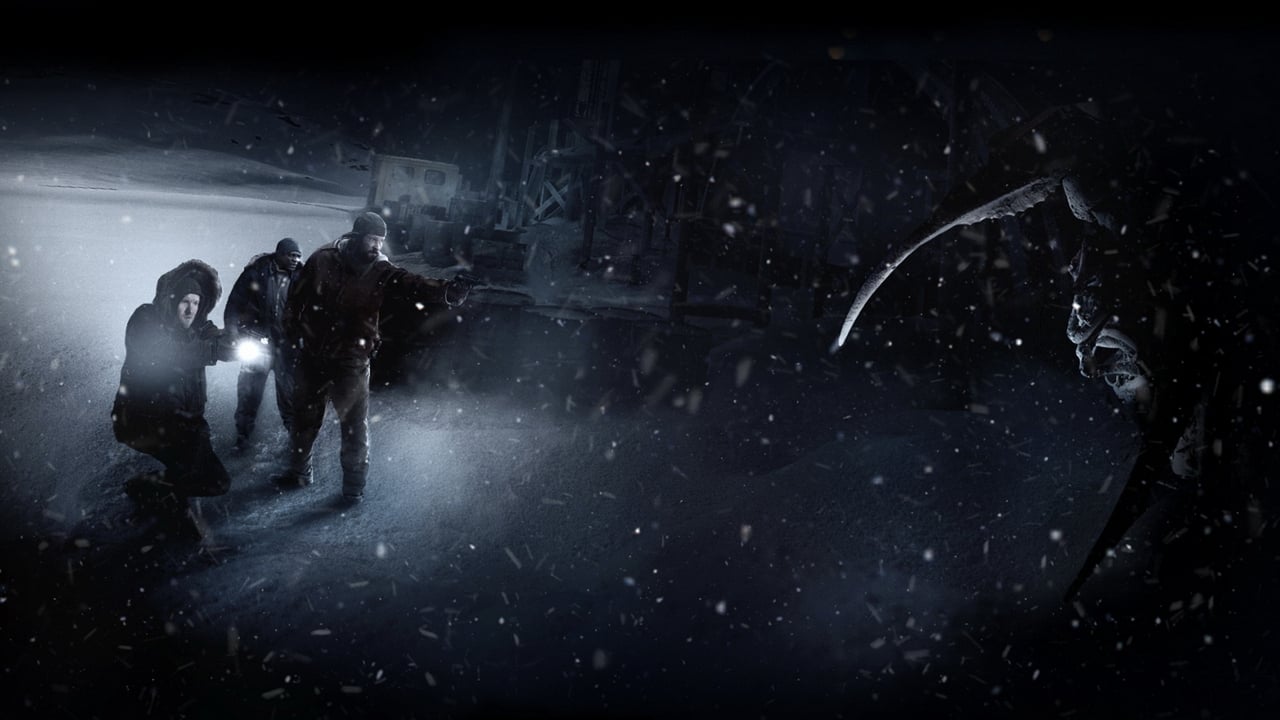
The two-headed "Split-Face" corpse found by the Americans was meticulously recreated to match the prop from the Carpenter film. The "pilot" alien found in the ice was a massive practical set-piece that was largely cut, but you can still see glimpses of the intricate ship interior. The ending sequence, which leads directly into the iconic helicopter chase, is a masterclass in continuity porn. The axe in the wall that Kurt Russell finds later is given its own "origin" story here. The score by Marco Beltrami purposefully weaves in threads of Ennio Morricone’s legendary thumping bassline, giving you that Pavlovian sense of dread. The "shaving" scene is a subtle nod to how the creature learns to mimic human grooming habits.
It’s easy to dismiss this as another unnecessary prequel from the era of "franchise everything," but there’s a soul beneath the digital sheen. It’s a movie that tried to do the right thing and got "studio-interfered" into a corner. If you can look past the occasionally rubbery pixels, you’ll find a tense, respectful, and genuinely chilly expansion of a world we all thought we knew.
Ultimately, The Thing (2011) is a fascinating failure that deserves a second look, preferably on a cold night with the lights dimmed. It’s a testament to the fact that even with the best intentions and a great cast, you can’t quite outrun the shadow of a masterpiece. It won't replace the 1982 version in your heart, but as the first half of a double feature, it provides a grimly satisfying setup for the carnage to come. Just keep an eye on your fillings.
Keep Exploring...
-

The Thing
1982
-
Pandorum
2009
-
Final Destination 3
2006
-
Event Horizon
1997
-

The Invasion
2007
-
Time Lapse
2014
-

The Mist
2007
-

A Nightmare on Elm Street
2010
-
Devil
2010
-

Let Me In
2010
-
The Crazies
2010
-
Final Destination 5
2011
-
Scream 4
2011
-

28 Weeks Later
2007
-
Case 39
2009
-
Splice
2010
-

Red Riding Hood
2011
-
Oblivion
2013
-

World War Z
2013
-

Transcendence
2014