The Three Musketeers
"Airships, corsets, and 17th-century slow-motion swordplay."
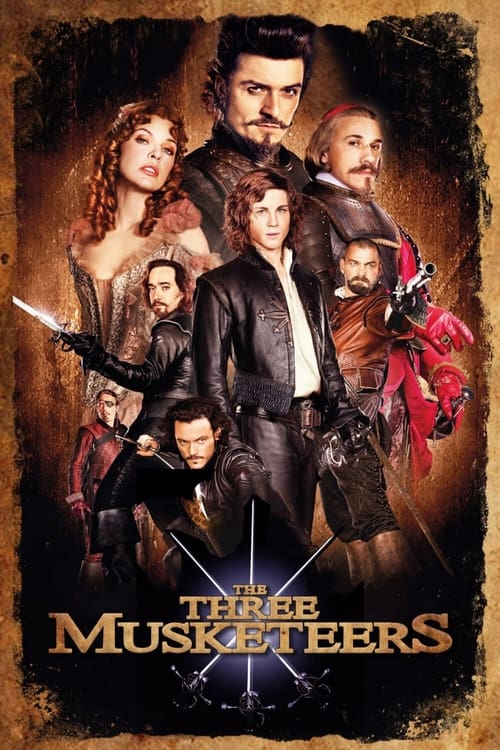
Imagine Alexandre Dumas waking up from a 170-year nap, taking a massive hit of early-2010s "3D craze" energy, and deciding that what 17th-century France really lacked was Da Vinci-designed flying warships. That is the fundamental DNA of Paul W. S. Anderson’s The Three Musketeers. Released in 2011, this film arrived at a very specific crossroads in cinema history: the point where the industry was desperately trying to make "Steampunk-lite" a thing while simultaneously figuring out how to use the high-end digital cameras James Cameron pioneered for Avatar.
I watched this recently on my laptop while my neighbor was very loudly practicing the tuba, and honestly, the discordant brassy accompaniment suited the movie’s "more is more" philosophy perfectly. It’s a film that shouldn’t work—and by most traditional critical metrics, it doesn't—but as a piece of glossy, high-budget weirdness, it’s a fascinating relic of its era.
The "Resident Evil" Approach to History
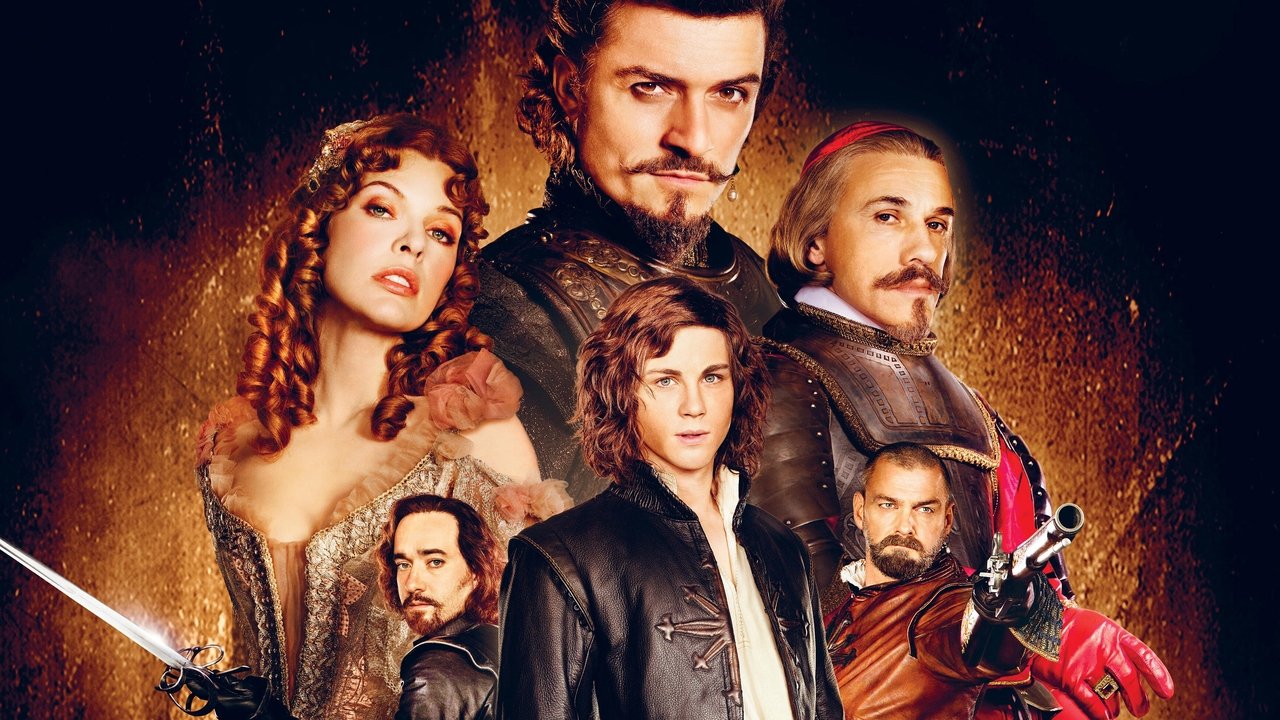
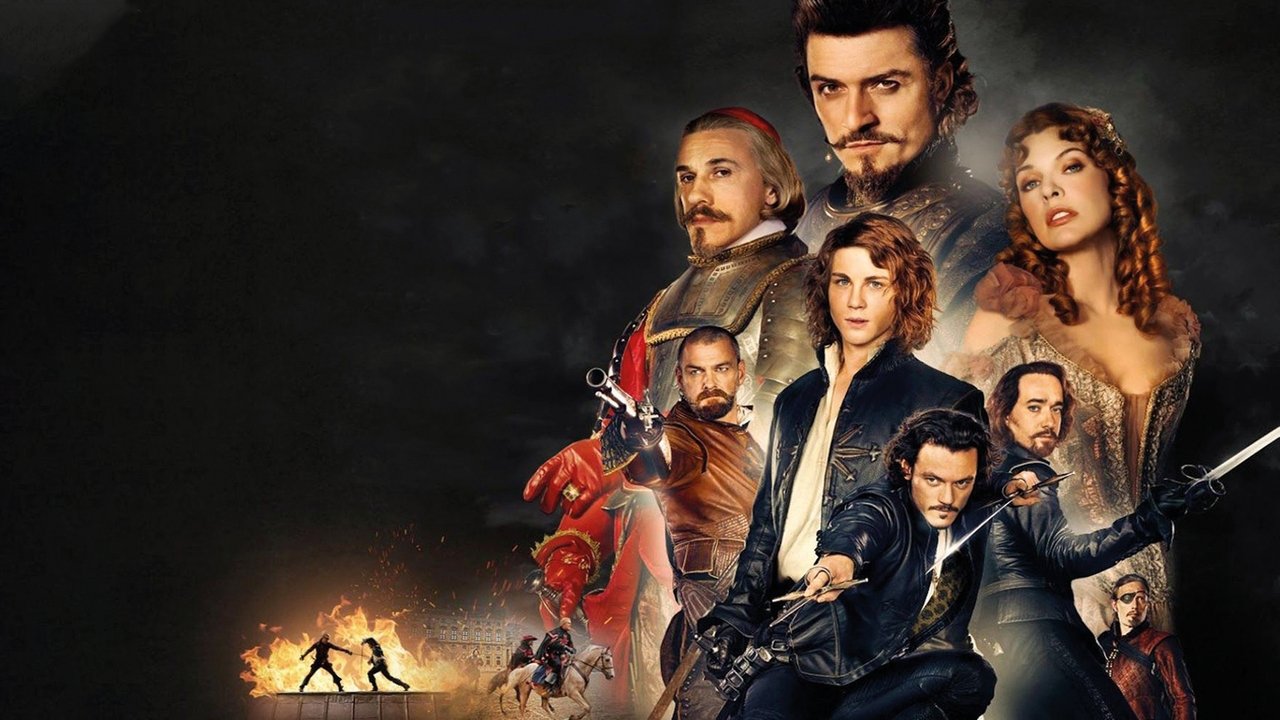
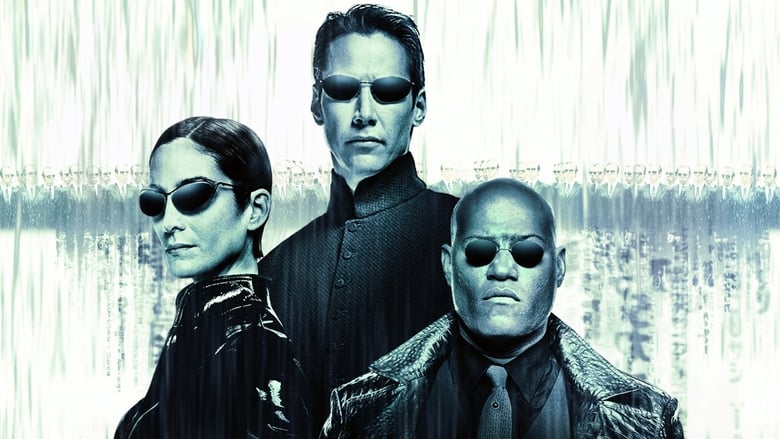
If you know Paul W. S. Anderson from the Resident Evil franchise or Event Horizon, you know he’s not a "subtlety" guy. He’s a "let’s see if we can make this sword fight look like The Matrix" guy. This version of the story takes the classic bones of D’Artagnan (Logan Lerman) traveling to Paris to join the King’s Guard and grafts on a plot involving vault heists and aerial combat.
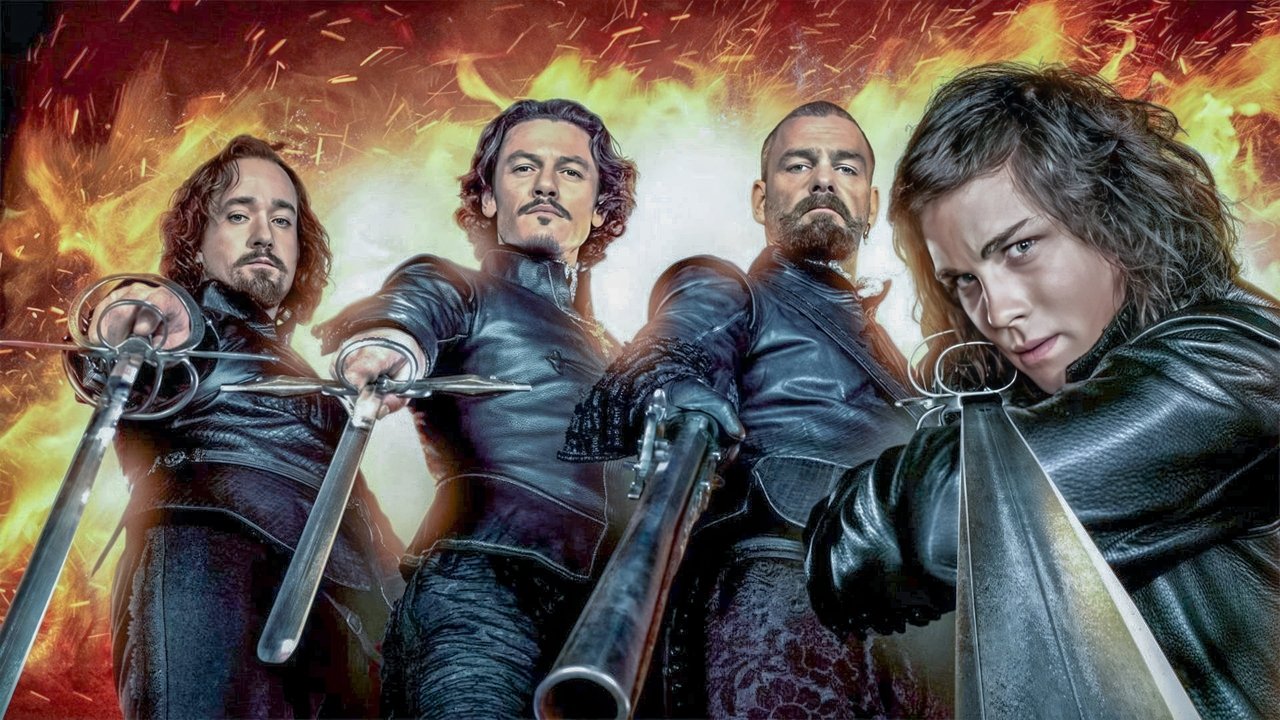
Logan Lerman, fresh off Percy Jackson & The Olympians: The Lightning Thief, plays D’Artagnan with a sort of Justin Bieber-adjacent cockiness that was very 2011. He’s fine, but the real meat of the film is in the seasoned veterans who seem to realize exactly what kind of movie they are in. Matthew Macfadyen (well before his Succession fame) brings a surprising amount of soul to Athos, while Ray Stevenson and Luke Evans round out the trio as Porthos and Aramis.
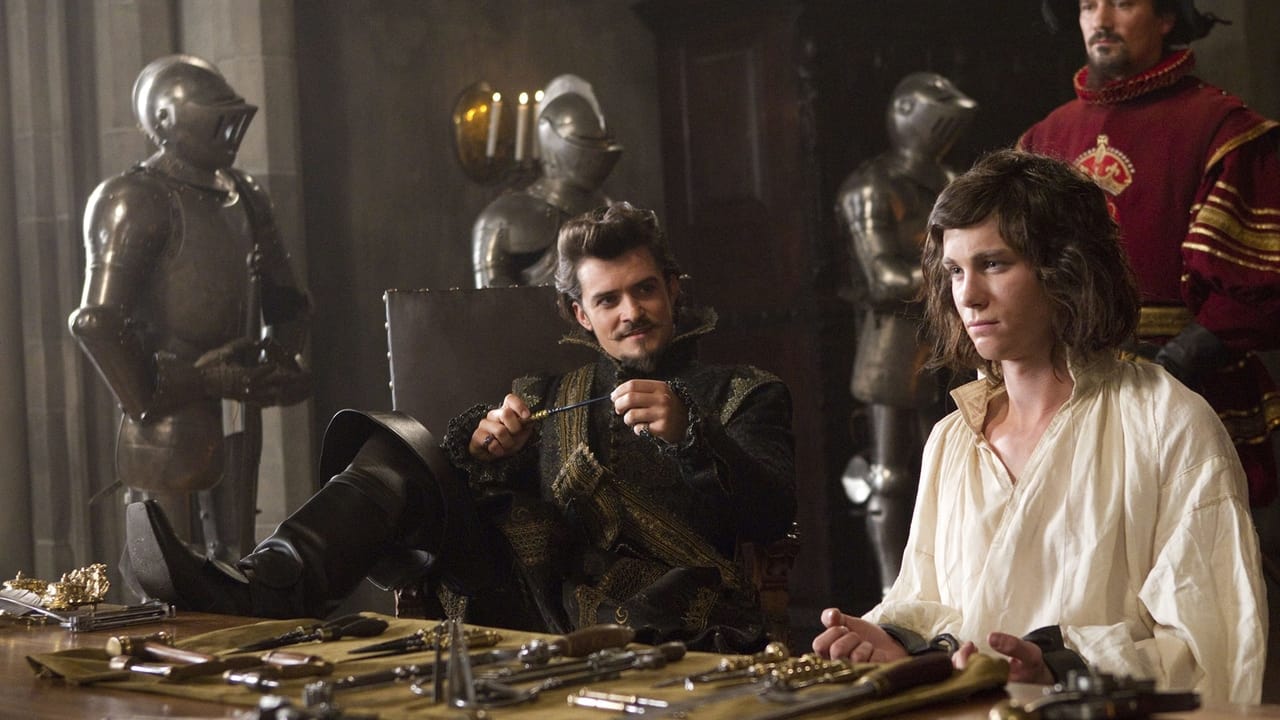
The villains, however, are where the fun lives. Christoph Waltz, hot off his Oscar win for Inglourious Basterds, plays Cardinal Richelieu with a quiet, menacing boredom. Then you have Mads Mikkelsen—pre-Hannibal but post-Casino Royale—as Rochefort, rocking an eyepatch and looking like he’s ready to duel the entire cast at once. And we can’t forget Orlando Bloom as the Duke of Buckingham, sporting a pompadour so massive it likely had its own zip code and chewing the digital scenery like he hadn't eaten in weeks.
CGI Ambition vs. Period Reality
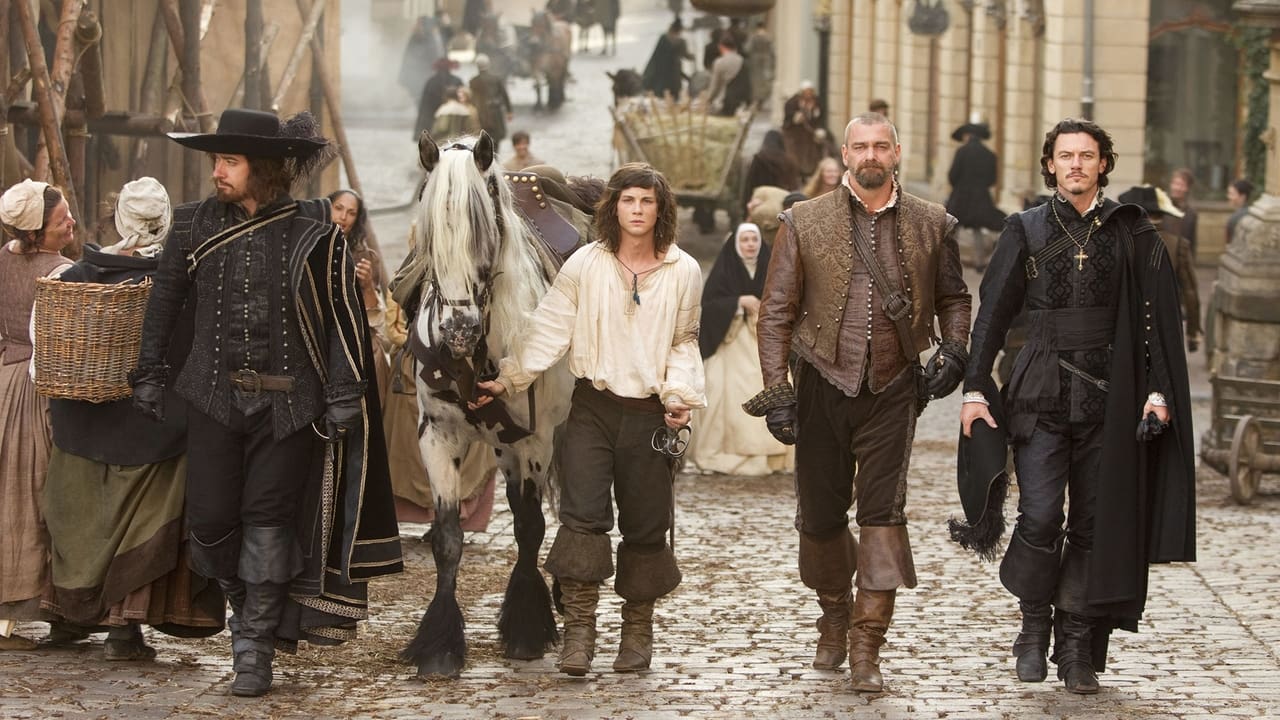
Looking back, 2011 was a transitional year. We were moving away from the gritty, shaky-cam realism of the mid-2000s and back into a vibrant, almost cartoonish digital saturation. Paul W. S. Anderson used the Arri Alexa digital camera system, and the film is crisp—almost too crisp. It lacks the grain and texture we usually associate with period dramas, making 17th-century Paris look like a very expensive theme park.
The action choreography is where the "Modern Cinema" influence is most felt. There’s a heavy reliance on "wire-fu" and slow-motion "bullet time" sequences. In one scene, Milla Jovovich (playing Milady de Winter) navigates a hallway filled with booby traps in a way that is identical to her laser-room sequence in Resident Evil. This movie treats historical accuracy with the same respect a blender treats a banana. It’s not interested in how people actually fought in 1625; it’s interested in how cool it looks when a sword clanks against a blade in 3D.
The standout set piece involves two massive wooden airships battling over the Notre Dame Cathedral. It’s objectively ridiculous, but the production design by Paul Denham Austerberry (who later won an Oscar for The Shape of Water) is genuinely impressive. The blend of practical sets in Bavaria and massive CGI landscapes captures that specific 2010s ambition where studios thought they could turn literally any public domain property into a Pirates of the Caribbean-style juggernaut.
A Cult Oddity in the Making
What’s most interesting about The Three Musketeers today isn't the plot—which is a bit of a muddle—but the "what if" of it all. It was clearly designed to start a franchise. The ending is a blatant cliffhanger that promises a sequel we never got because the domestic box office was, to put it mildly, a bit of a shipwreck. Yet, it was a massive hit overseas, particularly in Japan and Europe.
Behind the scenes, the film was a massive undertaking. It was one of the largest productions ever filmed in Germany, utilizing the historic Babelsberg Studios. They used actual Bavarian palaces like the Würzburg Residence to stand in for the Louvre, which gives the film a scale that modern, entirely green-screened Marvel movies often lack. There’s a physical weight to the locations that anchors the more absurd digital elements.
It’s easy to dismiss this as a "dumb" action movie, and I certainly won't argue it's a masterpiece. But there’s a sincerity to its silliness. Milla Jovovich jumping off a rooftop in a period-accurate corset while firing grappling hooks is the kind of cinematic nonsense I can’t help but admire. It represents a moment in time when Hollywood was throwing $75 million at "Steampunk Musketeers" just to see if it would stick to the wall.
If you go into this expecting the literary depth of Dumas, you’re going to have a bad time. But if you want to see Mads Mikkelsen be cool, Orlando Bloom be a flamboyant jerk, and a bunch of 17th-century French guys engage in Fast & Furious style airship chases, it’s a blast. It’s a loud, shiny, digital toy of a movie that reminds me of the specific, experimental energy of the early 2010s. It’s not "good" in the traditional sense, but it’s never boring, and sometimes that’s exactly what you need on a Tuesday night.
Keep Exploring...
-
Death Race
2008
-
Pompeii
2014
-

G.I. Joe: Retaliation
2013
-
AVP: Alien vs. Predator
2004
-

16 Blocks
2006
-
Poseidon
2006
-

X-Men: The Last Stand
2006
-
Babylon A.D.
2008
-

G.I. Joe: The Rise of Cobra
2009
-
Green Zone
2010
-
Resident Evil: Afterlife
2010
-
I Am Number Four
2011
-

Battleship
2012
-
The Expendables 3
2014
-
Quantum of Solace
2008
-
Killer Elite
2011
-
Dante's Peak
1997
-
The Jackal
1997
-
Lethal Weapon 4
1998
-
The Matrix Revolutions
2003