The Tree of Life
"The entire universe in a Texas backyard."
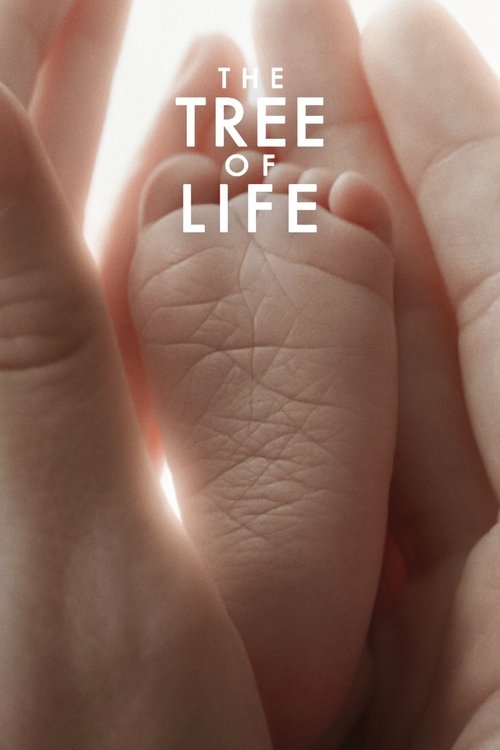
Imagine walking into a multiplex in 2011, clutching a bucket of overpriced popcorn, expecting a straightforward Brad Pitt period drama, and instead being greeted by twenty minutes of nebulae forming, cells dividing, and a stray CGI dinosaur showing a moment of existential mercy. It was the cinematic equivalent of a bait-and-switch, sparking boos at the Cannes Film Festival and standing ovations in the same breath. Even now, Terrence Malick’s The Tree of Life remains the ultimate litmus test for film fans: you either find it to be a profound spiritual experience or the most expensive screensaver ever made.
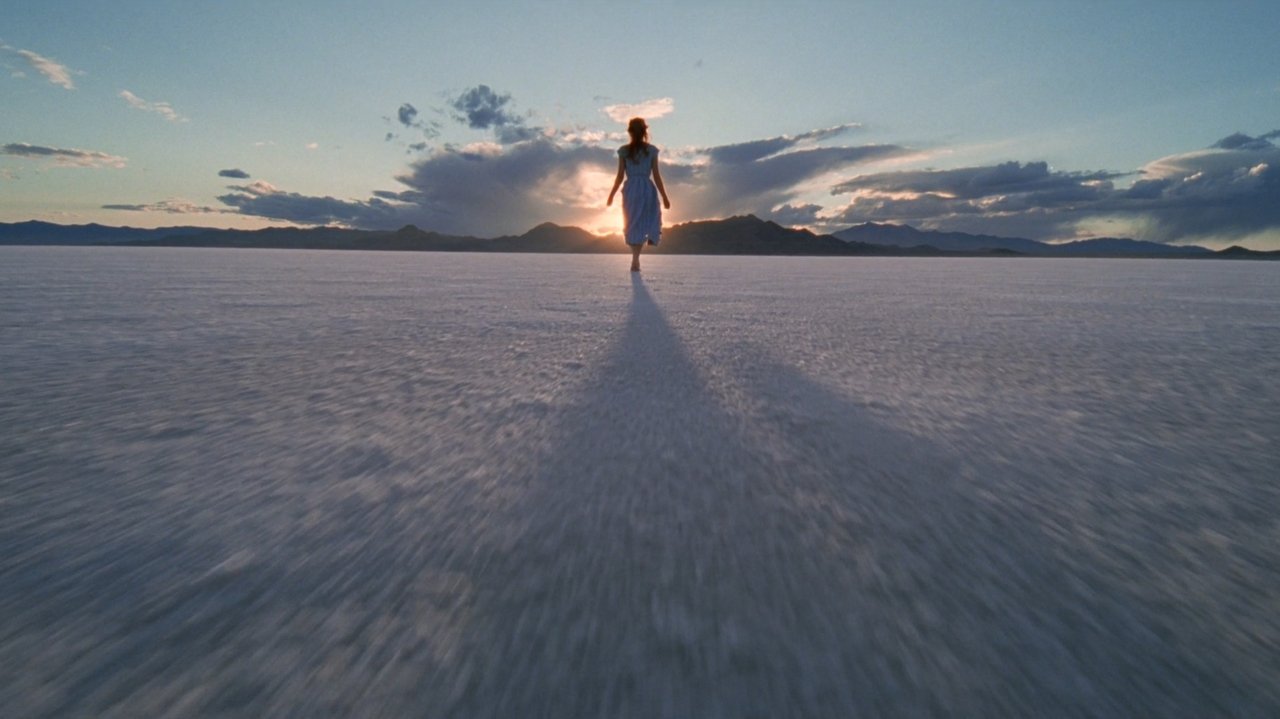
Personally, I fall into the camp of the converted. I first watched this on a beat-up laptop while my college roommate was in the next room loud-talking on speakerphone about his fantasy football draft. Somehow, the contrast between his heated debate over wide receivers and the film’s hushed, cosmic silence made the whole thing feel even more essential. It’s a film that demands you stop fidgeting and just look.
The Gospel of Grace and Nature
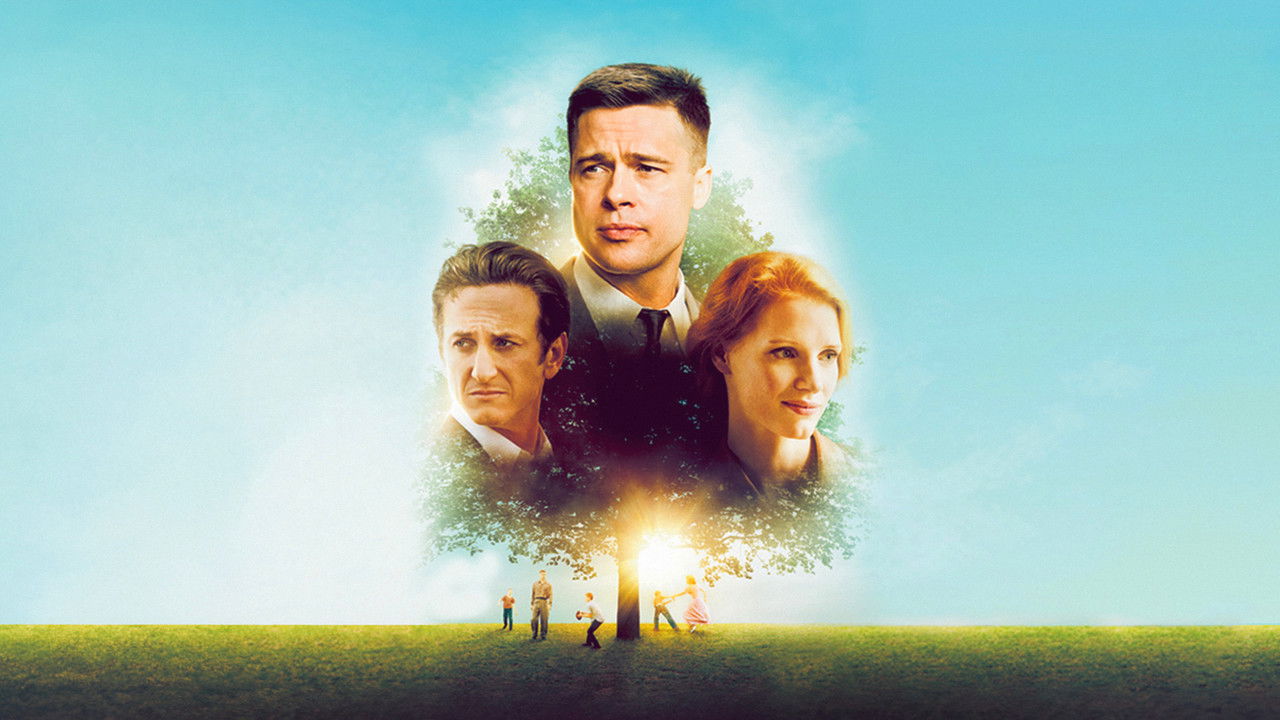
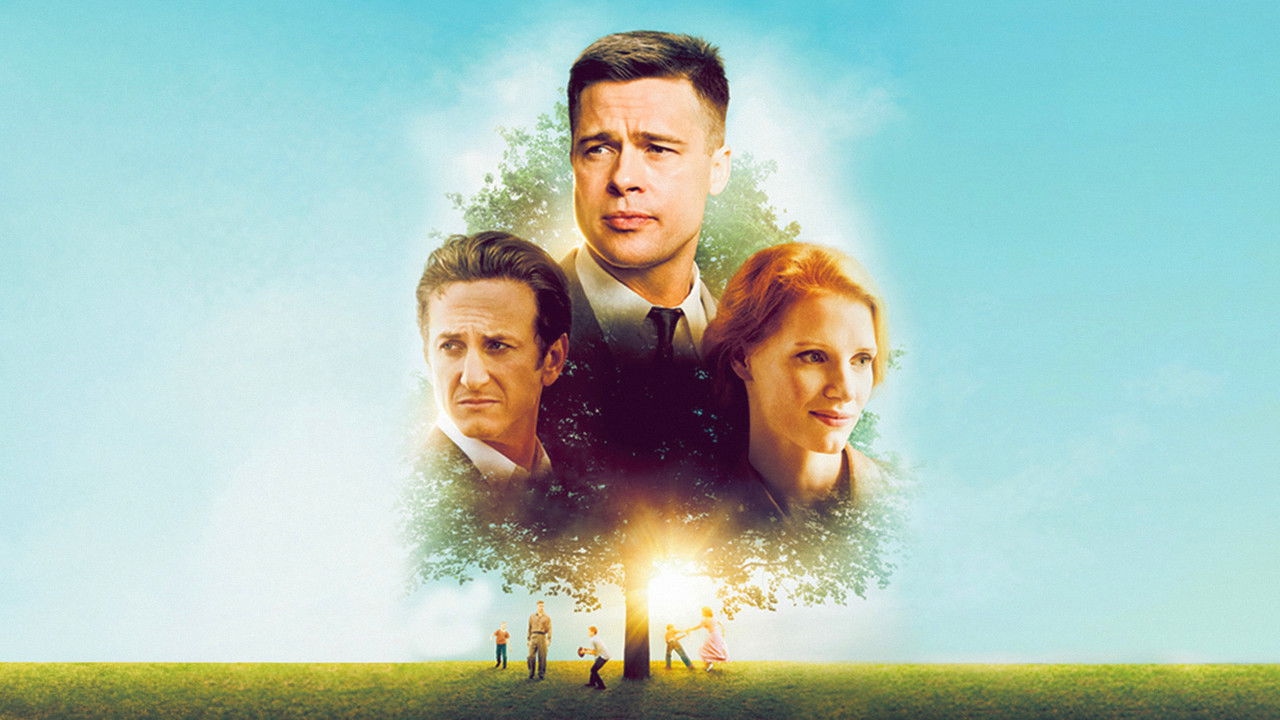
At its heart, the film is an impressionistic memory of a 1950s childhood in Waco, Texas. We see it through the eyes of Jack, played as a boy by the remarkably natural Hunter McCracken. The narrative—if you can call it that—revolves around the friction between his two parents. Jessica Chastain, in her breakout role, embodies the "Way of Grace." She floats through the yard, whispers to the sky, and represents a world of unconditional love. Opposite her is Brad Pitt as Mr. O’Brien, the "Way of Nature."
Brad Pitt is terrifyingly good here, delivering a performance that makes your own teeth ache with suppressed mid-century paternal rage. He’s a man who loves his sons but treats fatherhood like basic training, convinced that the world will eat them alive if they aren't hard enough to bite back. This was a pivot point for Pitt, moving away from his "movie star" sheen into something much more jagged and weathered. It’s the kind of acting that doesn't feel like acting; it feels like overhearing a private argument through a thin drywall.
Light, Glass, and a Fluid Camera
If the performances provide the soul, the cinematography by Emmanuel Lubezki provides the oxygen. This was the era where "Chivo" Lubezki (who also shot Children of Men and Gravity) was perfecting his style of using only natural light and a camera that never seems to sit still. It’s not "shaky cam," though. The camera in The Tree of Life glides. It feels like a ghost or a breeze moving through the O’Brien household, catching the sun hitting a glass of water or the way a curtain flutters in the wind.
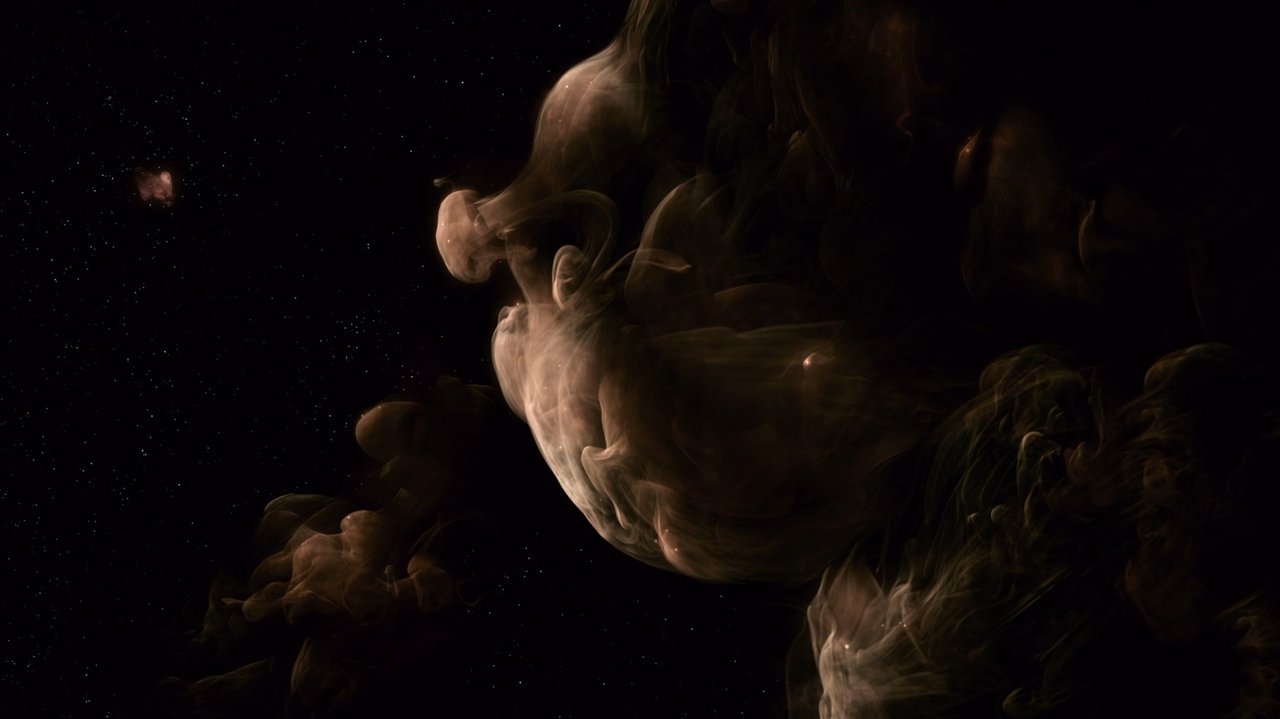
What makes this stand out in the 1990-2014 era of cinema is its rejection of the digital "perfection" that was beginning to take over. While other directors were leaning into the flat, crisp look of early digital sensors, Terrence Malick was obsessed with the texture of film and the unpredictability of the "magic hour." Yet, paradoxically, he used cutting-edge CGI for the creation sequence. He brought in Douglas Trumbull, the VFX legend behind 2001: A Space Odyssey, to create cosmic effects that didn't look like cartoons. They used chemical reactions, high-speed photography, and fluids in tanks to make the birth of the universe feel tactile. It’s early-2010s tech used to capture something ancient.
The Sean Penn Mystery and Other Oddities
For a "cult classic" of the high-art variety, the behind-the-scenes stories are surprisingly messy. Sean Penn, who plays the adult version of Jack wandering through a sterile, modern-day skyscraper, famously told the French newspaper Le Figaro that he didn't know what he was doing in the movie. > "I didn't at all find on the screen what I'd read on the page," Penn remarked.
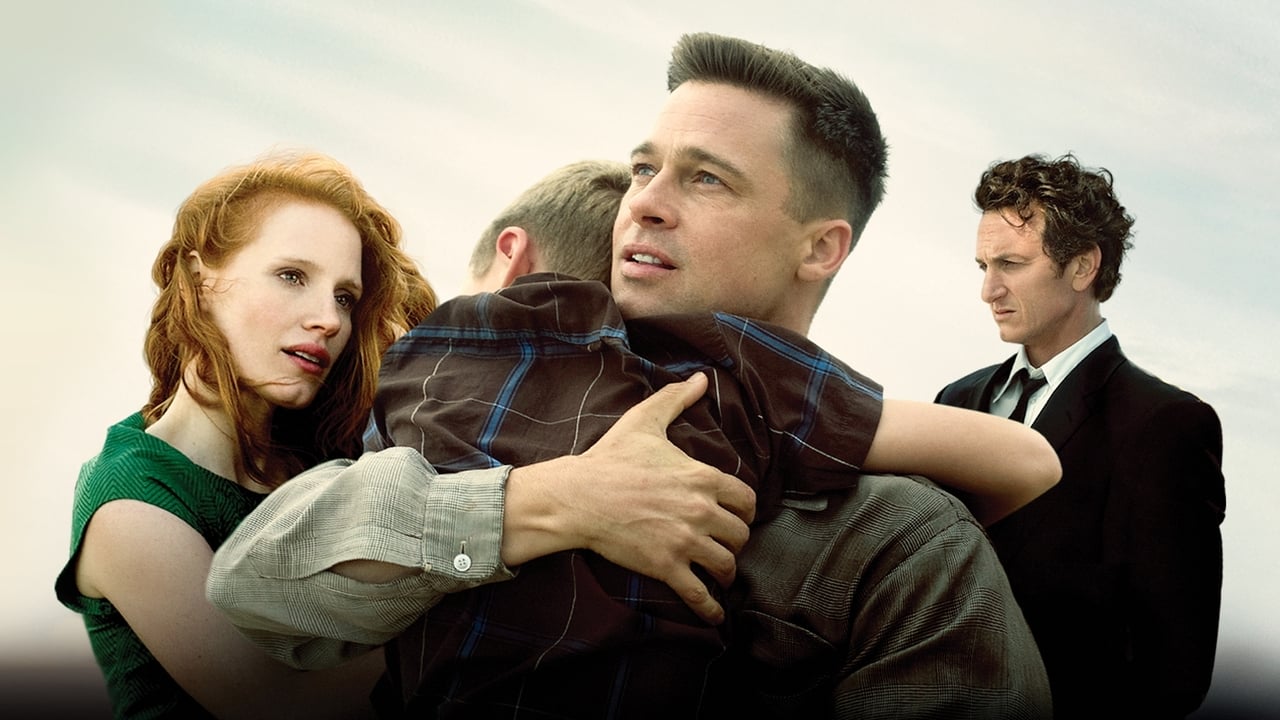
It’s a fair critique—Malick is notorious for finding the movie in the editing room, often cutting entire performances out (just ask Fiona Shaw, who is barely a whisper in the final cut).
There was no traditional script for the actors to memorize. Instead, Malick would give them "lines of the day" or psychological prompts. He wanted to catch them off guard. This led to a set where the kids were actually playing and the parents were actually reacting, creating a sense of domestic realism that makes the sudden jump to a prehistoric lagoon feel even more jarring. It’s a film that treats a child’s bruised ego with the same gravity as a supernova, and that audacity is exactly why it has sustained such a passionate following.
In a decade defined by the rise of the interconnected franchise and the "formula" blockbuster, The Tree of Life feels like a transmission from another planet. It’s a movie that asks for your total attention and offers no easy answers, which is a big ask for five minutes before a bus ride, I know. But if you give it the time, it’ll linger in your head far longer than any superhero's origin story. It’s a messy, beautiful, frustrated prayer of a movie that reminds me why I fell in love with cinema in the first place: the ability to see the world—and the stars beyond it—through someone else’s eyes.
Keep Exploring...
-
The Thin Red Line
1998
-
The Curious Case of Benjamin Button
2008
-
The New World
2005
-
The Secret Life of Walter Mitty
2013
-
Stranger Than Fiction
2006
-
The Illusionist
2006
-
The Assassination of Jesse James by the Coward Robert Ford
2007
-

Click
2006
-
The Spiderwick Chronicles
2008
-
A Christmas Carol
2009
-
Horns
2013
-
Only Lovers Left Alive
2013
-
Edward Scissorhands
1990
-

Being John Malkovich
1999
-
Moneyball
2011
-
Meet Joe Black
1998
-
Perfume: The Story of a Murderer
2006
-
DragonHeart
1996
-
What Dreams May Come
1998
-
The Family Man
2000