The Tuche Family
"One hundred million euros. Still eating fries."
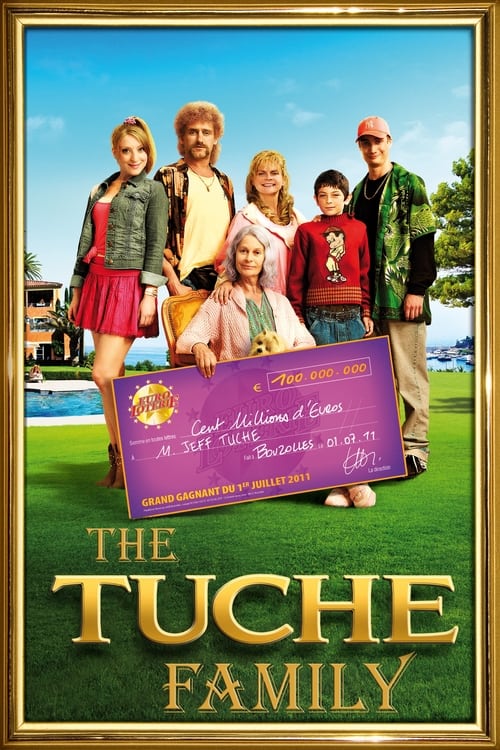
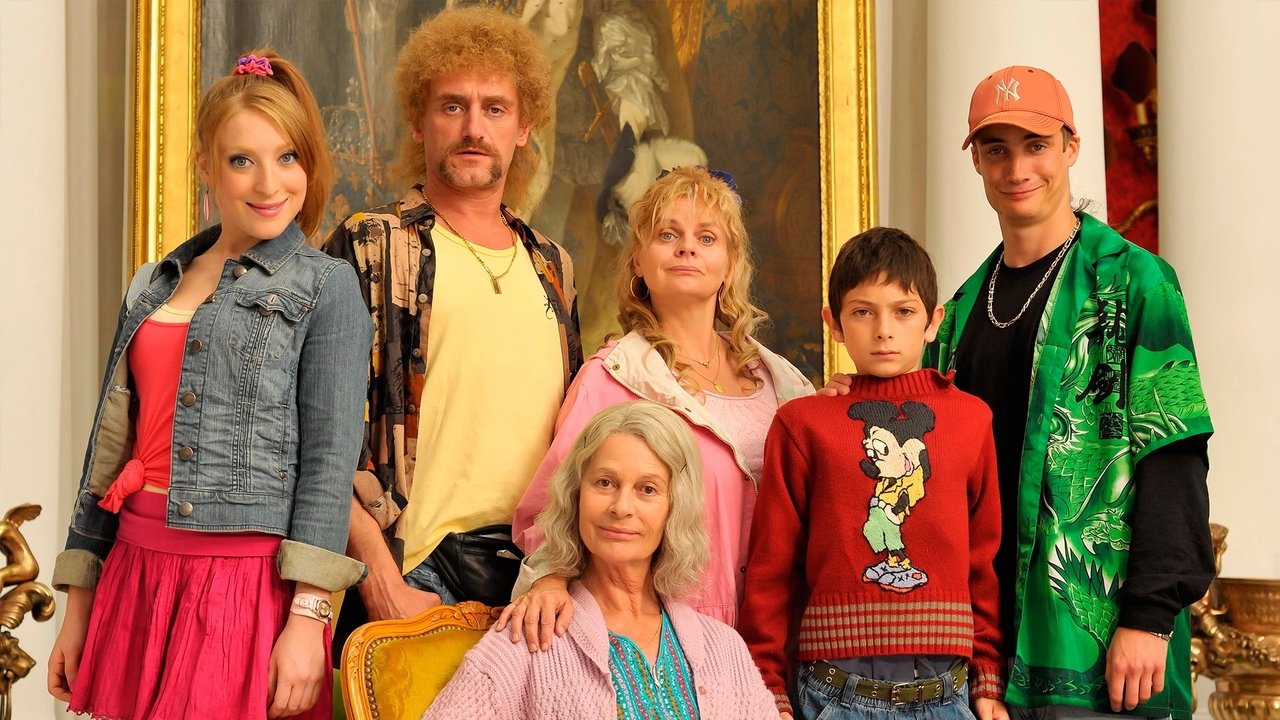
Jean-Paul Rouve’s hair in this movie is a structural marvel—a perm that looks like it was sculpted out of a dying poodle and sun-dried in a wind tunnel. It is the first thing you see, and it tells you everything you need to know about The Tuche Family (Les Tuche). Released in 2011, this film arrived at a strange crossroads for French cinema. We were moving away from the gritty, handheld realism of the early 2000s and leaning hard into high-concept, glossy comedies that felt like they were shot on the same digital sensors used for high-end yogurt commercials.
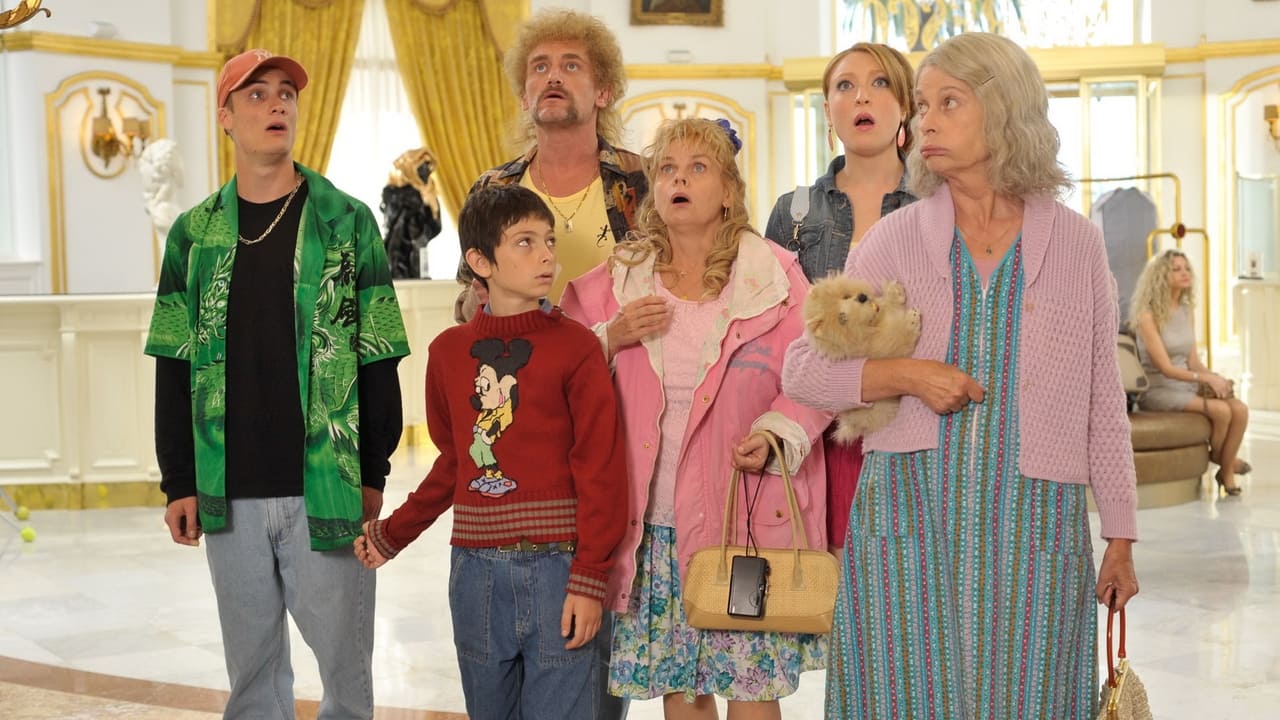
I watched this for the first time on a flight where the person in front of me had reclined their seat so far I was basically watching the movie through their scalp. Somehow, the sheer absurdity of the Tuche family’s lifestyle made that cramped, miserable space feel like a VIP lounge in Monaco.
The Gospel of the French Fry
The premise is as old as the hills: a family of lovable, low-income "proletarians" wins the lottery and moves to a place where they don't belong. In this case, it’s 100 million euros and a move from the fictional, bleak village of Bouzolles to the glittering, Botoxed shores of Monaco. But what makes the Tuches different from, say, The Beverly Hillbillies, is their militant commitment to idleness. Jeff Tuche (Jean-Paul Rouve) lives by the mantra "Man is not made to work," and he treats unemployment not as a misfortune, but as a hard-won career path.
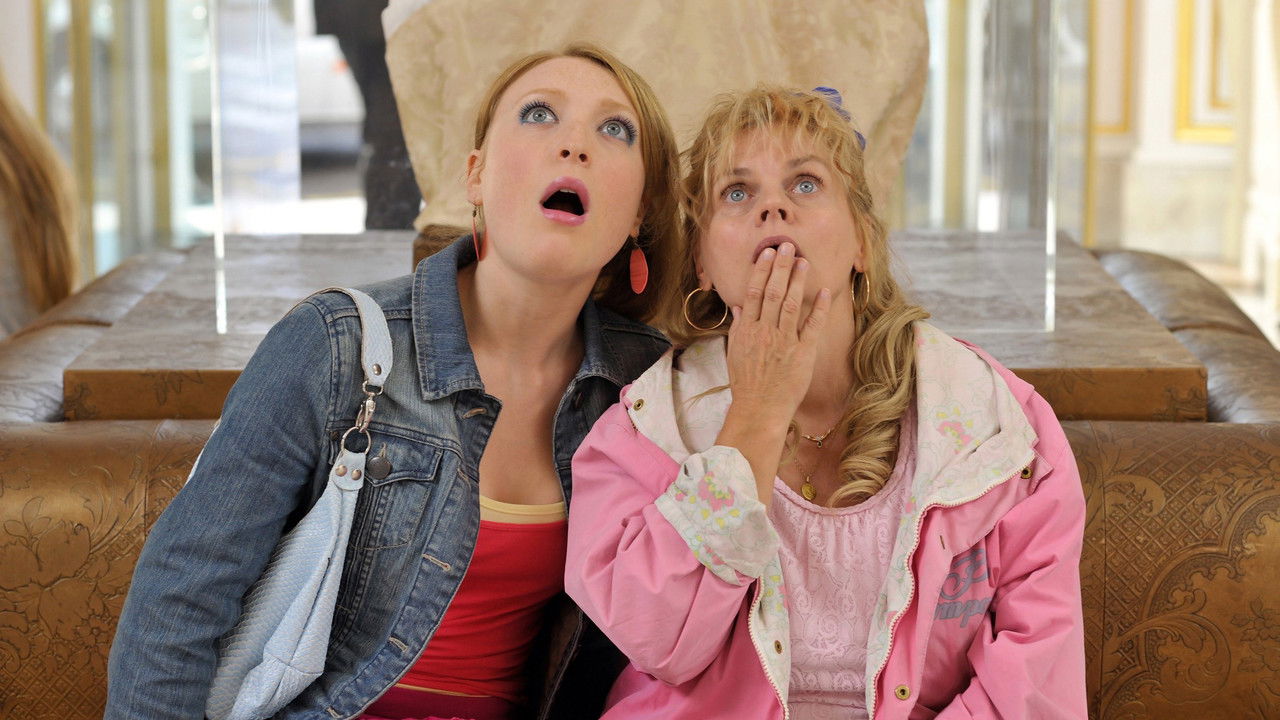
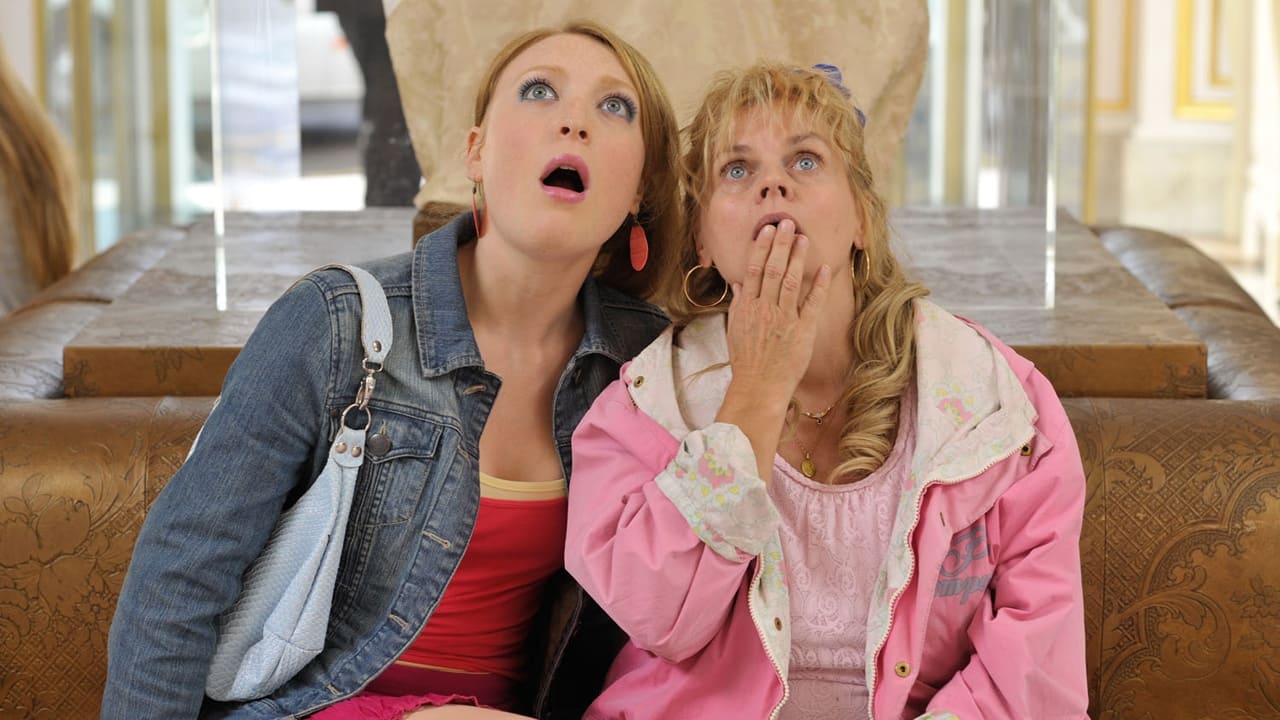
The chemistry between Jean-Paul Rouve and Isabelle Nanty (playing Cathy Tuche) is what anchors the madness. Isabelle Nanty is a legend for a reason; she plays Cathy with a sincere, maternal warmth that almost makes you forget she’s enabling a household of delightful idiots. Then there’s Mamie Suze (Claire Nadeau), who spends the entire movie speaking a dialect of "mumble" that is never translated, yet somehow perfectly understood. The film is the cinematic equivalent of a greasy paper bag of chips—you know it’s not "prestige" cinema, but you can’t stop reaching back in for more.
Monaco, Metaphors, and Mullets
Director Olivier Baroux doesn't aim for subtlety, and in 2011, he didn't have to. The humor is broad, physical, and occasionally relies on the kind of logic usually found in a Saturday morning cartoon. The transition from the grey, muted tones of Bouzolles to the oversaturated, neon-blue skies of Monaco reflects that 2010s digital sheen. Everything looks a bit too bright, which actually serves the satire—the Tuches are a neon-yellow stain on the beige, refined canvas of the tax-haven elite.
The comedy works because it’s rhythmically relentless. Whether it’s Jeff trying to coach a high-end soccer team or the family’s youngest son, Donald (Théo Fernandez), being a secret genius, the gags are structured like a rapid-fire tennis match. Not every joke lands—some of the "rich people are snobs" tropes felt a bit dusty even back then—but Jean-Paul Rouve’s commitment to the character is so total that he drags the weaker scenes across the finish line by sheer force of personality. He manages to make Jeff Tuche a folk hero for the terminally lazy.
Why the World Missed the Party
Outside of France, Belgium, and Switzerland, The Tuche Family is a ghost. It never got the international push that films like The Intouchables received the same year. Part of that is the cultural specificity. The "Tuche" identity is built on very particular French archetypes—the obsession with frites, the specific brand of Northern French slang, and the localized class anxieties. If you didn't grow up with the French "Dole" culture, some of the subtext might fly over your head.
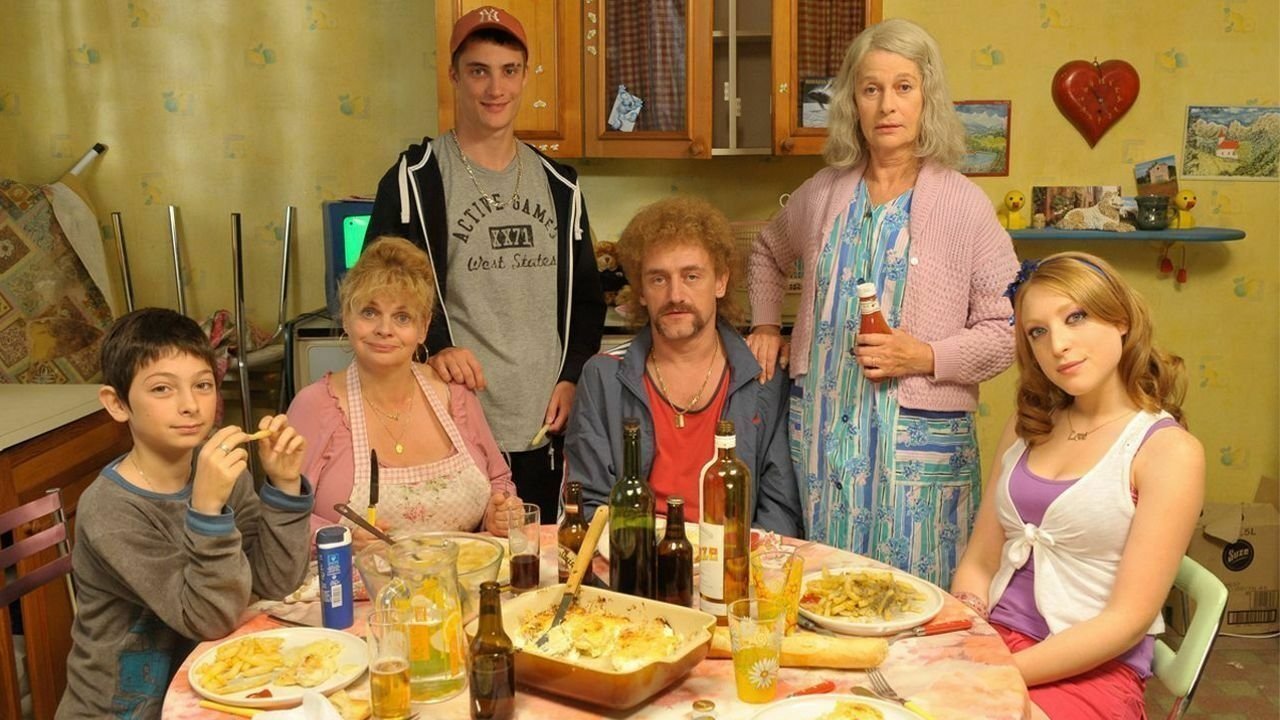
Furthermore, by 2011, the global market was becoming obsessed with franchises and superhero origins. A small-scale comedy about a man who loves fries more than his own dignity was never going to compete with the burgeoning MCU in the States. It’s a shame, because looking back, the film captures a specific pre-streaming vibe: a movie designed to be watched on a Sunday night on a TV channel with commercials, where you can miss five minutes to go make a sandwich and not lose the plot. It’s unpretentious, occasionally aggressively stupid in a way that feels like a warm hug, and deeply cynical about the wealthy.
Ultimately, The Tuche Family is a celebration of being exactly who you are, even when you have enough money to buy a new personality. It’s a time capsule of 2011 French pop-culture sensibilities—loud, colorful, and unashamedly populist. It’s the kind of film that reminds me why I love the oddities of international comedy; it doesn't care if it's "good" by academic standards as long as you're laughing at a man with a terrible perm trying to buy a villa. If you can find a version with decent subtitles, it’s a 95-minute vacation from maturity that I highly recommend taking.
Keep Exploring...
-
The Tuche Family: The American Dream
2016
-
Those Happy Days
2006
-
Little Nicholas
2009
-
A Monster in Paris
2011
-
Asterix: The Mansions of the Gods
2014
-
Aquamarine
2006
-
Barnyard
2006
-
Charlotte's Web
2006
-
Just My Luck
2006
-
RV
2006
-

The Ant Bully
2006
-

The Santa Clause 3: The Escape Clause
2006
-

Mr. Magorium's Wonder Emporium
2007
-
Shrek the Halls
2007
-
TMNT
2007
-
Nim's Island
2008
-
Open Season 2
2008
-
Aliens in the Attic
2009
-
Princess Protection Program
2009
-

Diary of a Wimpy Kid
2010