Tinker Tailor Soldier Spy
"A whisper is louder than a gunshot."
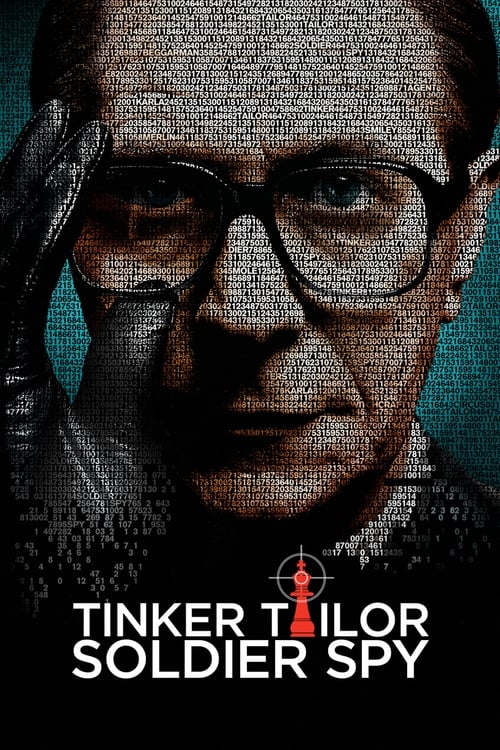
The first time I sat down to watch Tinker Tailor Soldier Spy, I was wearing a wool sweater that was just a little too itchy and drinking a lukewarm cup of Earl Grey. Oddly enough, that physical discomfort felt like the perfect sensory accompaniment to Tomas Alfredson’s cold, prickly masterwork. This isn't a movie you watch; it’s a movie you inhabit, usually while holding your breath and wondering if the person sitting next to you is secretly recording your conversation.
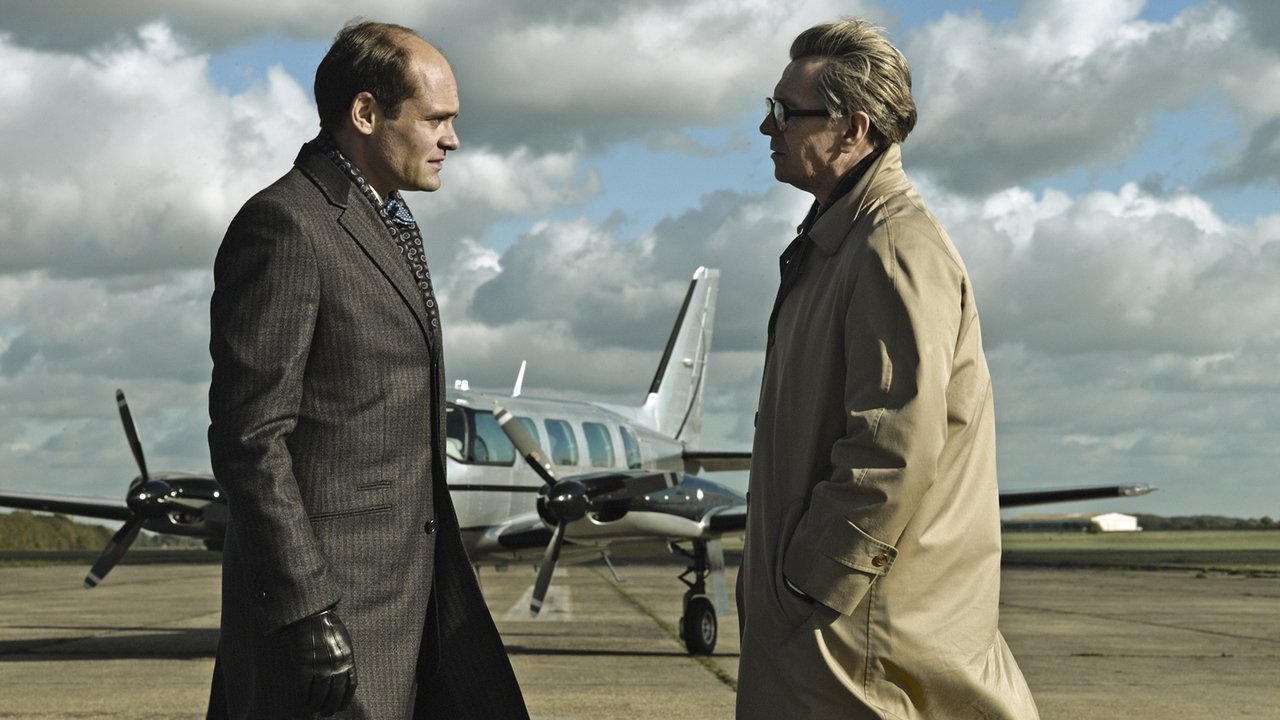
In an era of cinema (roughly 1990–2014) where thrillers were leaning heavily into the frantic, shaky-cam energy of the Bourne series or the high-tech gadgetry of Daniel Craig’s early Bond outings, Tinker Tailor arrived in 2011 like a ghost from a different century. It’s a film that dares to be quiet. It’s a drama that treats a misplaced file or a slight change in a man's eyewear as a world-shattering event.
The Art of the Unspoken
At the center of this beige-tinted hurricane is Gary Oldman as George Smiley. Now, I’ve seen Gary Oldman play everything from a screaming DEA agent in Léon: The Professional to a rocker in Sid and Nancy, but his work here is a miracle of subtraction. He barely speaks. He moves like a man who is trying not to disturb the dust in the room. He’s basically the world’s most dangerous librarian.
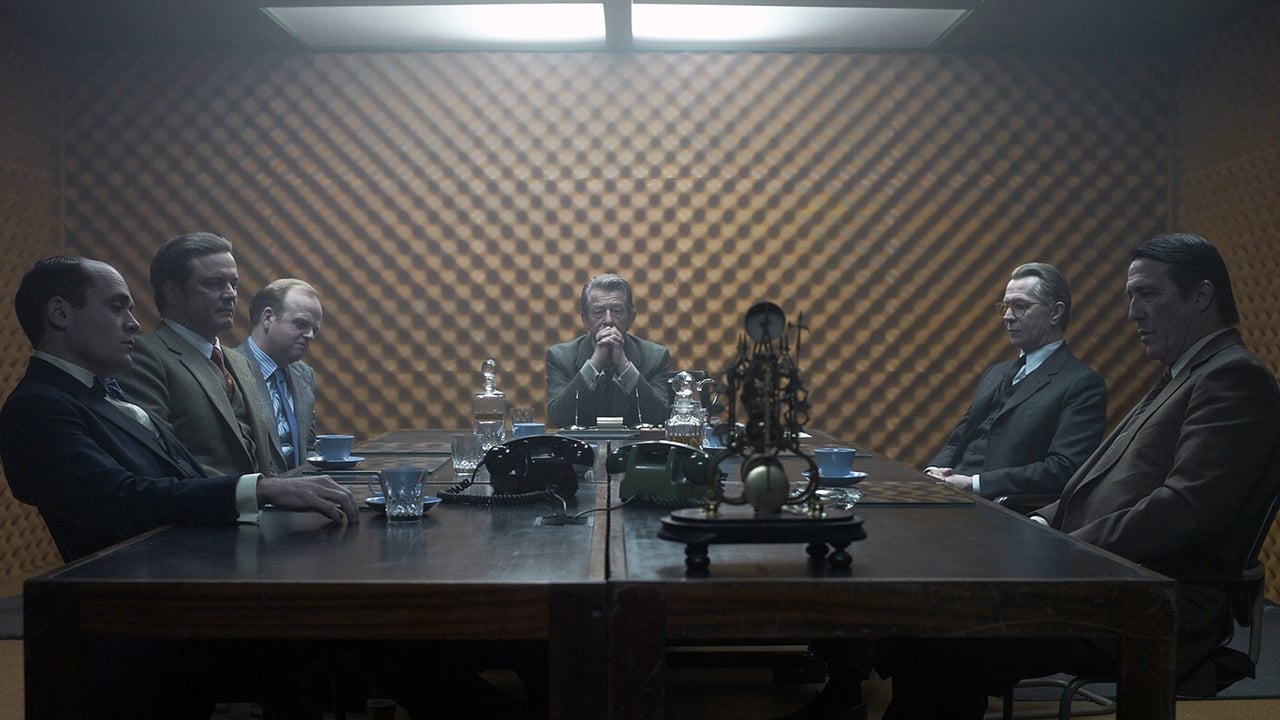
Smiley is brought out of a forced retirement to find a Soviet mole at the very top of MI6 (the "Circus"). The suspect pool is a murderer’s row of British acting royalty: Colin Firth as the dashing Bill Haydon, Toby Jones as the ambitious Percy Alleline, Ciarán Hinds, and David Dencik. Every time these men are in a room together, the air feels heavy with the scent of stale cigarettes and betrayal.
I was particularly struck by Tom Hardy as Ricki Tarr. This was right around the time Hardy was becoming a massive star (fresh off Inception and heading toward The Dark Knight Rises), and seeing him play a vulnerable, lovelorn field agent provides a necessary emotional heartbeat to a film that is otherwise surgically cold.
A World Made of Dust and Disappointment
Director Tomas Alfredson and cinematographer Hoyte van Hoytema (who would go on to shoot Oppenheimer) created a version of 1970s London that looks like it was washed in weak tea. It captures that specific post-9/11 cinematic anxiety—not about a ticking clock or a bomb, but about the rot inside our own institutions. Looking back at the 2010s, this film feels like the bridge between the analog past and our paranoid digital present.
The "Circus" headquarters is a brutalist nightmare of soundproofed foam and flickering fluorescent lights. There are no holographic displays here. Instead, we get the mechanical whir of reel-to-reel tapes and the physical clatter of teletype machines. It turns paper-shredding into a high-stakes action sequence. The craft is so meticulous that you can almost smell the old parchment and the wet pavement.
Decoding the Circus
While it wasn't a massive popcorn-munching hit, Tinker Tailor quickly ascended to cult status among people who love "the puzzle." It’s a film that refuses to hold your hand. If you blink, you might miss the one glance that gives the whole game away. This complexity is exactly why it has such a devoted following today; it’s a "rewatch" movie in the truest sense.
The production is packed with the kind of obsessive detail that cult fans live for. For instance:
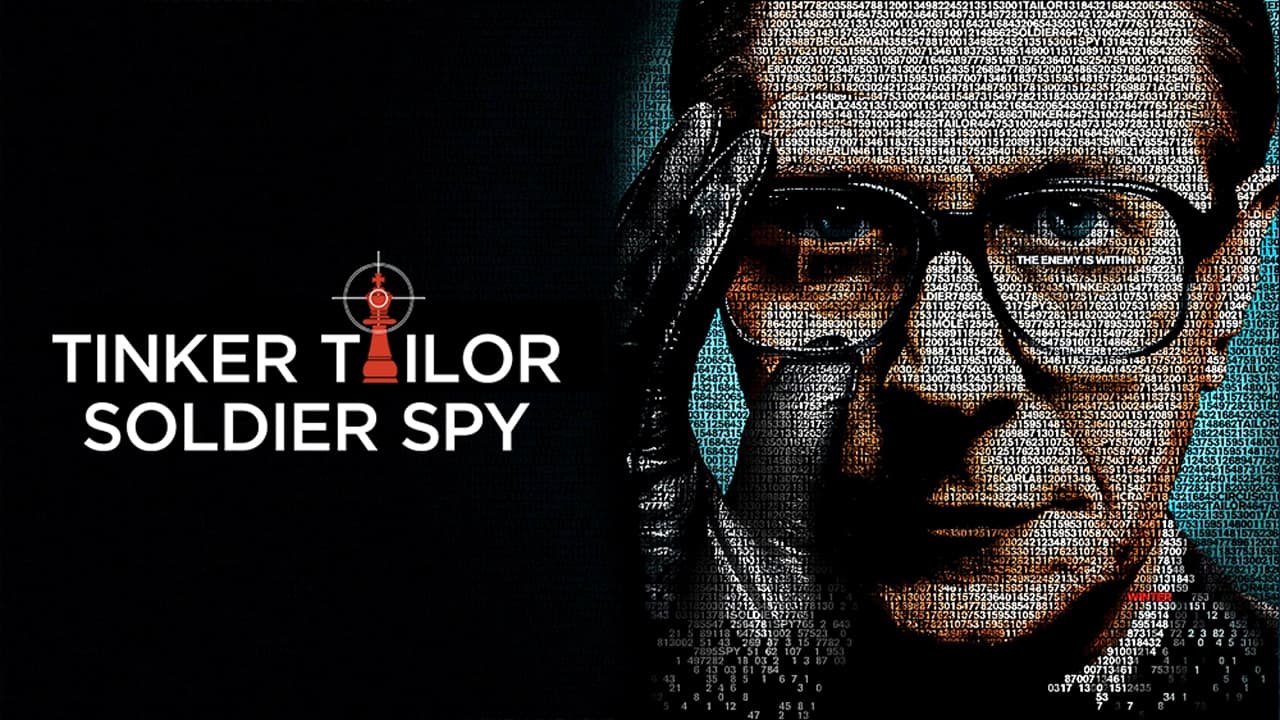
Gary Oldman reportedly tried on hundreds of pairs of glasses before settling on the iconic thick frames he wears, realizing that for Smiley, the glasses are his face. The legendary author of the original novel, John le Carré, actually has a cameo during the MI6 Christmas party scene. Look for the older gentleman in a festive hat. To get into character, Oldman ate a lot of custard and treacle sponges to gain a "middle-aged" paunch, wanting Smiley to look like he was made of soft edges. The sound design is famously layered; the production team used actual period-accurate recording equipment to ensure every "click" and "whir" sounded authentic to 1973. In a move that feels very "indie renaissance," the script was co-written by the late Bridget O'Connor, who sadly passed away before the film's release. The film is dedicated to her. The film’s ending, set to Julio Iglesias’s version of "La Mer," is widely considered one of the best-edited sequences of the 2010s, tying up five different character arcs without a single word of dialogue.
Tinker Tailor Soldier Spy is a rare breed of drama that trusts its audience to be as smart as its protagonist. It trades explosions for atmosphere and car chases for conversations, proving that sometimes the most thrilling thing on screen is a man sitting perfectly still in a chair. It’s a haunting, beautiful reassessment of the Cold War that feels more relevant every time I revisit it. If you’re looking for a film that stays with you long after the credits roll, this is the one to find.
---
Keep Exploring...
-

Trance
2013
-
Lucky Number Slevin
2006
-
The Skin I Live In
2011
-
A Walk Among the Tombstones
2014
-
The Skeleton Key
2005
-
Lost Highway
1997
-
Eyes Wide Shut
1999
-

The Game
1997
-
The Bone Collector
1999
-

Inland Empire
2006
-
Tell No One
2006
-
Disturbia
2007
-
In the Valley of Elah
2007
-
Body of Lies
2008
-
The Girl with the Dragon Tattoo
2009
-
The Debt
2010
-

Red Riding Hood
2011
-
Oldboy
2013
-
Kill the Messenger
2014
-
The Bank Job
2008