Tower Heist
"Justice is a solid gold Ferrari."
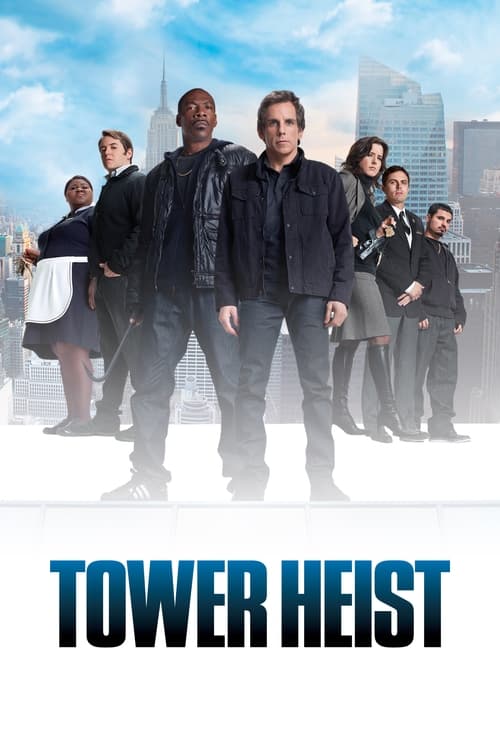
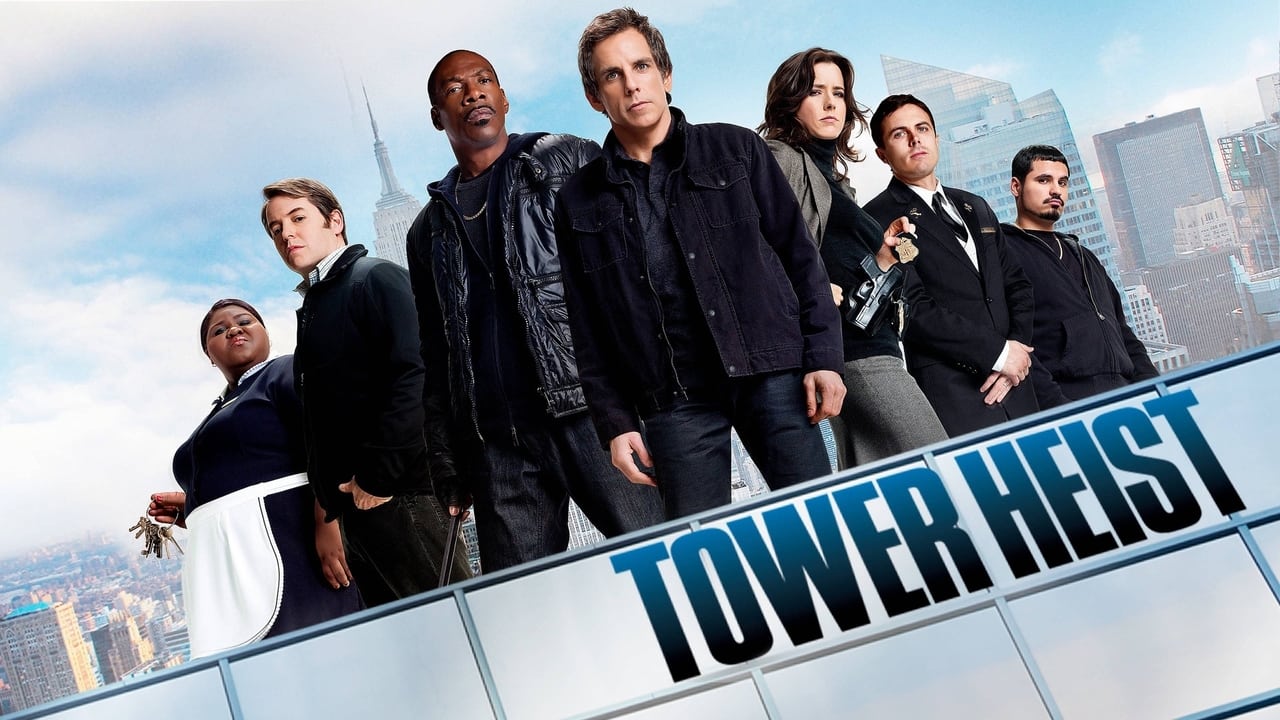
In late 2011, while the Occupy Wall Street movement was literally pitching tents in Zuccotti Park to protest financial greed, Universal Pictures released a film about a group of blue-collar workers dangling a solid gold car off the side of a Manhattan skyscraper. Talk about reading the room. Tower Heist arrived at the perfect cultural crossroads, serving as a breezy, "eat the rich" fantasy that felt less like a political manifesto and more like a high-stakes episode of The A-Team set in a Billionaire’s Row penthouse.
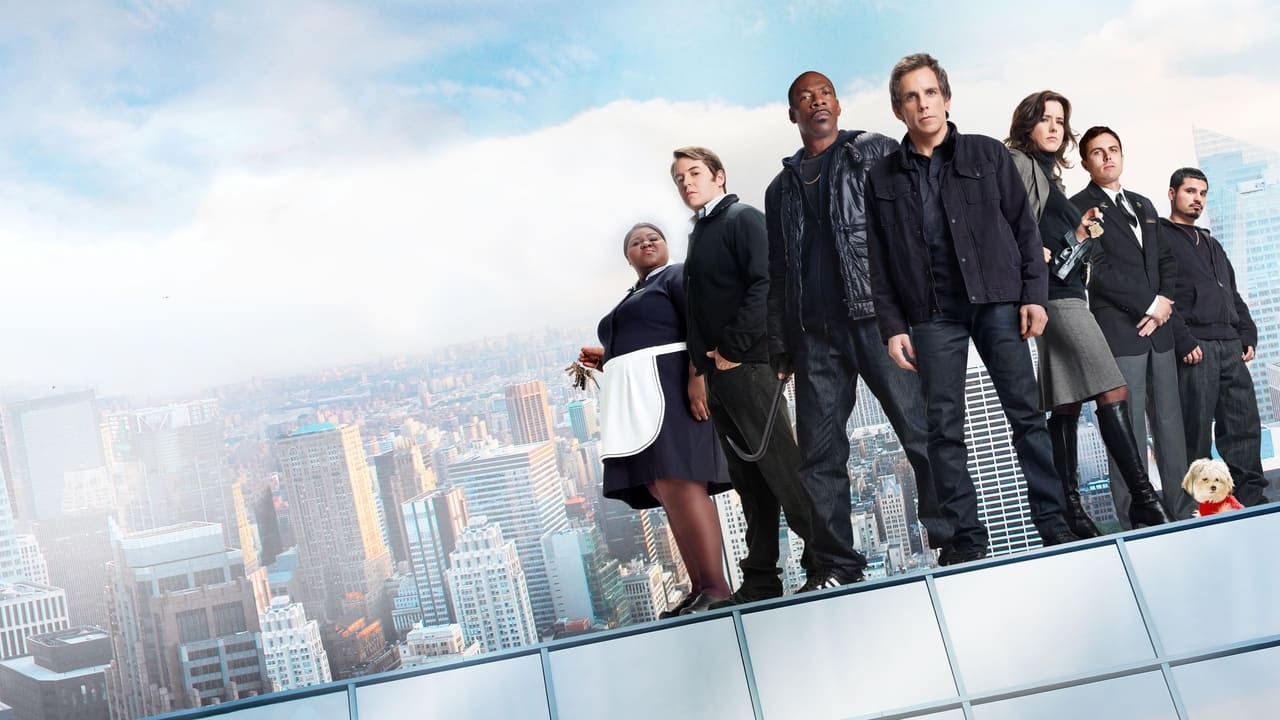
I actually watched this for the first time on a damp Tuesday night while eating a bowl of slightly burnt microwave popcorn that smelled vaguely of a campfire, and honestly, that charred aroma kind of suited the "burned by the man" energy of the film. It’s a movie that doesn't ask for your deep intellectual engagement; it just wants to show you a good time while Ben Stiller tries to look stressed out—which, let's be honest, is his natural state of being.
The Robin Hoods of the Upper West Side
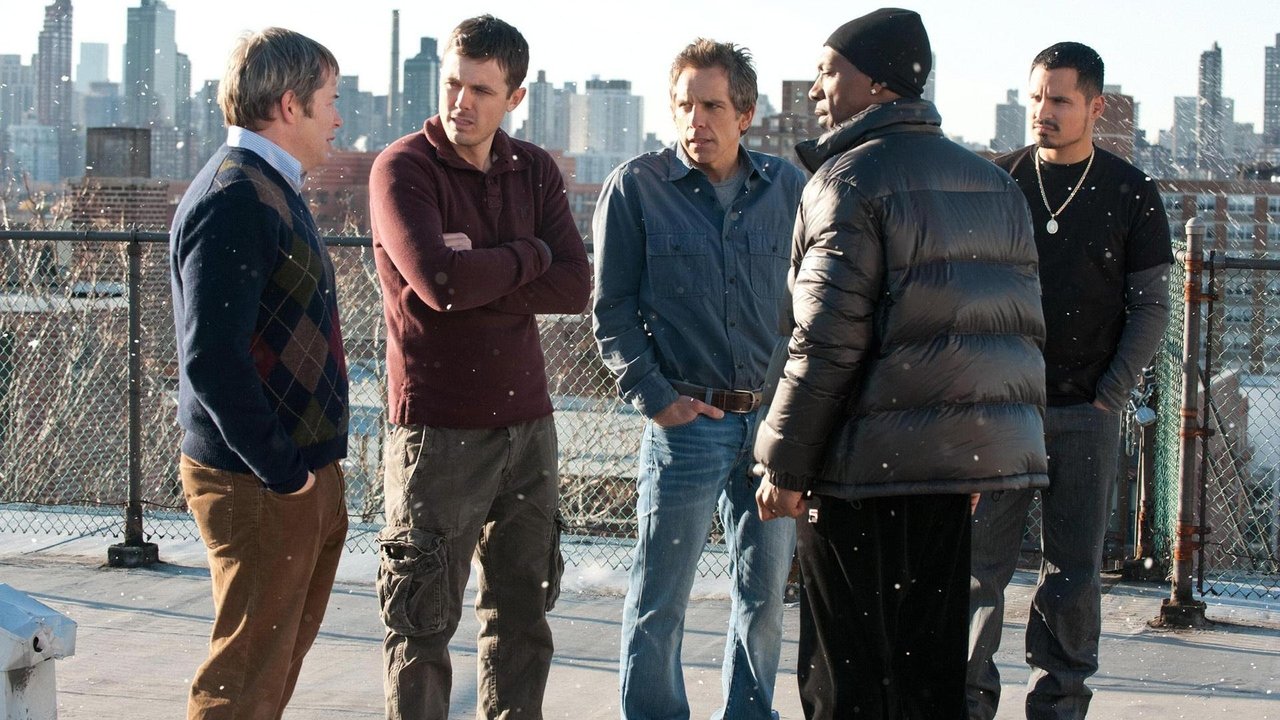
The setup is classic heist cinema, though it trades the cool professionalism of Ocean's Eleven (2001) for the frantic desperation of guys who don’t know a crowbar from a torque wrench. Ben Stiller plays Josh Kovacs, the manager of "The Tower," an ultra-luxury condo where the staff knows every resident's favorite brand of sparkling water. When the penthouse resident, a Madoff-clone named Arthur Shaw (played with delightful, punchable smugness by Alan Alda), gets indicted for a Ponzi scheme that wipes out the staff’s pensions, the movie shifts from a workplace comedy into a revenge thriller.
What works here is the chemistry of the "amateur" crew. You’ve got Casey Affleck as the lazy brother-in-law, Matthew Broderick playing a bankrupt sad-sack who’s lost his home and his dignity, and Stephen McKinley Henderson as the heart of the group. Watching these guys try to plan a robbery is the film's greatest strength. They aren't super-thieves; they’re guys who are just tired of being invisible.
The Murphy Renaissance (That Almost Was)
The real marketing hook in 2011, however, was the "return" of Eddie Murphy. After a decade of family-friendly comedies and voicing a certain donkey, Murphy stepped into the role of Slide, a petty crook brought in to teach the "white boys" how to steal. Slide is easily the most energetic thing in the movie. It’s a glimpse of the vintage, fast-talking Eddie we loved in Beverly Hills Cop (1984), even if the PG-13 rating keeps him on a bit of a leash.
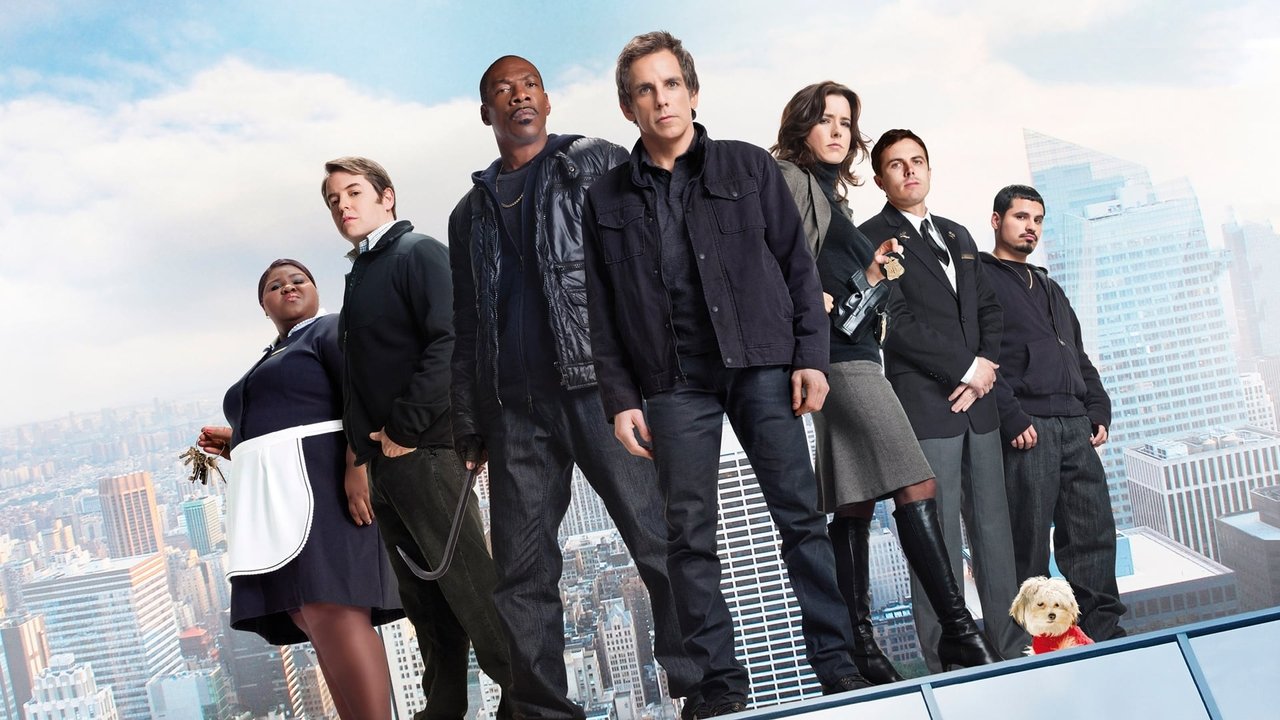
Apparently, the film was originally pitched years earlier as an all-Black version of Ocean's Eleven starring Murphy, Chris Rock, and Dave Chappelle. While the final version is more of a traditional ensemble, you can still feel the remnants of that sharper, edgier pitch in Murphy’s scenes. His "training" sequences—teaching the crew how to pick locks using a safety pin in a rainstorm—are comedic gold. Honestly, Brett Ratner’s best movie is still just a very expensive episode of a sitcom with better lighting, but Murphy makes it feel like a theatrical event.
Gravity-Defying Gold and Practical Magic
Where the "Action" part of Action-Comedy kicks in is the final act. Director Brett Ratner has always been a bit of a journeyman, but he knows how to stage a set piece. The heist takes place during the Macy’s Thanksgiving Day Parade, which adds a chaotic, colorful backdrop to the tension. The centerpiece is the Ferrari 250 GT Lusso—allegedly once owned by Steve McQueen—which is hidden in Shaw's apartment.
The sequence where they hoist the car out of the window is surprisingly tense. While there’s certainly some digital wizardry involved, the production actually built a few replica Ferraris, including one that weighed a literal ton and was reinforced with steel so they could actually hang it off a building. That physical weight translates on screen. You feel the grit and the height, a far cry from the weightless CGI car chases we often see in the modern MCU era. It captures that 2011 sweet spot where directors were still trying to balance the "real" with the "rendered."
Stuff You Didn't Notice
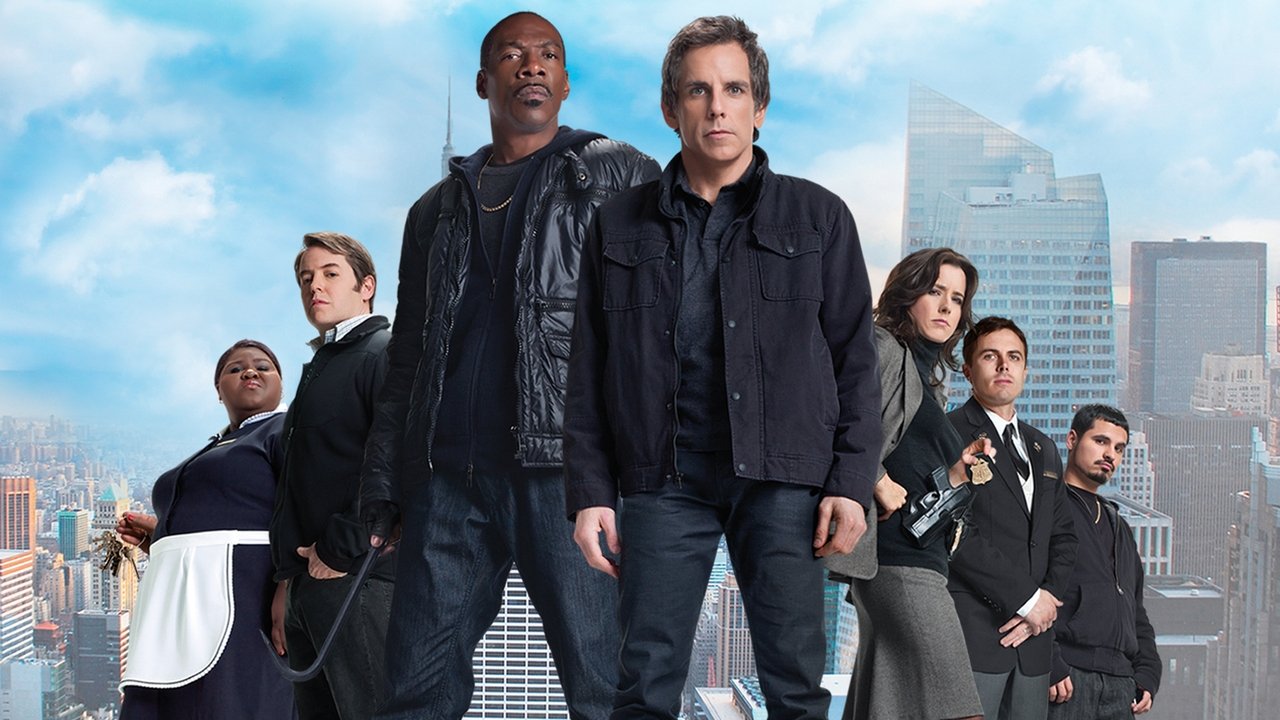
Looking back, Tower Heist has some fascinating "what-if" DNA attached to it. For one, the "Tower" itself is actually the Trump International Hotel & Tower in New York. The irony of filming a movie about a corrupt billionaire there is… well, it’s a lot to process in retrospect.
Behind the scenes, this movie almost upended the entire film industry. Universal originally planned to release the movie on Video-On-Demand (VOD) just three weeks after its theatrical debut for a premium price of $60. Theater owners went nuclear, threatening to boycott the film entirely, and Universal backed down. It was one of the first major skirmishes in the "streaming vs. cinema" war that we’re still fighting today. Also, trivia fans might find it wild that Sidney Lumet—the legend behind Dog Day Afternoon—was at one point in talks to direct an earlier draft of this script. Imagine the grit that would have brought!
Tower Heist isn't going to change your life, but it’s a remarkably sturdy piece of entertainment. It’s a relic from a time when a mid-budget heist movie could bank on star power and a relatable "screw the boss" premise without needing to set up a five-movie cinematic universe. It’s funny, the action has actual stakes, and Alan Alda is so good at being bad that you'll be cheering for that Ferrari to drop. If you’re looking for a fun 100 minutes to kill before the bus arrives, you could do a lot worse than Josh Kovacs and his crew of accidental outlaws.
Keep Exploring...
-

Rush Hour 3
2007
-
Rush Hour 2
2001
-
Night at the Museum: Battle of the Smithsonian
2009
-
Killers
2010
-
Rush Hour
1998
-

Night at the Museum
2006
-
Get Smart
2008
-
Megamind
2010
-
The A-Team
2010
-

The Green Hornet
2011
-

Brave
2012
-

Men in Black 3
2012
-
The Watch
2012
-
This Means War
2012
-
2 Guns
2013
-
RED 2
2013
-
R.I.P.D.
2013
-
Tropic Thunder
2008
-

X-Men: The Last Stand
2006
-
Hercules
2014