Unknown
"Your identity isn't yours anymore."
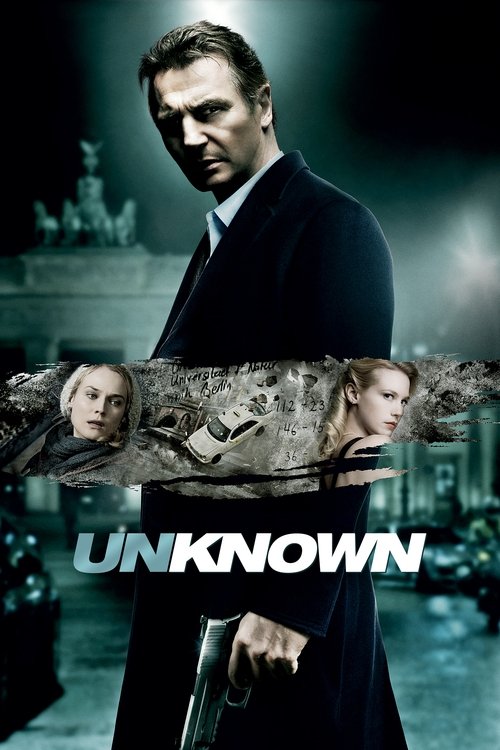
There was a specific window in the early 2010s where Liam Neeson could have starred in a 90-minute film about trying to find a lost library book and it would have still felt like a high-stakes geopolitical crisis. We were deep in the "Neeson-issance," that post-Taken (2008) era where the industry realized that putting a grieving or confused Irishman in a grey coat and letting him punch people in European cities was essentially a license to print money. I watched Unknown recently on a Tuesday afternoon while my neighbor was loudly practicing the bagpipes, and honestly, the sheer, icy tension of the film managed to drown out the Highland wailing.
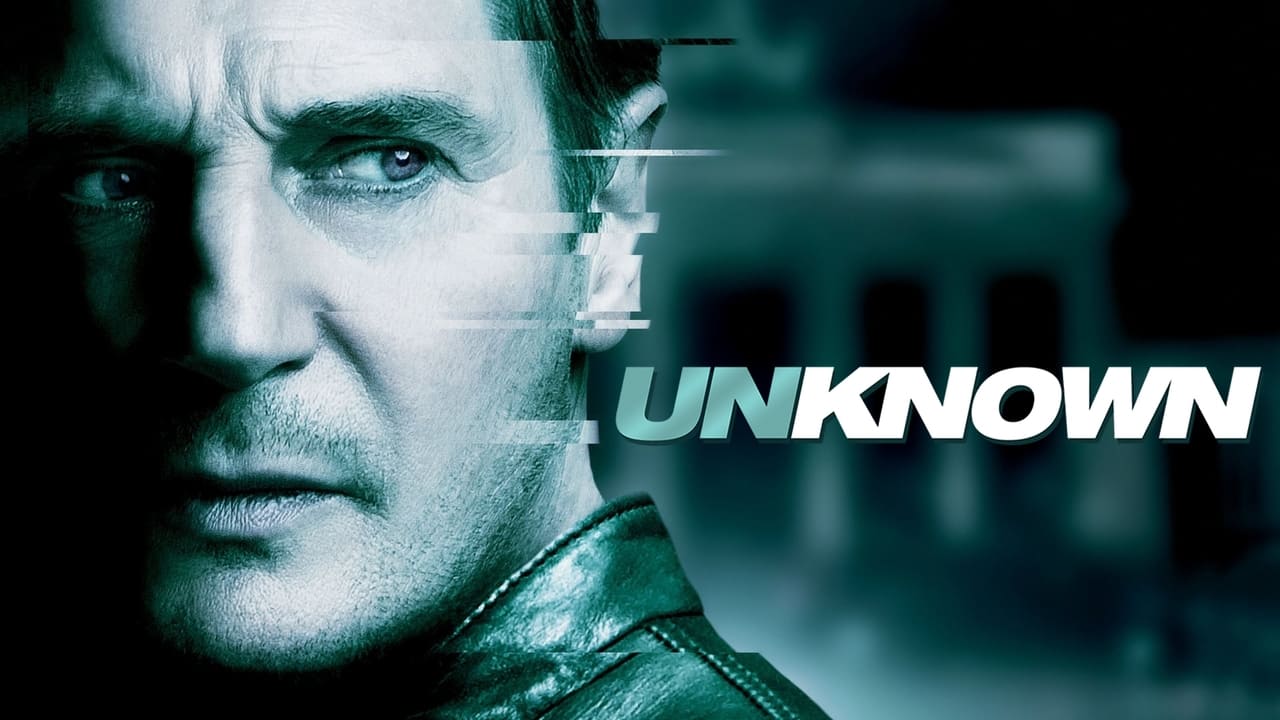
The Hitchcockian Cold Front
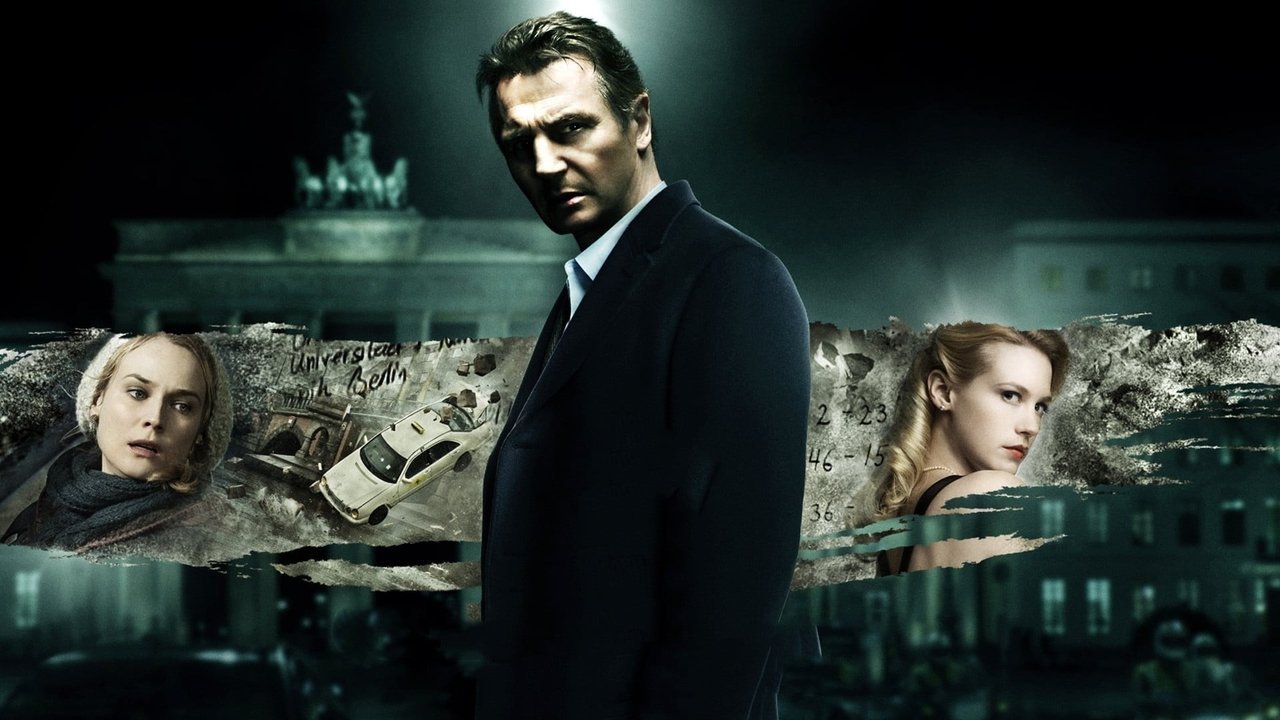
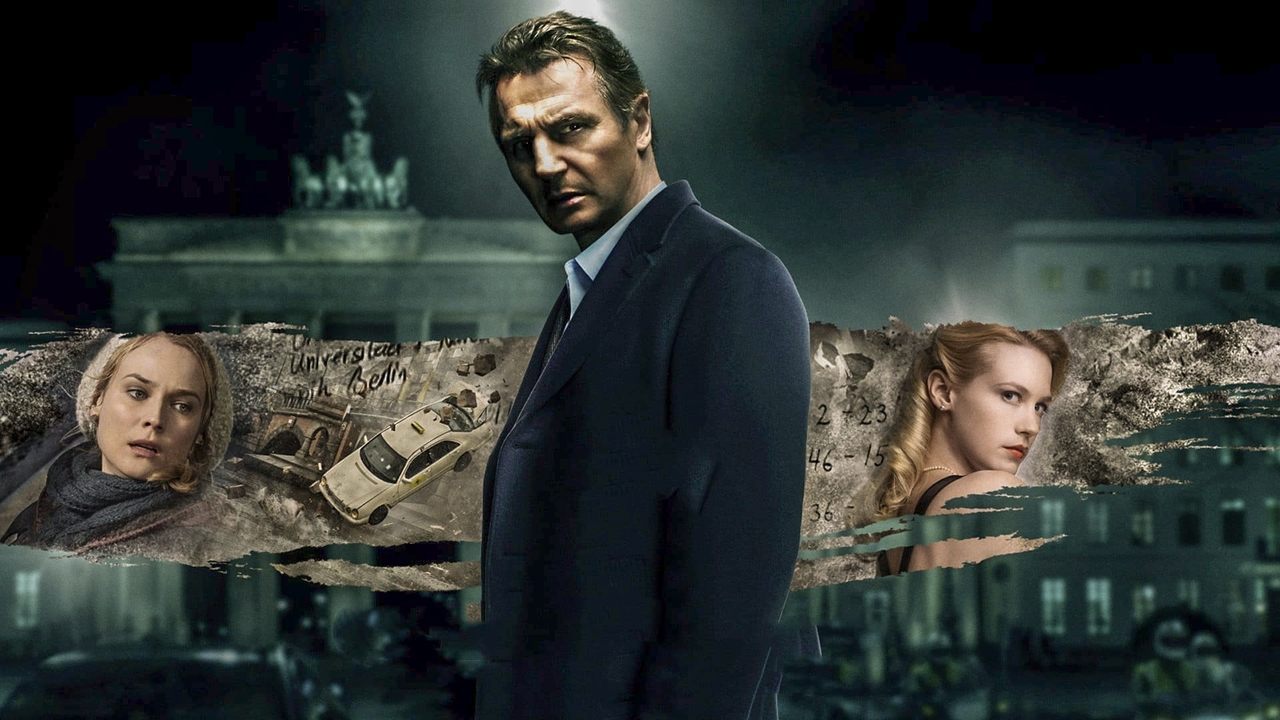
Directed by Jaume Collet-Serra, a filmmaker who would eventually become Neeson’s primary collaborator in the "Middle-Aged Man in Peril" genre (see Non-Stop or The Commuter), Unknown is a classic "wrong man" thriller that feels like it was cryogenically frozen in 1955 and thawed out in a gloomy, unified Berlin. Neeson plays Dr. Martin Harris, a biotech scholar who arrives in Germany for a conference, forgets his briefcase at the airport, gets into a car accident, and wakes up from a four-day coma to find that his wife (January Jones) doesn't recognize him. Worse, another man (Aidan Quinn) is standing next to her, claiming to be the real Martin Harris.
It’s a fantastic hook. It’s the kind of high-concept premise that fueled the DVD culture of the era—the sort of movie you’d see on a shelf at Blockbuster (during its final breaths) and think, "Yeah, I'll give that two hours." Unlike the hyper-edited chaos of the Bourne sequels that were still influencing action cinema at the time, Collet-Serra opts for a cleaner, more deliberate look. The cinematography by Flavio Martínez Labiano treats Berlin like a character made of steel and glass, emphasizing the isolation of a man who has been erased from his own life.
Stunts, Steel, and Mercedes-Benz
While the plot leans heavily on mystery, the film’s financial success—raking in over $130 million on a modest $30 million budget—was driven by its ability to deliver "Dad Action" with genuine craft. The standout sequence involves a high-speed car chase through the streets of Berlin featuring those iconic beige Mercedes-Benz taxis. Unlike the CGI-heavy spectacles we see today, there is a refreshing weight to the metal here. When cars collide in Unknown, you feel the crunch.
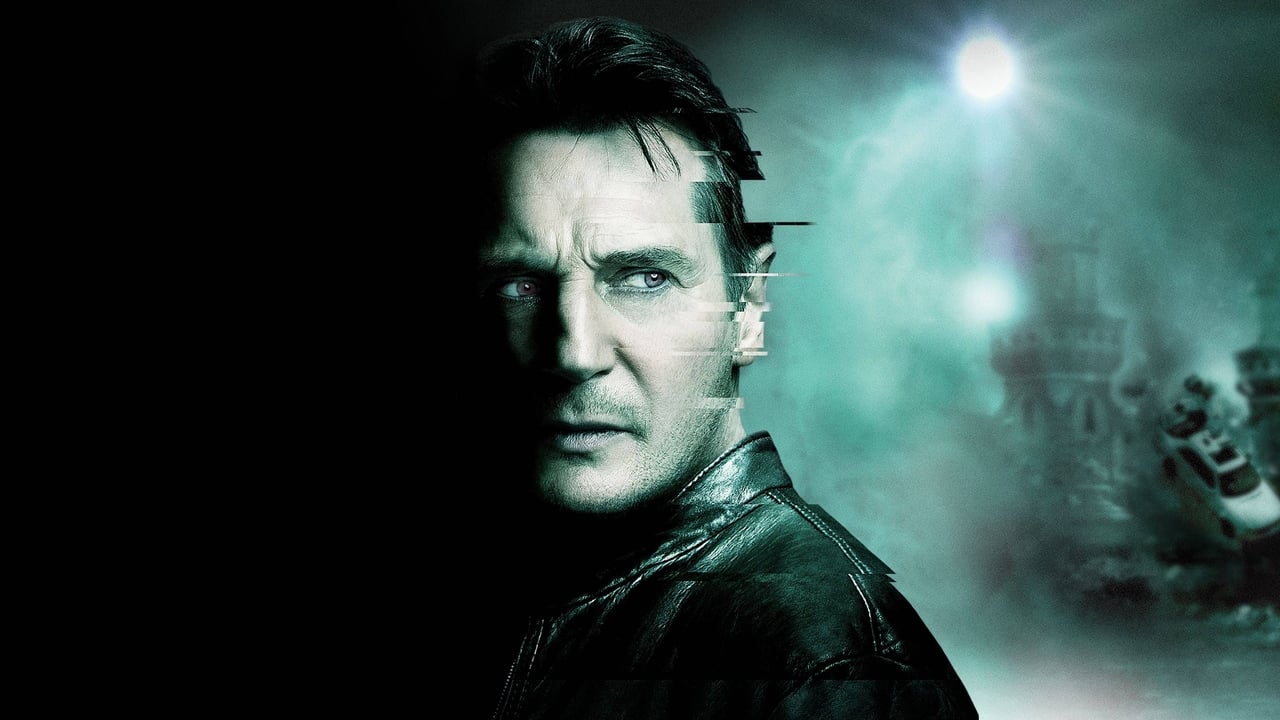
The production utilized real locations, including the Adlon Hotel and Friedrichstraße, which adds a layer of cold-war-era grit that digital sets simply can't replicate. The film arrived during that transition period where filmmakers were still leaning on practical stunt teams while using digital color grading to create that desaturated, "serious" thriller atmosphere. Liam Neeson’s throat-punching era was the last gasp of the "Adult Movie" before Marvel ate the cinematic world, and there’s something comforting about the physical reality of the stunts here. He isn't a superhero; he’s just a very determined, very confused man who looks like he really needs a nap and a Guinness.
A Masterclass in Supporting Gravity
What elevates Unknown above the standard bargain-bin thriller is the supporting cast. If you’re going to make a movie about identity and secrets in Berlin, you might as well hire the man who played Hitler in Downfall (2004). The late Bruno Ganz shows up as Ernst Jürgen, a former Stasi officer turned private investigator. His scenes with Frank Langella (playing an old colleague of Martin’s) are the highlight of the film.
Watching two titans of the screen sit in a dimly lit apartment, discussing the nature of memory and the ruthlessness of the German secret police, provides a narrative texture that the film’s "twist" doesn't necessarily deserve, but certainly benefits from. Diane Kruger also puts in the work as Gina, the undocumented taxi driver who helps Martin. She brings a necessary groundedness to a plot that, by the third act, starts to lean into some fairly ridiculous territory involving international conspiracies and botanical science.
Looking back, Unknown represents the peak of the mid-budget studio thriller. It doesn't overstay its welcome, it respects the audience's intelligence just enough to keep the mystery humming, and it understands that we are mostly there to see Neeson look intensely worried while outsmarting younger, fitter assassins. It’s a film that captured the post-9/11 anxiety of "erasure"—the fear that in our interconnected, digital world, our entire existence could be switched off with a single keystroke or a well-placed impostor.
The film is a sturdy piece of craftsmanship that reminds me why we used to go to the movies just to see a professional do their job. It doesn’t reinvent the wheel, but it keeps the car on the road and the engine running at a high RPM. If you can forgive a final act that gets a little too "Hollywood" for its own good, it’s a journey worth taking. It’s the cinematic equivalent of a solid steak frites—predictable, perhaps, but deeply satisfying when prepared by people who know exactly what they’re doing.
Keep Exploring...
-
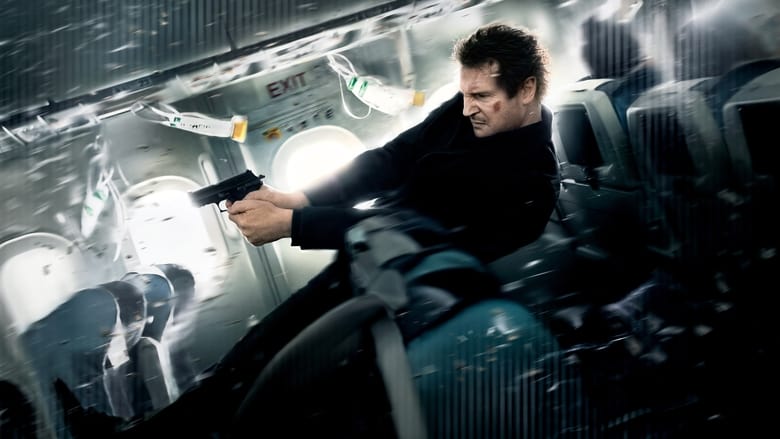
Non-Stop
2014
-
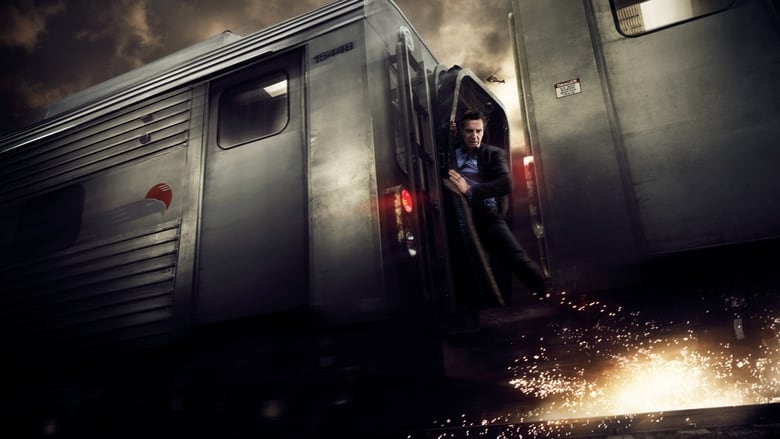
The Commuter
2018
-
National Treasure: Book of Secrets
2007
-
The Maze Runner
2014
-
The Bourne Ultimatum
2007
-

Knowing
2009
-

National Treasure
2004
-
In the Line of Fire
1993
-
The Net
1995
-

House of Wax
2005
-
Taken
2008
-
Taken 2
2012
-
The Bourne Identity
2002
-
Pandorum
2009
-
The Losers
2010
-
Run All Night
2015
-
The Grey
2012
-
A Walk Among the Tombstones
2014
-
Taken 3
2014
-

Eagle Eye
2008