War Horse
"A silent witness to a loud, broken world."
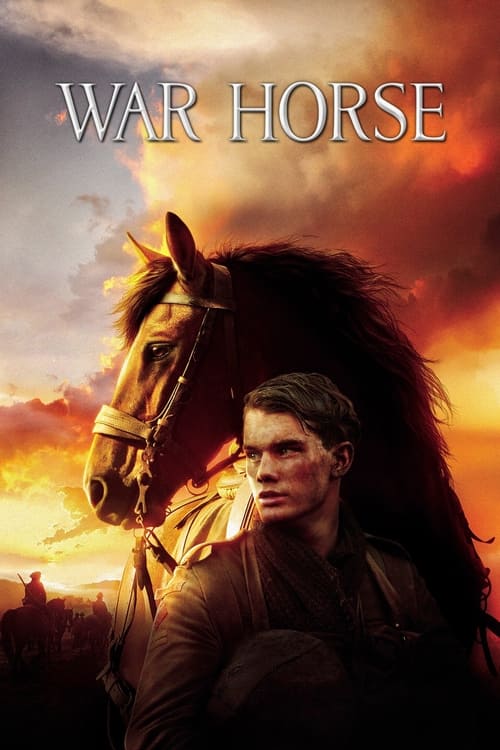
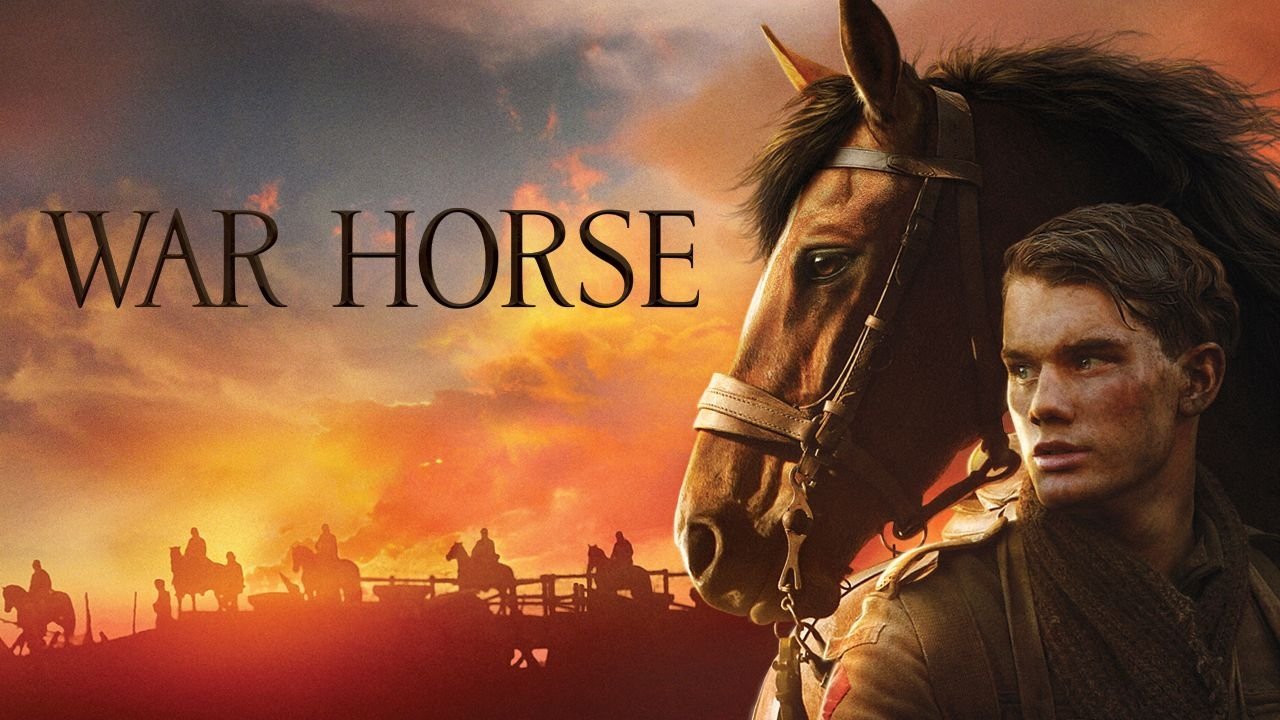
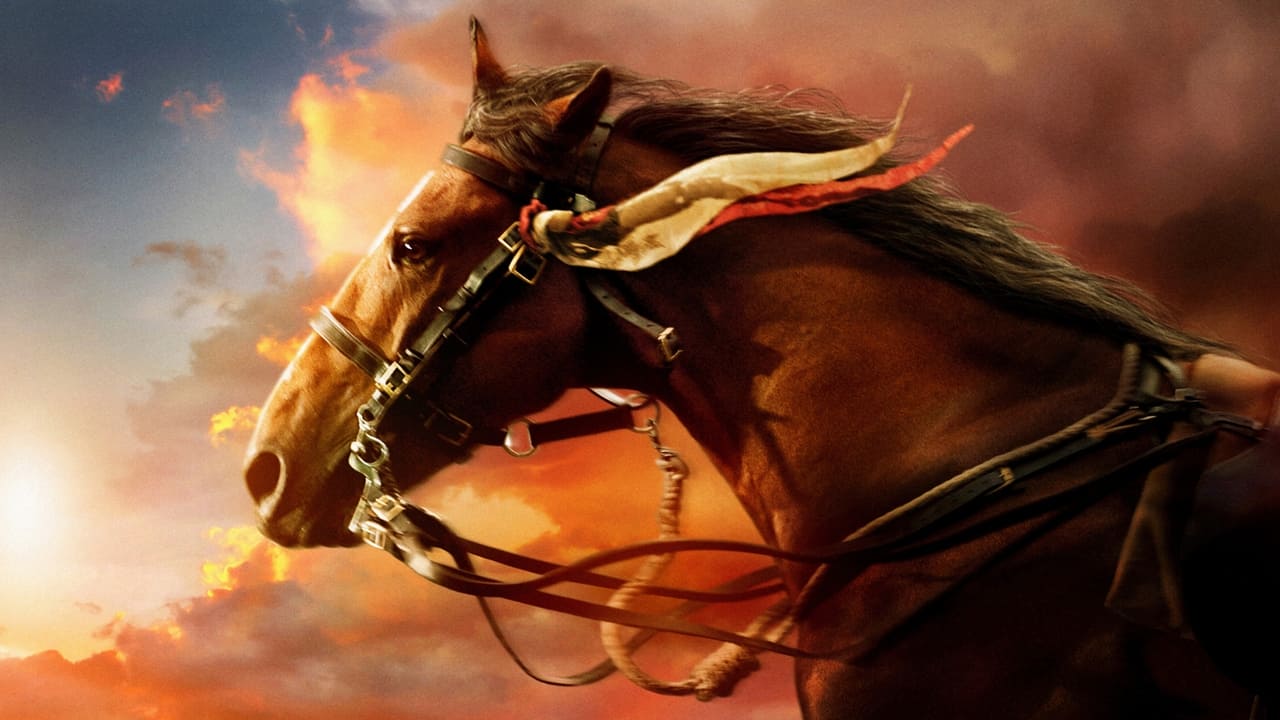
The first time I saw a horse jump over a tank, I realized Steven Spielberg had finally decided to make a silent movie with a sixty-million-dollar budget. There is a specific, heart-stopping image in War Horse where Joey, our equine protagonist, is silhouetted against a Devon sunset so saturated it looks like the sky is actually bleeding. It’s the kind of unashamed, maximalist filmmaking that feels almost illegal today. I remember watching this on a portable DVD player while waiting for a delayed flight in 2012, and the battery died exactly when the horse hit the barbed wire in No Man’s Land. I spent the next three hours in the air staring at a blank screen, genuinely haunted by the fate of a creature that doesn’t have a single line of dialogue.
The Mechanics of an Old-School Epic
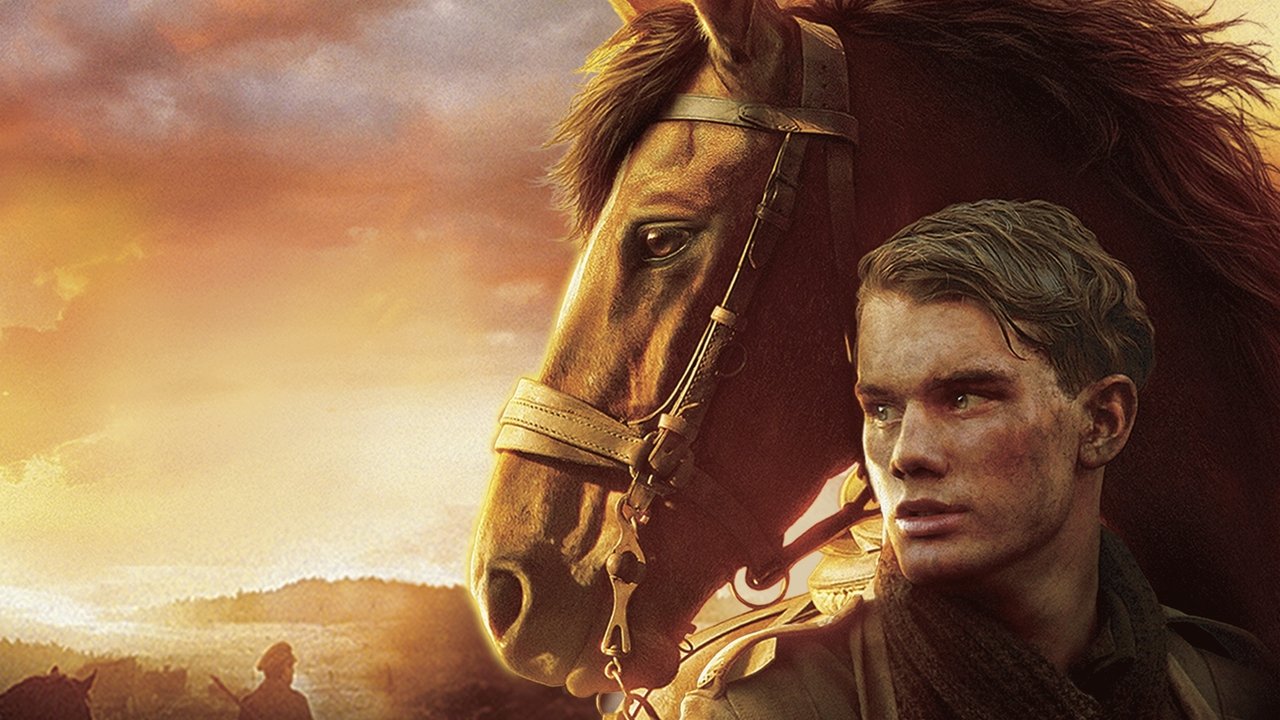
Looking back from our current era of "gray sludge" digital cinematography, War Horse feels like a defiant act of beauty. Steven Spielberg and his longtime cinematographer Janusz Kamiński (the man behind the gritty look of Saving Private Ryan) went in the opposite direction here. They leaned into a lush, Technicolor-inspired aesthetic that screams John Ford. While 2011 was a year where Hollywood was fully pivoting to digital, War Horse was shot on 35mm film, and you can feel the texture of the English mud and the grain of the French wheat fields in every frame.
The story is deceptively simple: a boy named Albert (Jeremy Irvine, in a remarkably earnest debut) loses his horse to the British cavalry at the start of WWI. The film then abandons the boy for a good hour, following the horse, Joey, as he passes through the hands of British officers, German deserters, and a French grandfather (Niels Arestrup). It’s an episodic adventure that feels like a series of short stories held together by a four-legged MacGuffin. The structure is basically Lassie if Lassie had to dodge a Maxim machine gun.
A Somber Kind of Adventure
Don't let the "family adventure" marketing of the era fool you—this movie gets dark. Because it’s Spielberg, the "adventure" is frequently interrupted by the cold, mechanical horror of modern warfare. There is a cavalry charge early in the film featuring Tom Hiddleston (just months before he became a global icon in The Avengers) and Benedict Cumberbatch (right as Sherlock was peaking). It starts as a glorious, swashbuckling moment of 19th-century bravery and ends in a massacre that proves horses are no match for industrialization.
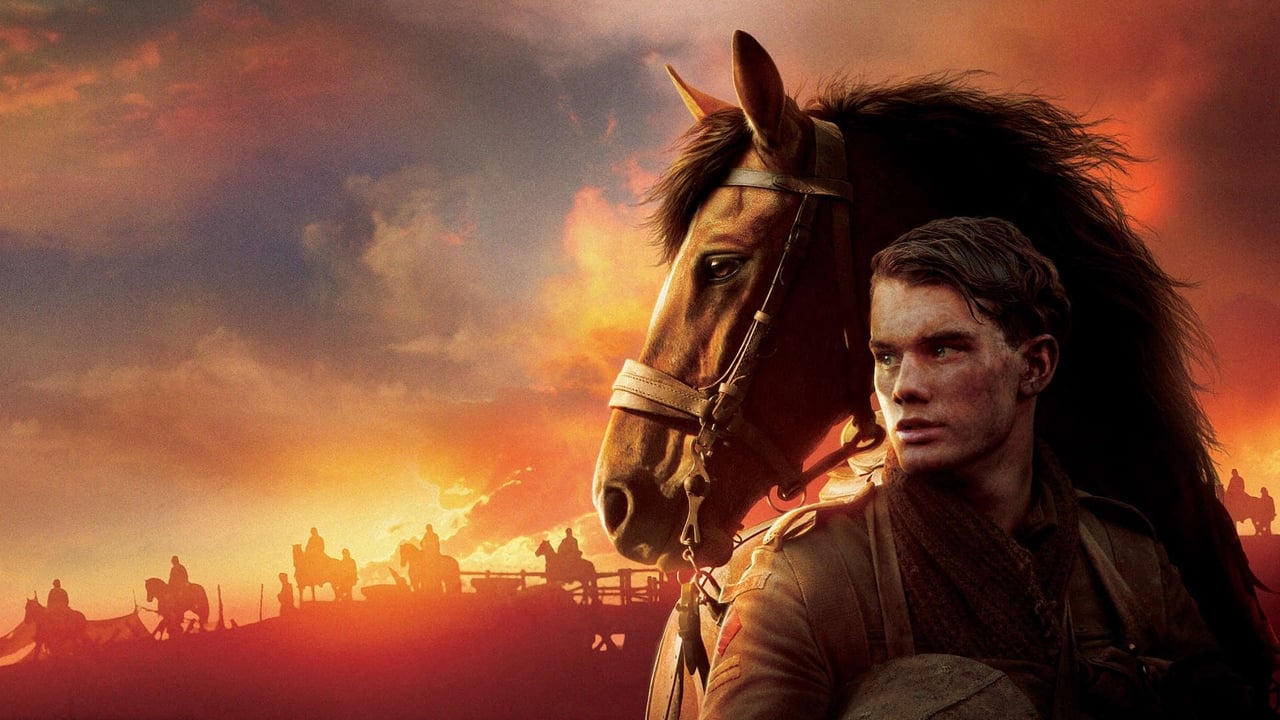
The stakes aren't just about whether Joey survives; they’re about whether any shred of humanity survives the trenches. The "No Man’s Land" sequence remains one of the most intense things Spielberg has ever shot. When Joey is trapped in the wire, a British soldier and a German soldier crawl out to help him, sharing a pair of wire cutters and a few jokes before retreating back to their respective hells. It’s a moment of profound moral complexity that manages to be moving without being saccharine—a rare feat for a movie that is essentially about a very talented animal.
The Cult of the Sincere
When War Horse came out, it was labeled as "Oscar bait," but in the years since, it has developed a fascinating cult following among history buffs and cinema purists. It’s a film that demands you surrender your cynicism at the door. If you can’t get on board with Peter Mullan and Emily Watson playing hard-scrabble farmers who treat a horse like a son, you’re going to have a rough 146 minutes.
But if you appreciate the craft, there’s so much to find. The DVD extras from back in the day—which I obsessively watched once I finally found a charger—revealed that they used fourteen different horses to play Joey. The trainers had to teach them how to "act" distressed or relieved without using the kind of heavy-handed CGI that would later dominate films like The Lion King remake. The fact that we can see a horse’s ears twitch in genuine reaction to a tank engine is infinitely more impressive than any $200-million digital creation.
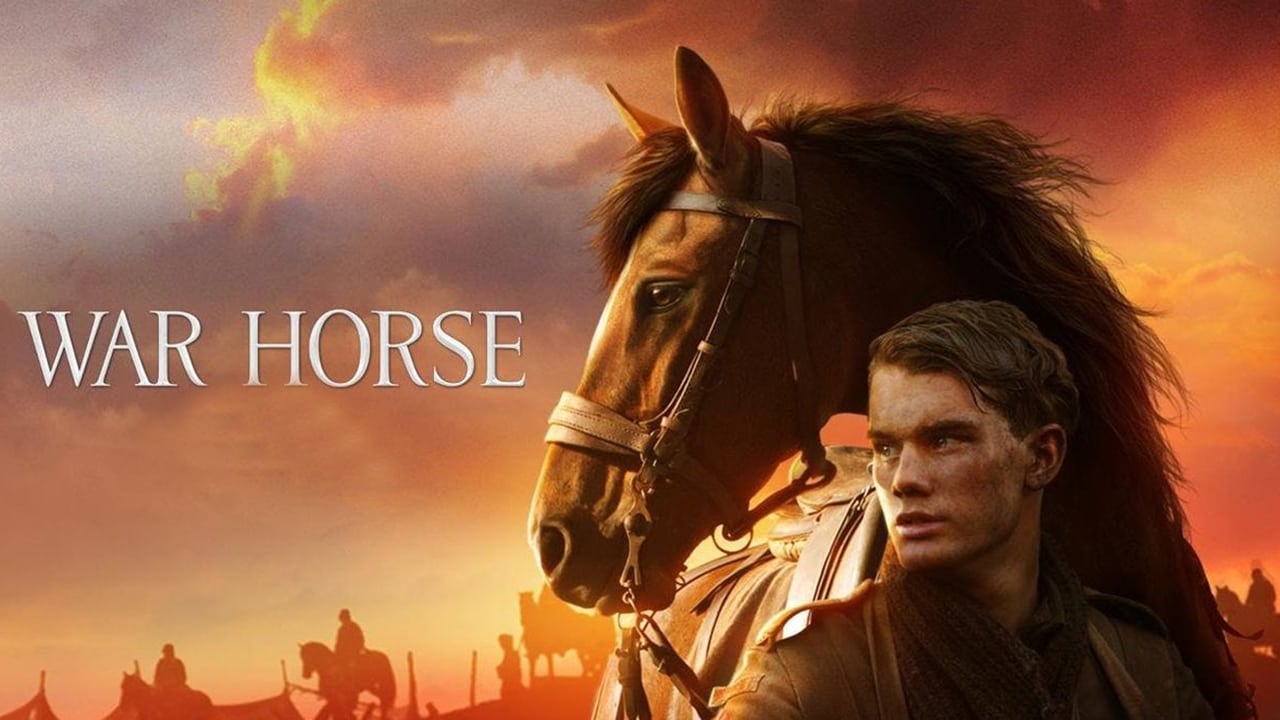
Even the score by John Williams feels like a throwback. It doesn't just underscore the action; it carries the emotional weight that the silent protagonist can’t express. Looking back, War Horse was one of the last gasps of the mid-budget, high-concept historical epic. It’s a film that trusts the audience to care about a creature’s journey through the worst event in human history, and it does so with a technical precision that is increasingly rare.
Stuff You Didn't Notice
Tom Hiddleston and Benedict Cumberbatch actually went to "horse boot camp" together to learn how to ride in the traditional cavalry style of 1914. The "barbed wire" used in the intense No Man's Land scene was actually made of soft rubber to ensure the horses weren't in any danger. The film is based on a children’s novel, but the stage play used life-sized puppets. Spielberg reportedly briefly considered puppets before deciding he needed the "reality" of live animals. The grandfather’s house in France was actually a set built on a hill in England; Janusz Kamiński used specific filters to make the English countryside look like a French painting. * The scene where the horses pull the massive siege gun was inspired by actual historical accounts of "the Great Pull," where hundreds of horses died from exhaustion.
War Horse is a film that wears its heart on its sleeve and its mud on its boots. It’s a gorgeous, occasionally brutal reminder of what "Adventure" used to look like before it was swallowed by multi-film franchises and green-screen stages. It’s a movie about the bond between man and beast, sure, but it’s also a masterclass in how to use the camera to tell a story when words aren't enough. Grab a tissue, turn off your phone, and let Spielberg take you on a ride that feels as big as the sky.
Keep Exploring...
-
Kingdom of Heaven
2005
-
Saving Private Ryan
1998
-
Red Cliff
2008
-
Munich
2005
-
Rurouni Kenshin Part I: Origins
2012
-
The Adventures of Tintin
2011
-
Empire of the Sun
1987
-
King Arthur
2004
-
The Thin Red Line
1998
-
The Patriot
2000
-
Black Hawk Down
2001
-
Enemy at the Gates
2001
-
We Were Soldiers
2002
-
Master and Commander: The Far Side of the World
2003
-
Troy
2004
-
Schindler's List
1993
-
A.I. Artificial Intelligence
2001
-
The Boy in the Striped Pyjamas
2008
-
The Last of the Mohicans
1992
-
Hotel Rwanda
2004