Warrior
"Two brothers. One cage. A lifetime of hurt."
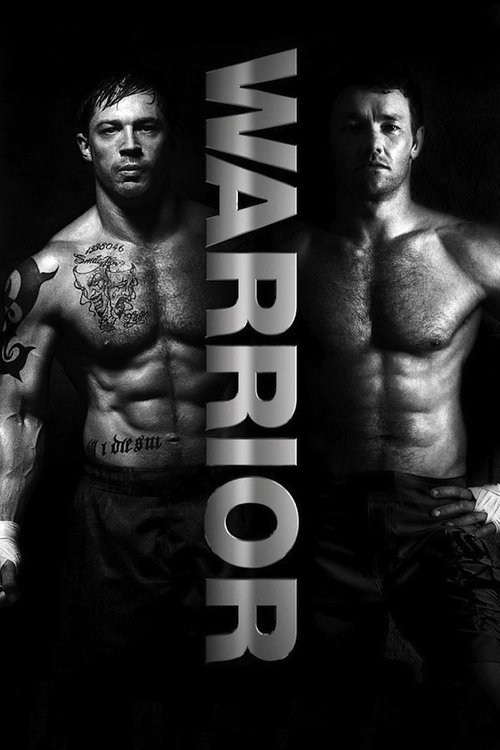
It’s rare to find a film that feels like a physical endurance test for the audience, but Warrior manages to leave you feeling like you’ve personally gone twelve rounds with a heavy bag. I first saw this on a flickering laptop screen in a college dorm while my roommate was loudly eating Cheetos, and even through that low-res distraction, the sheer emotional gravity of the final fifteen minutes leveled me. It’s a sports movie that uses the octagon as a confessional booth, proving that sometimes the only way to say "I love you" is with a rear-naked choke.
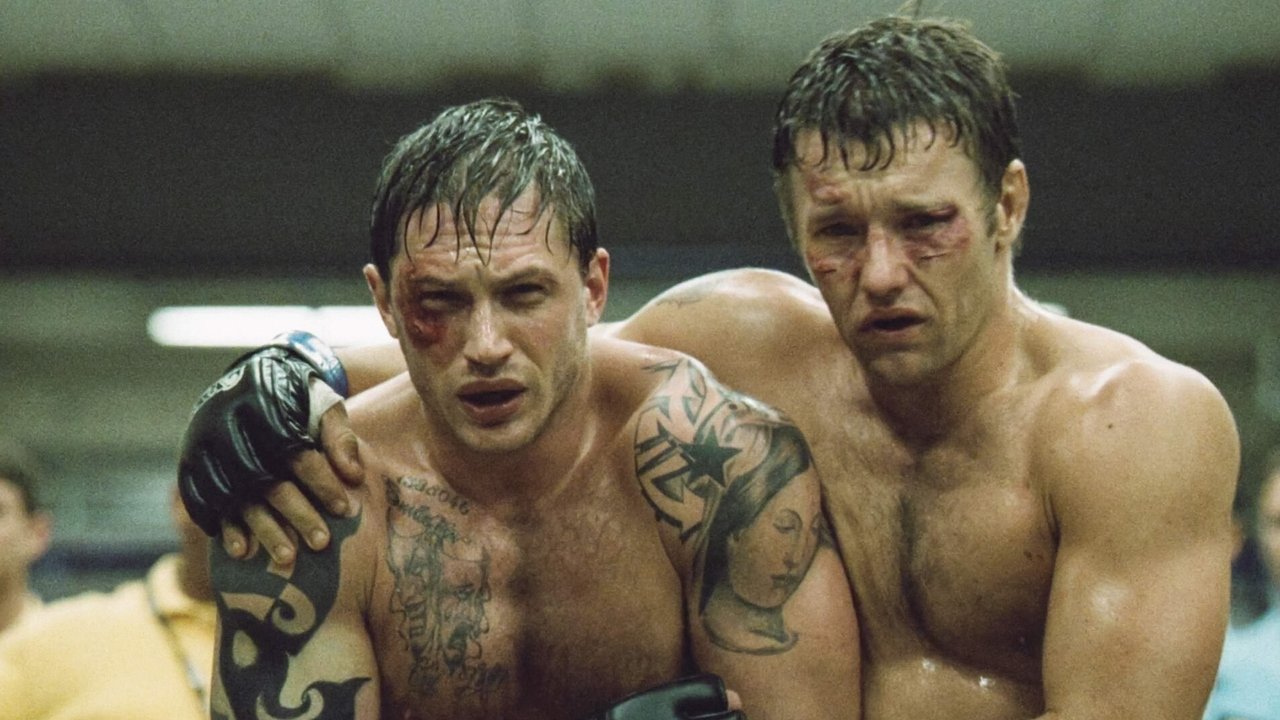
Released in 2011, Warrior arrived at a fascinating crossroads for both cinema and culture. Mixed Martial Arts (MMA) was shedding its "human cockfighting" label and entering the mainstream, but Hollywood hadn't quite figured out how to film it without looking like a cutscene from a video game. Director Gavin O'Connor (who previously captured the ice-cold grit of Miracle) decided to treat the sport with the same somber reverence usually reserved for 1970s character dramas. It’s a film from that brief window in the early 2010s where gritty realism wasn't just a stylistic choice—it was the law.
The Monster and the Teacher
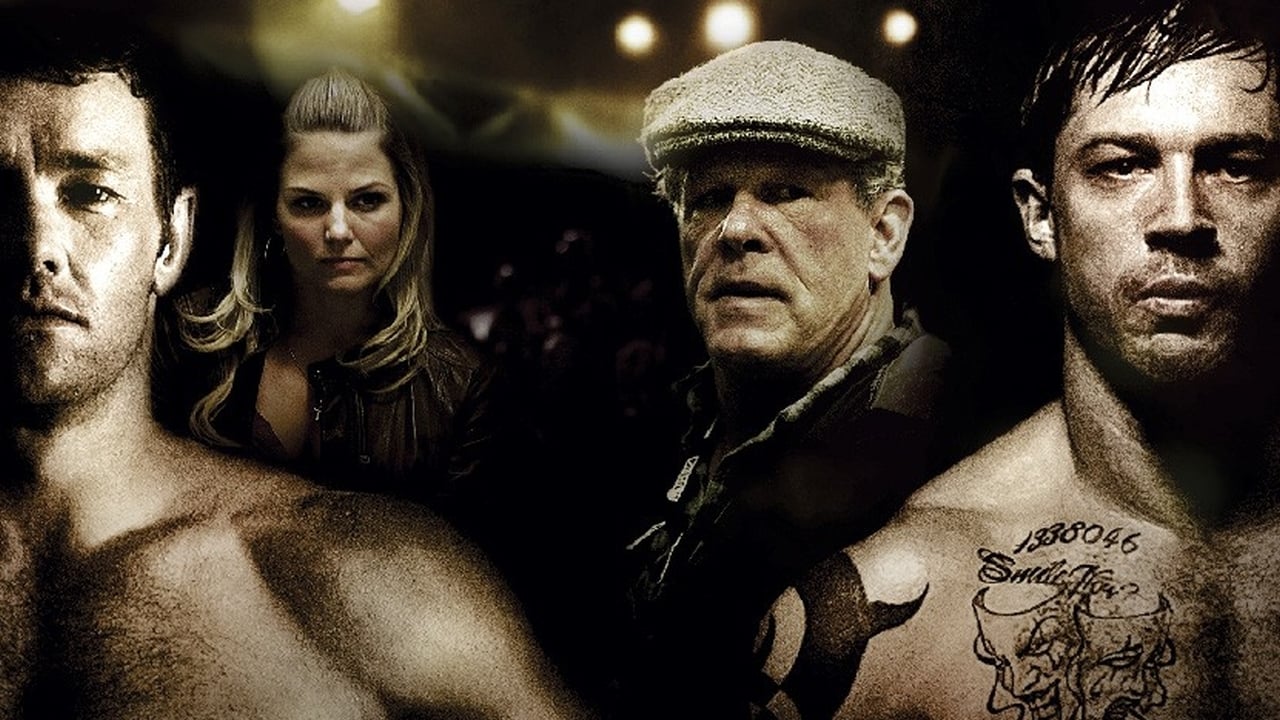
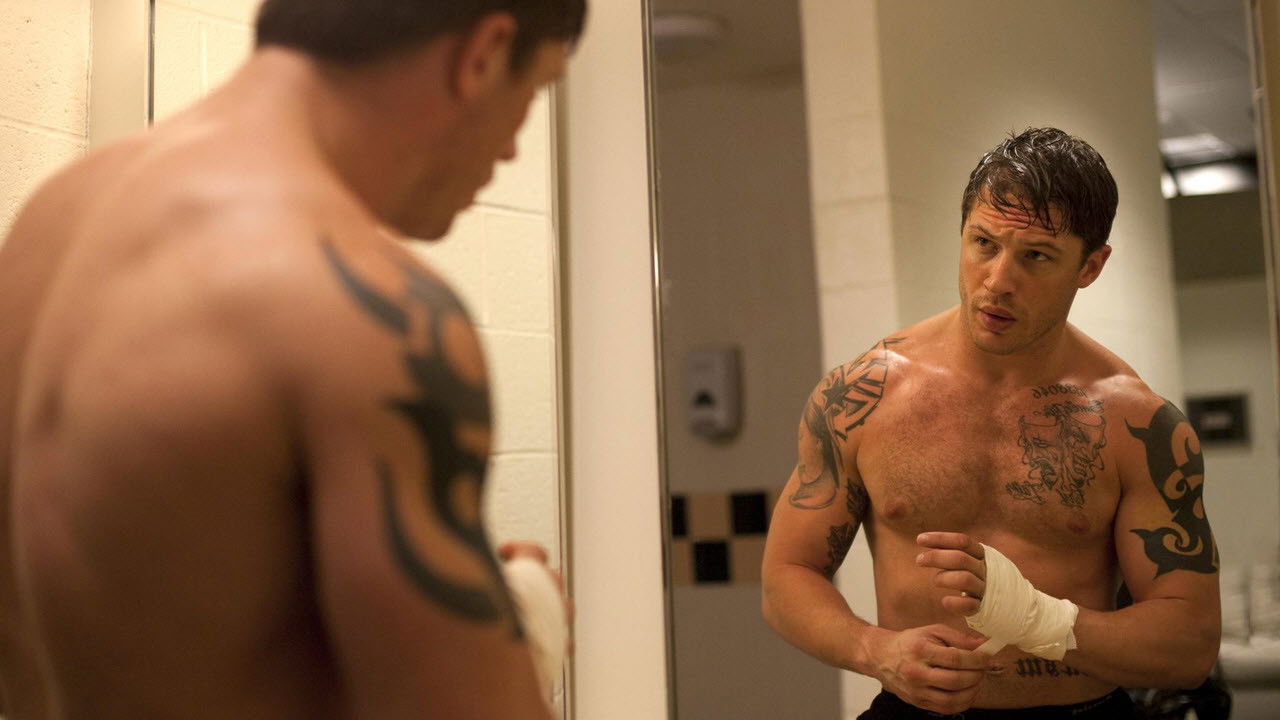
The story is a classic double-helix. On one side, you have Tommy Riordan (Tom Hardy), a hulking, silent wrecking ball of a man who looks like he’s made of scar tissue and resentment. Tommy returns to his hometown to train with his estranged, recovering alcoholic father, Paddy (Nick Nolte). On the other side, there’s Brendan Conlon (Joel Edgerton), Tommy’s older brother, a physics teacher and family man who starts moonlighting in parking lot brawls to save his house from foreclosure.
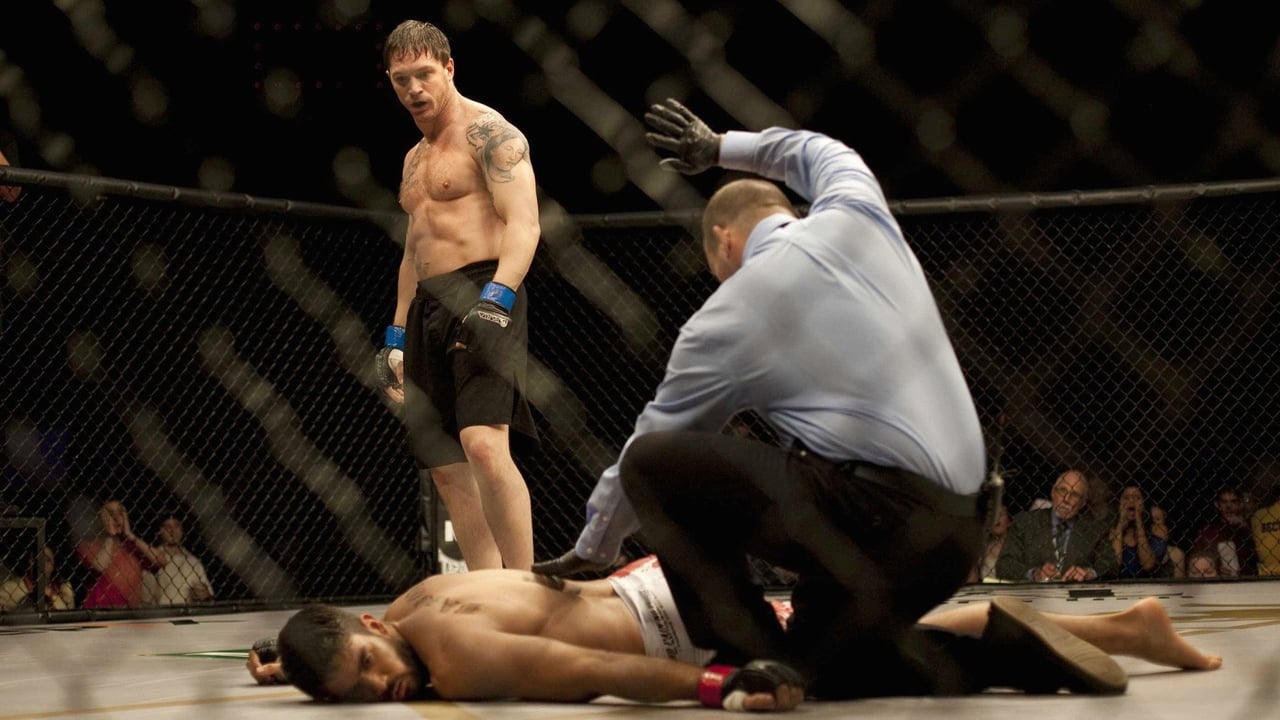
Tom Hardy’s traps have their own zip code in this movie. This was peak, pre-Mad Max: Fury Road Hardy, and he plays Tommy with a terrifying, animalistic stillness. He doesn’t "fight" in the traditional sense; he walks into the cage and deletes people. Opposite him, Joel Edgerton (who also excelled in The Gift) provides the film's heartbeat. If Tommy is the unstoppable force, Brendan is the object that simply refuses to break. Watching them on a collision course toward a $5 million winner-take-all tournament feels less like a sports bracket and more like an impending natural disaster.
The Ghost in the Bottle
While the fights are the draw, the soul of the film belongs to Nick Nolte. His performance as Paddy Conlon earned him an Oscar nomination, and frankly, he should have walked home with the statue. There is a scene involving a hotel room and a cassette tape of Moby Dick that is so devastating it makes the actual cage fighting look like a tickle Thornton. Nolte plays Paddy as a man desperately trying to outrun his own history, and the way his sons refuse to give him the absolution he craves is brutal to witness.
The film's craft supports this weight beautifully. Cinematographer Masanobu Takayanagi (who shot The Grey) avoids the glossy, neon-soaked aesthetic of modern UFC broadcasts. Instead, he opts for a grainy, desaturated palette that makes the Atlantic City setting feel lived-in and slightly decaying. The sound design is equally punishing; every kick and elbow carries a sickening "thud" that makes you want to check your own ribs for cracks. Apparently, the training was so intense that Tom Hardy ended up breaking ribs, a toe, and a finger during production. You can see that genuine physical exhaustion on screen; it’s essentially a Greek tragedy where the characters happen to wear 4-ounce gloves.
Action with Consequences
What elevates Warrior above its peers is the clarity of its action. Gavin O'Connor understands that in a great fight movie, the choreography is dialogue. Tommy’s fights are short, explosive, and cruel—a reflection of his rage. Brendan’s fights are long, grueling, and tactical—a reflection of his desperation. We even get a fantastic supporting turn from Frank Grillo (before he became a staple of the Purge franchise) as Brendan’s trainer, Frank Campana. Grillo brings an authentic, blue-collar intensity to the corner that grounds the more "movie-ish" elements of the tournament.

The film struggled at the box office, grossing less than its $25 million budget. Looking back, it’s easy to see why; it was a hard sell. It was too "sports" for the prestige crowd and too "drama" for the Transformers audience. But like many films from the 2000s-2010s transition era, it found a massive second life on DVD and streaming. It captured that post-recession anxiety perfectly—the fear of losing one's home and the feeling of being discarded by the systems we served.
The final act of Warrior is a masterclass in tension, punctuated by The National’s haunting track "About Today." As the two brothers finally face each other, the film stops being about who wins the money and becomes about whether they can survive their own history. It’s a movie that understands that the hardest people to forgive are often the ones who share our blood. If you haven't seen it, grab some tissues and a protein shake—you’re going to need both.
Warrior is a rare specimen: a prestige action film that wears its heart on its sleeve and its bruises with pride. It doesn't rely on digital trickery or shaky-cam to hide its flaws; it just stands in the center of the ring and dares you not to blink. It reminds me that even in the most brutal environments, there is room for a little bit of grace—even if that grace comes in the form of a tap-out.
Keep Exploring...
-
Apocalypto
2006
-

Evangelion: 1.0 You Are (Not) Alone
2007
-
Ip Man
2008
-
Evangelion: 2.0 You Can (Not) Advance
2009
-
Rush
2013
-
Into the Wild
2007
-
There Will Be Blood
2007
-

Flipped
2010
-
The Help
2011
-
Dallas Buyers Club
2013
-
The Dark Knight
2008
-
Fearless
2006
-

Hachi: A Dog's Tale
2009
-
Mr. Nobody
2009
-
About Time
2013
-

Hero
2002
-
Scent of a Woman
1992
-
A Walk to Remember
2002
-

Léon: The Professional
1994
-

Braveheart
1995