Water for Elephants
"In the Big Top, the most dangerous animal is man."
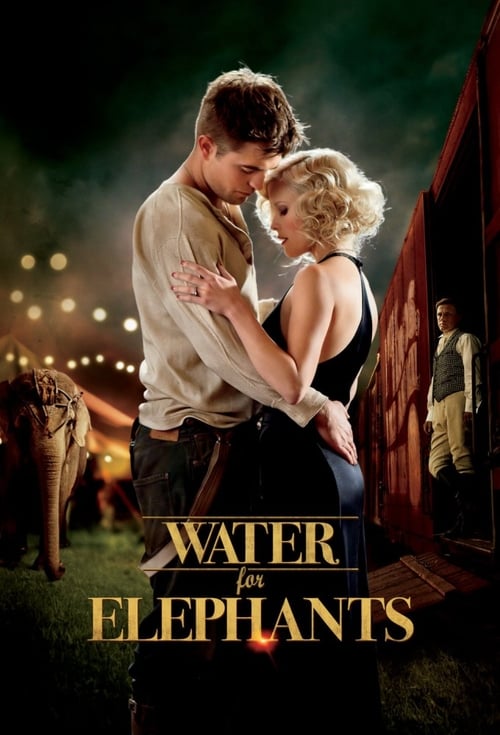
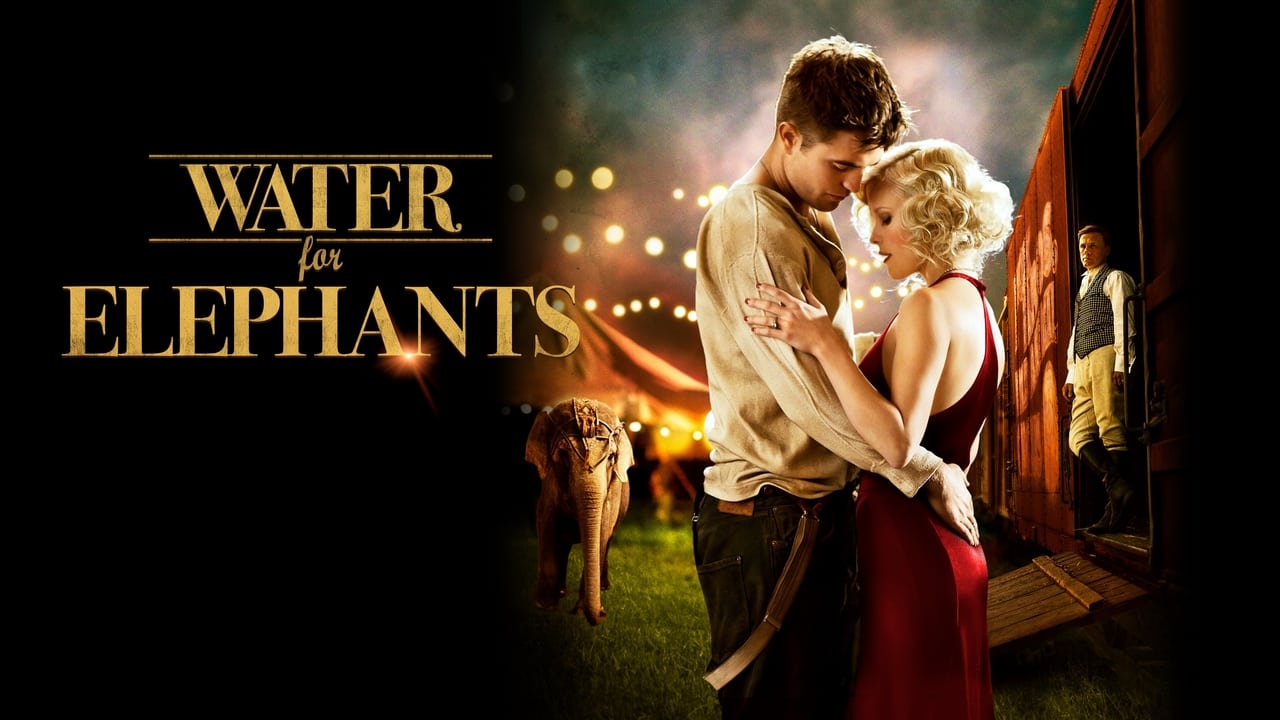
There is a specific kind of magic in the mid-budget studio drama that we’ve largely traded for capes and multiverses over the last decade. I remember seeing the trailer for Water for Elephants in 2011 and thinking it looked like a movie from a different century—not just because of the 1930s setting, but because it was a "capital-R" Romance that didn't involve a single vampire or dystopian rebellion. I watched this recently while my radiator was making a rhythmic clanking sound that perfectly matched the beat of the circus train, and honestly, the mechanical interference only added to the industrial grit of the Great Depression setting.
The Pattinson Pivot
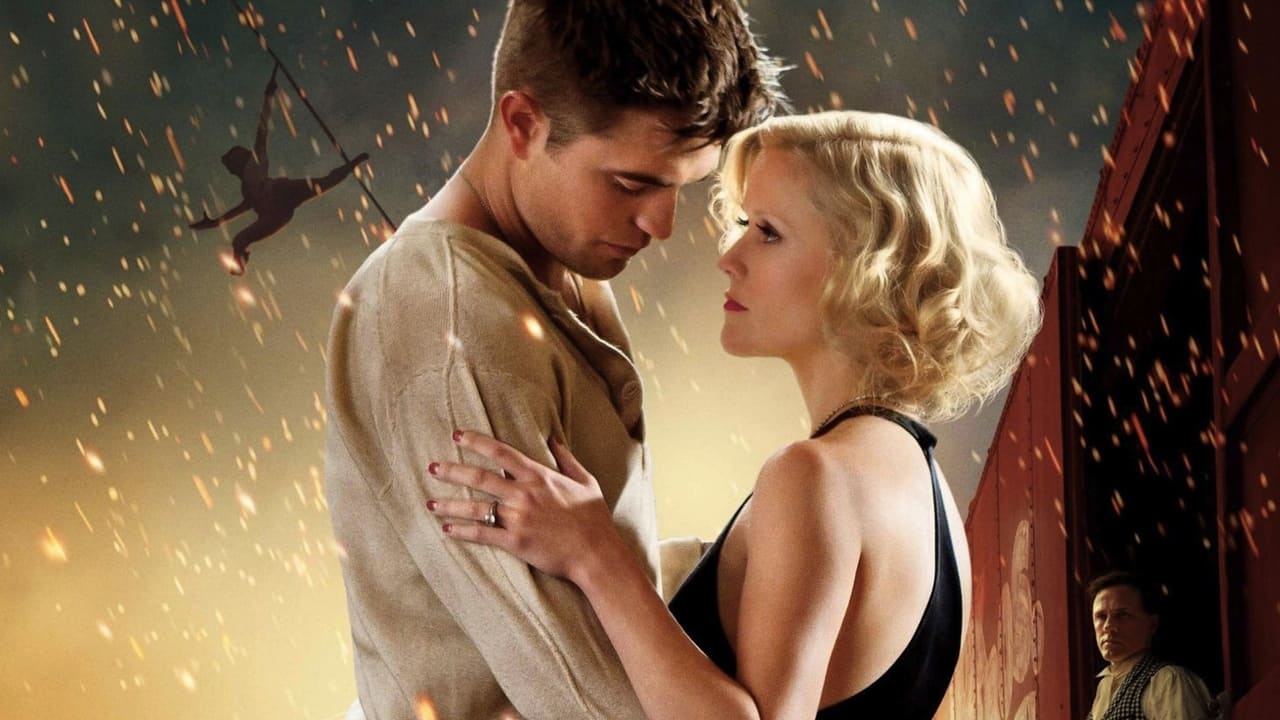
At the time, the biggest hurdle for this film wasn't the logistical nightmare of working with a live elephant; it was the "R-Patz" factor. Robert Pattinson was still deep in the Twilight trenches, and the world was cynical about whether he could carry a period piece without glittering in the sunlight. Looking back, he’s actually the best part of the film’s human ensemble. As Jacob Jankowski, a Cornell vet student who loses everything and hops a train into the unknown, Pattinson brings a quiet, wounded vulnerability that anchors the spectacle.
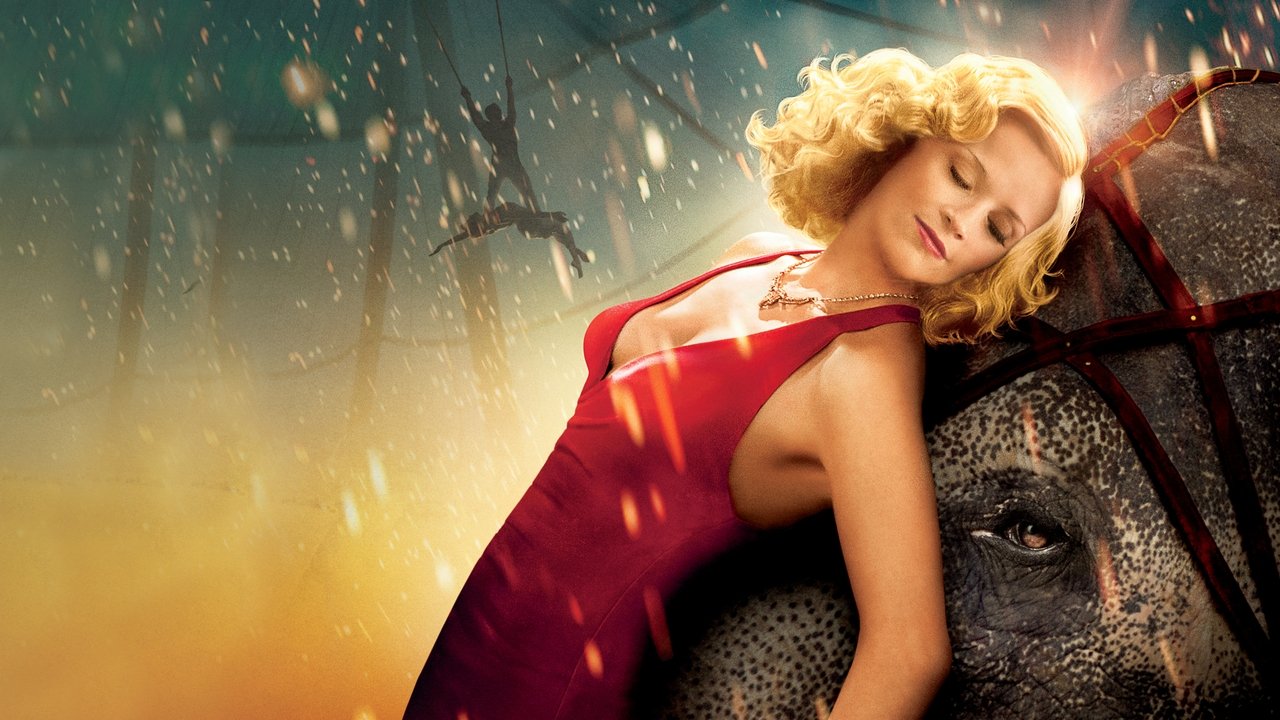
He isn't playing a brooding heartthrob; he’s playing a kid who is profoundly out of his depth. It was one of the first signs that he was destined for the weird, art-house career he has now. Beside him is Reese Witherspoon as Marlena, the circus’s star performer. While she’s as luminous as ever, there's a nagging sense that she and Pattinson have the romantic chemistry of a glass of lukewarm water. They are both individually great, but as a "forbidden love" pairing, the sparks feel more like damp matches. You want them to succeed because they’re nice people, not because you’re breathless for their next kiss.
The Waltz of Menace
The real electricity in the room—or the tent—comes from Christoph Waltz. Fresh off his Oscar win for Inglourious Basterds (2009), Waltz plays August, the circus owner and Marlena’s husband. He is a fascinating, terrifying creation: a man who can be charming enough to sell you a ticket to a scam and then switch to lethal cruelty the moment the wind changes.
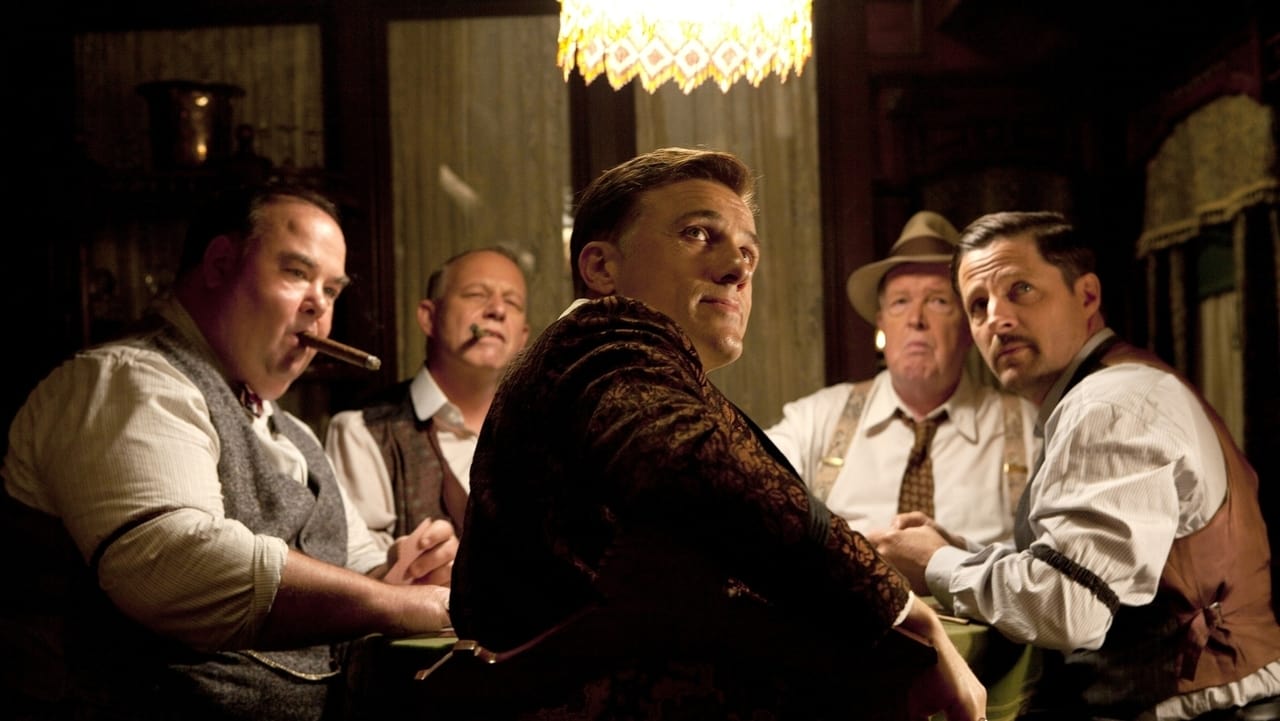
August is the personification of the era’s desperation. He’s running a business on the brink of collapse, and Waltz plays him with a jagged, nervous energy. Christoph Waltz is the only person in this movie who seems to realize he’s in a dangerous circus and not a perfume commercial. His scenes with Rosie, the majestic Asian elephant, are genuinely hard to watch because of the raw tension he brings. It’s a performance that reminds you why we were all so obsessed with him in the early 2010s; he has a way of making "polite" dialogue feel like a physical threat.
Sawdust and Storybook Visuals
Director Francis Lawrence, who would later go on to helm the bulk of The Hunger Games franchise, treats the Benzini Brothers Most Spectacular Show on Earth with a gorgeous, painterly eye. Along with cinematographer Rodrigo Prieto (the genius behind the look of The Wolf of Wall Street and Barbie), he creates a world that feels both lush and desperately poor.
The production design is incredible. You can almost smell the sawdust, the cheap gin, and the animal musk. There’s a scene involving a stampede of exotic animals that is handled with a chaotic, practical-feeling energy that you just don't see in today's CGI-heavy landscapes. Speaking of effects, the elephant Tai (who played Rosie) is the true emotional core of the film. The way she interacts with Pattinson feels more authentic than many of the human subplots. Apparently, Pattinson became so attached to her that he spent his downtime just hanging out in her enclosure, which explains why their bond feels like the most honest relationship on screen.
It’s also worth noting the presence of the late Hal Holbrook as the older version of Jacob. His bookend scenes provide the "Looking Back" perspective that gives the movie its sentimental weight. In an era where digital de-aging has become the norm, there’s something so much more resonant about having a legendary actor like Holbrook physically embody the passage of time.
Water for Elephants is a beautiful, if slightly safe, melodrama that captures a very specific moment in 2011 cinema. It was a time when studios were still willing to spend $38 million on a story about a vet and an elephant, banking on star power and a bestselling novel. While it doesn't quite reach the heights of the epic romances it tries to emulate, it’s a deeply pleasant way to spend two hours. It’s the kind of movie I’d recommend to someone who misses "grown-up" stories that still have a sense of wonder. Just don't expect the central romance to change your life—the elephant is the one who will steal your heart.
Keep Exploring...
-
P.S. I Love You
2007
-
I Am Legend
2007
-
The Bridges of Madison County
1995
-
Remember Me
2010
-
The Horse Whisperer
1998
-
Step Up
2006
-

Juno
2007
-

Knocked Up
2007
-

Forgetting Sarah Marshall
2008
-

High School Musical 3: Senior Year
2008
-
Step Up 2: The Streets
2008
-
The Reader
2008
-
Twilight
2008
-

17 Again
2009
-
Hannah Montana: The Movie
2009
-
He's Just Not That Into You
2009
-
The Proposal
2009
-

Up in the Air
2009
-

Dear John
2010
-
Love & Other Drugs
2010