We Bought a Zoo
"Twenty seconds of courage can change everything."
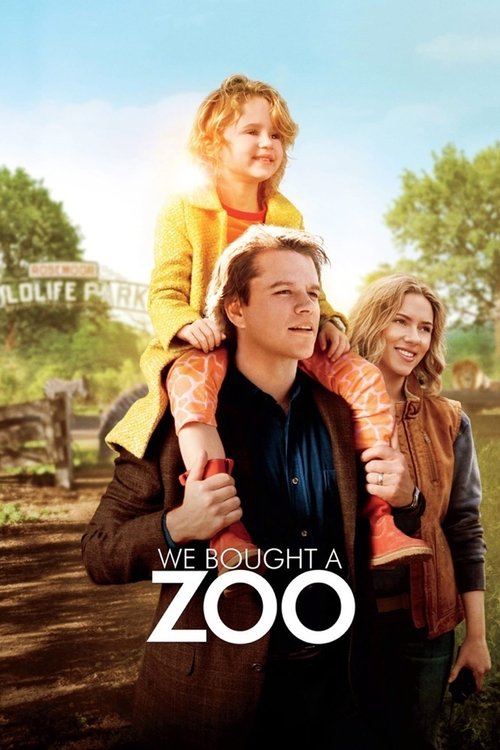
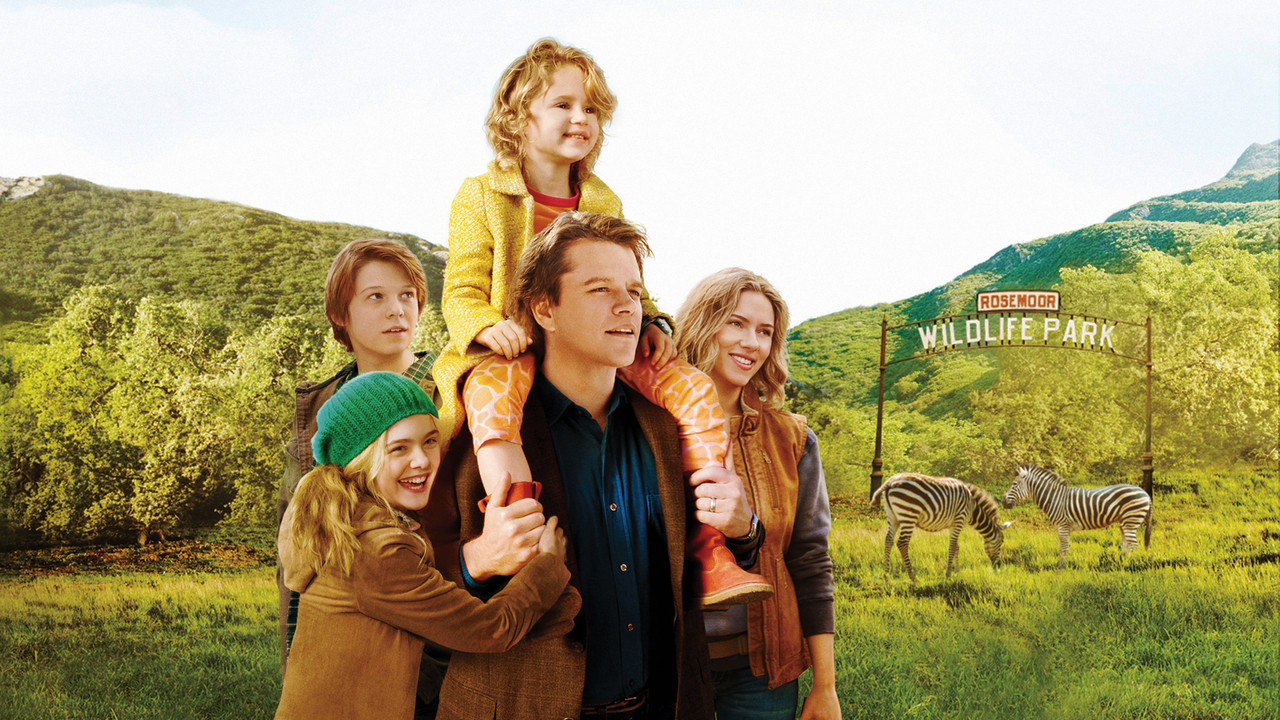
When I first heard the title We Bought a Zoo back in 2011, I honestly thought it was a fake movie poster you’d see in the background of a 30 Rock episode. It’s so literal, so earnest, and so profoundly uncool that it almost feels like a dare. But that is exactly why Cameron Crowe was the only person who could have directed it. By the time this hit theaters, Crowe was coming off a string of projects that had critics sharpening their knives, but here, he leaned directly into his greatest strength: unabashed, heart-on-sleeve sincerity.
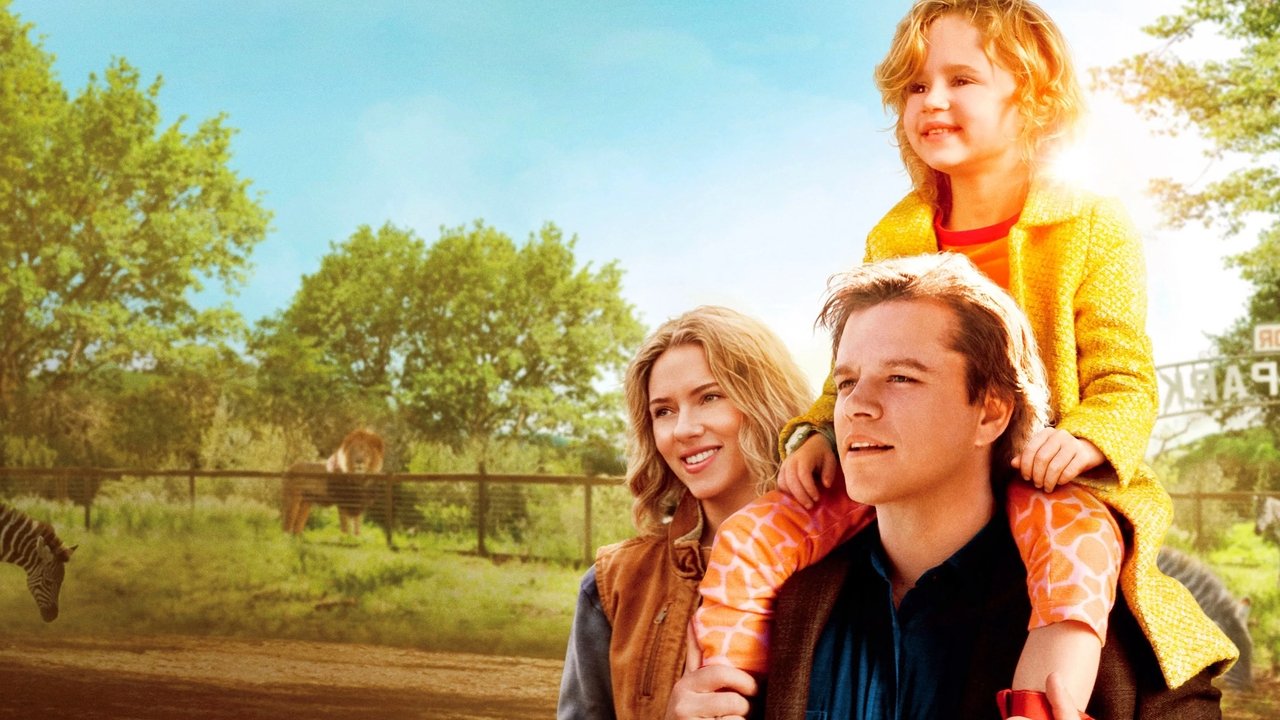
I remember watching this on a scratched DVD I bought at a Walgreens while waiting for a sinus infection prescription, and I expected to roll my eyes through the whole thing. Instead, I found myself strangely moved by a movie that is essentially about a man trying to outrun his grief by surrounding himself with porcupines and financial ruin.
The Audacity of Sincerity
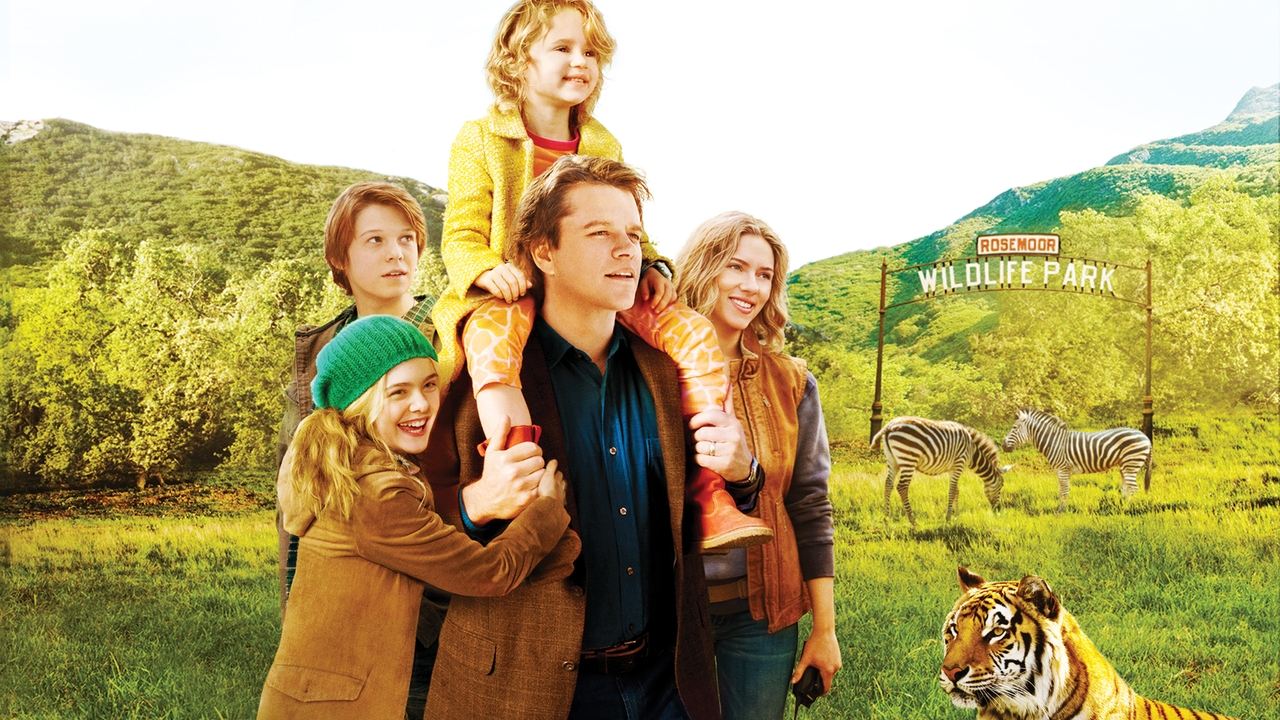
The film follows Benjamin Mee, played with a weary, grounded charm by Matt Damon. Benjamin is a recently widowed journalist who realizes that his suburban life is just a series of "sorry for your loss" casseroles and painful reminders of his late wife. In a move that is objectively a terrible financial decision and probably a cry for help, he decides to buy a dilapidated wildlife park.
This is the era of Modern Cinema where the mid-budget "dad movie" was starting to vanish, replaced by the burgeoning MCU and massive CG spectacles. We Bought a Zoo feels like a relic in that regard—a movie driven by conversations, family friction, and the looming threat of a property inspection. It doesn’t use CGI animals; it uses real, temperamental creatures, which gives the film a tactile, grounded weight. When Scarlett Johansson—playing the head keeper, Kelly Foster—talks about the animals, she isn’t looking at a tennis ball on a stick. She’s looking at a living thing, and that lack of digital artifice makes the stakes feel surprisingly real.
Grief in Cargo Pants
While the marketing pitched this as a wacky family comedy about a zoo, the actual film is a fairly heavy drama about how families fracture when the glue disappears. Matt Damon is excellent here because he doesn't play Benjamin as a saint; he plays him as a man who is clearly vibrating with the stress of trying to be "okay" for his kids. His chemistry with his teenage son, played by Colin Ford, is refreshingly prickly. They don't have a movie-style "big talk" until they’ve spent half the film yelling at each other in a rainstorm.
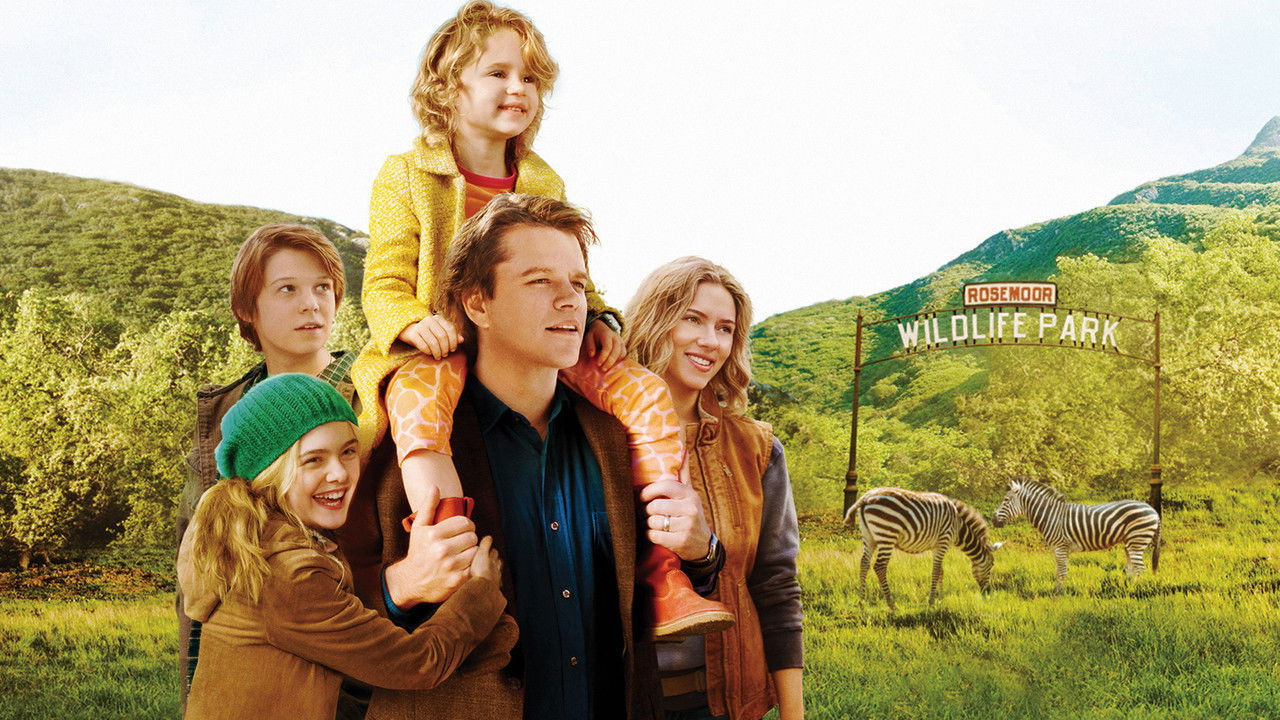
And let’s talk about Scarlett Johansson. This was just before she became the world’s biggest action star, and she’s remarkably good in "normal person" mode. She’s wearing cargo pants and no makeup, looking like she actually smells like hay and tiger musk. She provides the necessary friction to Benjamin’s impulsive optimism. Adding to the mix is Thomas Haden Church as Benjamin’s brother, Duncan. He is the voice of reason, the guy constantly pointing out that buying a zoo is a spectacular way to go bankrupt, and his dry delivery is the perfect antidote to the film’s occasionally sugary moments.
The Crowe Touch
What makes this a "cult classic" for a specific brand of sentimentalists is the atmosphere. Cameron Crowe has always been a director who builds films around a feeling rather than a plot. He hired Jónsi (the lead singer of Sigur Rós) to do the score, which results in this ethereal, shimmering soundscape that makes a scene of people fixing a fence feel like a spiritual awakening.
The film is famous for the "20 seconds of insane courage" speech. In any other director's hands, that line would be unbearable. But Matt Damon sells it. He makes you believe that the difference between a wasted life and a great adventure is just a momentary lapse of self-consciousness. It’s a theme that resonates through Crowe's entire filmography, from Jerry Maguire to Almost Famous—the idea that being "cool" is the enemy of being happy.
Stuff You Didn't Notice
If you look closely at the crowd during the zoo’s grand opening toward the end of the film, you’ll see the real Benjamin Mee and his children. It’s a sweet nod to the true story that inspired the film, though the real zoo was in England and didn’t feature Scarlett Johansson in work boots.
Another fun detail is the cinematography by Rodrigo Prieto. Prieto is the guy who shot The Wolf of Wall Street and Silence, and he brings a much more sophisticated visual palette to this than you’d expect from a "family" movie. The way he uses natural light during the golden hour makes the zoo feel less like a workplace and more like a sanctuary. It turns out that the property inspector, played by Patrick Fugit, is the most terrifying villain of the early 2010s, simply because he represents the cold reality that could shut down this beautiful, reckless dream.
We Bought a Zoo is a movie that shouldn't work. It’s sentimental, the plot is predictable, and the title is ridiculous. But because it’s helmed by a director who genuinely loves his characters and anchored by a cast that treats the material with total respect, it ends up being a deeply charming experience. It’s a film about the messiness of starting over and the strange places we find healing. If you’re willing to check your cynicism at the gate, it’s a trip worth taking.
Keep Exploring...
-

Camp Rock
2008
-
Jerry Maguire
1996
-
Almost Famous
2000
-
Elizabethtown
2005
-
Annie
2014
-
Princess Protection Program
2009
-

Wizards of Waverly Place: The Movie
2009
-

Arthur Christmas
2011
-
The Odd Life of Timothy Green
2012
-

Flushed Away
2006
-
Monster House
2006
-

Open Season
2006
-

Bee Movie
2007
-

Meet the Robinsons
2007
-
Surf's Up
2007
-
Bedtime Stories
2008
-

Bolt
2008
-
Cloudy with a Chance of Meatballs
2009
-
Night at the Museum: Battle of the Smithsonian
2009
-
Megamind
2010