We Need to Talk About Kevin
"Guilt is the hardest thing to scrub off."

I’m staring at a screen drenched in red, and for a terrifying second, I can’t tell if it’s blood or just juice. It turns out to be the latter—a sea of crushed tomatoes during Spain’s La Tomatina festival—but in the hands of director Lynne Ramsay, the distinction hardly matters. I watched this film on a scratched-up DVD I found at a thrift store, and the disc had a faint smell of old peppermint—a bizarre, sugary contrast to the rot unfolding on my screen. By the time the credits rolled, I felt like I needed a long walk and a very loud playlist to shake off the quiet, suffocating dread.
We Need to Talk About Kevin isn’t a horror movie in the sense of jump scares or masked killers, yet it’s one of the most frightening things I’ve seen from the 2000s indie circuit. It arrived in 2011, right at the tail end of a period where independent cinema was getting braver and darker, leaning into the psychological anxieties of the post-9/11 world—specifically the fear that the monster isn't under the bed, but sitting across from you at the dinner table.
The Architect of a Nightmare
The film is built entirely around the face of Tilda Swinton (who I’ll always remember as the terrifyingly cold White Witch in Narnia). As Eva, she is a woman who clearly never wanted to be a mother. Her pregnancy looks less like a miracle and more like a hostile takeover of her body. Swinton plays Eva with a hollowed-out exhaustion that is painful to watch. She’s a woman living in a ghost story, haunted by the "what ifs" of her own parenting.
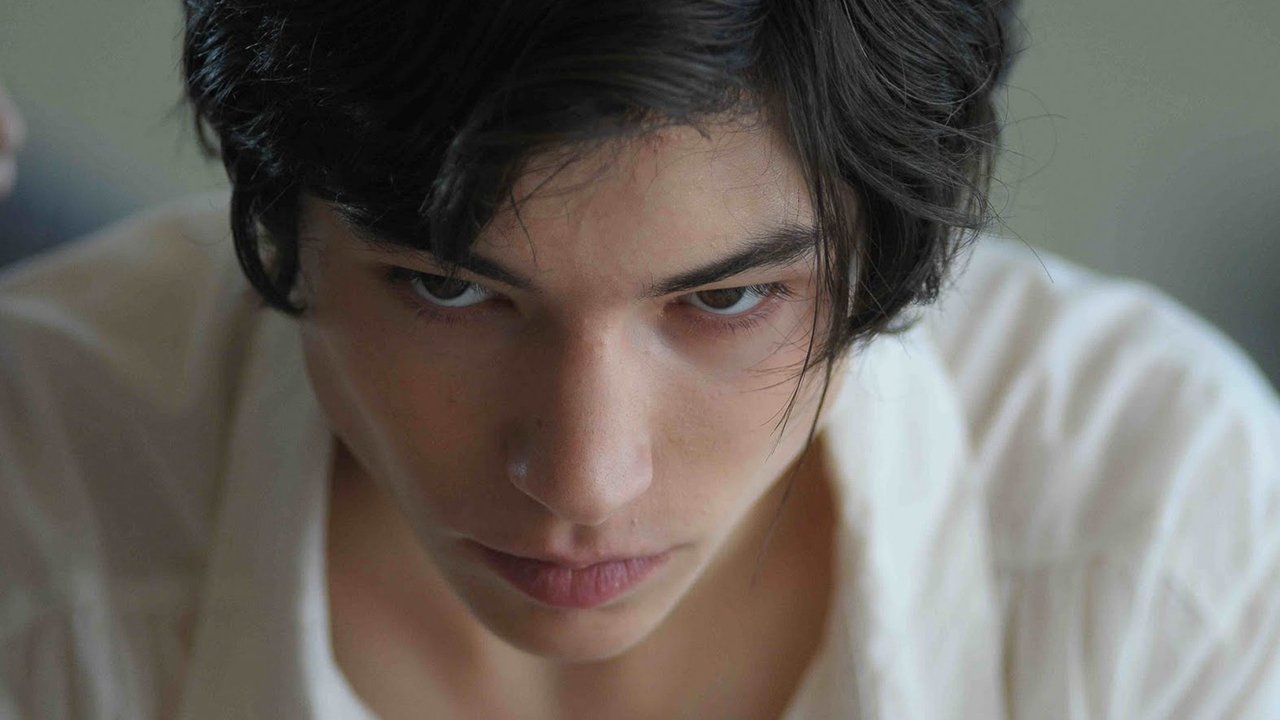
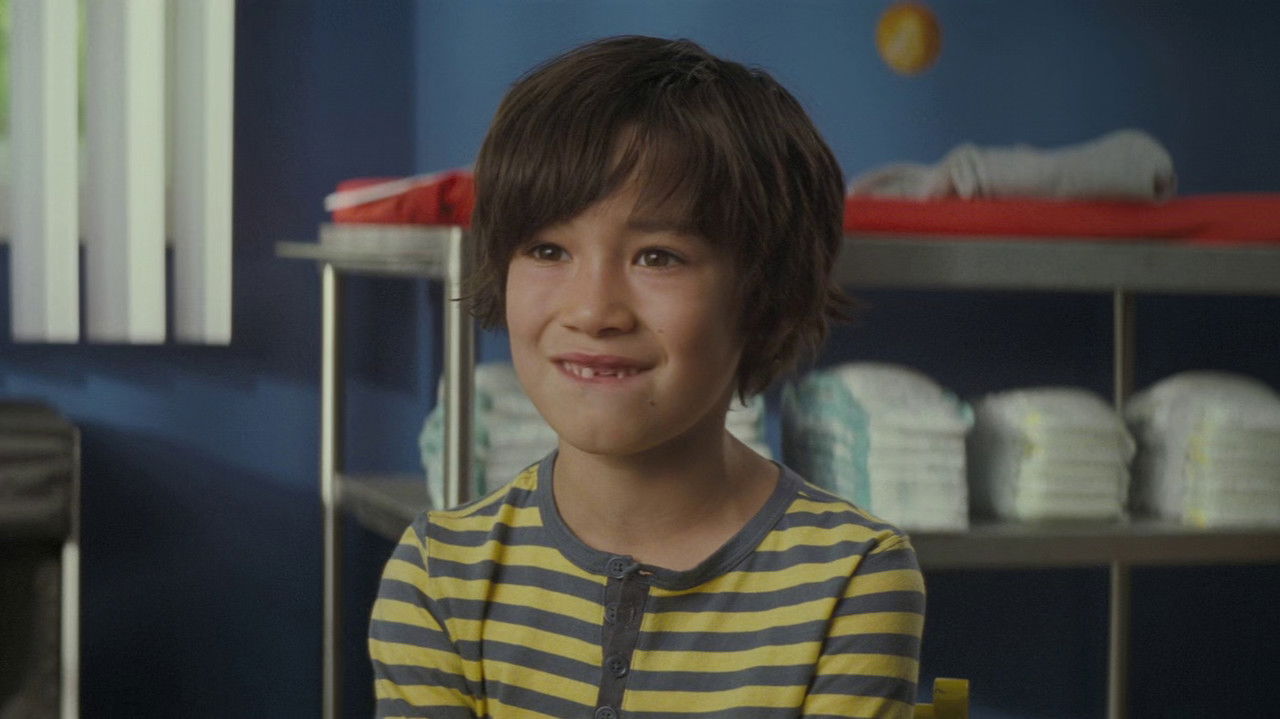
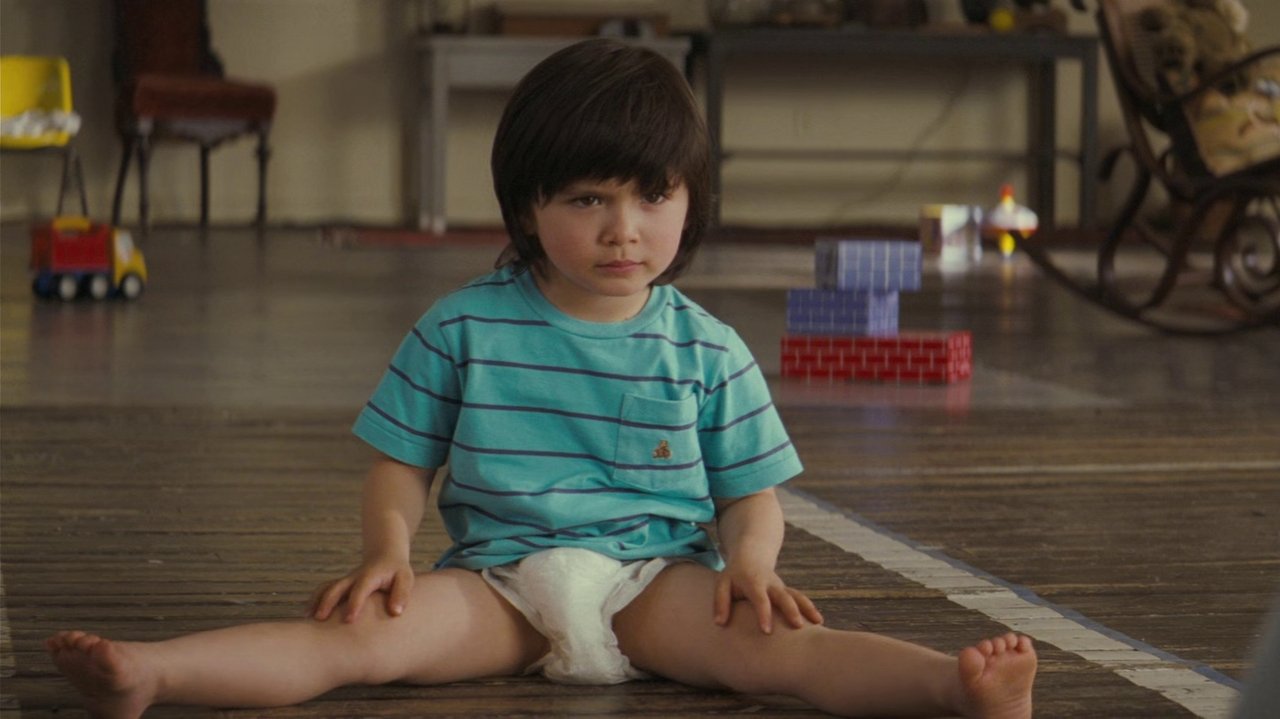
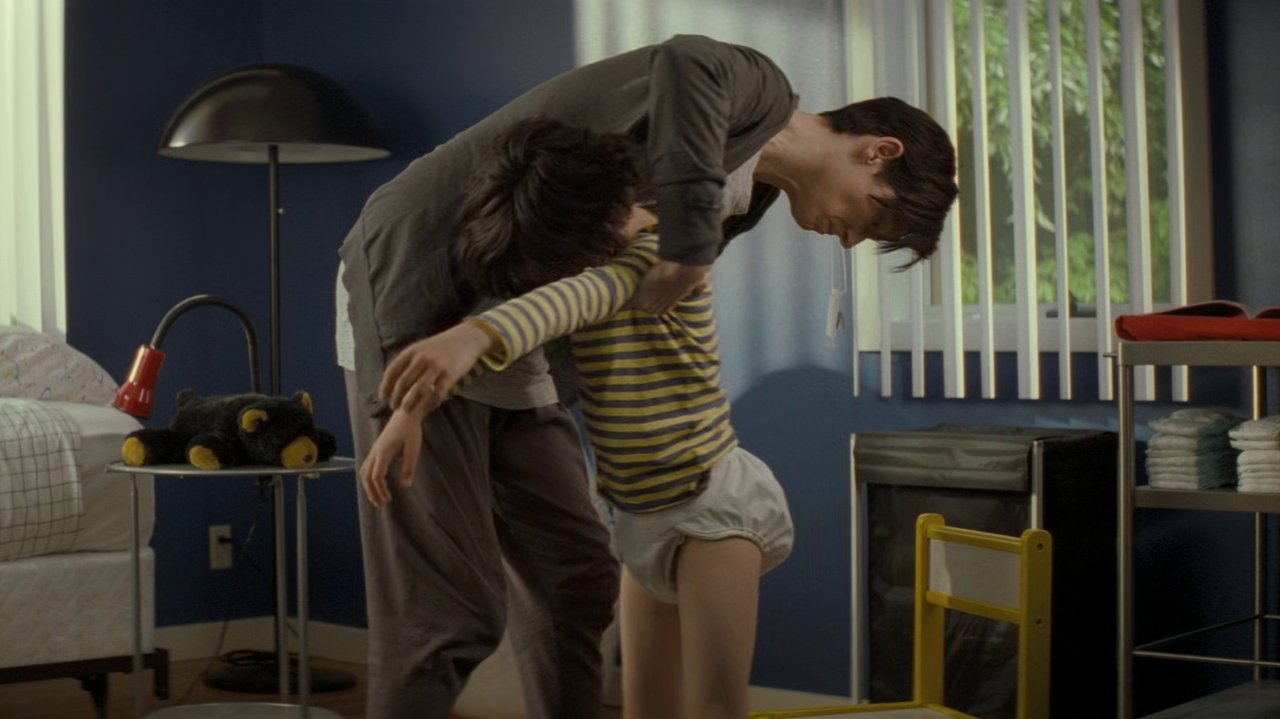
Then there is Kevin. To play him across three stages of life, Ramsay found three actors—Rock Duer, Jasper Newell, and Ezra Miller—who share a chilling, predatory gaze. Miller, as the teenage Kevin, is a revelation of spite. He doesn't just disobey; he weaponizes his existence to hurt his mother. He knows exactly which buttons to press because he’s the one who installed them. Watching their scenes together feels like observing two scorpions in a jar.
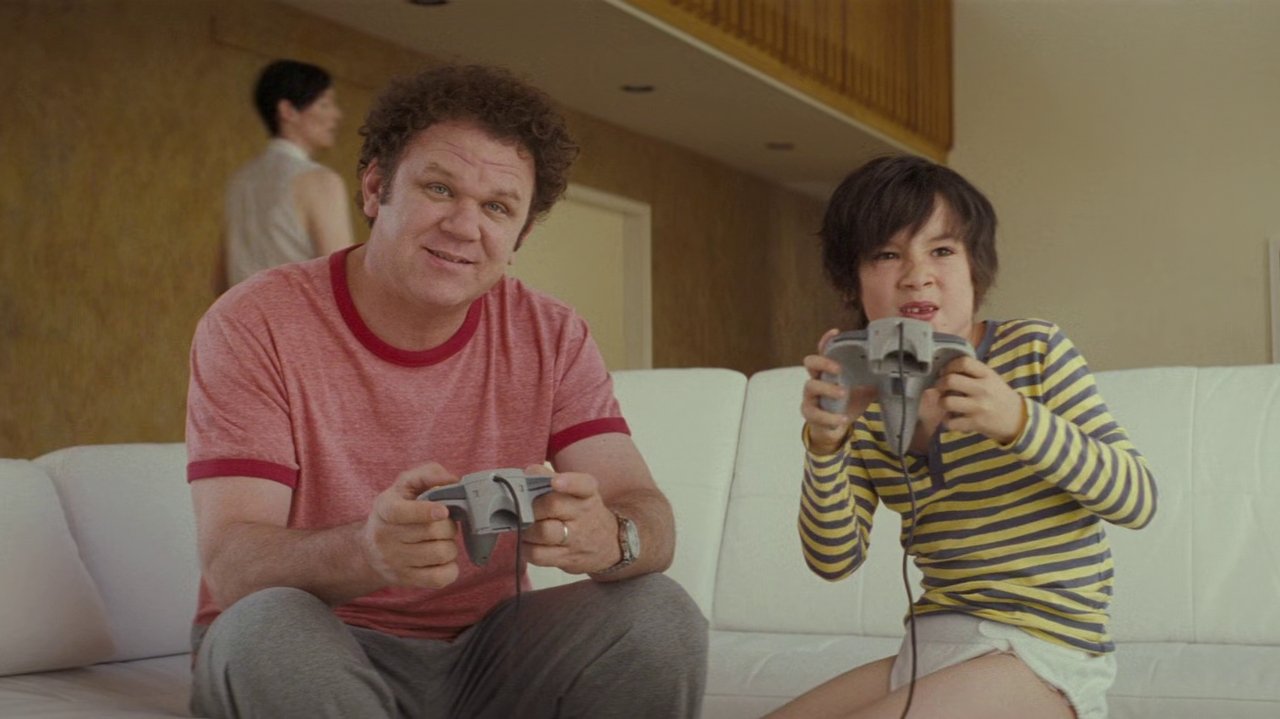
But the real tragedy—and the source of my most frequent eye-rolls—is the father, Franklin. John C. Reilly (whom I usually love as the lovable goof in Step Brothers) plays Franklin with a level of oblivious optimism that borders on the criminal. Franklin is the patron saint of toxic positivity, constantly gaslighting Eva into believing their son is "just a normal boy" while Kevin is literally one room away plotting a massacre. Every time Reilly smiled and told Eva she was overreacting, I wanted to reach through the screen and shake him.
A Symphony of Crimson
Looking back at the cinema of the early 2010s, there was this brief window where directors were using digital tools to make colors pop in almost unnatural ways. Lynne Ramsay, however, stuck to 35mm film, and it makes a world of difference. The textures are thick; you can almost feel the sticky paint on Eva’s hands. The color red is everywhere—paint, strawberry jam, ink, tomatoes, tail lights. It’s a visual alarm bell that never stops ringing.
The editing is what really got under my skin. It’s non-linear, jumping between the "now" (a shattered Eva living in a dilapidated house) and the "then" (the slow-motion car crash of Kevin’s childhood). It mirrors how trauma actually works—the way a single sound or color can trigger a memory you’ve tried to bury. The score by Jonny Greenwood (the genius behind the sounds of There Will Be Blood) adds this layer of jagged, folk-horror tension that makes even a scene of a toddler refusing to use the potty feel like a declaration of war.
The Stuff You Didn't Notice
One of the reasons this film reached cult status is the obsession fans have with the "Nature vs. Nurture" debate it sparks. Apparently, Tilda Swinton almost turned the role down because she was worried it was "too dark," but she eventually saw it as a way to confront the taboo of maternal ambivalence—the idea that not every woman feels an instant, magical bond with her child.
The production was a bit of a scramble too. Despite looking like a high-budget studio film, it was an independent project with a tight $7 million budget. They actually flew to Spain to film the La Tomatina scene because it was cheaper than trying to recreate it with extras in the UK or US. Also, keep an eye on the physical similarities between the actors; Ezra Miller reportedly stayed in character throughout the shoot, keeping a distance from Swinton to maintain that genuine, icy friction you see on screen. Another fun bit: Jasper Newell, who plays 6-year-old Kevin, was so convincing that Swinton admitted she found him genuinely intimidating during their scenes together.
This isn't a movie you watch for a "fun time." It’s a movie you experience when you want to see a filmmaker at the absolute top of her craft, dissecting a topic that most people are too afraid to touch. It’s an unflinching look at the parts of ourselves we don't want to acknowledge—the guilt, the resentment, and the terrifying possibility that some people are just born "wrong." If you can handle the weight, it’s a masterpiece of modern dread. Just maybe don't eat any tomato soup while you watch it.
Keep Exploring...
-
Children of Men
2006
-
Lucky Number Slevin
2006
-
The Illusionist
2006
-
Martyrs
2008
-
The Hurt Locker
2008
-
The Wave
2008
-

Brothers
2009
-
127 Hours
2010
-
The Next Three Days
2010
-
Drive
2011
-
The Lincoln Lawyer
2011
-
The Skin I Live In
2011
-
End of Watch
2012
-
Nightcrawler
2014
-
Dogville
2003
-
Blood Diamond
2006
-
Shooter
2007
-

Law Abiding Citizen
2009
-

The Negotiator
1998
-
Misery
1990