What a Beautiful Day
"Stupidity is the best defense against terror."
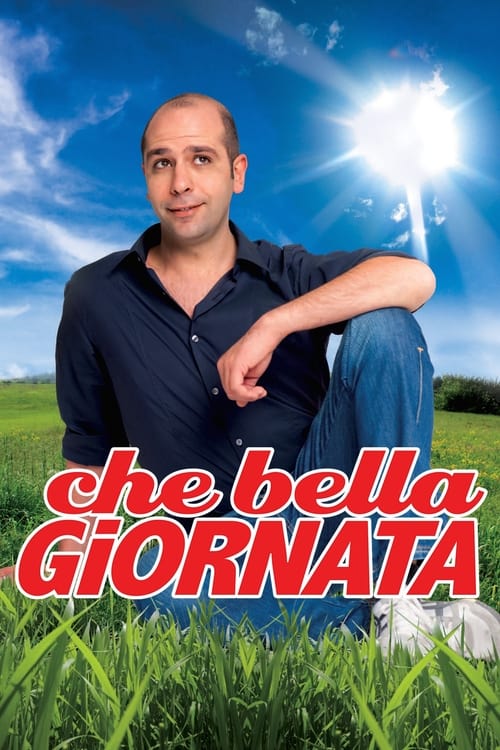
I watched this on a Tuesday night while trying to ignore the fact that I’d forgotten to buy laundry detergent, and honestly, Checco’s chaotic energy was the perfect distraction. If you aren't from Italy, there is a high chance you have never heard of Checco Zalone. In his home country, he isn't just a movie star; he’s a tectonic event. In 2011, What a Beautiful Day (Che Bella Giornata) didn't just perform well—it absolutely annihilated the box office, out-earning Avatar in its opening weeks. It was a moment when a local comedian with a penchant for playing the "lovable bigot" proved more powerful than James Cameron’s blue aliens.
The Art of the Self-Satisfied Idiot
The film centers on Checco, a man whose confidence is matched only by his profound lack of education. He dreams of being a police officer, but his interview is a total car wreck. When asked why he wants to join the force, he doesn't give the canned speech about "serving the community." Instead, he admits he’s in it for the job security and the potential for bribes. It’s a hilarious, cynical nod to the "posto fisso" (permanent job) obsession that defines a certain segment of Italian culture.
Through some high-level family connections, Checco lands a job as a security guard at the Milan Cathedral (the Duomo). This is where the movie gets ballsy. It’s a post-9/11 comedy that uses a plot about a terrorist bombing as its primary engine. Checco Zalone (the stage name of Luca Medici) plays the character with such a specific brand of oblivious narcissism that you almost forget he’s guarding one of the most famous landmarks in the world. When a group of terrorists tries to use the beautiful Farah (Nabiha Akkari) to seduce him into helping them blow up the place, Checco doesn't notice the red flags because he’s too busy being impressed that a pretty girl likes him. It’s a movie that treats national security with the same gravity as a botched pasta order.
Comedy as a Cultural Rorschach Test
Director Gennaro Nunziante, who also worked with Zalone on his debut Cado dalle nubi, understands that the key to this comedy isn't the plot—it's the friction between Checco’s rural, Southern sensibilities and the high-society world of Milan. The humor is a mix of broad slapstick and sharp social satire. One of the best sequences involves a baptism that turns into a logistical nightmare, showcasing Zalone’s talent for musical comedy. Turns out, Checco Zalone actually wrote the score himself; he was a jazz pianist before he was a comedian, and that rhythmic timing carries over into his line delivery.
The supporting cast is a "who’s who" of Italian character actors. Rocco Papaleo, who was fantastic in Basilicata Coast to Coast, plays Checco's father, Nicola, a soldier stationed in Iraq who is more concerned with his son’s idiocy than the war zone he’s living in. Their chemistry provides the film’s best moments of deadpan absurdity. Tullio Solenghi also turns in a great performance as a Cardinal who is increasingly bewildered by the security threat (Checco himself) standing in his church. Zalone is the only person who could make a joke about the Eucharist without getting excommunicated.
Why It Disappeared West of the Alps
Looking back, it’s easy to see why this film didn’t travel much outside of Europe. Comedy is notoriously difficult to subtitle, and Zalone’s humor relies heavily on Italian dialects, specific cultural tropes, and the "Malapropism" style of speech he perfected. If you don't know the stereotype of the "Terrone" (a person from the South) moving North, some of the subtext might fly over your head. However, the core of the film—the "idiot hero" who accidentally saves the day through pure, unadulterated selfishness—is a classic cinematic trope.
The production value is surprisingly high for a comedy with a $6 million budget. The shots of the Milan Cathedral are gorgeous, and the cinematography by Federico Masiero gives the film a polished, "big-budget" feel that was common in the early 2010s before everything moved to the flat, digital look of streaming originals. It’s a relic of a time when a local comedy could still feel like a genuine cinematic event. Despite its obscure status in the US, the film remains a fascinating look at how different cultures processed the anxieties of the 2000s—choosing to laugh at the absurdity of extremism rather than just cowering in the face of it.
What a Beautiful Day is a loud, proud, and occasionally brilliant piece of populist filmmaking. It doesn't ask you to think too hard, but it does ask you to acknowledge that sometimes the world is so crazy that only a total moron can make sense of it. If you can find a version with decent subtitles, it’s a journey into the heart of modern Italian humor that serves as a perfect antidote to more self-serious "prestige" cinema. It’s ninety minutes of pure, unapologetic escapism.
Keep Exploring...
-
Cado dalle nubi
2009
-
Sun In Buckets
2013
-
Where Am I Going?
2016
-
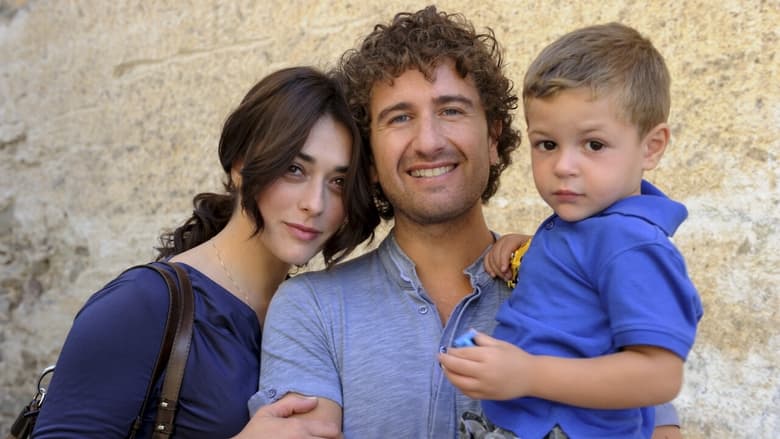
Welcome to the North
2012
-
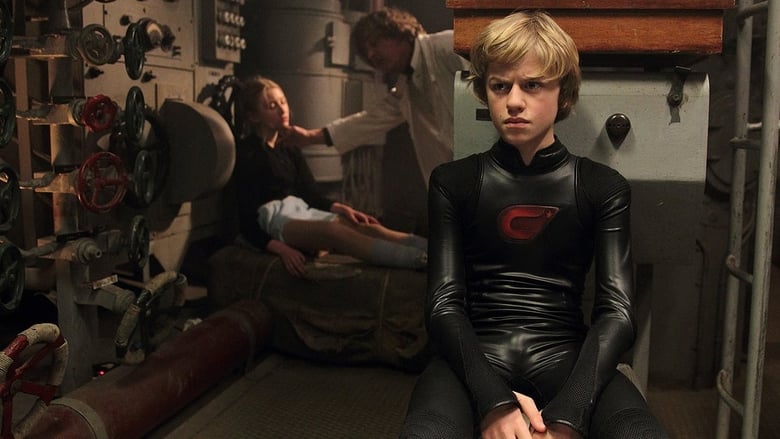
The Invisible Boy
2014
-
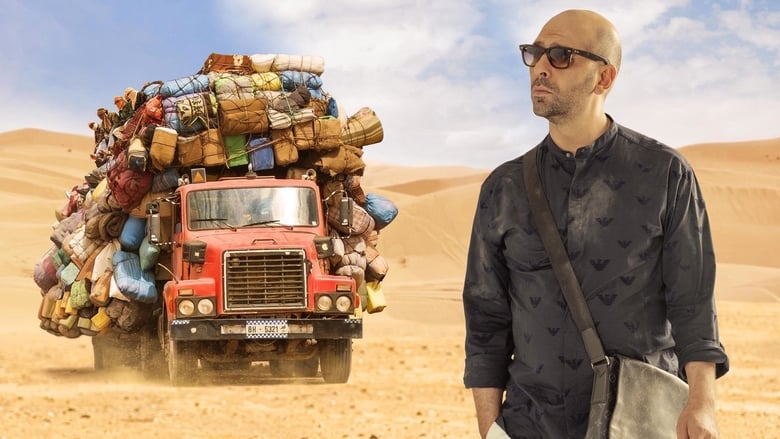
Tolo Tolo
2020
-

A Good Year
2006
-
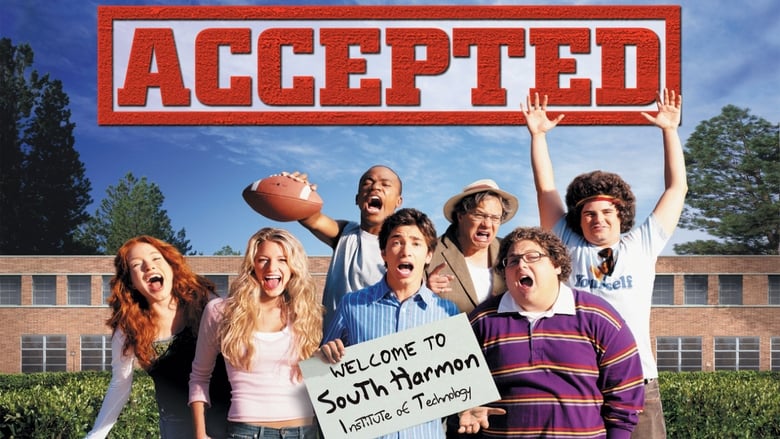
Accepted
2006
-
Aquamarine
2006
-
Bandidas
2006
-

Clerks II
2006
-

It's a Boy Girl Thing
2006
-
Jackass Number Two
2006
-
John Tucker Must Die
2006
-
Just My Luck
2006
-
Nacho Libre
2006
-
OSS 117: Cairo, Nest of Spies
2006
-

Slither
2006
-
Smokin' Aces
2006
-
Tenacious D in The Pick of Destiny
2006