Winnie the Pooh
"Short, sweet, and remarkably smarter than your average bear."
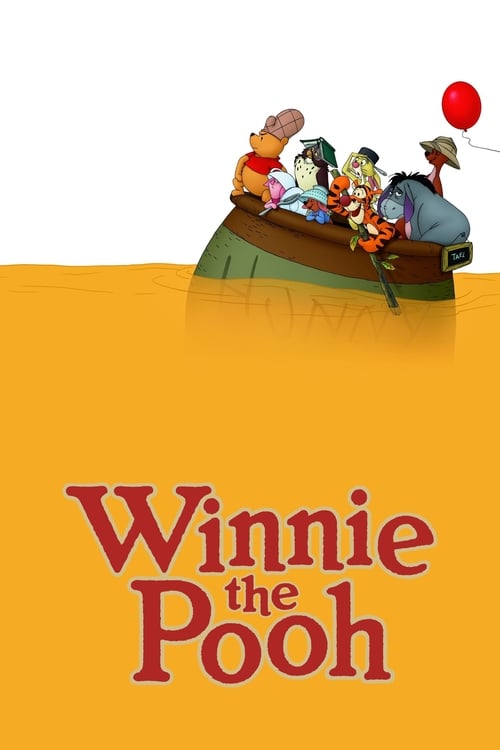
I watched the 2011 Winnie the Pooh on a Tuesday afternoon while successfully ignoring a pile of laundry that had grown so large it was starting to develop its own ecosystem. It’s fitting, really, because this movie is the ultimate antidote to the "to-do list" anxiety of adulthood. It’s 63 minutes of pure, unadulterated gentleness, released at a time when the rest of the cinematic world was screaming for our attention with 3D glasses and exploding skyscrapers.

Looking back, the release of this film was one of the most baffling tactical decisions in Disney’s history. They dropped this quiet, hand-drawn watercolor dream on the exact same weekend as Harry Potter and the Deathly Hallows – Part 2. It was like sending a toddler with a buttercup into a trench war. Naturally, the Boy Who Lived flattened the Bear of Very Little Brain at the box office, and this gem slipped into the "forgotten" bin of the early 2010s almost immediately. But ten-plus years later, while those CGI-heavy blockbusters of the era are starting to show their digital seams, Winnie the Pooh looks—and feels—timeless.
The Audacity of Being Brief
In an era where every franchise installment feels the need to push past the 140-minute mark, a 63-minute runtime feels like a revolutionary act. Directors Don Hall (who later gave us Big Hero 6) and Stephen J. Anderson (Meet the Robinsons) understood something that many modern filmmakers forget: brevity is a mercy. There is zero filler here. We’re dropped into the Hundred Acre Wood, Pooh’s stomach growls, Eeyore loses a tail, and we’re off.
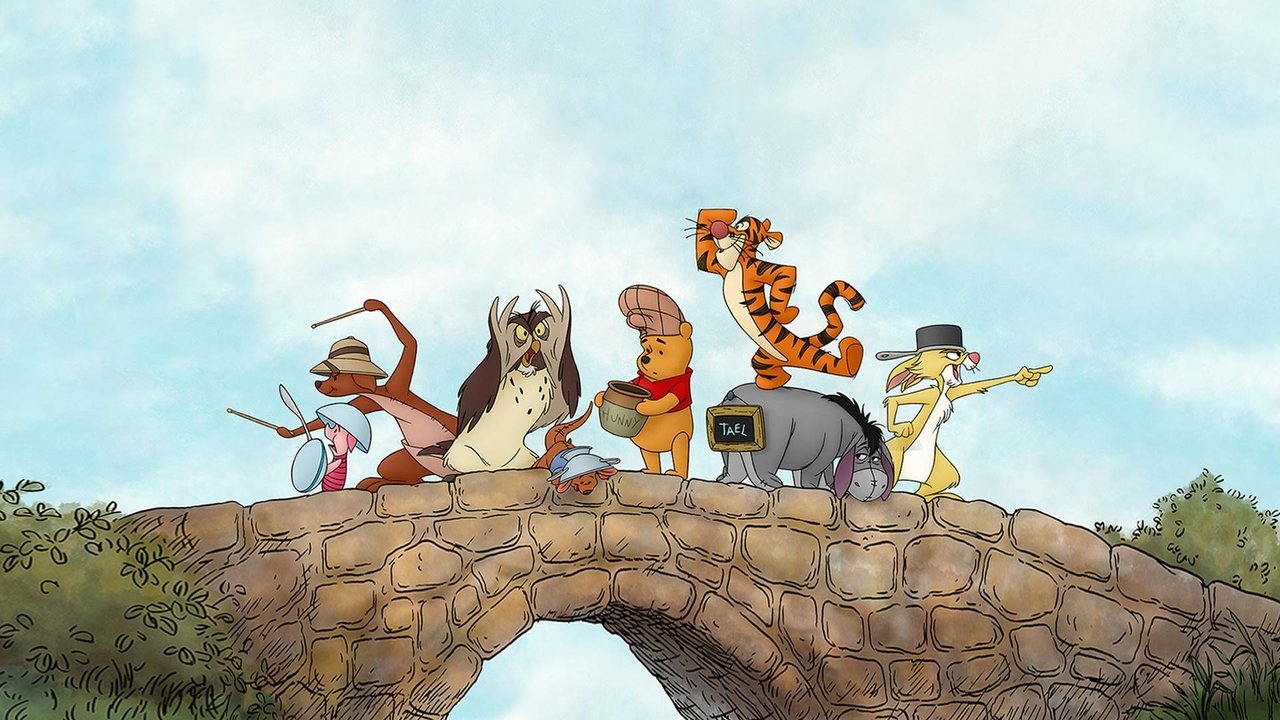
The plot is a delightful comedy of errors. After finding a note from Christopher Robin that says he’ll be "back soon," the self-important Owl (Craig Ferguson, bringing a wonderful frantic energy) convinces the gang that their friend has been kidnapped by a terrifying creature called "The Backson." What follows is an adventure that is essentially a stoner comedy where the only drug is honey and general confusion. The group sets out to trap the beast, leading to a sequence involving a pit, a red balloon, and the kind of circular logic that would make a philosophy professor weep.
Hand-Drawn Heart in a Digital World
By 2011, the "CGI Revolution" wasn't just a trend; it was the law of the land. Disney had already pivoted hard toward the digital look with Tangled. Returning to the hand-drawn aesthetic of A.A. Milne’s world felt like a conscious protest against the pixel-perfect sheen of the time. The animation here doesn't just look like a cartoon; it looks like a book. The characters literally interact with the text on the page, hopping over sentences or using letters as physical props.
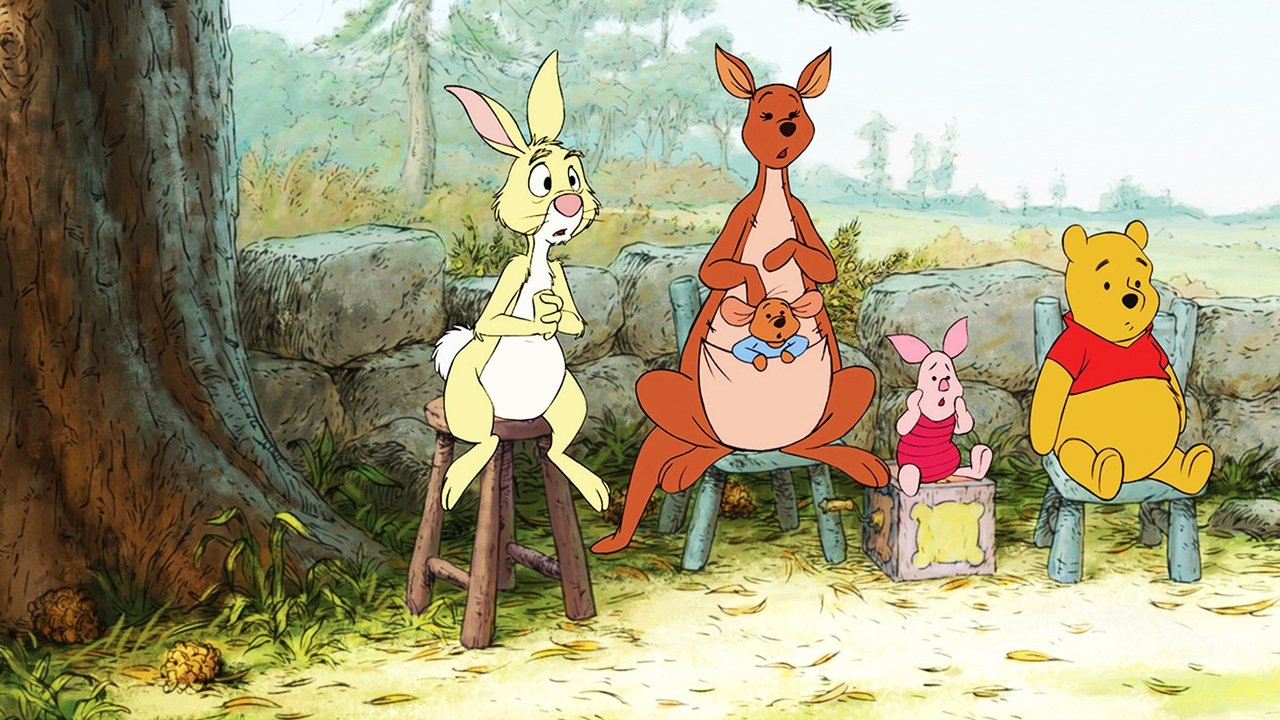
I’ve always found that early 2010s CGI has a specific "plastic" quality that dates it, but the watercolor backgrounds here are stunning. There’s a warmth to the lines that digital rendering just can’t replicate. It’s a tactile experience. When Piglet (Travis Oates) trembles, you see the slight imperfection in the ink. It feels human.
The voice cast also had the impossible task of filling some very big shoes. Jim Cummings remains the gold standard, pulling double duty as Pooh and Tigger with a seamlessness that makes you forget one man is providing the entire emotional spectrum of the forest. But the real MVP for me is Bud Luckey as Eeyore. Luckey, a Pixar veteran who designed Woody from Toy Story, gives Eeyore a deadpan, bass-heavy resignation that is the most relatable thing I have ever seen in a G-rated movie. He isn't just a sad donkey; he's a mood.
A Quest for Nothing in Particular
What makes this an "adventure" in the truest sense is the scale of the stakes. For a six-year-old, finding a replacement for a donkey’s tail is an epic quest. For an adult, watching these characters navigate their own misunderstandings is a masterclass in light comedy. The "Backson" song is a standout—a jazzy, chalk-drawn fever dream that feels like a nod to the "Pink Elephants on Parade" era of Disney surrealism. It’s a bit weird, a bit spooky, and completely catchy.
The music, handled by Henry Jackman with songs by Kristen Anderson-Lopez and Robert Lopez (just a couple of years before they took over the world with Frozen), is pitch-perfect. They brought in Zooey Deschanel to provide the vocals, which firmly anchors the film in that 2011 "indie-folk" aesthetic. It’s whimsical without being saccharine, which is a very difficult line to walk when your protagonist is a stuffed bear who doesn’t wear pants.
The film's obscurity is a shame, but it also makes it a wonderful "secret" to share. It didn't have a massive viral marketing campaign or a gritty post-9/11 reboot mentality. It just wanted to tell a story about a group of friends who aren't very bright but are very kind. It is the cinematic equivalent of a warm weighted blanket.
In the end, Winnie the Pooh is a victory of craft over commercialism. It’s a film that knows exactly what it is: a short, funny, beautifully animated stroll through the woods. While it may have been "lost" to the shadow of wizards and superheroes back in 2011, it has aged into a minor classic that deserves a spot on your shelf next to the original 1977 Many Adventures. It’s a reminder that sometimes the best adventures aren't about saving the world, but about making sure your friend has a tail and your tummy has some honey.
If you have an hour to spare and a pile of laundry to ignore, you couldn't find a better way to spend it. Just watch out for the Backson. I’m pretty sure mine lives in the dryer.

Keep Exploring...
-
Meet the Robinsons
2007
-
Big Hero 6
2014
-
TMNT
2007
-

The Swan Princess
1994
-
Shrek the Halls
2007
-
A Monster in Paris
2011
-
Toy Story of Terror!
2013
-
Asterix: The Mansions of the Gods
2014
-
Toy Story That Time Forgot
2014
-
DuckTales: The Movie - Treasure of the Lost Lamp
1990
-
A Goofy Movie
1995
-
Jimmy Neutron: Boy Genius
2001
-

The Pirates! In an Adventure with Scientists!
2012
-
Brave
2012
-
How to Train Your Dragon 2
2014
-
Osmosis Jones
2001
-
101 Dalmatians II: Patch's London Adventure
2003
-
Fantastic Mr. Fox
2009
-
Mickey, Donald, Goofy: The Three Musketeers
2004
-
Cars
2006