A Royal Affair
"Revolution starts in the most private of rooms."
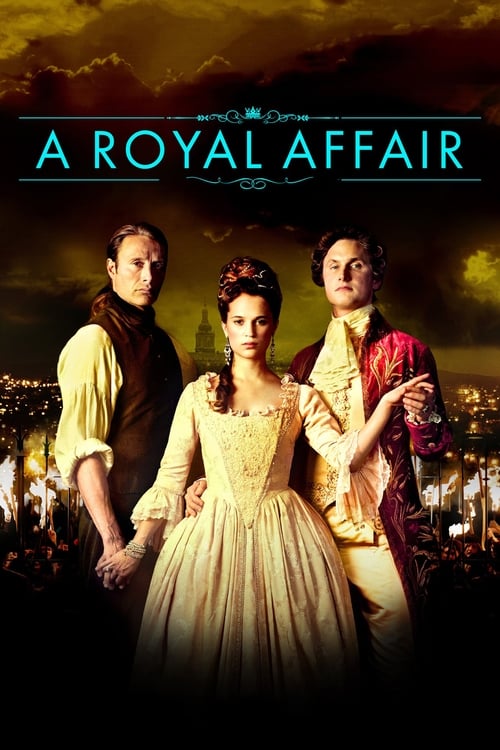
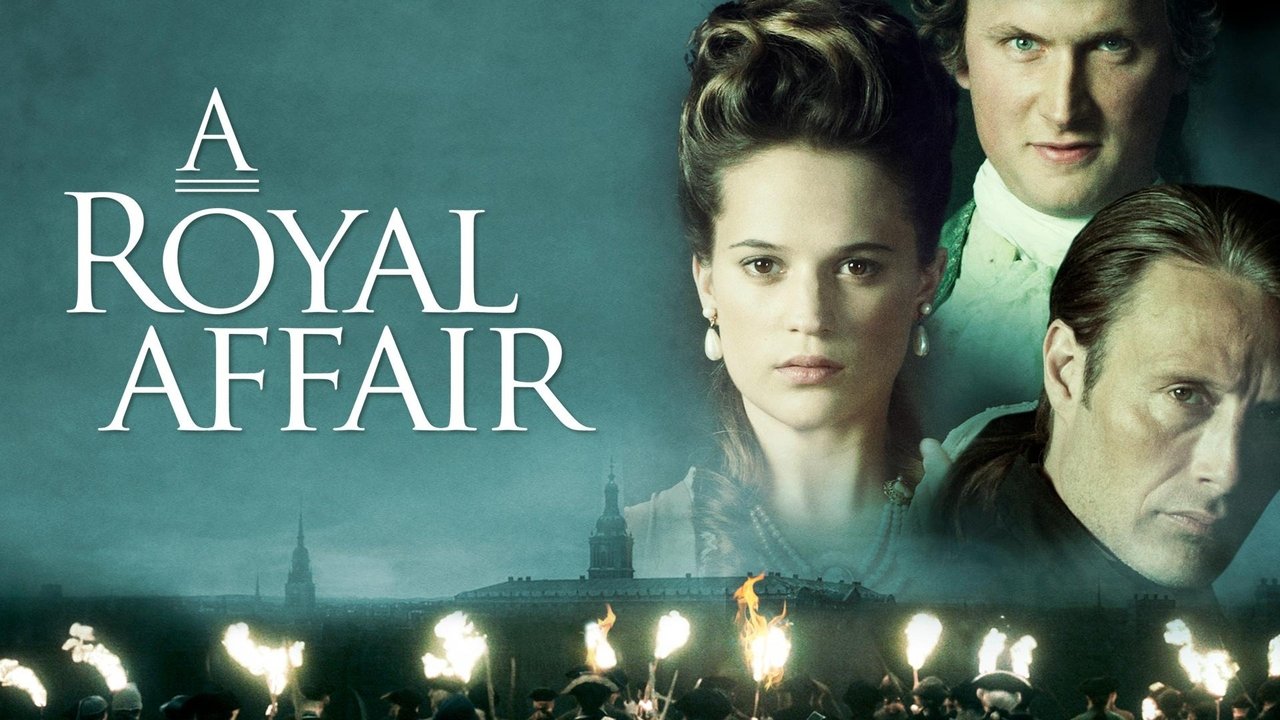
I used to think the "Enlightenment" was a dry chapter in a textbook I fell asleep on in tenth grade, but then I saw Mads Mikkelsen look at a stack of forbidden books like they were a five-course meal. A Royal Affair takes the dusty, powdered-wig aesthetic of the 18th-century period drama and injects it with a desperate, modern sense of urgency. It’s a film about how hard it is to change the world when the people in charge are either insane, cruel, or—worst of all—bored.
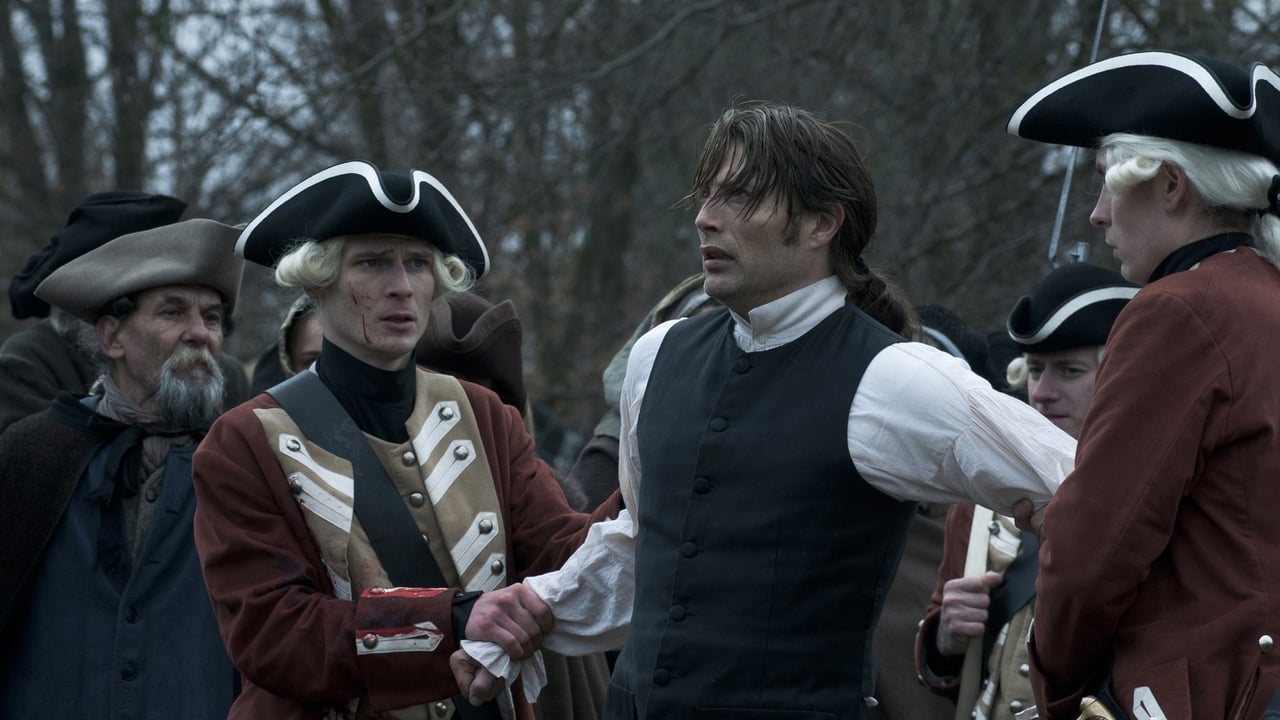
I watched this for the first time while eating a bowl of lukewarm cereal at 2:00 AM because my radiator was making a sound like a dying harmonica, and honestly, the coldness of my apartment matched the damp, grey chill of 1760s Copenhagen perfectly. It’s a movie that makes you feel the draft under the door.
The Mad King and His Keeper
The film centers on a historical triangle that feels like history’s most stressful throuple. At the top, we have King Christian VII, played by Mikkel Boe Følsgaard in a performance that is nothing short of a tightrope walk. Christian isn't just a "movie madman"; he’s a lonely, terrified child trapped in the body of a monarch who would rather play with his dog than run a country. He’s sympathetic, annoying, and dangerous all at once.
Enter Caroline Mathilde, played by a very young Alicia Vikander. This was right before she became a Hollywood mainstay, and you can see exactly why she blew up. She plays the English princess married off to this "mad" king with a quiet, simmering intelligence. She expects a fairy tale and gets a husband who hides behind curtains and makes her play act as his mother.
But the real catalyst is Mads Mikkelsen as Johann Friedrich Struensee. He’s a country doctor—a man of the people and a secret devotee of Rousseau and Voltaire—who gets hired to be the King’s personal physician. Mikkelsen has this incredible ability to look like he’s thinking three different things at the same time while saying nothing at all. He manages to charm the King into actually governing, while simultaneously charming the Queen into his bed.
A Revolution Between the Sheets
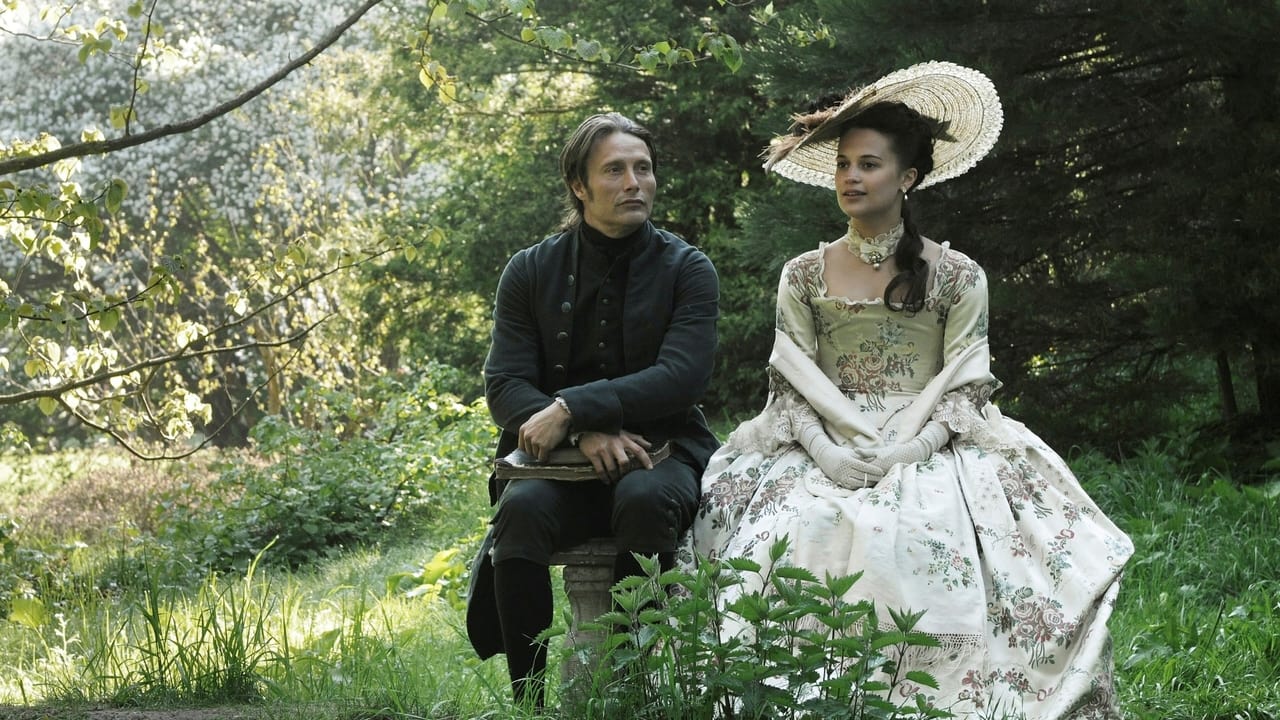
What makes A Royal Affair stand out from the "prestige" pack of the early 2010s is its brain. Usually, these movies are about who is kissing whom in a hedge maze. Here, the sex is almost secondary to the politics. The film argues that the most effective form of seduction is a well-argued pamphlet on land reform.
As Struensee gains the King’s trust, he starts ghostwriting royal decrees. Suddenly, Denmark is the most progressive country in Europe. They’re abolishing torture, taxing the wealthy, and providing smallpox vaccinations. It’s a "silent coup" done through the friendship of a doctor and a mentally ill king. The tragedy, of course, is that while they’re busy saving the country, the doctor and the queen are carrying on a romance that gives the conservative, religious nobility the perfect excuse to destroy them.
Looking back from the mid-2020s, the film feels like a snapshot of that specific 1990-2014 era of filmmaking where digital cameras were finally starting to capture "period" lighting without looking like a soap opera. The cinematography by Rasmus Videbæk is gorgeous, favoring natural light and deep shadows that make the palace feel like a beautiful tomb. It lacks the over-saturated CGI gloss of later historical epics, opting instead for a gritty, tactile reality.
The Tragedy of Being Ahead of Your Time
The director, Nikolaj Arcel, has a real knack for pacing. He later went on to direct the ill-fated The Dark Tower (2017), which makes me think he’s much better at handling Danish court intrigue than Stephen King multiverses. In A Royal Affair, he keeps the tension high. You know it’s going to end badly—history tells us that much—but you’re rooting for these three weird, broken people to somehow win anyway.
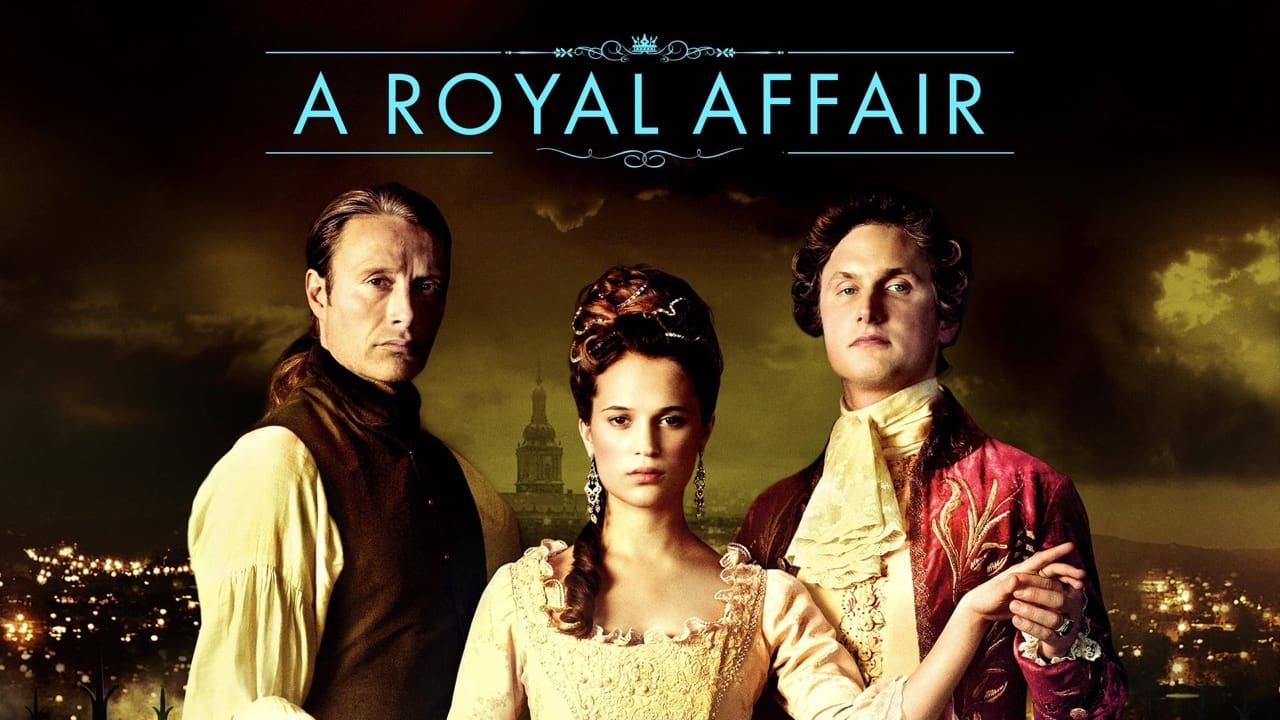
It’s worth noting that the film was a massive hit in Denmark but remains a bit of a "hidden gem" for English-speaking audiences who are allergic to subtitles. That’s a shame because Mads Mikkelsen is doing career-best work here. There’s a scene where he has to choose between his survival and his ideals, and you can see the light literally leaving his eyes.
Apparently, the production had to move to the Czech Republic to film because Copenhagen had become "too modern" to look like its 18th-century self. It’s a bit of a meta-commentary on the film’s theme: the world eventually catches up to the revolutionaries, but usually only after it has crushed them. This movie is a beautiful, heartbreaking reminder that progress is never a straight line—it’s a messy, passionate, and often bloody dance.
If you’re tired of period pieces that feel like museum exhibits, give this one a shot. It’s got the intellectual weight of a political thriller and the emotional gut-punch of a classic tragedy. Just be prepared for the fact that you will probably walk away with a massive crush on both Mads Mikkelsen and the concept of universal healthcare. It’s a rare film that makes the Enlightenment feel like a high-stakes heist.
Keep Exploring...
-
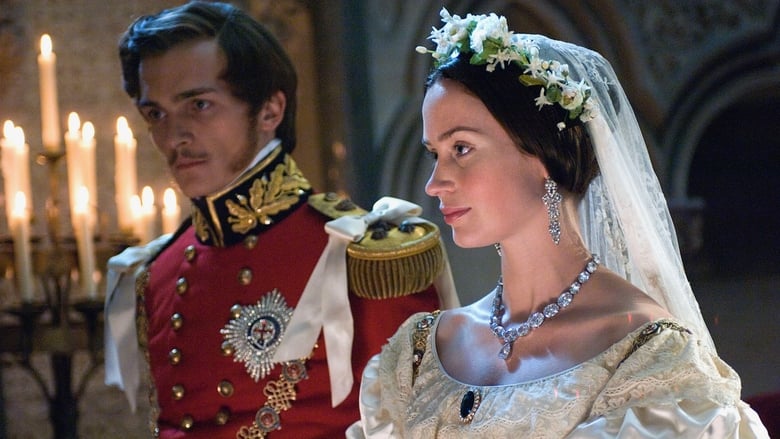
The Young Victoria
2009
-
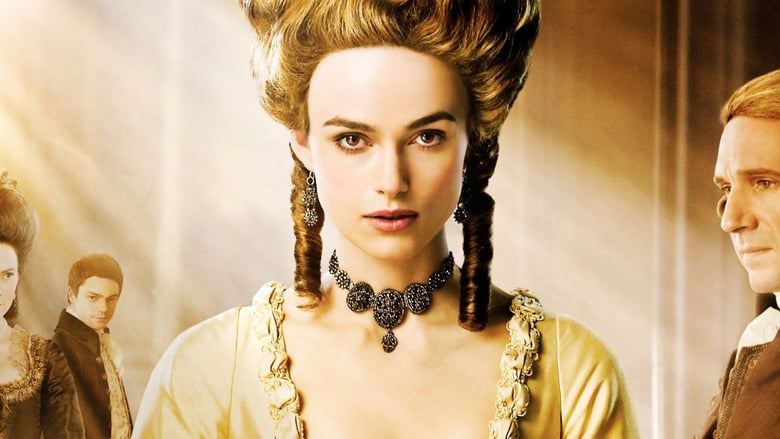
The Duchess
2008
-
Elizabeth: The Golden Age
2007
-
Confessions of a Dangerous Mind
2002
-
Joyeux Noel
2005
-

The New World
2005
-
Mona Lisa Smile
2003
-

The Other Boleyn Girl
2008
-
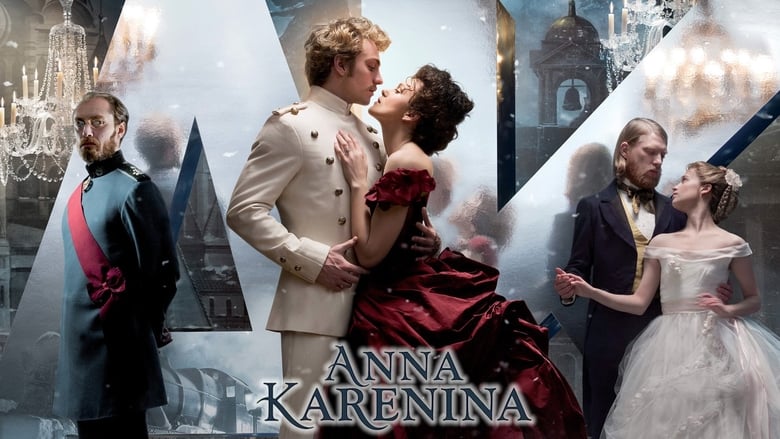
Anna Karenina
2012
-

The Wind Rises
2013
-

Across the Universe
2007
-
Becoming Jane
2007
-
Dan in Real Life
2007
-
In the Valley of Elah
2007
-
Lars and the Real Girl
2007
-

No Reservations
2007
-
The Diving Bell and the Butterfly
2007
-
The Nanny Diaries
2007
-
Defiance
2008
-
Frost/Nixon
2008