A Thousand Words
"Every word counts. Literally."
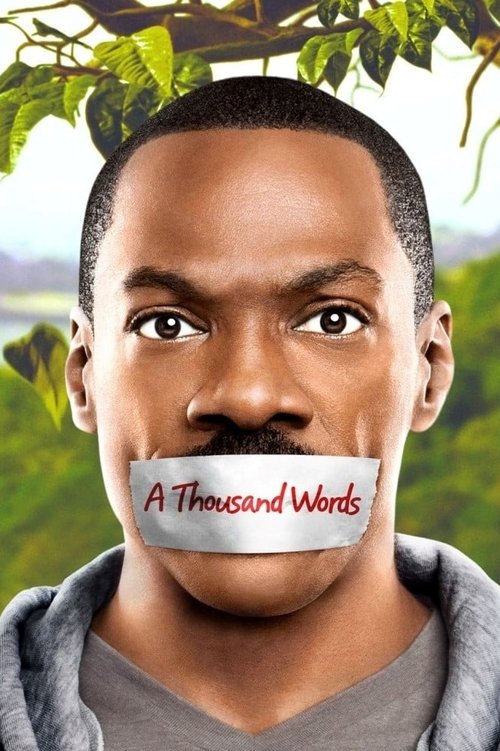
Imagine a film so radioactive that its own studio kept it in a lead-lined vault for four full years. That is the legacy of A Thousand Words, a movie that finished filming in 2008—back when Iron Man was a risky new experiment—but didn't see the light of day until 2012. By the time it hit theaters, the world had moved on, and honestly, the film felt like a transmission from a distant, cheesier dimension. I actually watched this for the first time on a humid Tuesday evening while trying to assemble a flat-pack bookshelf that was missing several crucial cam-locks; surprisingly, my frustration with the furniture felt more nuanced than the script's approach to spiritual enlightenment.
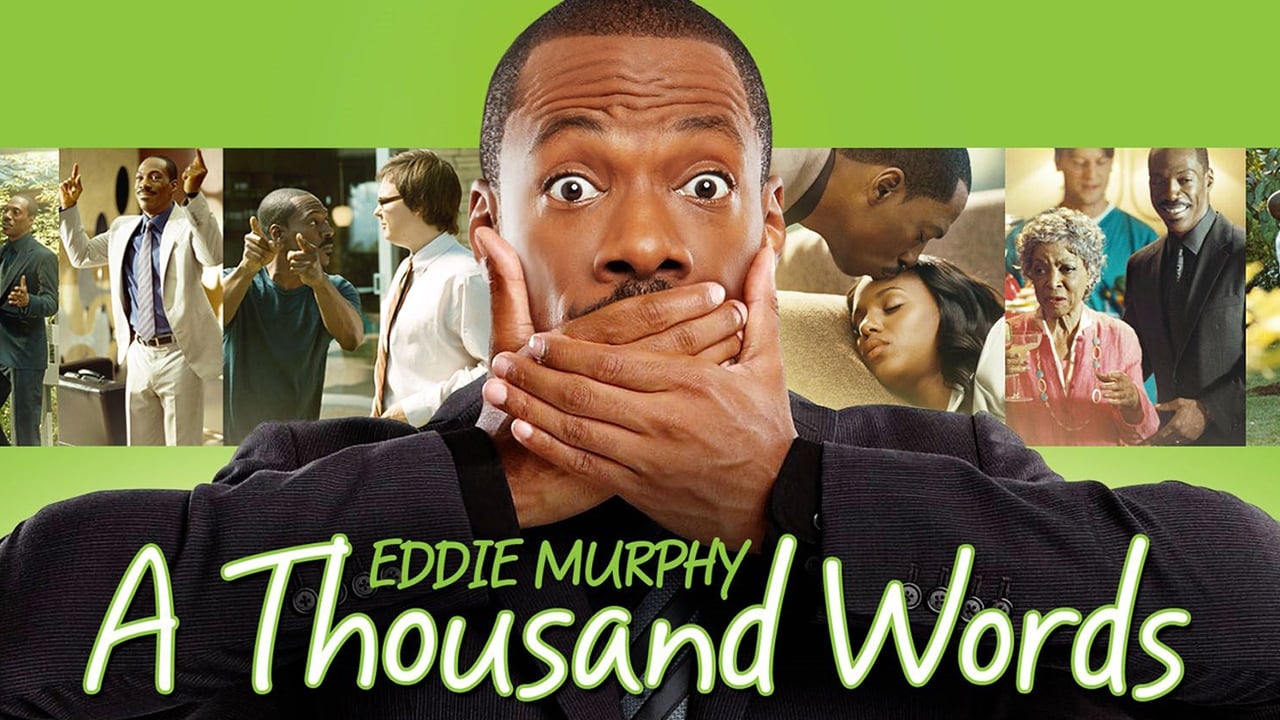
The Movie That Time (And Paramount) Forgot
In the landscape of modern cinema, specifically that transitional 1990-2014 era, A Thousand Words represents the tail end of the "High Concept Star Vehicle." This was a period where you could greenlight a $40 million budget based solely on a "What If?" premise and a bankable face. Here, the face is Eddie Murphy, playing Jack McCall, a fast-talking literary agent who values deals over depth. After he tries to con a New Age guru played by Cliff Curtis, a magical Bodhi tree sprouts in his yard. The catch? Every word Jack speaks or writes causes a leaf to fall. When the tree is bare, Jack dies.
Looking back, this film arrived exactly when the "Star Era" was being swallowed by the "Franchise Era." It’s a fascinating, if flawed, artifact of a time when we still expected Eddie Murphy to carry a movie through sheer charisma, even when the script literally forbade him from talking. Because the film sat on a shelf during the 2008 financial crisis and the rise of the MCU, it feels strangely untethered to its release year. It has the DNA of a late-90s Liar Liar-style romp but the polished, slightly sterile digital look of the early 2010s.
Mime-ing for Redemption
The central conceit forces Eddie Murphy into a performance that is almost entirely physical. For a man whose legendary status was built on the fastest mouth in Hollywood—think Beverly Hills Cop or his stand-up—watching him navigate a Starbucks order using only frantic gestures is genuinely interesting from a technical standpoint. Murphy works hard. He mugs, he dances, he uses his eyes to convey a level of desperation that occasionally transcends the mediocre material.
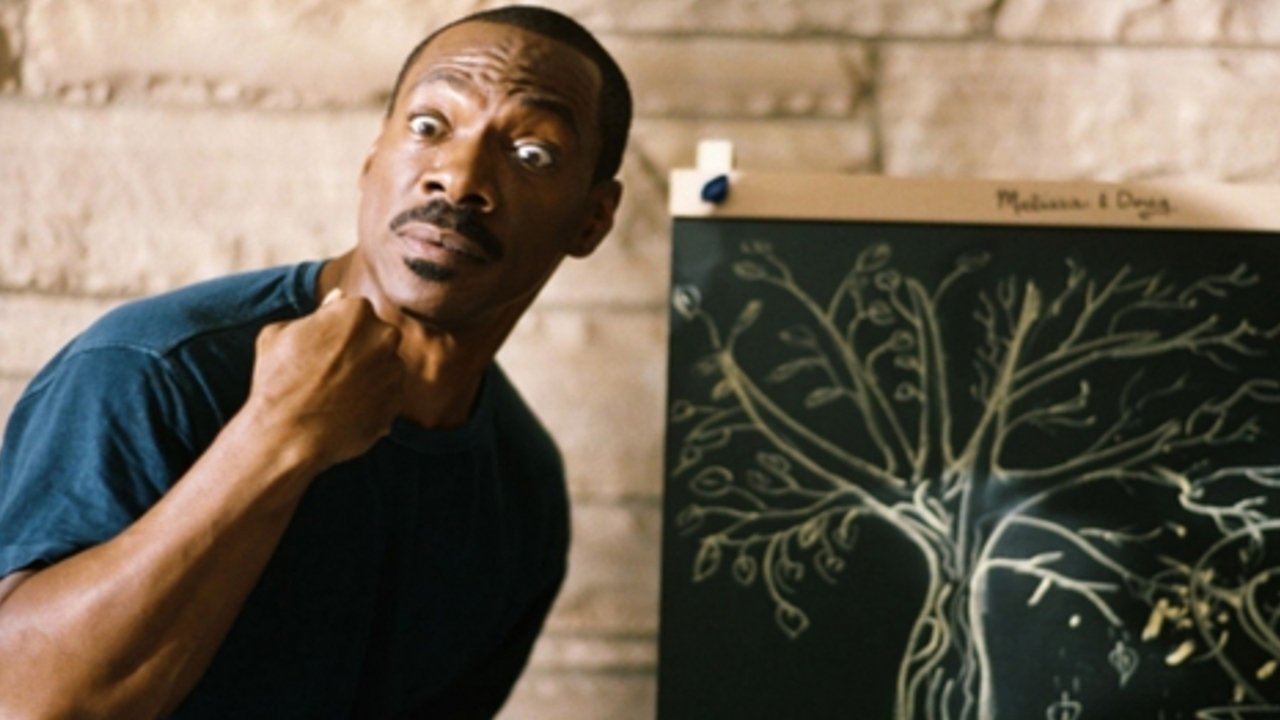
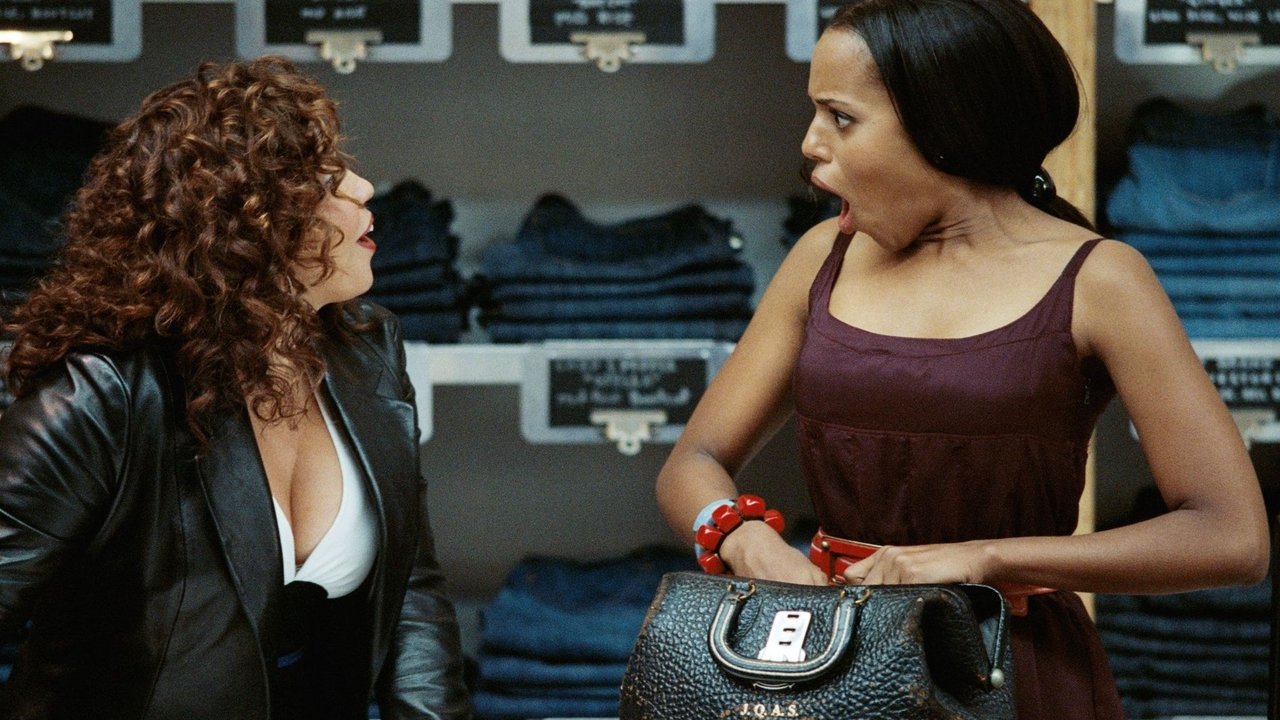
However, the drama often feels like it's playing charades with the Grim Reaper. The film wants to have its cake and eat it too; it wants the zany comedy of Jack trying to negotiate a book deal via a talking "Speak & Spell" toy, but it also wants the heavy, tear-jerking weight of a man reconciling with his estranged father. Kerry Washington is tasked with the unenviable role of the "long-suffering wife," and while she brings a grounded warmth to Caroline McCall, she’s frequently left reacting to Murphy’s silent comedy routines in a way that feels like two different movies are happening at once.
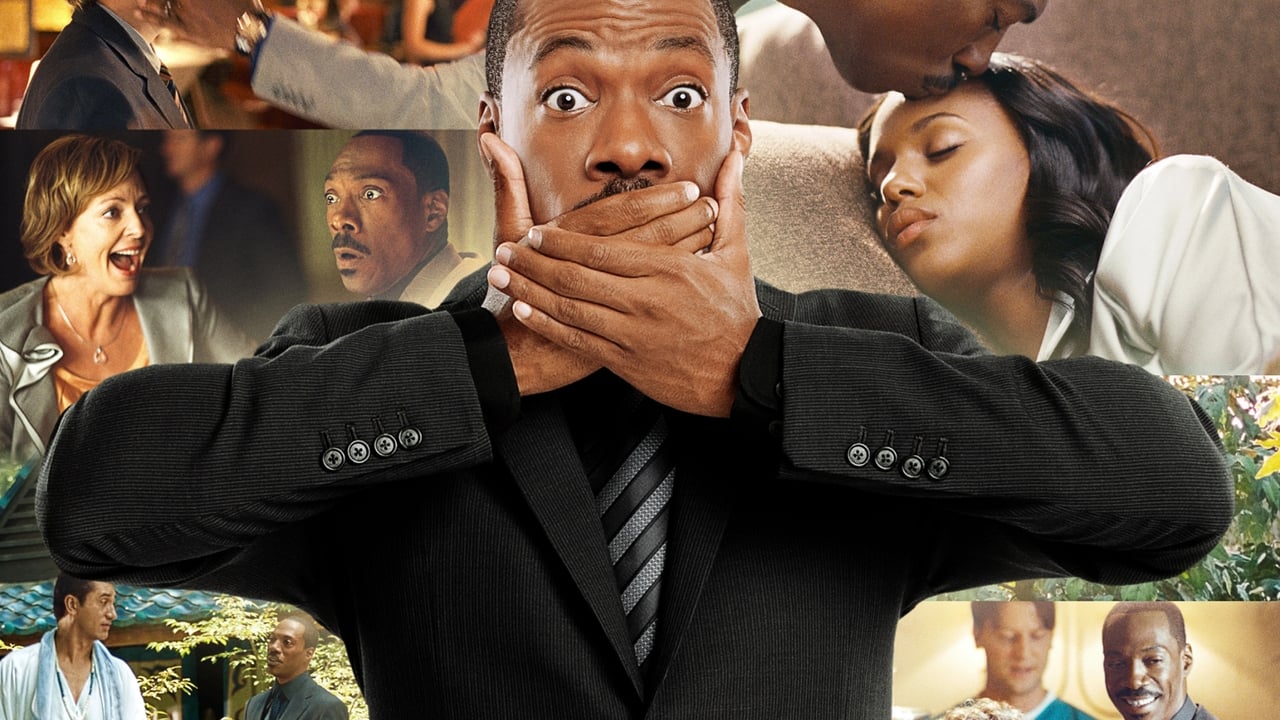
The supporting cast is a "Who's Who" of dependable talent doing their best with thin sketches. Allison Janney shows up as Jack’s boss, delivering her trademark acerbic wit, while Clark Duke plays the bumbling assistant Aaron. Duke, a staple of the late-2000s "indie-adjacent" comedy scene, provides some of the only genuine laughs by simply being the baffled straight man to Murphy's silent chaos.
A Tree Grows in Hollywood (Briefly)
Director Brian Robbins (who previously collaborated with Murphy on Norbit) handles the "magical realism" with a very heavy hand. The CGI tree, which would have looked groundbreaking in 1995, feels a bit "uncanny valley" by 2012 standards. There’s a lack of directorial restraint that prevents the drama from ever feeling truly earned. When the film tries to pivot into its third-act spiritual awakening, the score by John Debney swells so aggressively that it practically demands you feel something, rather than letting the performance do the work.
What’s most revealing about this film’s era is its treatment of the "New Age" movement. In the 2000s, Hollywood was obsessed with the idea of the high-powered executive needing a spiritual detox (think Eat Pray Love for the corporate set). A Thousand Words treats the character of Dr. Sinja and his Eastern philosophy as a plot device rather than a belief system. Cliff Curtis plays the role with a serene dignity that the movie arguably doesn't deserve, but the "lesson" Jack learns feels like a Hallmark card expanded into a feature-length screenplay. The film handles spiritual enlightenment with the grace of a bowling ball in a glass factory.
Ultimately, A Thousand Words is a fascinating failure. It’s a movie that attempts to capture the heart of a silent-era comedy within the framework of a modern studio dramedy, but it lacks the soul to make the silence meaningful. It stands as a reminder of a specific moment in Hollywood history when movie stars were still bigger than the concepts they inhabited—even if, in this case, the concept was a magical tree that really should have been pruned in the writers' room. It’s worth a look for Eddie Murphy completists or those curious about the "0% Rotten Tomatoes" club, but for most, it’s a conversation best left unstarted.

Keep Exploring...
-
The Odd Life of Timothy Green
2012
-
The Cobbler
2014
-
Norbit
2007
-
Jack Frost
1998
-
Ghost Town
2008
-

Penelope
2007
-
Be Kind Rewind
2008
-

Nick and Norah's Infinite Playlist
2008
-
Nim's Island
2008
-
Aliens in the Attic
2009
-
The Informant!
2009
-

Morning Glory
2010
-

LOL
2012
-
What to Expect When You're Expecting
2012
-
Teen Beach Movie
2013
-

Men, Women & Children
2014
-
This Is Where I Leave You
2014
-
Veronica Mars
2014
-
The Santa Clause
1994
-

Babe
1995