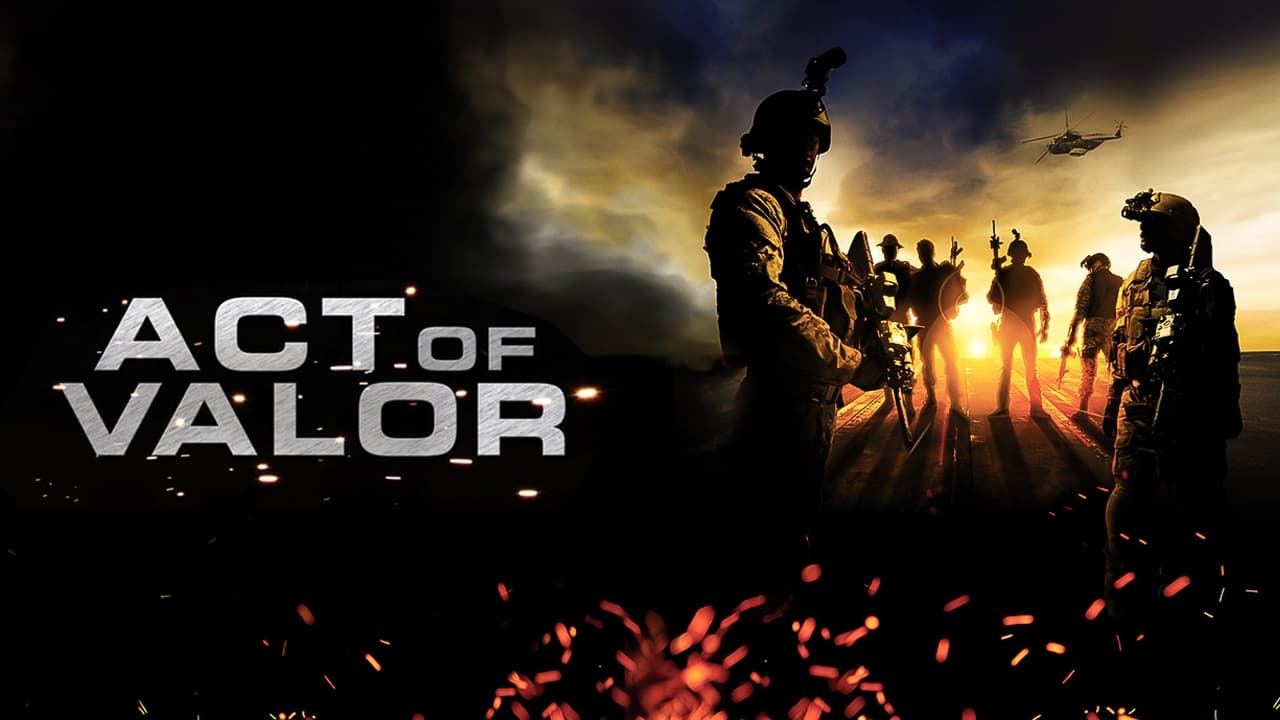
Act of Valor
"Real soldiers. Real bullets. Unreal stakes."
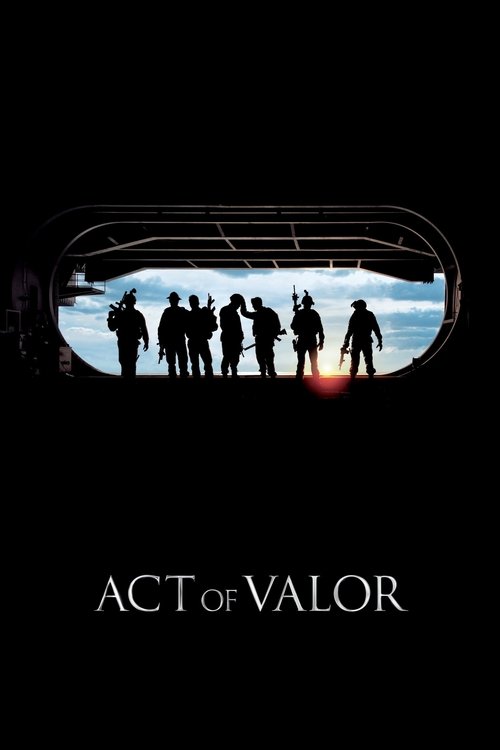
In the early 2010s, the American psyche was undergoing a very specific kind of military fascination. We were roughly a year removed from the raid on Abbottabad, and the Navy SEALs had transitioned from a "quiet professional" mystery to the most visible brand in global heroism. Enter Act of Valor, a film that didn't just want to depict the SEALs; it wanted to be them. It arrived at the perfect intersection of post-9/11 tactical worship and a burgeoning digital filmmaking revolution that was about to change how action looked forever.
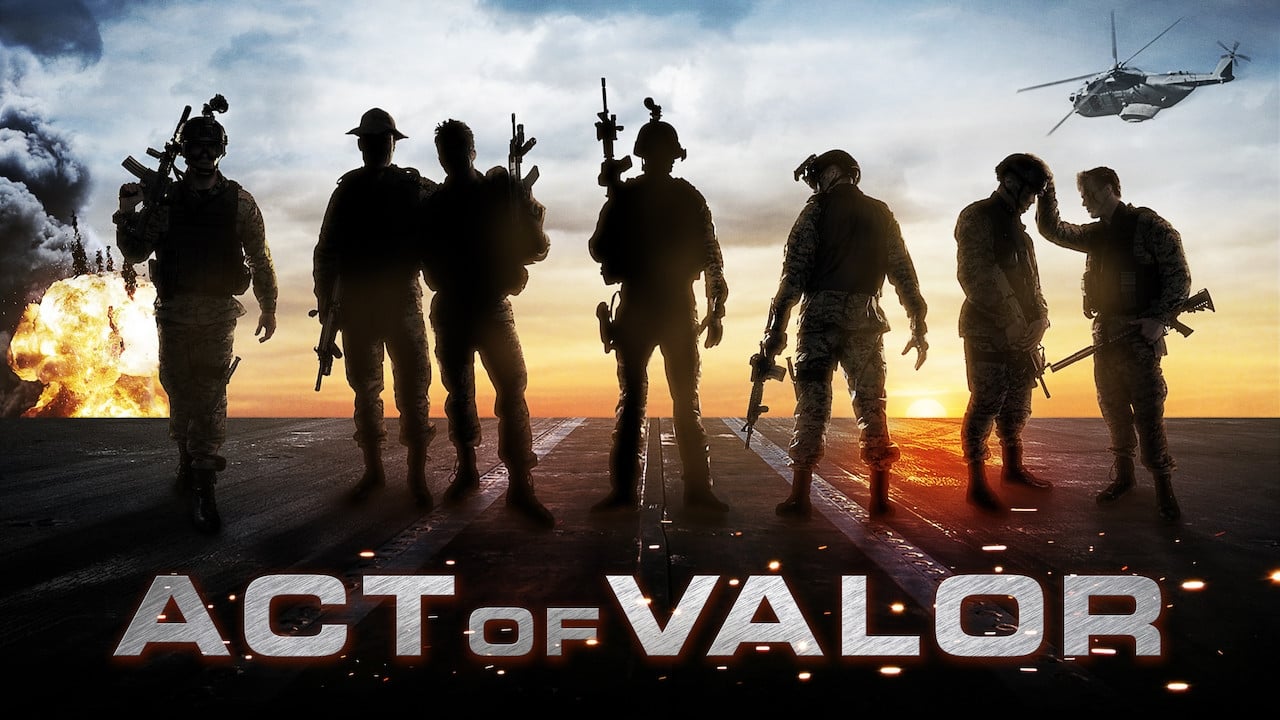
I watched this recently while drinking a lukewarm protein shake that had definitely expired three months ago, which, honestly, felt like the most thematic way to consume a movie that prioritizes physical grit over literally everything else.
The DSLR Revolution
From a technical standpoint, Act of Valor is a fascinating artifact of the "DSLR Revolution." Directors Scott Waugh and Mike McCoy—veteran stuntmen who know more about breaking bones than blocking a Shakespearean monologue—opted to shoot large portions of this movie on the Canon 5D Mark II. For the non-gearheads, that’s essentially a high-end consumer still camera that happened to record HD video.
Looking back, you can see the exact moment the aesthetic of the "YouTube era" met the Hollywood blockbuster. Cinematographer Shane Hurlbut (who famously lensed Terminator Salvation) used the small form factor of these cameras to put the lens in places a standard Panavision rig could never go. We get these claustrophobic, helmet-cam-style perspectives that mirror the "First Person Shooter" boom of Call of Duty: Modern Warfare. It gives the film a jittery, immediate texture that makes the action feel less like a choreographed dance and more like a chaotic police bodycam reel. It’s a style that has aged remarkably well, even if some of the digital grain screams "2012."
Tactical Authenticity vs. Thespian Agony
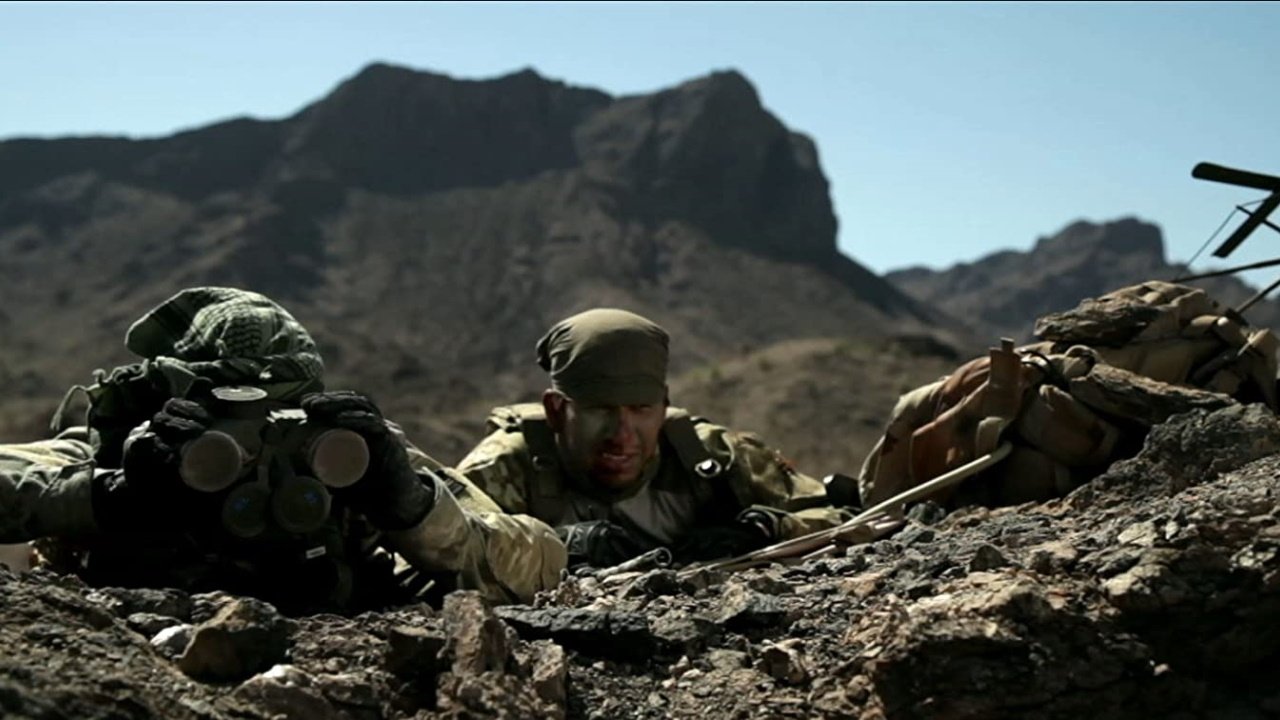
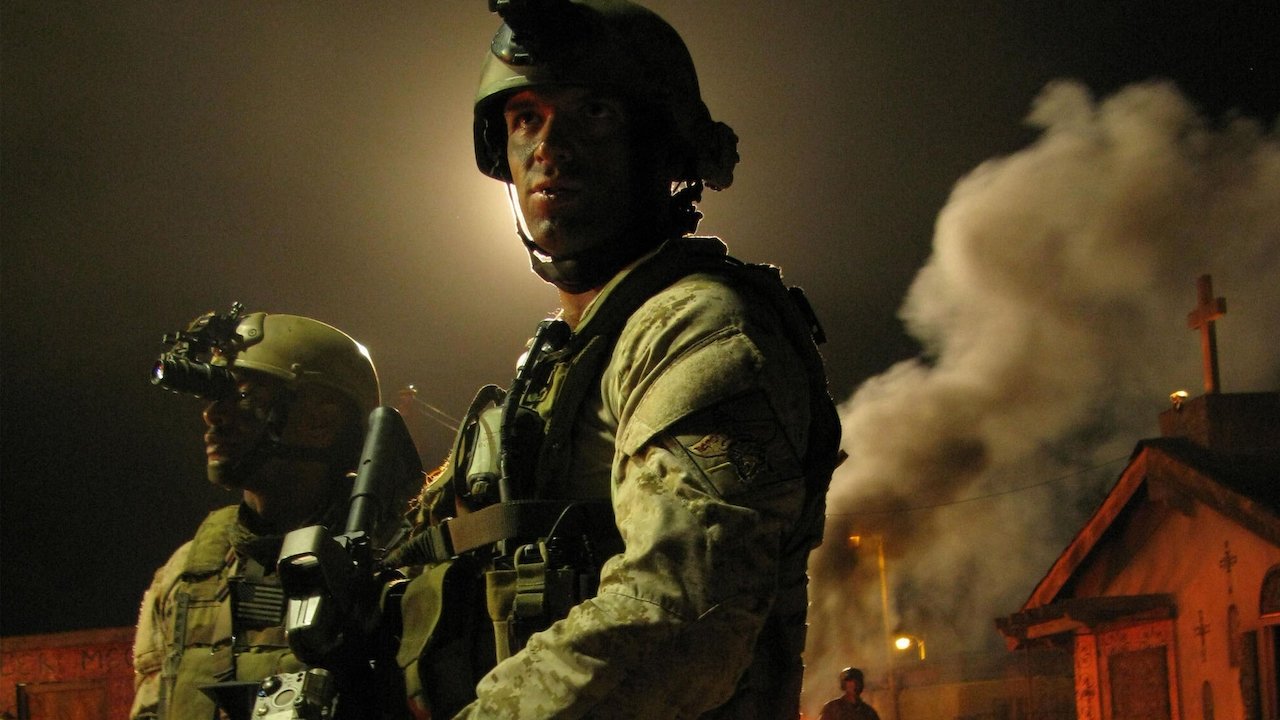
The hook, of course, was the casting. Instead of hiring A-listers to play pretend, the production used active-duty Navy SEALs. The results are a textbook example of "be careful what you wish for." When the guns are firing, the movie is peerless. There is a specific way these men move—the way they "slice the pie" around a corner, the way they hold their weight, and the eerie silence of their communication—that no actor, not even a trained one, ever truly nails.
However, the moment the shooting stops and these men have to deliver dialogue, the movie hits a brick wall. To put it bluntly, the acting has the emotional range of a damp tactical vest. You can practically hear the SEALs counting the beats until they can stop talking about their feelings and go back to jumping out of airplanes. This creates a bizarre tonal see-saw. On one side, you have seasoned pros like Roselyn Sánchez (as the kidnapped CIA agent Lisa Morales) and Alex Veadov (playing the villainous Christo) trying to inject genuine dramatic weight. On the other, you have the actual SEALs delivering lines with the flat, rehearsed cadence of a middle school play about the Constitution.
It’s an awkward marriage. Roselyn Sánchez is doing some heavy lifting in the film’s opening act—an incredibly tense rescue mission in a jungle compound—but the movie struggles to bridge the gap between her professional performance and the "just the facts, ma'am" delivery of her rescuers.
A Snapshot of Post-9/11 Fervor
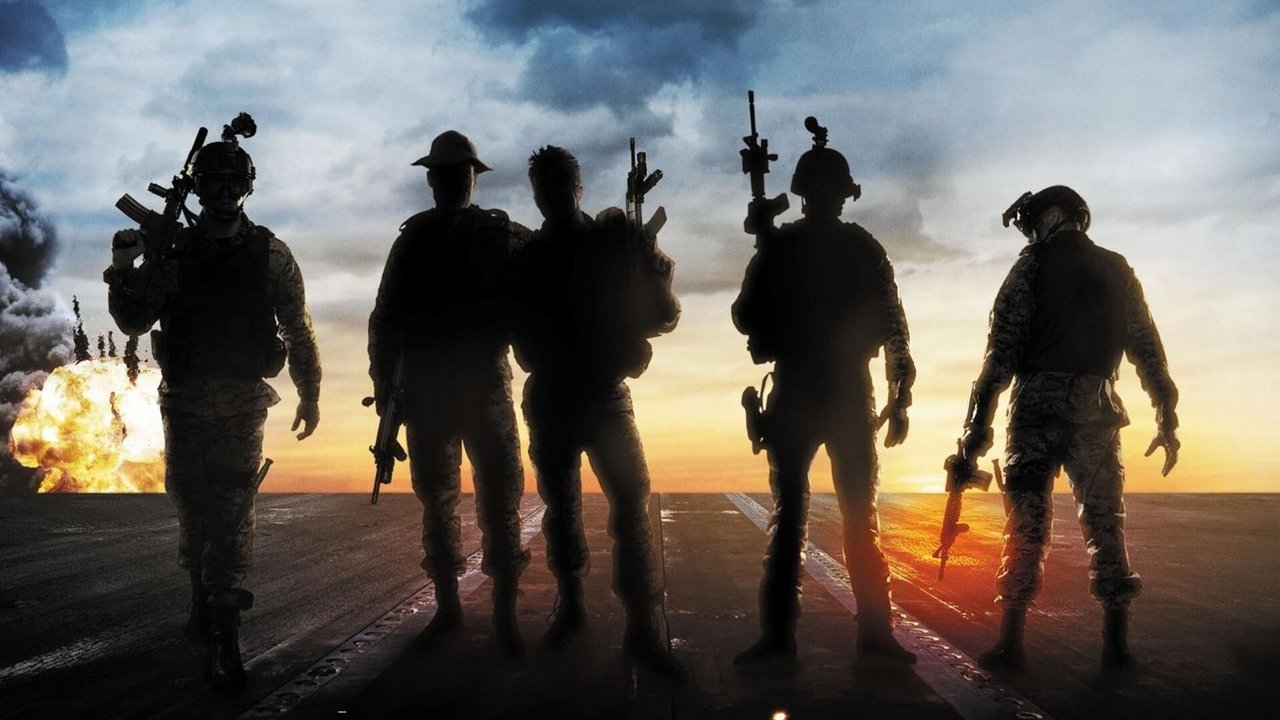
Act of Valor is deeply rooted in its era. This was the peak of the "Military-Industrial-Entertainment Complex," where the lines between a feature film and a 110-minute recruitment commercial were so thin they were practically invisible. The plot, penned by Kurt Johnstad (300), is a global hop-scotch of counter-terrorism tropes: suicide vests, Chechen extremists, and Mexican drug cartels joining forces. It reflects a very specific 2012 anxiety about asymmetric warfare—the idea that the world is a series of "hotspots" that only a handful of elite men can cool down.
The action sequences remain the film’s saving grace. The "hot extraction" scene involving SWCC boats and miniguns isn't just movie magic; the production famously used live ammunition for the tracers to ensure the visual impact was authentic. It’s loud, it’s terrifying, and it’s staged with a clarity that modern "shaky-cam" directors should study. You always know where the teams are, what the objective is, and exactly how much lead is being thrown downrange.
There’s a sincerity here that keeps it from feeling entirely cynical. While it lacks the psychological depth of The Hurt Locker or the harrowing realism of Black Hawk Down, it captures the fraternal bond of the SEAL teams with a reverence that feels earned. It’s a movie that doesn't want to deconstruct the hero; it just wants to show you how he reloads his rifle.
Ultimately, Act of Valor is a curious hybrid. It’s a technical milestone for digital cinematography and a masterclass in tactical staging, but it’s anchored by a narrative that feels like it was written on the back of a MRE box. I don’t think I’d call it a "good movie" in the traditional sense, but as a visceral piece of hardware-heavy filmmaking, it’s a fascinating relic of a time when Hollywood thought the best way to tell a soldier's story was to simply hand him the script. If you can ignore the wooden dialogue, the firepower is more than enough to keep you in your seat.
Keep Exploring...
-
'71
2014
-

Need for Speed
2014
-
Behind Enemy Lines
2001
-

How I Live Now
2013
-
Crimson Tide
1995
-

Rambo
2008
-
Green Zone
2010
-
Shoot 'Em Up
2007
-
Defiance
2008
-
Doomsday
2008
-
Street Kings
2008
-

Cirque du Freak: The Vampire's Assistant
2009
-

Death Race 2
2010
-
Takers
2010
-
The Losers
2010
-
Blitz
2011
-

Haywire
2011
-
Machine Gun Preacher
2011
-
Seeking Justice
2011
-

Get the Gringo
2012